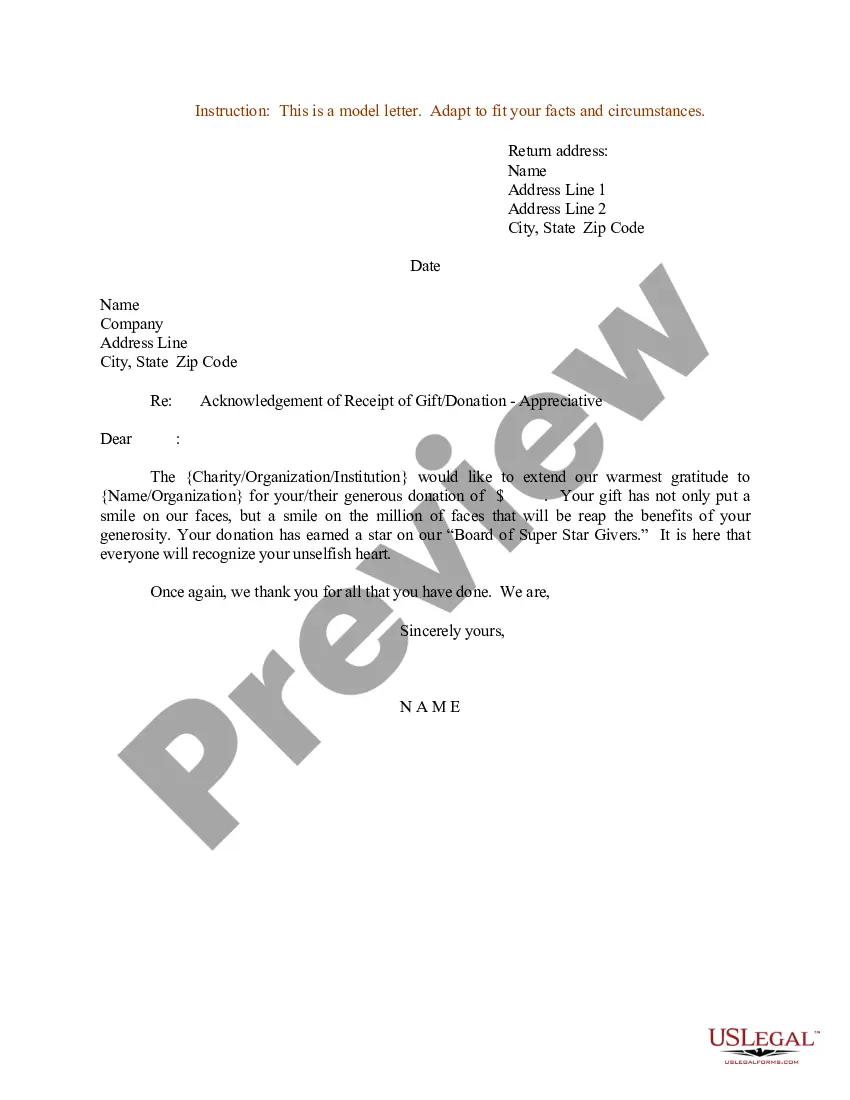
Tax Letter For Donations For Nonprofit In Massachusetts
Description
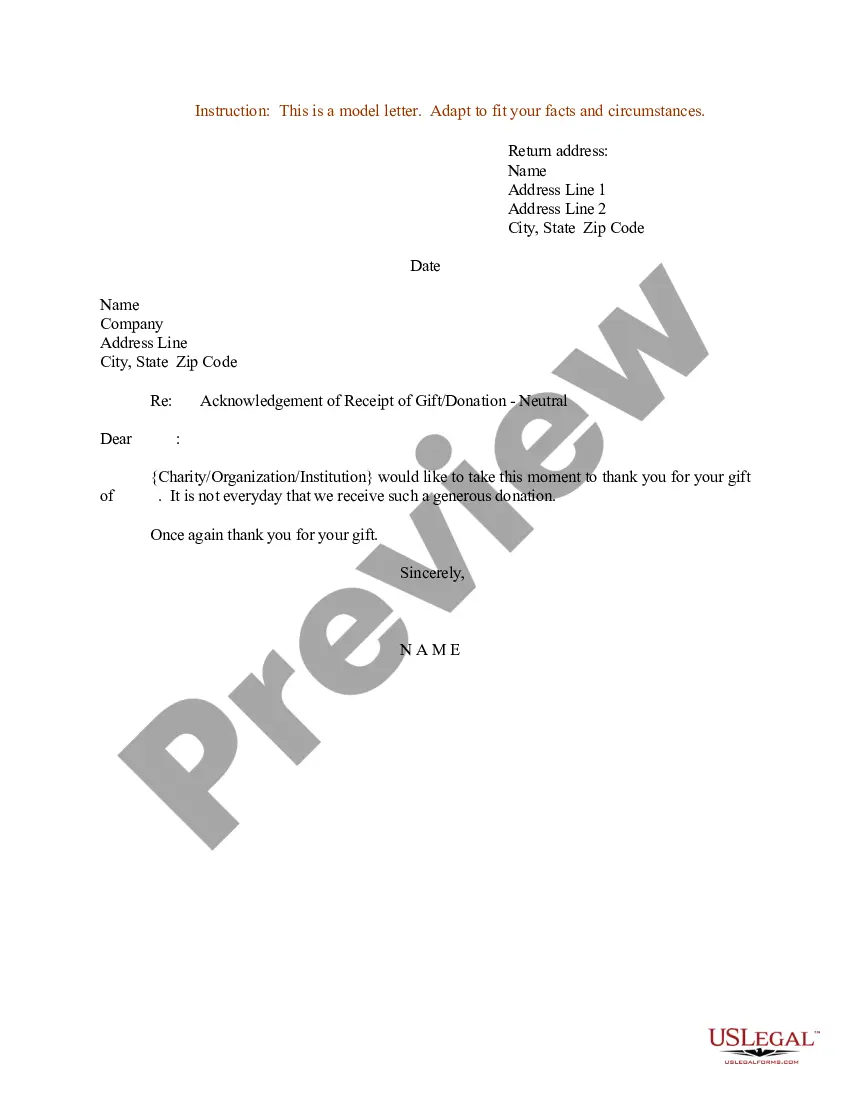
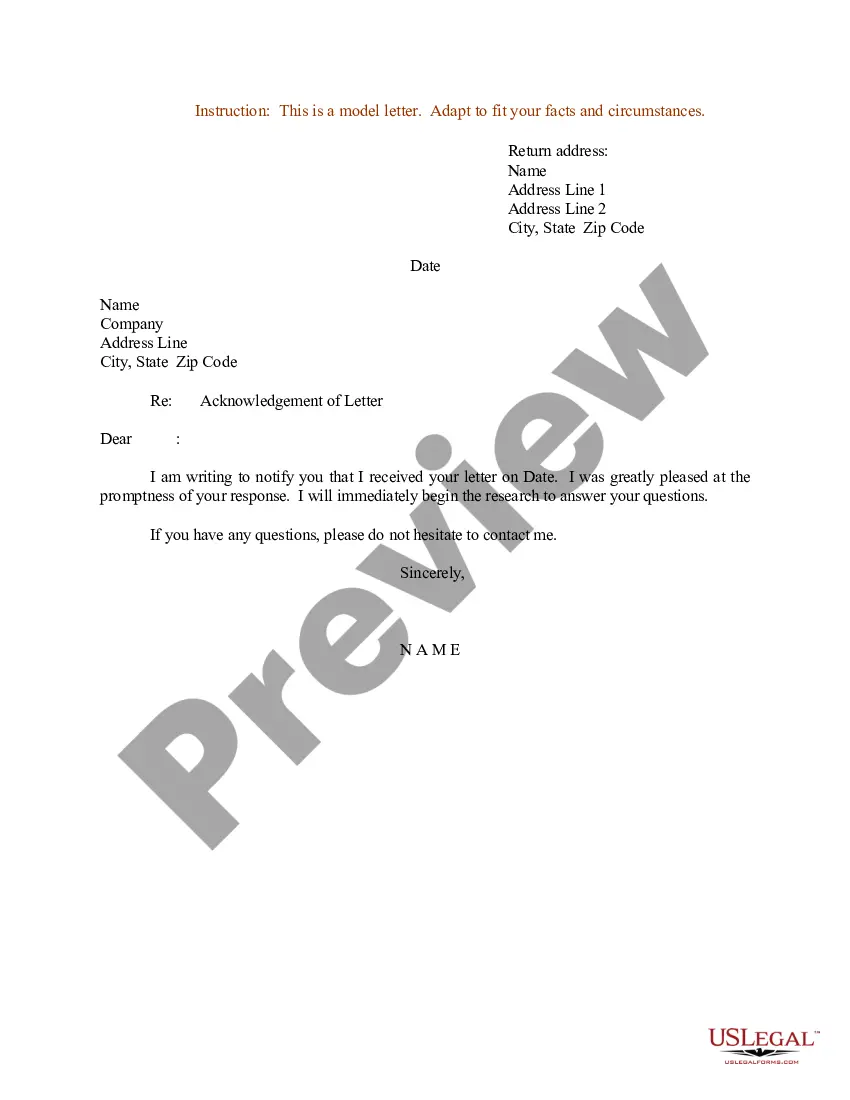
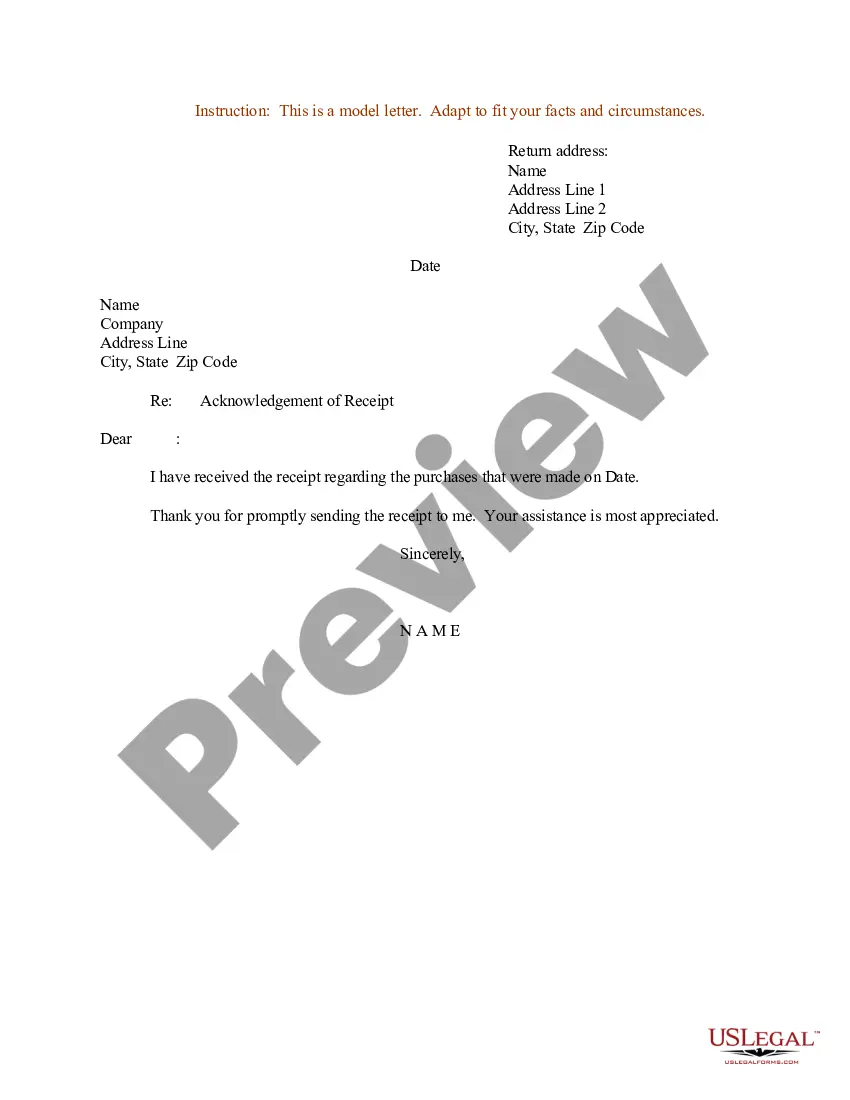
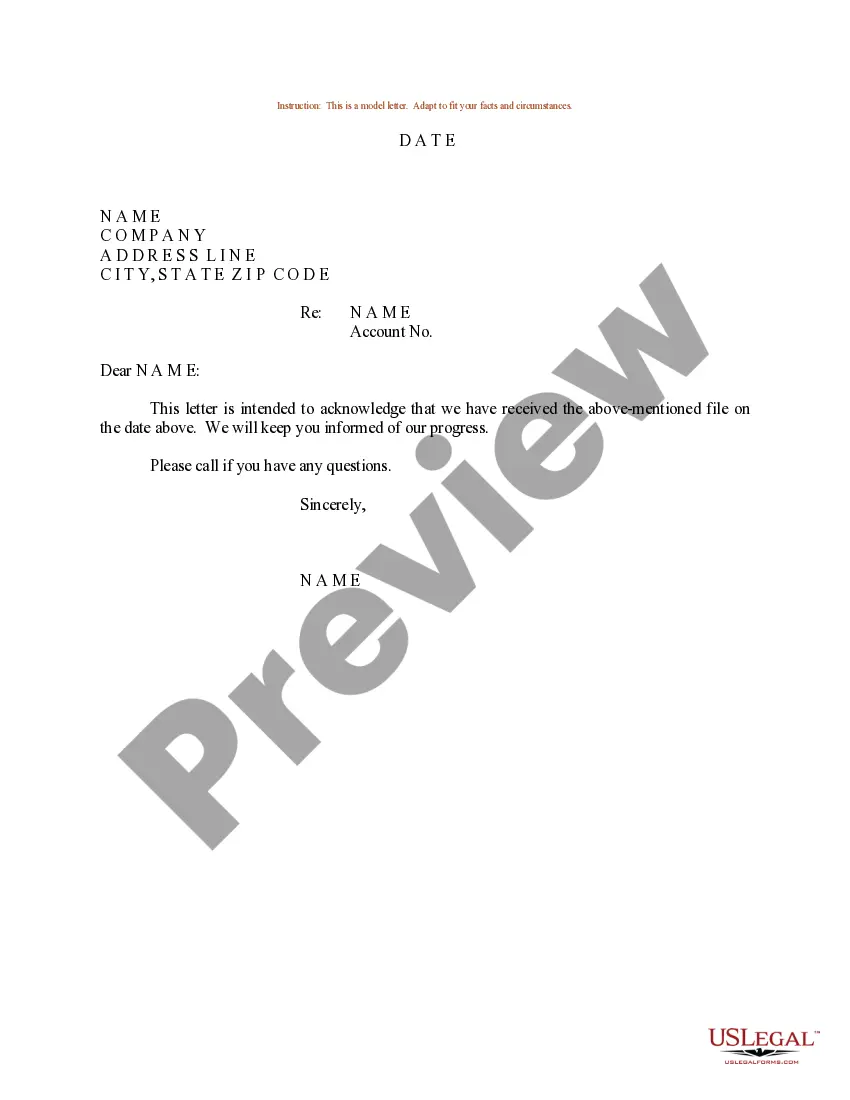
Get your form ready online
Our built-in tools help you complete, sign, share, and store your documents in one place.
Make edits, fill in missing information, and update formatting in US Legal Forms—just like you would in MS Word.
Download a copy, print it, send it by email, or mail it via USPS—whatever works best for your next step.
Sign and collect signatures with our SignNow integration. Send to multiple recipients, set reminders, and more. Go Premium to unlock E-Sign.
If this form requires notarization, complete it online through a secure video call—no need to meet a notary in person or wait for an appointment.
We protect your documents and personal data by following strict security and privacy standards.

Make edits, fill in missing information, and update formatting in US Legal Forms—just like you would in MS Word.

Download a copy, print it, send it by email, or mail it via USPS—whatever works best for your next step.

Sign and collect signatures with our SignNow integration. Send to multiple recipients, set reminders, and more. Go Premium to unlock E-Sign.

If this form requires notarization, complete it online through a secure video call—no need to meet a notary in person or wait for an appointment.

We protect your documents and personal data by following strict security and privacy standards.
Looking for another form?
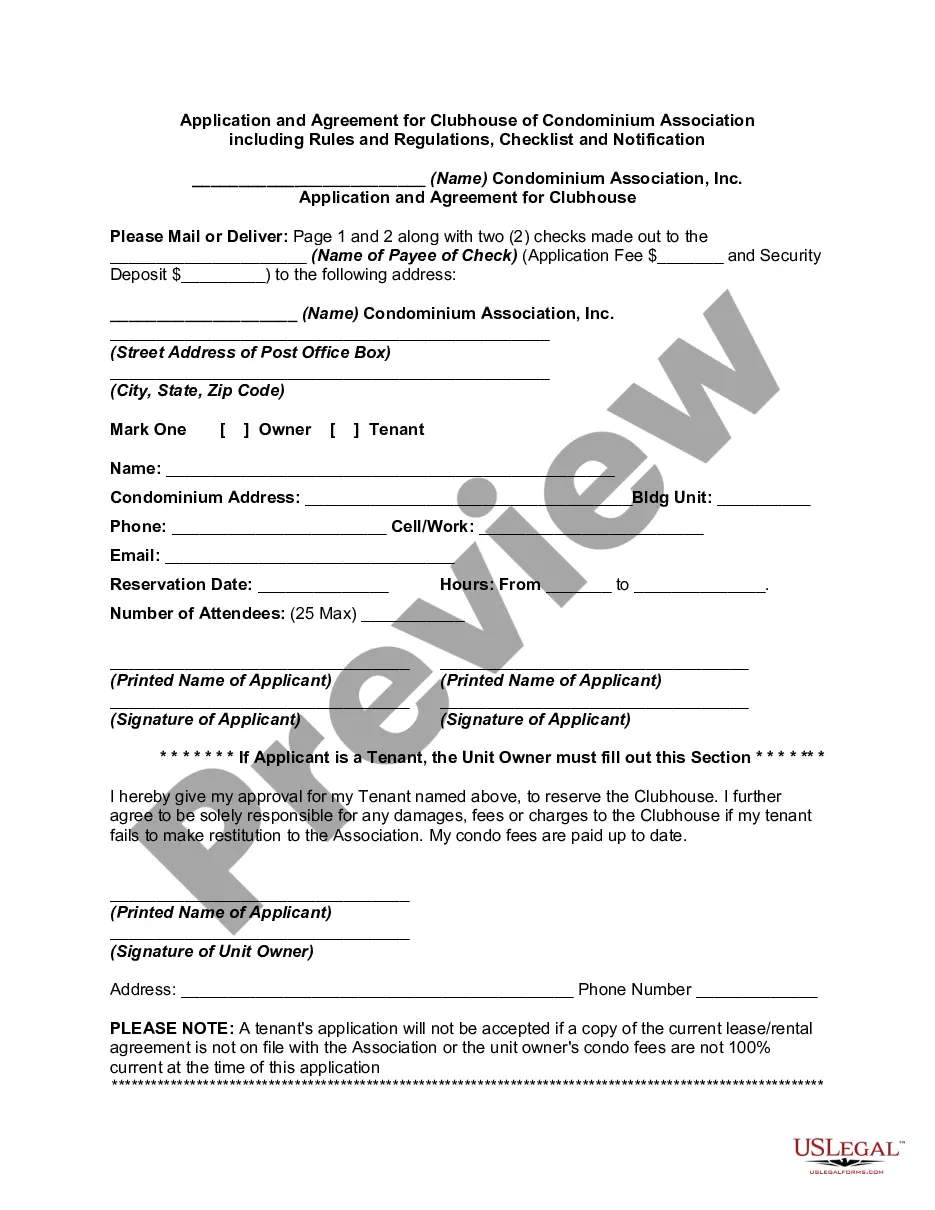
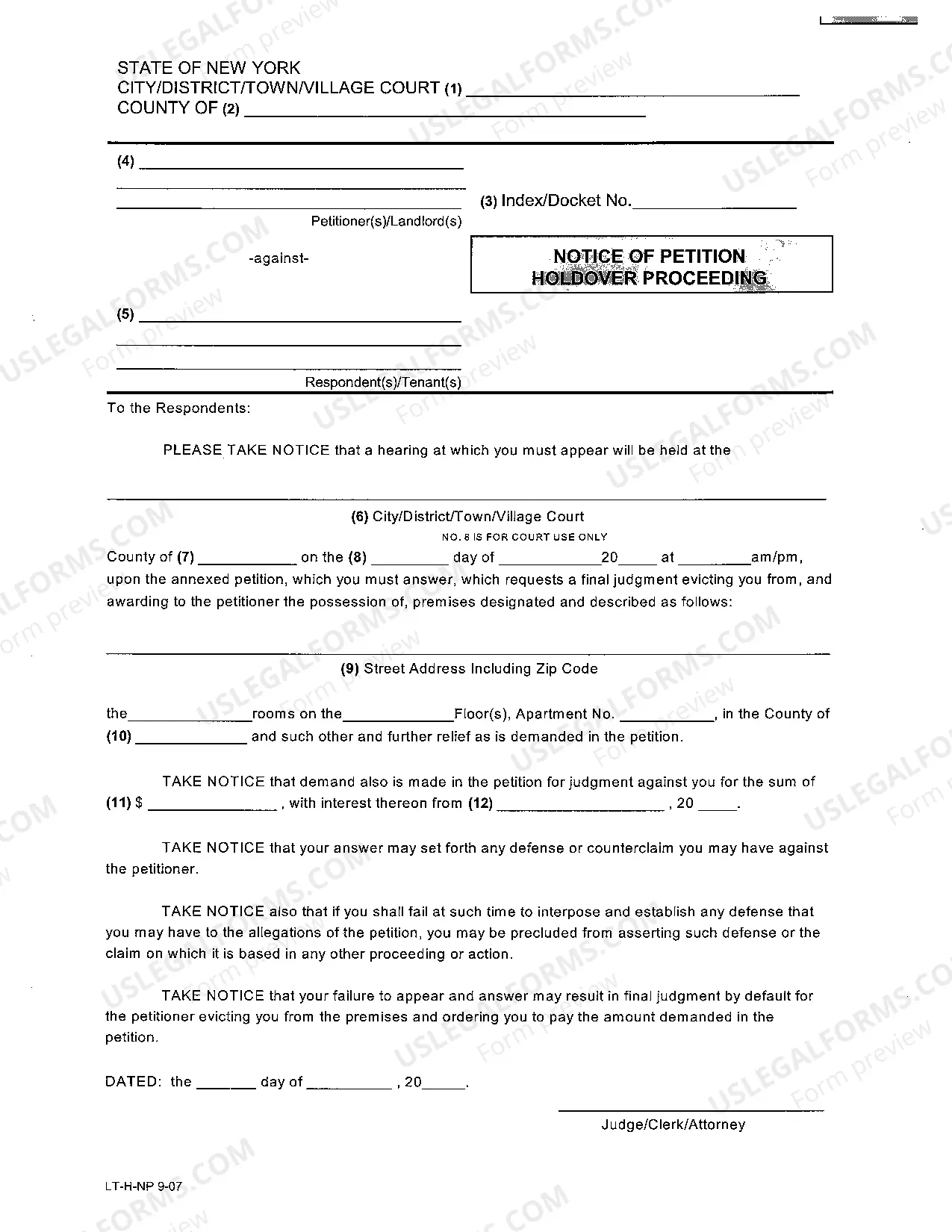
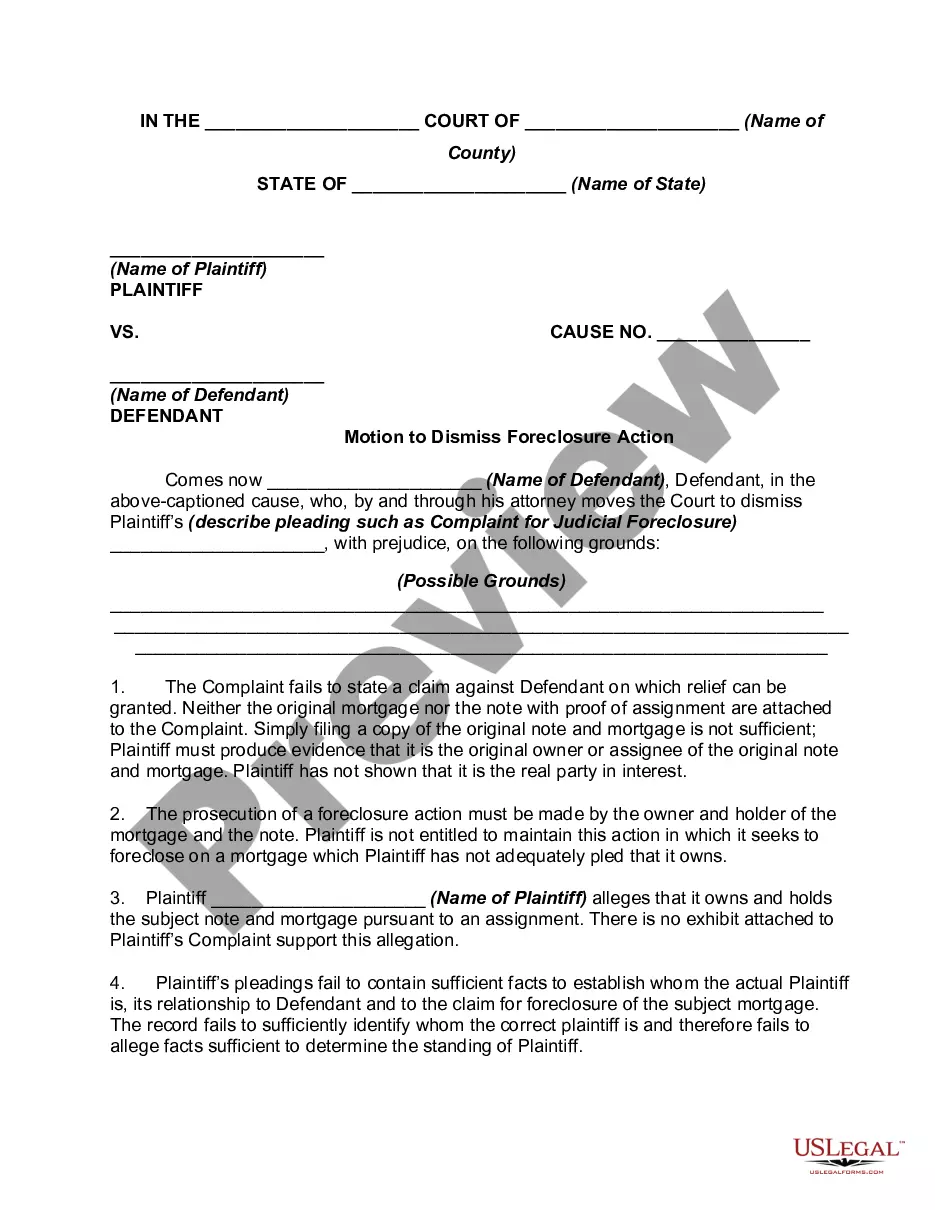

Form popularity
FAQ
Any of the following is acceptable evidence of nonprofit status: (a) a reference to the applicant organization's listing in the Internal Revenue Service's (IRS) most recent list of tax-exempt organizations described in section 501(c)(3) of the IRS Code; (b) a copy of a currently valid IRS tax exemption certificate; (c) ...
Exempt organizations must allow for public inspection and copying of their exemption determination letters.
How can I get a copy of my organization's exemption letter? You can download copies of determination letters (issued January 1, 2014 and later) using our on-line search tool Tax Exempt Organization Search (TEOS).
Plug their EIN in, and see if they're on file with the IRS as a tax-exempt entity under section 501(c)(3). If so, you should be able to find a copy of their determination letter along with annual filings of Forms 990, 990-EZ, or 990-N for each year following their ruling year.
There are several details that the IRS requires you to include: The name of your donor. The full legal name of your organization. A declaration of your organization's tax-exempt status. Your organization's employer identification number. The date the gift was received. A description of the gift and the amount received.
If you ever need to replace your 501(c)(3) letter, IRS Form 4506-A instructions provides a way to get a copy of your original determination letter. (This form is primarily used by members of the public to inspect copies of exempt organizations' applications for exempt status.)
If you file Form 1023, the average IRS processing time is 6 months. Processing times of 9 or 12 months are not unheard of.
I'm writing to ask you to support me and my cause/project/etc.. Just a small donation of amount can help me accomplish task/reach a goal/etc.. Your donation will go toward describe exactly what the contribution will be used for. When possible, add a personal connection to tie the donor to the cause.
How to Write a Donation Request Letter Understand Your Audience. From past donors to potential ones, you likely have a wide audience that you can reach out to. Tell a Powerful Story. Make the Ask. Personalize the Letter. Format & Design. Express Gratitude. Proofread & Edit. Measure Success & Improve.
Write a letter. This method lends a bit of formality to the ask. Limit your letter to one page, and make sure that someone in your organization signs it (preferably a board member or other leader). Ask in person. This method is sometimes preferred by nonprofits who are asking local businesses for donations.