Receipt Donation Sample With No Experience In Massachusetts
Description



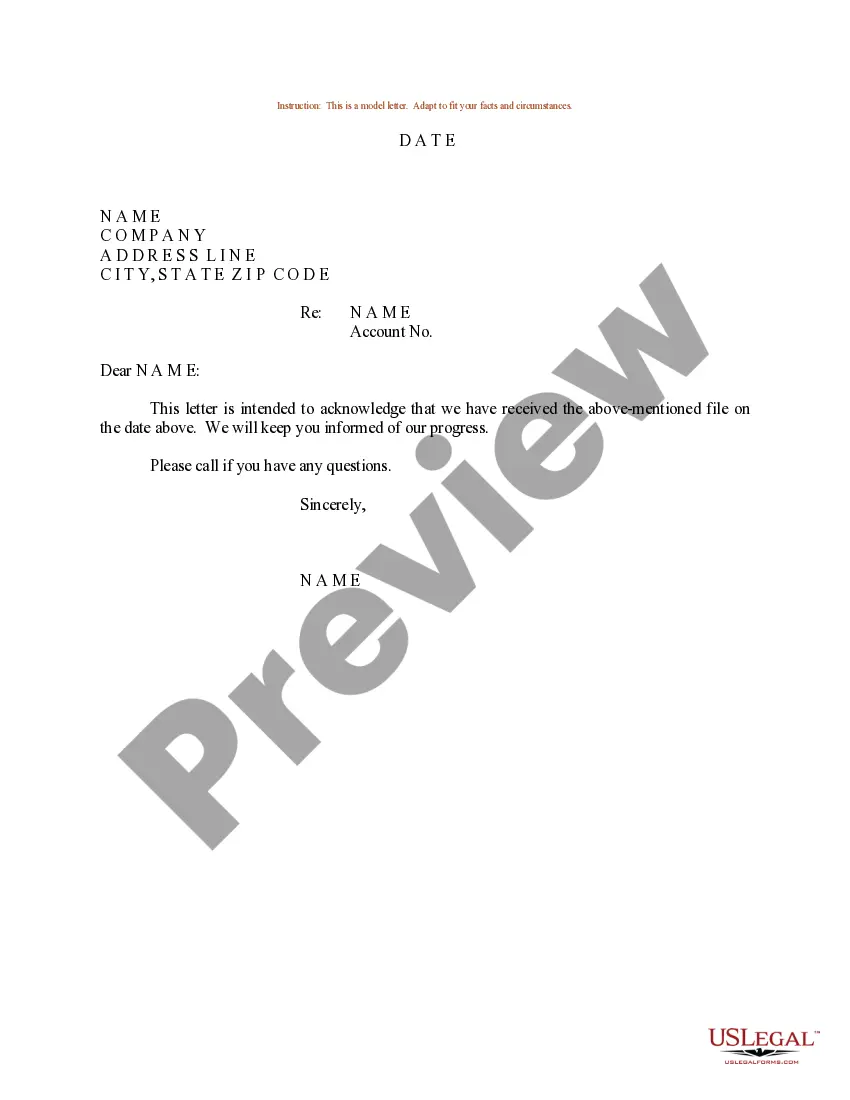
Get your form ready online
Our built-in tools help you complete, sign, share, and store your documents in one place.
Make edits, fill in missing information, and update formatting in US Legal Forms—just like you would in MS Word.
Download a copy, print it, send it by email, or mail it via USPS—whatever works best for your next step.
Sign and collect signatures with our SignNow integration. Send to multiple recipients, set reminders, and more. Go Premium to unlock E-Sign.
If this form requires notarization, complete it online through a secure video call—no need to meet a notary in person or wait for an appointment.
We protect your documents and personal data by following strict security and privacy standards.

Make edits, fill in missing information, and update formatting in US Legal Forms—just like you would in MS Word.

Download a copy, print it, send it by email, or mail it via USPS—whatever works best for your next step.

Sign and collect signatures with our SignNow integration. Send to multiple recipients, set reminders, and more. Go Premium to unlock E-Sign.

If this form requires notarization, complete it online through a secure video call—no need to meet a notary in person or wait for an appointment.

We protect your documents and personal data by following strict security and privacy standards.
Looking for another form?








Form popularity
FAQ
Gross-receipts test: Section 501(c)(3) exemption application Gross receipts are the total amounts the organization received from all sources during its annual accounting period, without subtracting any costs or expenses.
How to Write a Gift Acknowledgment Letter State the purpose of your letter. Start your gift acknowledgment letter with a confirmation of the donation. Make your letter visually engaging. Personalize your note. Explain the impact of the gift. Express heartfelt gratitude. Invite supporters to stay involved.
As an officially registered 501(c)(3) tax-exempt entity, issuing donation receipts is an essential part of your fundraising process. These receipts not only commemorate the kindness of your donations, but they also function as crucial tax evidence.
Substantiation. If you want to take a charitable contribution deduction on your income-tax return, you need to substantiate your gifts. You must have the charity's written acknowledgment for any charitable deduction of $250 or more. A canceled check is not enough to support your deduction.
In general, a well put together donation receipt should include the nonprofit organization's basic information such as name, the donation date, the donation amount, and a statement indicating that the organization is indeed an official nonprofit with their corresponding nonprofit ID nonprofit listed.
Organizations described in section 501(c)(3) are commonly referred to as charitable organizations. Organizations described in section 501(c)(3), other than testing for public safety organizations, are eligible to receive tax-deductible contributions in ance with Code section 170.
Ing to the IRS, donation tax receipts should include the following information: The name of the organization. A statement confirming that the organization is a registered 501(c)(3) organization, along with its federal tax identification number. The date the donation was made.
Receipts are sent to the email address you entered when you submitted your donation, and a new one is sent each time a donation processes (ie. every month.) You can use the link in any receipt from a recurring plan to manage it.
How do you write a fundraising letter? Key steps Start with a personalized greeting. Explain your mission. Describe your current initiative. Outline your project's needs and what you hope to accomplish. Add meaningful photographs or infographics. Show the tangible impact associated with specific donation amounts.
What key details should be included in a sponsorship invoice? Description of the sponsored event. A sponsorship invoice should include a detailed description of the event, including its name, location, address, and date. Details of the event organizer. Sponsor details. Sponsorship details. Payment terms.

