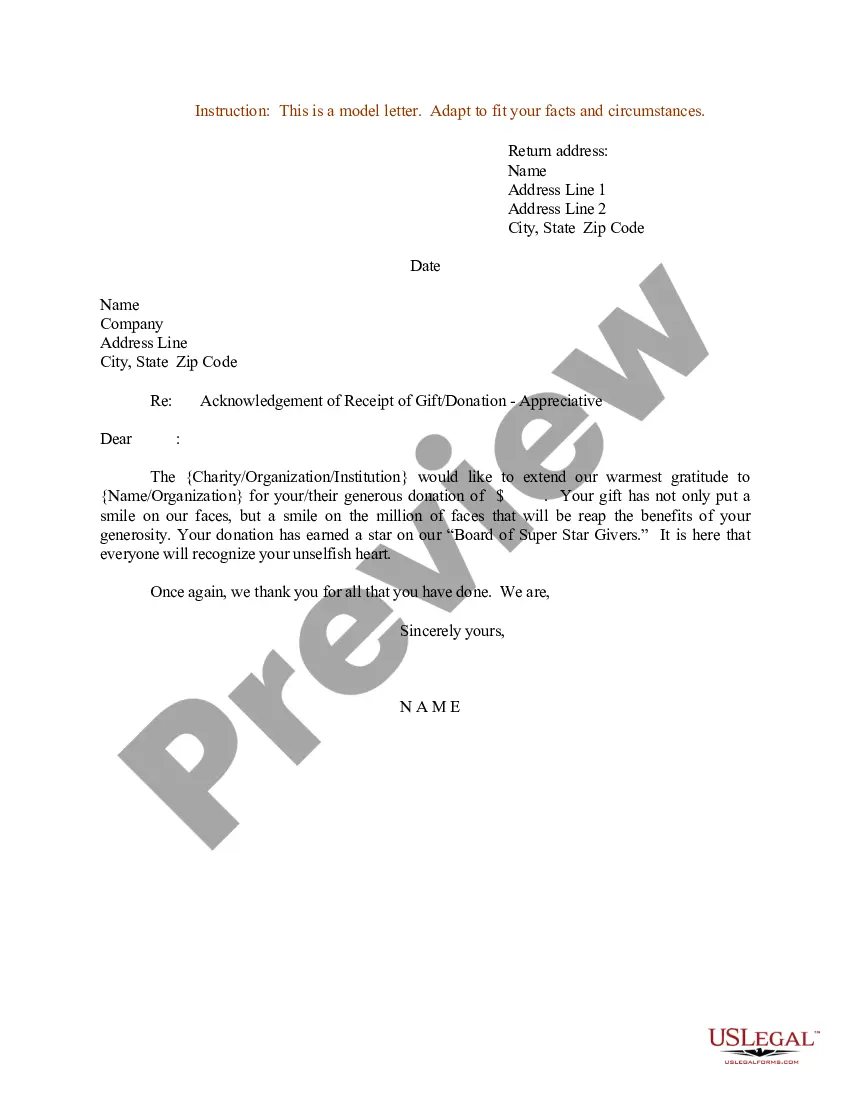
Donation Letter With Tax Id Number In Massachusetts
Description
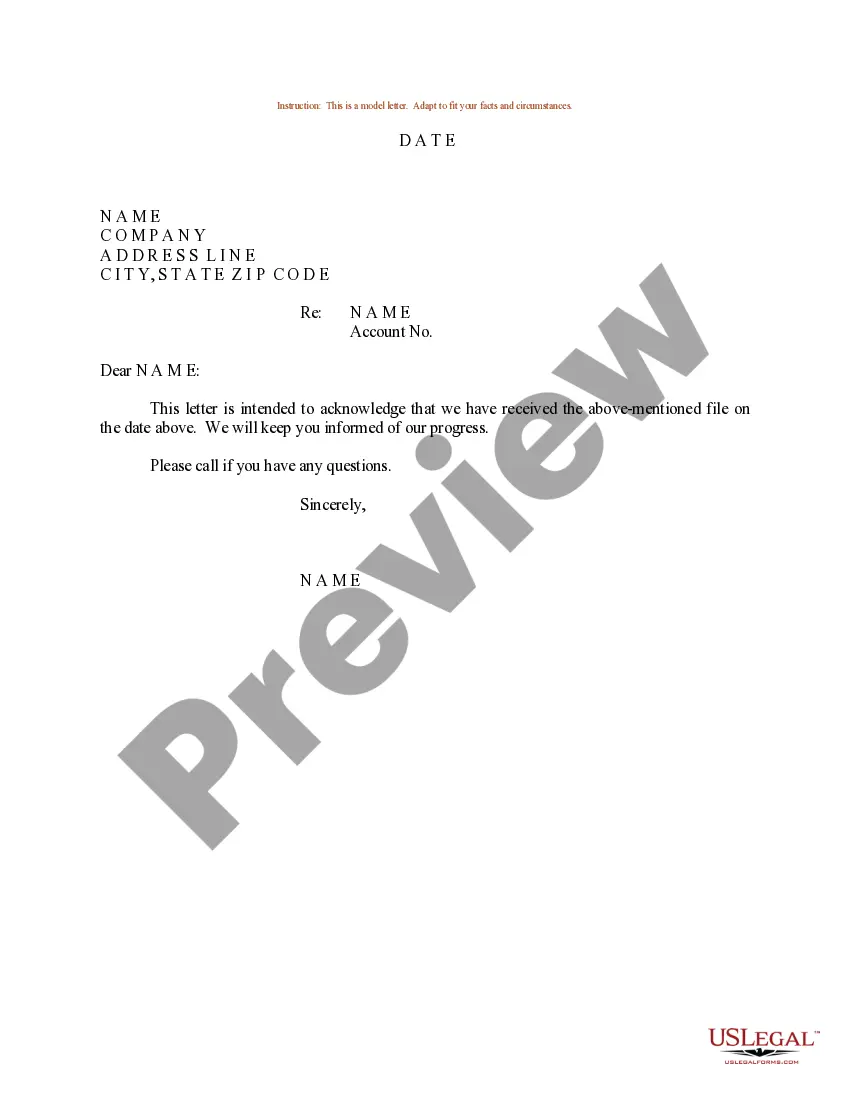
Get your form ready online
Our built-in tools help you complete, sign, share, and store your documents in one place.
Make edits, fill in missing information, and update formatting in US Legal Forms—just like you would in MS Word.
Download a copy, print it, send it by email, or mail it via USPS—whatever works best for your next step.
Sign and collect signatures with our SignNow integration. Send to multiple recipients, set reminders, and more. Go Premium to unlock E-Sign.
If this form requires notarization, complete it online through a secure video call—no need to meet a notary in person or wait for an appointment.
We protect your documents and personal data by following strict security and privacy standards.

Make edits, fill in missing information, and update formatting in US Legal Forms—just like you would in MS Word.

Download a copy, print it, send it by email, or mail it via USPS—whatever works best for your next step.

Sign and collect signatures with our SignNow integration. Send to multiple recipients, set reminders, and more. Go Premium to unlock E-Sign.

If this form requires notarization, complete it online through a secure video call—no need to meet a notary in person or wait for an appointment.

We protect your documents and personal data by following strict security and privacy standards.
Looking for another form?

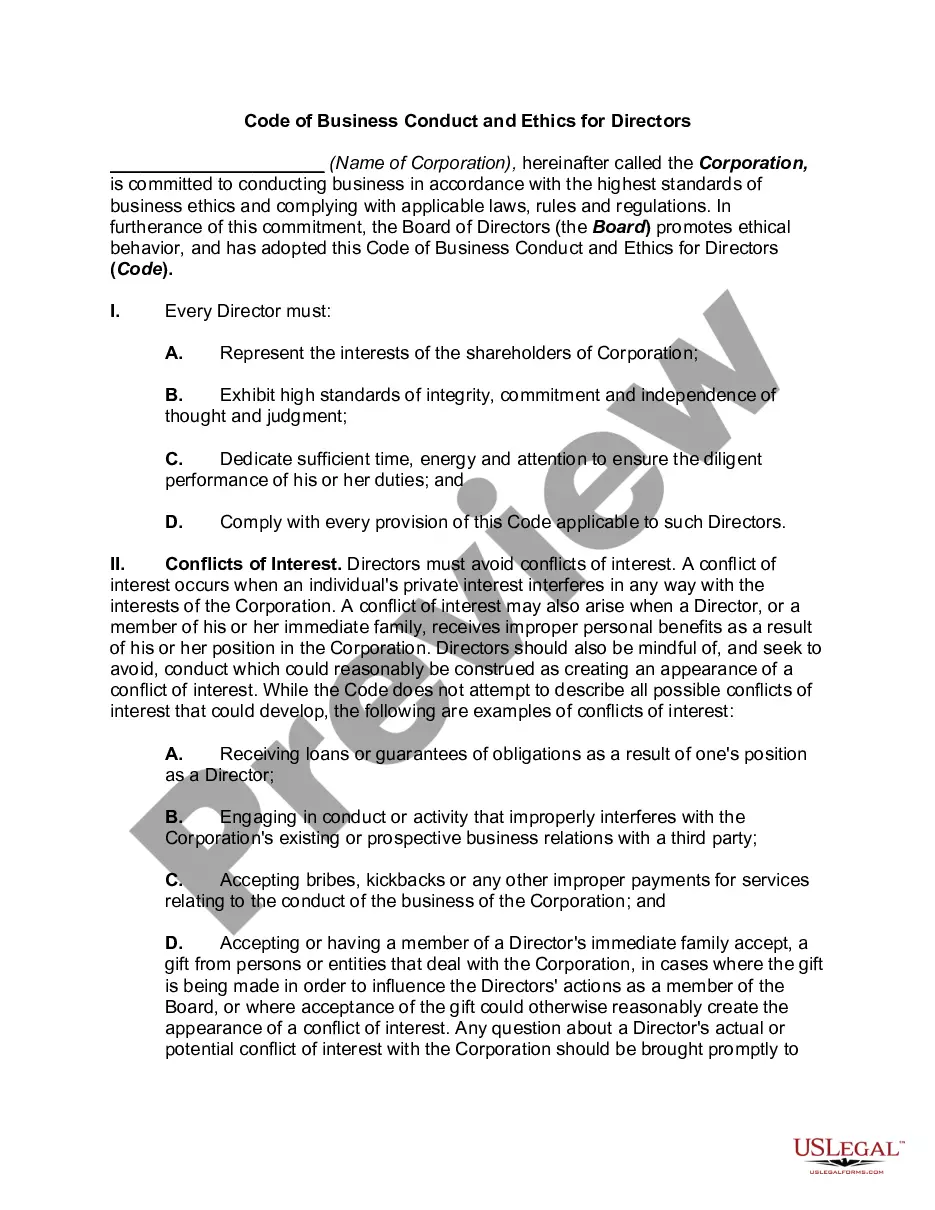
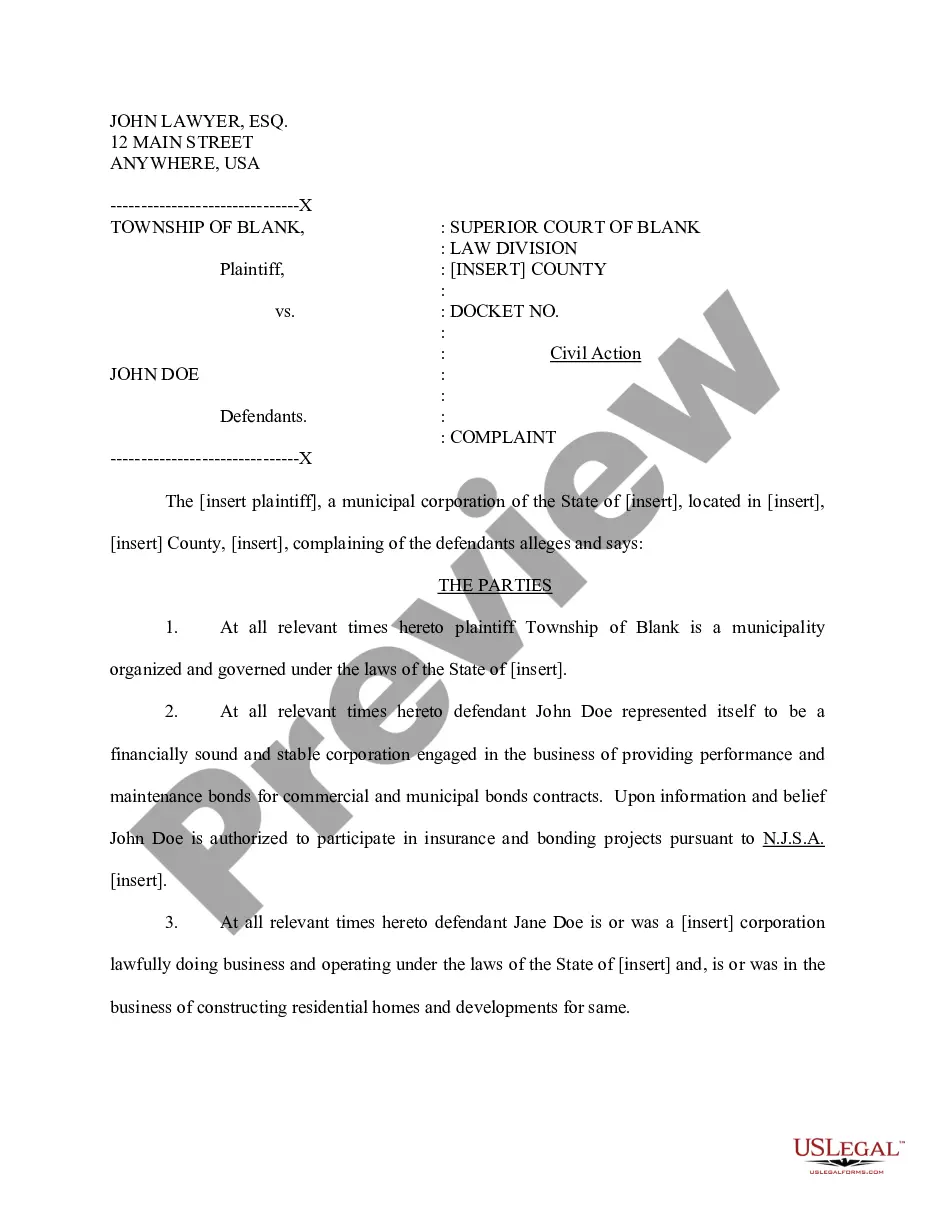
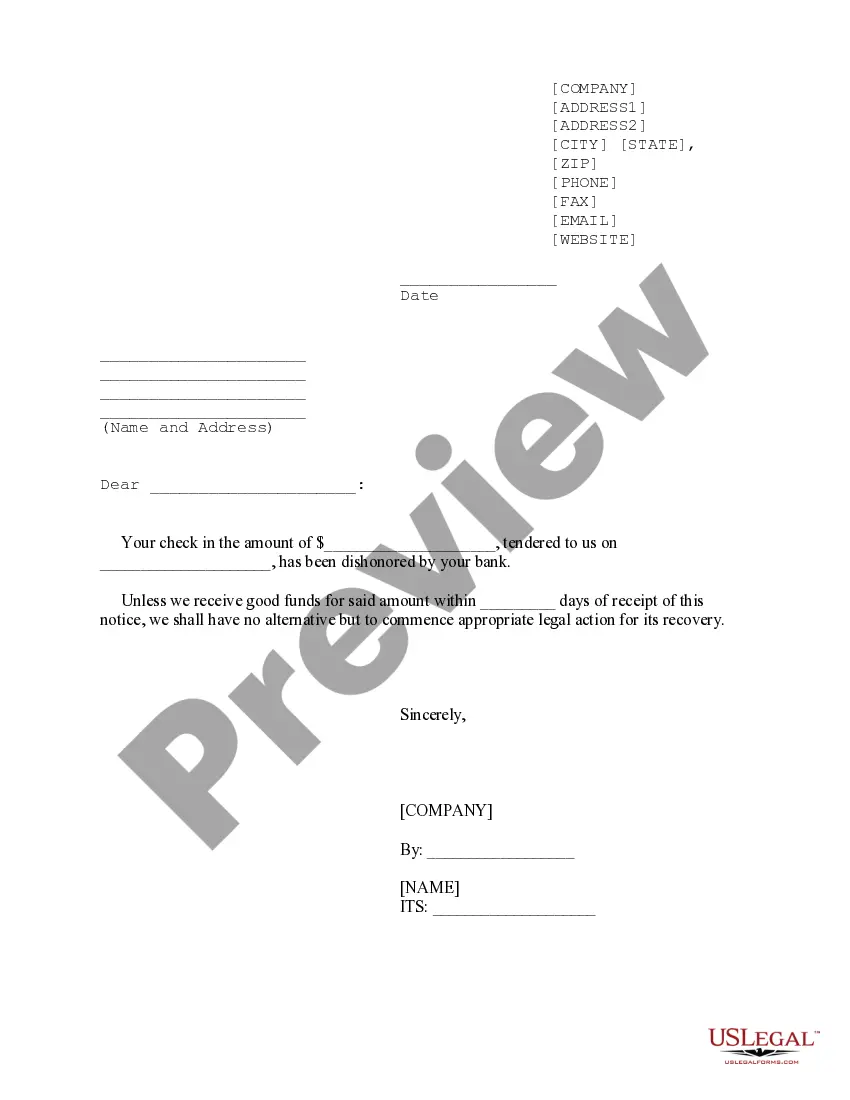
Form popularity
FAQ
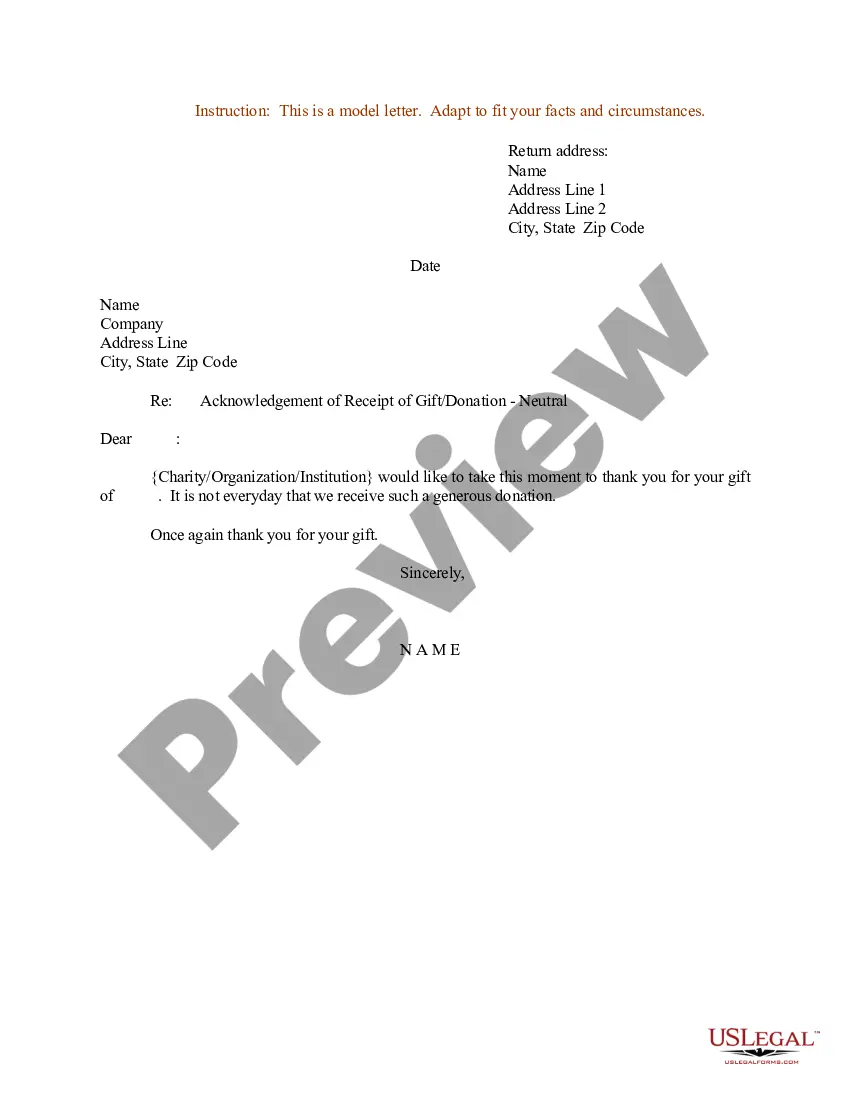
A donation acknowledgment letter is a type of donor letter that you send to donors to document their charitable gifts and donations. Sometimes your donation receipt functions as a donor acknowledgement. However, that's not always the case.
A donation acknowledgment letter (sometimes called a donation receipt or thank-you letter) is an email or paper that recognizes a charitable contribution. At a bare minimum, it's a confirmation receipt to your donors acknowledging you've received their donation.
1. The Basic Donation Letter Format Salutation. Greet your potential donor with a friendly opening, and personalize it with their name whenever possible. Explanation of your mission. Your project, event, or needs. Compelling details. A specific request. A call-to-action.
A Massachusetts partnership return, Form 3, must be filed if the partnership: ◗ Has a usual place of business in Massachusetts; ◗ Receives federal gross income of more than $100 during the taxable year that is subject to Massachusetts taxation jurisdiction under the U.S. Constitution.
If you're a full-year resident with an annual Massachusetts gross income of more than $8,000, you must file a Massachusetts tax return. If you're a part-year resident with an annual Massachusetts gross income of more than $8,000, you must file a Massachusetts tax return.
At least 51% of the organization's Board of Directors and Voting Membership must be either women, veterans, and/or members of one of our statutorily defined minority groups. The same Board of Directors and Voting Membership must control the NPO's daily and long-term operations.
Step-by-Step Guide Step 1 Go to the Tax Exempt Organization Search page on the IRS website. Step 2 Choose to search by your organization's name. Step 3 Enter the name of the organization as your search term. Step 4 Click the Search button.
If the organization has gross support and revenue that is more than $1,000,000 in the fiscal year, the financial statements must be prepared in ance with generally accepted accounting principles (GAAP) and audited in ance with generally accepted auditing standards for not-for-profit or governmental ...
Who must file a form PC? Every public charity organized or operating in Massachusetts or soliciting funds in Massachusetts must file a Form PC, except organizations which hold property for religious purposes or certain federally chartered organizations.
Massachusetts Exempts the Following from Charitable Solicitation Registration: Less than $5,000 nationwide contributions per year. Less than 10 contributors. Religious organizations.