Donation Letter For Death In Hennepin
Description



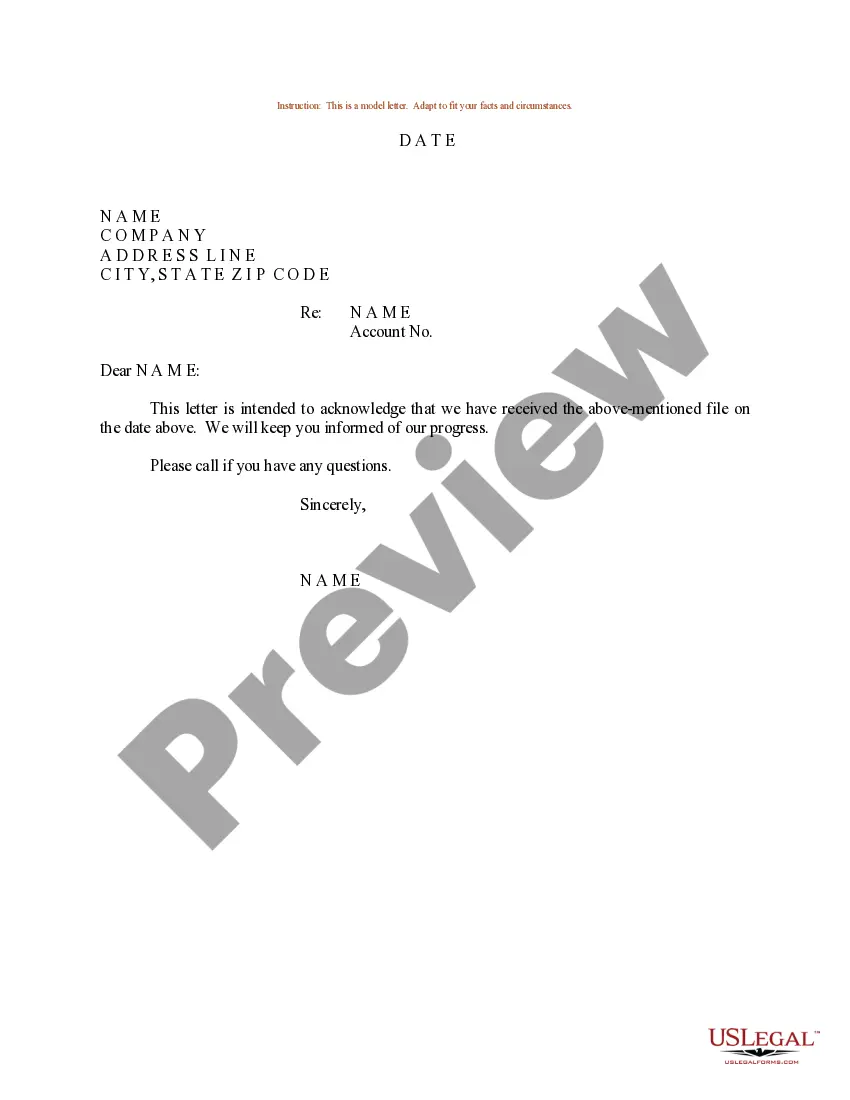
Get your form ready online
Our built-in tools help you complete, sign, share, and store your documents in one place.
Make edits, fill in missing information, and update formatting in US Legal Forms—just like you would in MS Word.
Download a copy, print it, send it by email, or mail it via USPS—whatever works best for your next step.
Sign and collect signatures with our SignNow integration. Send to multiple recipients, set reminders, and more. Go Premium to unlock E-Sign.
If this form requires notarization, complete it online through a secure video call—no need to meet a notary in person or wait for an appointment.
We protect your documents and personal data by following strict security and privacy standards.

Make edits, fill in missing information, and update formatting in US Legal Forms—just like you would in MS Word.

Download a copy, print it, send it by email, or mail it via USPS—whatever works best for your next step.

Sign and collect signatures with our SignNow integration. Send to multiple recipients, set reminders, and more. Go Premium to unlock E-Sign.

If this form requires notarization, complete it online through a secure video call—no need to meet a notary in person or wait for an appointment.

We protect your documents and personal data by following strict security and privacy standards.
Looking for another form?










Form popularity
FAQ
Other ways to ask for donations for funeral costs Placing a personal donation request with friends and family through phone calls or emails. Approaching local community support centers and charitable organizations. Making use of any assistance programs your workplace may offer.
It is an estate planning tool called a Transfer on Death Deed (TODD). It is like the "payable on death" (POD) designation on a bank account. The beneficiary (new owner) takes ownership of the property when the current owner dies. They have no rights or control of the property until the owner dies.
A transfer on death deed (TODD) is accepted for filing as a memorial and does not transfer any interest in the property until all grantor owners are deceased. When all grantor owners are deceased, obtain and complete the necessary documents and record the documents with the Registrar of Titles.
If you're thinking about ways to keep your home out of probate, and TOD deeds are an available option in your state, they are well worth considering. Unless you have a complex situation or have specific concerns, you likely won't need a lawyer to create a TOD deed.
To request funeral assistance, you must first apply to FEMA at 800-621-3362, DisasterAssistance, visit a Disaster Recovery Center or FEMA mobile app.
Minnesota law specifies who may obtain birth and death records. If a birth record is public (see details below), anyone may buy a noncertified (informational only) birth record. All Minnesota death records are public, so anyone may buy a noncertified (informational only) death record.
The medical examiner shall conduct an autopsy in the case of any human death reported to the medical examiner by the state fire marshal or a chief officer under section 299F.
Generally the entire death certificate process takes approximately three weeks. An Anatomy Bequest Program staff member will contact you when the certified death certificate is available to be purchased via the Minnesota Department of Health.
mortem will be carried out as soon as possible, usually within 2 to 3 working days of a person's death. In some cases, it may be possible for it to take place within 24 hours. Depending upon when the examination is due to take place, you may be able to see the body before the postmortem is carried out.
The autopsy and other tests rarely delay the release of the body to next-of-kin. Every attempt is made to complete autopsy reports within two months. Complex cases involving more specialized testing or laboratory studies may delay the report completion beyond the standard timeframe. Is an autopsy required?
