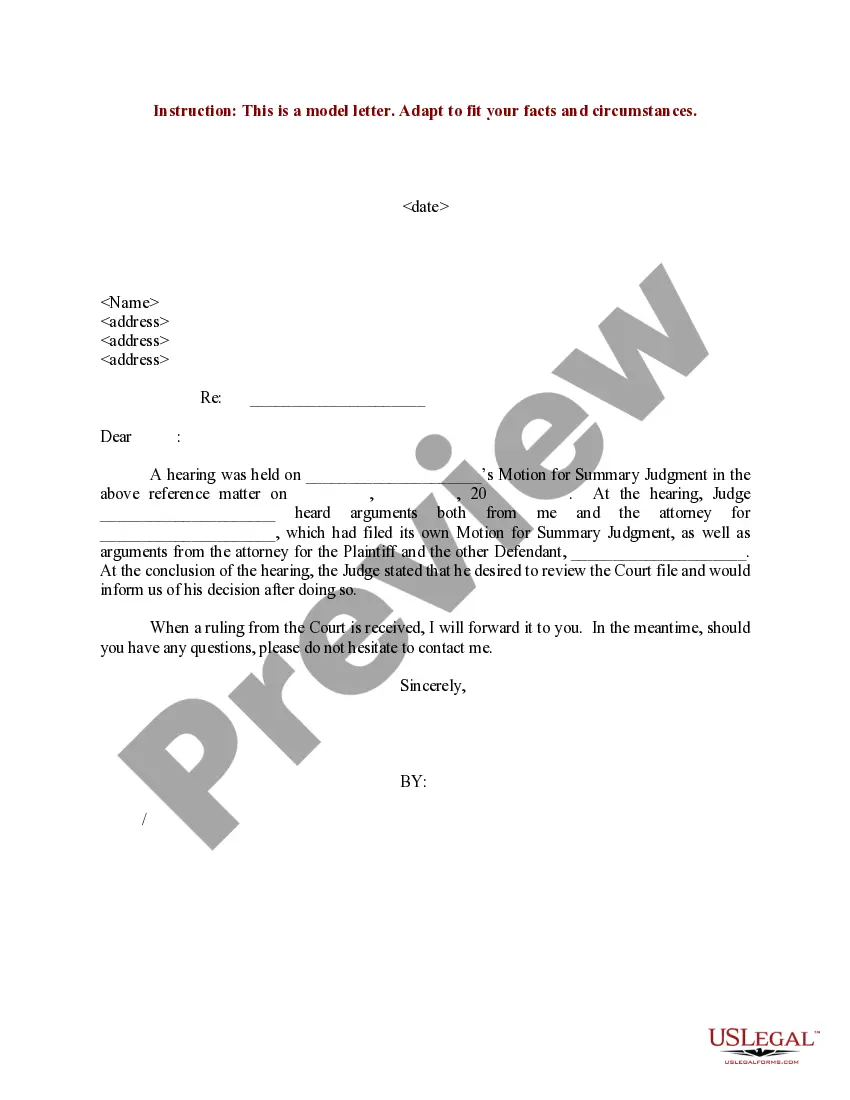
Acknowledgements Page Example In Georgia
Description



Get your form ready online
Our built-in tools help you complete, sign, share, and store your documents in one place.
Make edits, fill in missing information, and update formatting in US Legal Forms—just like you would in MS Word.
Download a copy, print it, send it by email, or mail it via USPS—whatever works best for your next step.
Sign and collect signatures with our SignNow integration. Send to multiple recipients, set reminders, and more. Go Premium to unlock E-Sign.
If this form requires notarization, complete it online through a secure video call—no need to meet a notary in person or wait for an appointment.
We protect your documents and personal data by following strict security and privacy standards.

Make edits, fill in missing information, and update formatting in US Legal Forms—just like you would in MS Word.

Download a copy, print it, send it by email, or mail it via USPS—whatever works best for your next step.

Sign and collect signatures with our SignNow integration. Send to multiple recipients, set reminders, and more. Go Premium to unlock E-Sign.

If this form requires notarization, complete it online through a secure video call—no need to meet a notary in person or wait for an appointment.

We protect your documents and personal data by following strict security and privacy standards.
Looking for another form?








Form popularity
FAQ
All affidavits, petitions, answers, defenses, or other proceedings required to be verified or sworn to under oath shall be held to be sufficient when the same are sworn to before any notary public, magistrate, judge of any court, or any other officer of the state or county where the oath is made who is authorized by ...
A notary and an affidavit are not the same things, but an affidavit must be notarized by an actively commissioned notary public to be legally permissible. An affidavit is a sworn statement provided that must is then notarized to ensure it meets the requirements of the state in which the proceedings take place.
Now what do you fill in fill in the venue or county where you are notarizing the date you notarized.MoreNow what do you fill in fill in the venue or county where you are notarizing the date you notarized. Your name and title of office notary. Public next you fill in the name of your signer appearing.
Acknowledgement forms help companies to keep track of the employees who have received and understood policies, both when they are first hired and as policies evolve over time. They're useful for policies in any area, but are particularly important where privacy, confidentiality, and information security are concerned.
A legal affidavit must be signed by the person making the statement to be considered legally binding. In many cases, the affiant must also sign the document in front of a witness. That witness is often the notary public, but they could be anyone willing to swear the signature is authentic.
Starting January 1, 2025, Georgia Notaries must maintain a written or electronic journal for notarizations performed at the request of a “self-filer.”
All affidavits, petitions, answers, defenses, or other proceedings required to be verified or sworn to under oath shall be held to be sufficient when the same are sworn to before any notary public, magistrate, judge of any court, or any other officer of the state or county where the oath is made who is authorized by ...
Notarization in Georgia is performed by an authorized official, such as a notary, who verifies the identity of the signer, witnesses the signature. He/she also attaches a seal to the document, attesting to its authenticity.
FALSE - A notary may never notarize when the signer is not physically present before the notary, face-to- face in the same room at the same time, even if the notary personally knows the signer and recognizes his/her signature. There are no exceptions! of a birth certificate or a deed.