Gift Letter Tax Implications In Fulton
Description



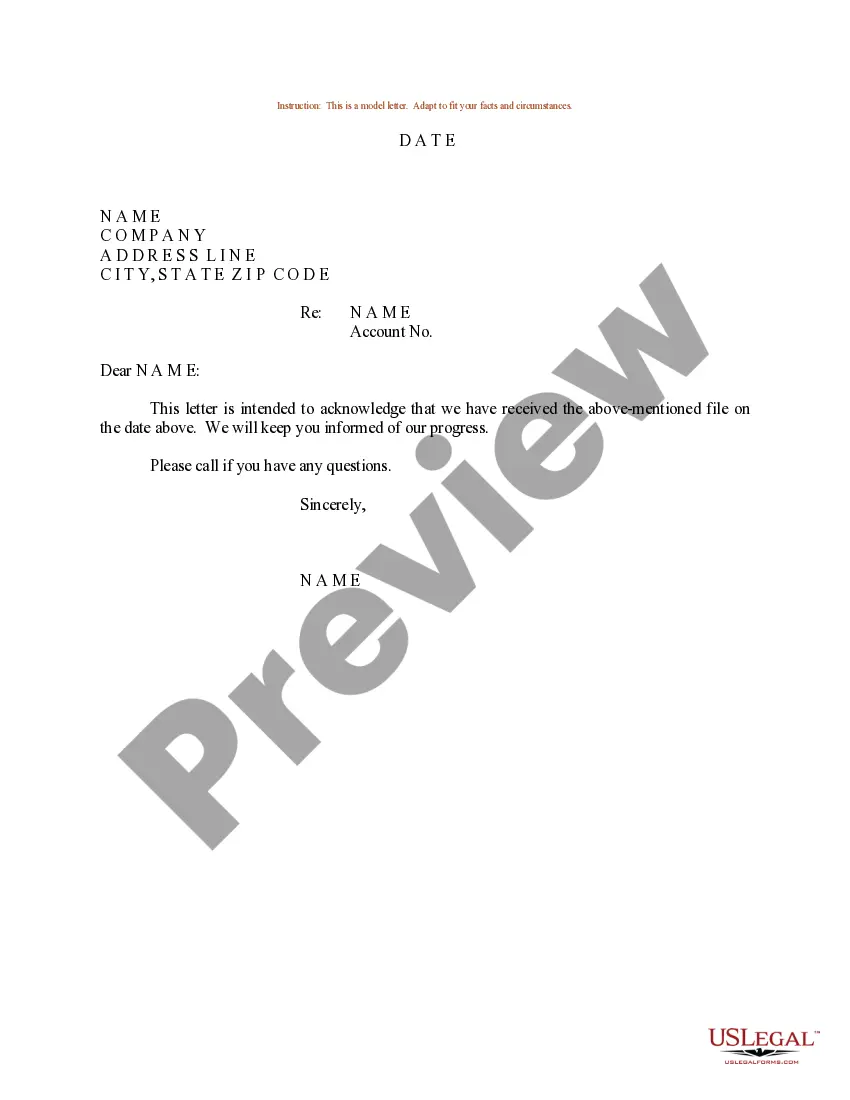
Get your form ready online
Our built-in tools help you complete, sign, share, and store your documents in one place.
Make edits, fill in missing information, and update formatting in US Legal Forms—just like you would in MS Word.
Download a copy, print it, send it by email, or mail it via USPS—whatever works best for your next step.
Sign and collect signatures with our SignNow integration. Send to multiple recipients, set reminders, and more. Go Premium to unlock E-Sign.
If this form requires notarization, complete it online through a secure video call—no need to meet a notary in person or wait for an appointment.
We protect your documents and personal data by following strict security and privacy standards.

Make edits, fill in missing information, and update formatting in US Legal Forms—just like you would in MS Word.

Download a copy, print it, send it by email, or mail it via USPS—whatever works best for your next step.

Sign and collect signatures with our SignNow integration. Send to multiple recipients, set reminders, and more. Go Premium to unlock E-Sign.

If this form requires notarization, complete it online through a secure video call—no need to meet a notary in person or wait for an appointment.

We protect your documents and personal data by following strict security and privacy standards.
Looking for another form?









Form popularity
FAQ
In general, a gift letter should include details about the donor, the recipient, the amount of the gift, and the purpose of the gift. It's also important to note that gift letters should be signed and dated by both the donor and the recipient.
You cannot e-file Form 709, United States Gift (and Generation-Skipping Transfer) Tax Return. The Instructions for Form 709 direct you to mail it to the applicable address listed below.
Share: Taxpayers use IRS Form 709 to report gifts. Filing the form with the IRS is the responsibility of the giver, but it's only required in certain gift giving situations. Take for instance the check Grandma writes for your birthday each year.
You don't have to report gifts to the IRS unless the amount exceeds $18,000 in 2024 (increasing to $19,000 in 2025).
Gifts out of income will not qualify for exemption if the transferor had to resort to capital to meet normal living expenses. HMRC will ignore gifts that are not part of the transferor's normal expenditure and test the condition as if such abnormal gifts have never been made.
Use Form 709 to report: Transfers subject to the federal gift and certain generation-skipping transfer (GST) taxes.
Making a gift or leaving your estate to your heirs does not ordinarily affect your federal income tax. You cannot deduct the value of gifts you make (other than gifts that are deductible charitable contributions).
The gift tax limit, also known as the gift tax exclusion, is $18,000 for 2024. This amount is the maximum you can give a single person without having to report it to the IRS. For married couples, the limit is $18,000 each, for a total of $36,000.

