Receipt For Donation In Franklin
Description



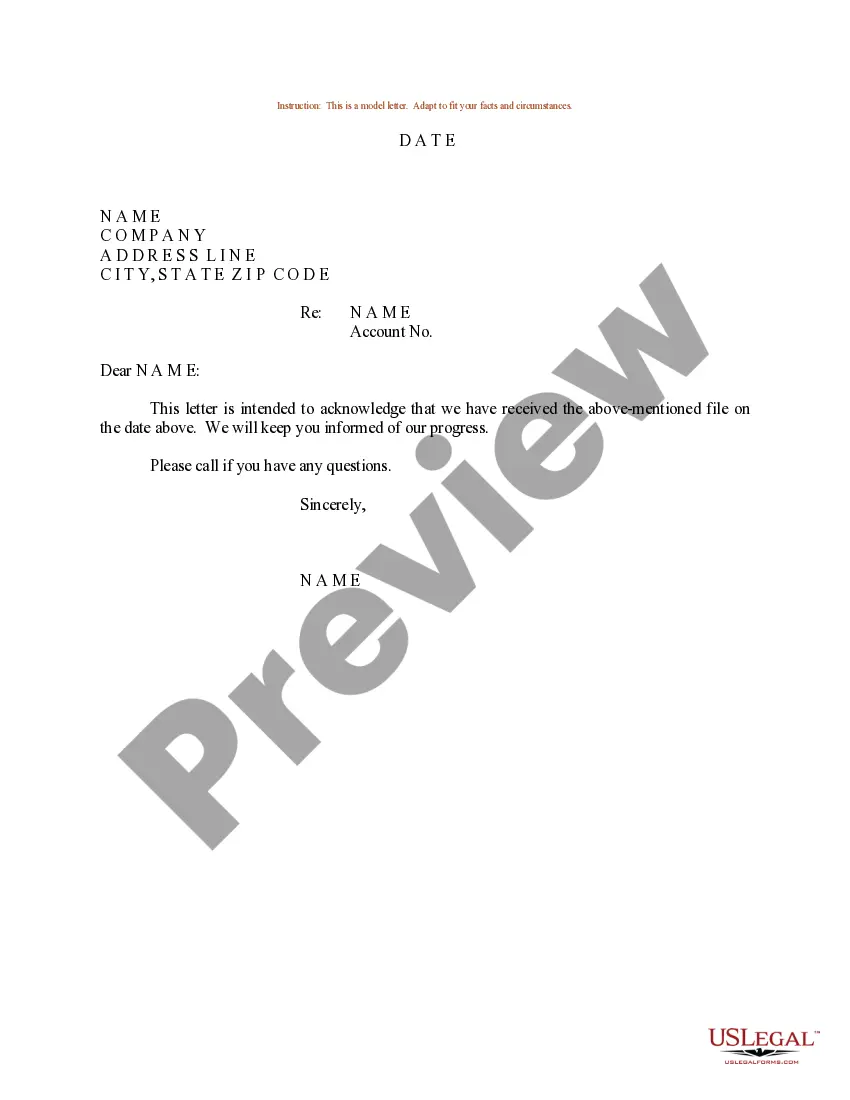
Get your form ready online
Our built-in tools help you complete, sign, share, and store your documents in one place.
Make edits, fill in missing information, and update formatting in US Legal Forms—just like you would in MS Word.
Download a copy, print it, send it by email, or mail it via USPS—whatever works best for your next step.
Sign and collect signatures with our SignNow integration. Send to multiple recipients, set reminders, and more. Go Premium to unlock E-Sign.
If this form requires notarization, complete it online through a secure video call—no need to meet a notary in person or wait for an appointment.
We protect your documents and personal data by following strict security and privacy standards.

Make edits, fill in missing information, and update formatting in US Legal Forms—just like you would in MS Word.

Download a copy, print it, send it by email, or mail it via USPS—whatever works best for your next step.

Sign and collect signatures with our SignNow integration. Send to multiple recipients, set reminders, and more. Go Premium to unlock E-Sign.

If this form requires notarization, complete it online through a secure video call—no need to meet a notary in person or wait for an appointment.

We protect your documents and personal data by following strict security and privacy standards.
Looking for another form?







Form popularity
FAQ
Start by obtaining a donation receipt form from the Salvation Army. These forms are usually available at their donation centers or can be downloaded from their website. Provide your personal information, including your name, address, and contact details, at the top of the receipt form.
When you prepare your federal tax return, the IRS allows you to deduct the donations you make to churches. If your church operates solely for religious and educational purposes, your donation will qualify for the tax deduction.
You can qualify for taking the charitable donation deduction without a receipt; however, you should provide a bank record (like a bank statement, credit card statement, or canceled check) or a payroll deduction record to claim the tax deduction.
Broadly, you can make deductible charitable contributions up to 60% of your adjusted gross income. Beyond that, IRS rules for church donations do not offer you any further tax benefits. You will need to itemize your donations.
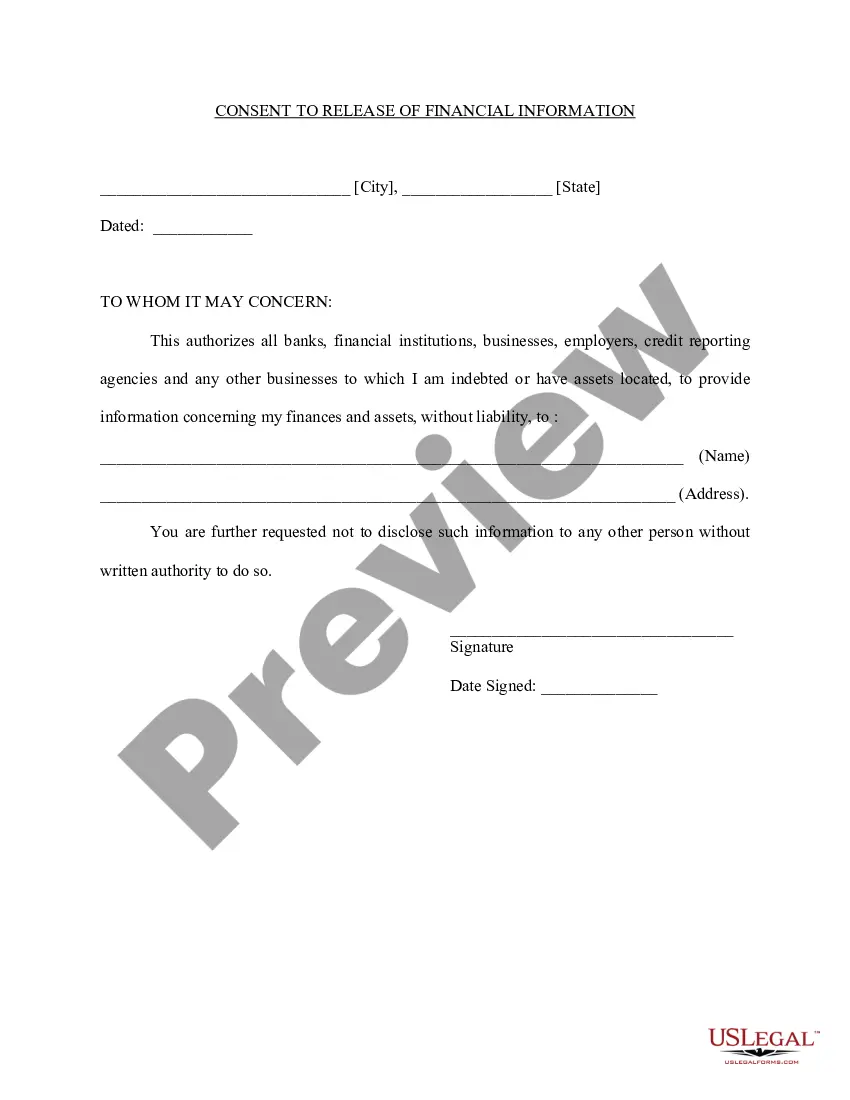
The receipt can take a variety of written forms – letters, formal receipts, postcards, computer-generated forms, etc. It's important to remember that without a written acknowledgment, the donor cannot claim the tax deduction.
Getting a receipt every time you donate strengthens your tax records if you are audited. If you make a large donation and don't have (or can't find) the receipt, the donation will almost certainly be disallowed on audit. For this reason, it's best to set up a record-keeping system at the start of each year.
Yes. The IRS may not check every donation receipt, but it's best to operate as if it does. You want to be ready if the IRS decides to check your records. Incomplete records could mean disqualification of your tax-exempt status.
Donation receipts help both you and your donors track the contributions that are made to your organization for the year. These receipts provide your organization with a clearer view of your annual fundraising efforts and help you predict next year's flow of income.
Example 2: Individual Acknowledgment Letter Hi donor name, We're super grateful for your contribution of $250 to nonprofit's name on date received. As a thank you, we sent you a T-shirt with an estimated fair market value of $25 in exchange for your contribution.
