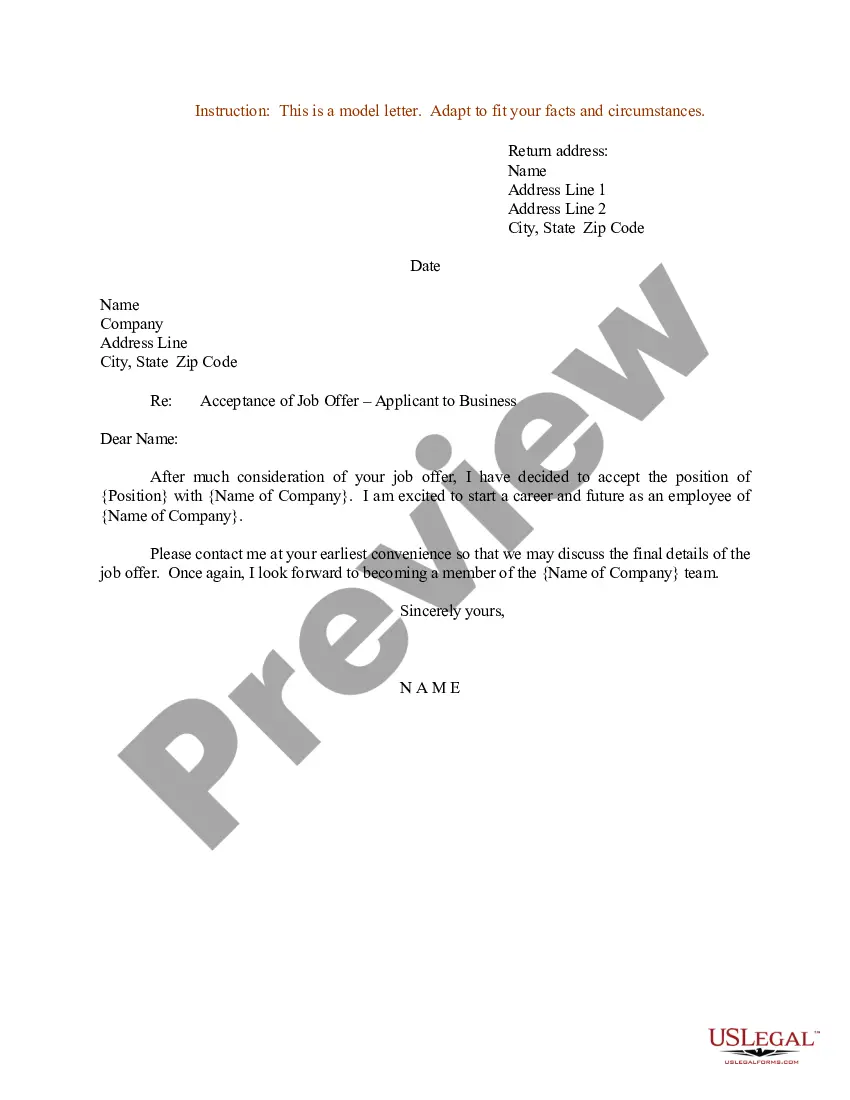
Letter Donation Form With Tax Id In Franklin
Description



Get your form ready online
Our built-in tools help you complete, sign, share, and store your documents in one place.
Make edits, fill in missing information, and update formatting in US Legal Forms—just like you would in MS Word.
Download a copy, print it, send it by email, or mail it via USPS—whatever works best for your next step.
Sign and collect signatures with our SignNow integration. Send to multiple recipients, set reminders, and more. Go Premium to unlock E-Sign.
If this form requires notarization, complete it online through a secure video call—no need to meet a notary in person or wait for an appointment.
We protect your documents and personal data by following strict security and privacy standards.

Make edits, fill in missing information, and update formatting in US Legal Forms—just like you would in MS Word.

Download a copy, print it, send it by email, or mail it via USPS—whatever works best for your next step.

Sign and collect signatures with our SignNow integration. Send to multiple recipients, set reminders, and more. Go Premium to unlock E-Sign.

If this form requires notarization, complete it online through a secure video call—no need to meet a notary in person or wait for an appointment.

We protect your documents and personal data by following strict security and privacy standards.
Looking for another form?









Form popularity
FAQ
How to Write a Gift Acknowledgment Letter State the purpose of your letter. Start your gift acknowledgment letter with a confirmation of the donation. Make your letter visually engaging. Personalize your note. Explain the impact of the gift. Express heartfelt gratitude. Invite supporters to stay involved.
Each letter should include the following information: The donor's name. The full legal name of your organization. A declaration of your organization's tax-exempt status. Your organization's employer identification number. The date the gift was received. A description of the gift and the amount received.
How do you write a fundraising letter? Key steps Start with a personalized greeting. Explain your mission. Describe your current initiative. Outline your project's needs and what you hope to accomplish. Add meaningful photographs or infographics. Show the tangible impact associated with specific donation amounts.
How do I personalise our thank-you message? Log in to your charity account. Go to the Branding tab. Click on Thank-you messages. Create your thank-you message.
ByStep Guide: Greet the Donor. Write to the donor or organization, not the selection committee. Express Your Gratitude. Write sincerely with an active voice. Demonstrate the Impact. Look Forward. Grace...Thank Again. Signing Off.
I am very grateful for the numerous financial contributions you have made in support of my education. Without your help, I may never have been able to complete my studies. Your generosity and help have been an inspiration to me. Again, thank you for your encouragement and financial support.
Donation receipts, or donation tax receipts, provide official documentation of a gift made by a donor. Often written in the form of an acknowledgment letter, they let the donor know that their donation has been received and allow the nonprofit to express its gratitude.
What Your Donation Letter Should Say Header: Include your nonprofit's name and branded logo if you have one. Nonprofit Contact Information: Include your physical address and phone number. Date: Include the date when you plan to mail/email the letter. Donor Salutation: Address your donor by their preferred name.
Individuals, partnerships, and corporations file Form 8283 to report information about noncash charitable contributions when the amount of their deduction for all noncash gifts is more than $500.
As mentioned above, to claim a charitable donation, you need to itemize your deductions using Form 1040, Schedule A as part of your tax preparation. Schedule A reports your itemized deductions, including charitable contributions. Fill out this form carefully to ensure accurate information about your donations.