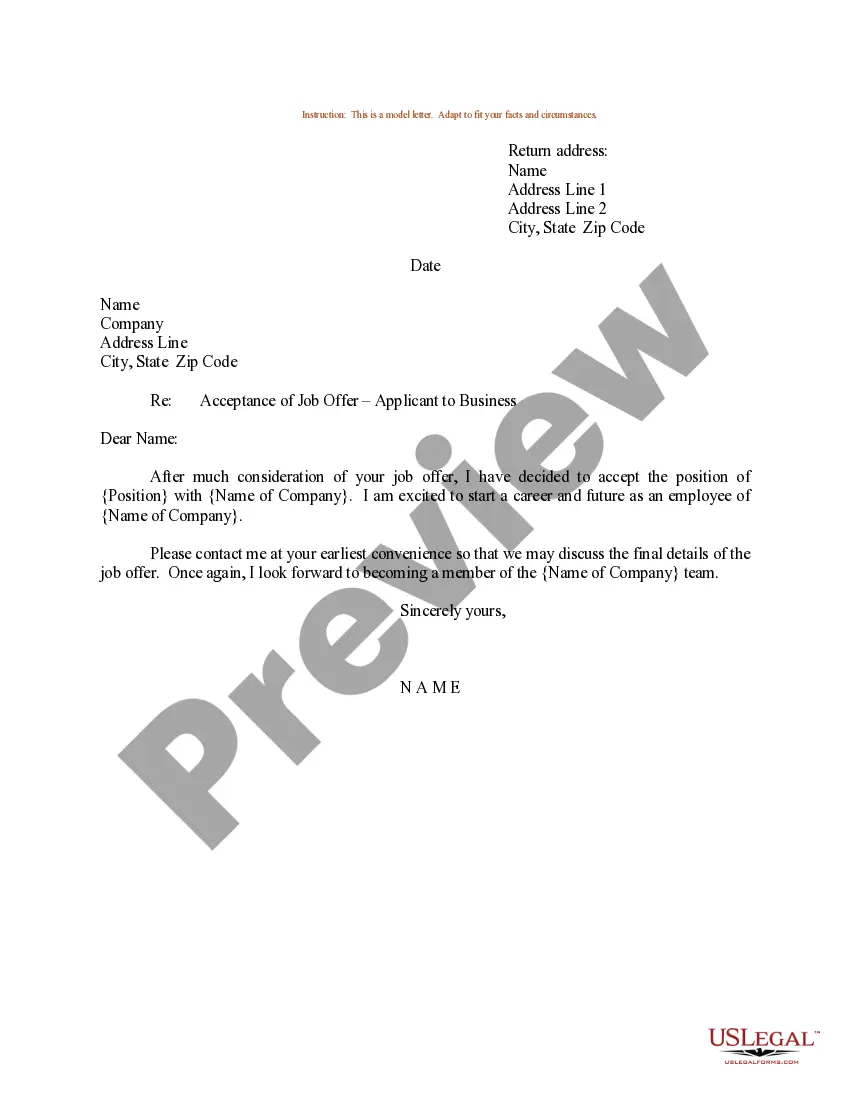
Letter Donation Form With Signature In Franklin
Description




Get your form ready online
Our built-in tools help you complete, sign, share, and store your documents in one place.
Make edits, fill in missing information, and update formatting in US Legal Forms—just like you would in MS Word.
Download a copy, print it, send it by email, or mail it via USPS—whatever works best for your next step.
Sign and collect signatures with our SignNow integration. Send to multiple recipients, set reminders, and more. Go Premium to unlock E-Sign.
If this form requires notarization, complete it online through a secure video call—no need to meet a notary in person or wait for an appointment.
We protect your documents and personal data by following strict security and privacy standards.

Make edits, fill in missing information, and update formatting in US Legal Forms—just like you would in MS Word.

Download a copy, print it, send it by email, or mail it via USPS—whatever works best for your next step.

Sign and collect signatures with our SignNow integration. Send to multiple recipients, set reminders, and more. Go Premium to unlock E-Sign.

If this form requires notarization, complete it online through a secure video call—no need to meet a notary in person or wait for an appointment.

We protect your documents and personal data by following strict security and privacy standards.
Looking for another form?




Form popularity
FAQ
The total minimum investment amount is $1,000 per fund unless the account(s) will be funded by Automatic Investment Plan.
The fund's risk compared to that of other funds in this category is considered high by Morningstar for the trailing three-, five- and 10-year periods. The level of return is average for the trailing three years and above average for the trailing five- and 10-year periods compared to its peers.
What is the minimum investment to open a plan? You can open a Franklin Templeton 529 College Savings Plan with as little as $25 when setting up recurring contributions.
Once a donation of stock has been received, a thank you letter should be sent to the donor. This letter should acknowledge the gift of stock, such as the name and number of shares. It should not list the value of the stock received since the organization is not in the business of valuing stock.
A donation acknowledgment letter is a type of donor letter that you send to donors to document their charitable gifts and donations. Sometimes your donation receipt functions as a donor acknowledgement. However, that's not always the case.
Signature. Your donor acknowledgment letters should be signed by an important member of your nonprofit. This can be the development director or even the executive director. It might change depending on if someone in the organization has a stronger relationship with any particular donor.
The name of the nonprofit or charity (plus the gift officer's name and title, if applicable) The date that the donation was made. The donation amount. A signature from the nonprofit or charity that verifies the invoice.
Whenever possible, personalize solicitation letters. It makes matching letter to envelopes a painstaking—but worthwhile—extra effort. If a generic salutation cannot be avoided, opt for “Dear Friend” or another appropriate generic format—never refer to a constituent as “Dear Non Donor” or “Past Donor.”
Always end your letter with a thank you and a call-to-action. Thanking someone in advance for their generosity, as well as for their consideration for your cause, is good form. It shows the potential donor that their time has been appreciated and that your team understands that they are very busy.
Donor Salutation: Address your donor by their preferred name. Decide whether you prefer a formal salutation such as “Dear Mr. and Mrs. Richard Smith,” or a more informal one like “Hi Rick.”