Acknowledgements Sample For Research Paper In Franklin
Description



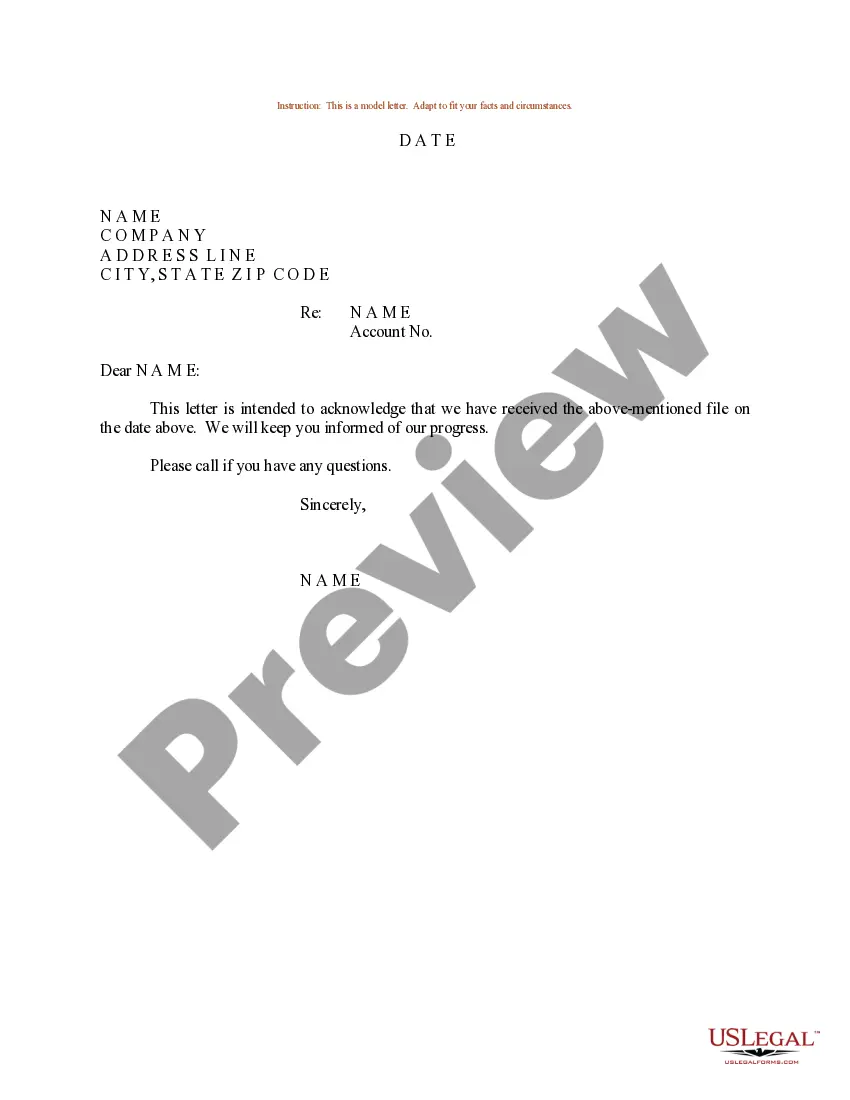
Get your form ready online
Our built-in tools help you complete, sign, share, and store your documents in one place.
Make edits, fill in missing information, and update formatting in US Legal Forms—just like you would in MS Word.
Download a copy, print it, send it by email, or mail it via USPS—whatever works best for your next step.
Sign and collect signatures with our SignNow integration. Send to multiple recipients, set reminders, and more. Go Premium to unlock E-Sign.
If this form requires notarization, complete it online through a secure video call—no need to meet a notary in person or wait for an appointment.
We protect your documents and personal data by following strict security and privacy standards.

Make edits, fill in missing information, and update formatting in US Legal Forms—just like you would in MS Word.

Download a copy, print it, send it by email, or mail it via USPS—whatever works best for your next step.

Sign and collect signatures with our SignNow integration. Send to multiple recipients, set reminders, and more. Go Premium to unlock E-Sign.

If this form requires notarization, complete it online through a secure video call—no need to meet a notary in person or wait for an appointment.

We protect your documents and personal data by following strict security and privacy standards.
Looking for another form?



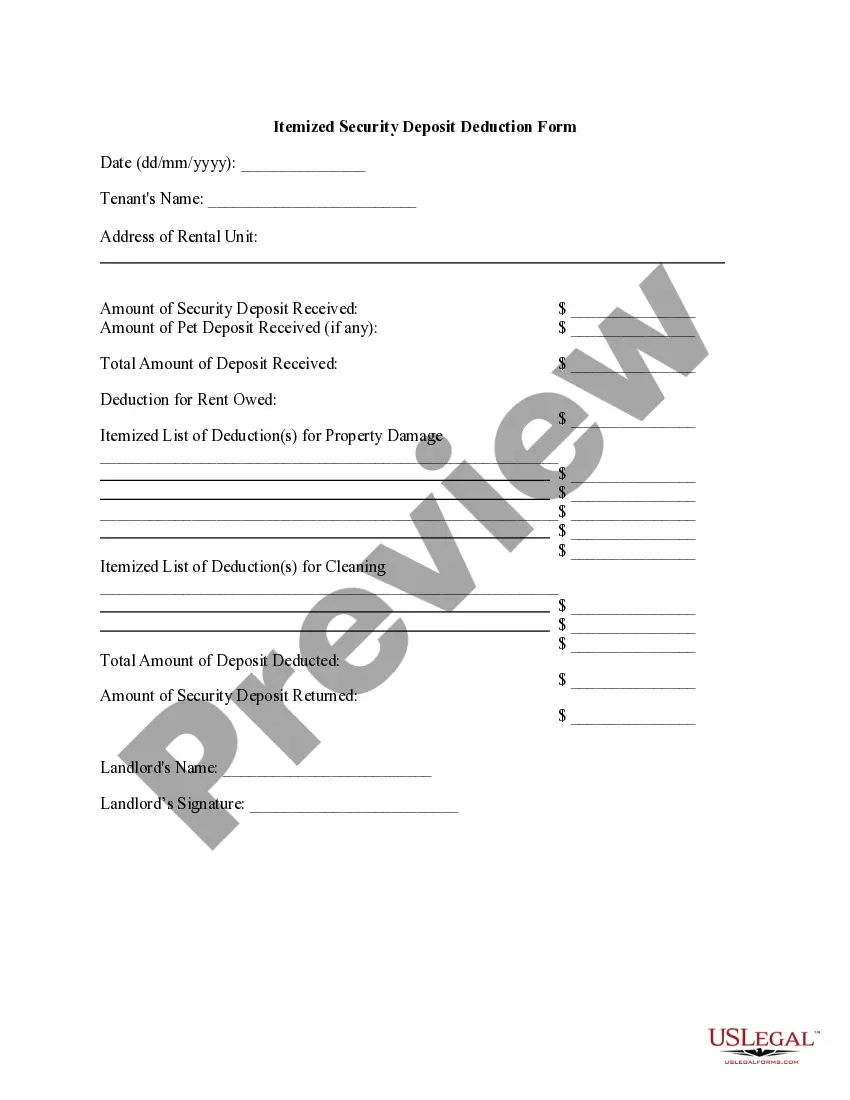




Form popularity
FAQ
I would like to acknowledge and thank my school division for allowing me to conduct my research and providing any assistance requested. Special thanks goes to the members of staff development and human resources department for their continued support.
In academic work, we acknowledge sources in written work by referencing the source in two areas: 1. in the body of the text, through in-text Citations, footnotes (placed at the bottom of a page), or endnotes (placed at the end of a chapter or report, but before the reference list); and 2.
In academic work, we acknowledge sources in written work by referencing the source in two areas: 1. in the body of the text, through in-text Citations, footnotes (placed at the bottom of a page), or endnotes (placed at the end of a chapter or report, but before the reference list); and 2.
The author of the idea you are using, and b. the source you have found it in. For example: (Wilson 1989, cited in Smith 19). However, your bibliography should only give details of the source that you found it in (in this case, Smith 1995).
Acknowledgements dos and don'ts Write in first-person, professional language. Thank your professional contacts first. Include full names, titles, and roles of professional acknowledgements. Include personal or intangible supporters, like friends, family, or even pets. Mention funding bodies and what they funded.
Generally, you should include the name of the data source, author or organization, date of publication or access, and URL or DOI. Additionally, use a consistent and appropriate citation style such as APA, MLA, or Chicago.
Do: Write in first-person, professional language. Thank your professional contacts first. Include full names, titles, and roles of professional acknowledgements. Include personal or intangible supporters, like friends, family, or even pets. Mention funding bodies and what they funded.
I'm extremely grateful to (Something—my success, the completion of my dissertation) would not have been possible without the support and nurturing of (person). I cannot begin to express my thanks to …., who …. Less strong, but very appreciative: I would like to extend my sincere thanks to …/ I must also thank …
I'm extremely grateful to (Something—my success, the completion of my dissertation) would not have been possible without the support and nurturing of (person). I cannot begin to express my thanks to …., who …. Less strong, but very appreciative: I would like to extend my sincere thanks to …/ I must also thank …
Acknowledgements — A professional tribute to a person or people who helped you with the thesis. Example: "I wish to thank my thesis advisor for the hours of help in the lab making sure the experiments were set up properly and guiding me through the thesis process."

