Gift Letter Form With Spouse In Florida
Description



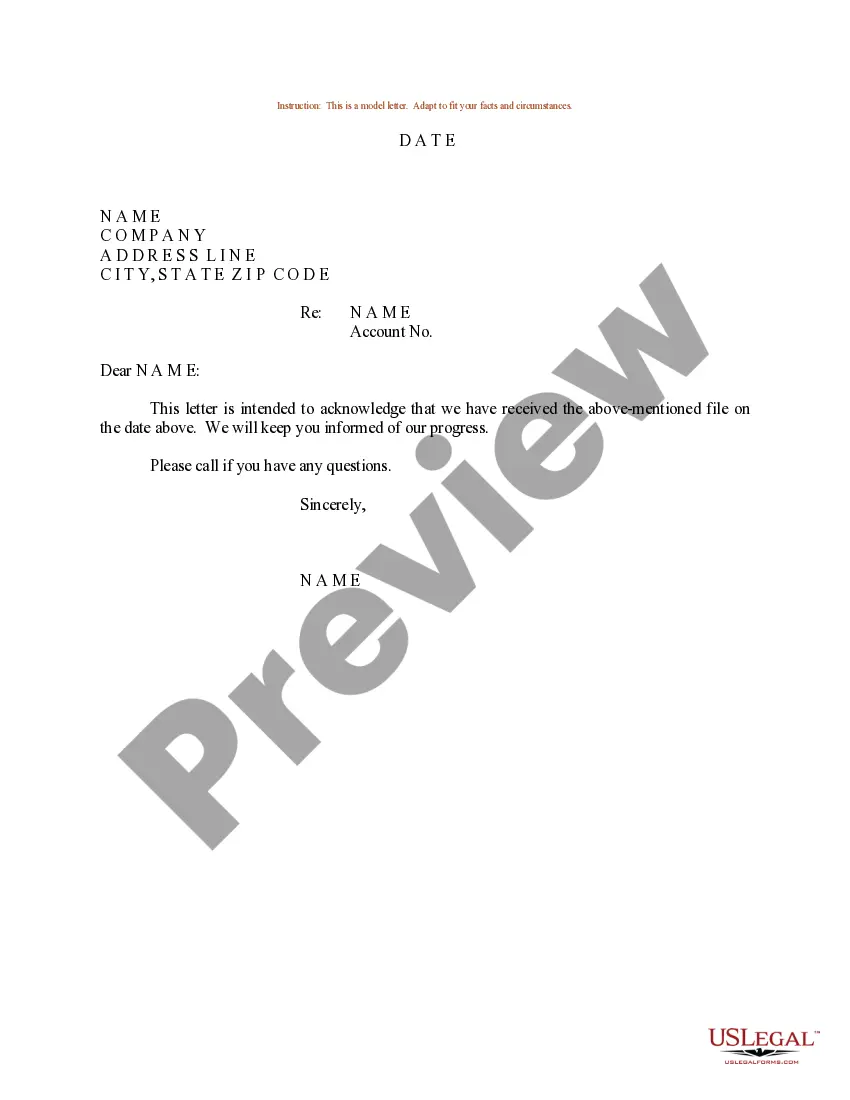
Get your form ready online
Our built-in tools help you complete, sign, share, and store your documents in one place.
Make edits, fill in missing information, and update formatting in US Legal Forms—just like you would in MS Word.
Download a copy, print it, send it by email, or mail it via USPS—whatever works best for your next step.
Sign and collect signatures with our SignNow integration. Send to multiple recipients, set reminders, and more. Go Premium to unlock E-Sign.
If this form requires notarization, complete it online through a secure video call—no need to meet a notary in person or wait for an appointment.
We protect your documents and personal data by following strict security and privacy standards.

Make edits, fill in missing information, and update formatting in US Legal Forms—just like you would in MS Word.

Download a copy, print it, send it by email, or mail it via USPS—whatever works best for your next step.

Sign and collect signatures with our SignNow integration. Send to multiple recipients, set reminders, and more. Go Premium to unlock E-Sign.

If this form requires notarization, complete it online through a secure video call—no need to meet a notary in person or wait for an appointment.

We protect your documents and personal data by following strict security and privacy standards.
Looking for another form?








Form popularity
FAQ
At minimum, a gift letter should include: The giver's name and relationship to the borrower. The dollar amount of the gifted funds. The source of the gifted funds, such as an account number and statements.
The gift letter must: specify the actual or the maximum dollar amount of the gift; include the donor's statement that no repayment is expected; and. indicate the donor's name, address, telephone number, and relationship to the borrower.
In general, the person giving the gift must write and sign the gift letter. Ideally, they should provide the gift letter at the time of the gift, but this doesn't always happen and the letter may be written and signed at a later date.
They are legally binding — While giving a family member a financial gift may not feel like a big deal to some people, gift letters are not only a formality. They are a legally binding document that both parties must sign.
Your lender may provide you with a gift letter template. If that's the case, you can simply pass it along to the gift giver and have them fill it out. If the lender doesn't provide you with a gift letter template, be sure to verify the gift letter requirements.
A gift can be provided by: a relative, defined as the borrower's spouse, child, or other dependent, or by any other individual who is related to the borrower by blood, marriage, adoption, or legal guardianship; or.
(Date) Dear (Donor): I have received your "Offer of Gift," dated ___________________, by which you, on behalf of the (Name of Company), offered to convey (Description of Property) to the United States of America as a gift. I accept with pleasure your gift and conveyance of the (Property), pursuant to 10 U.S.C. 2601.
