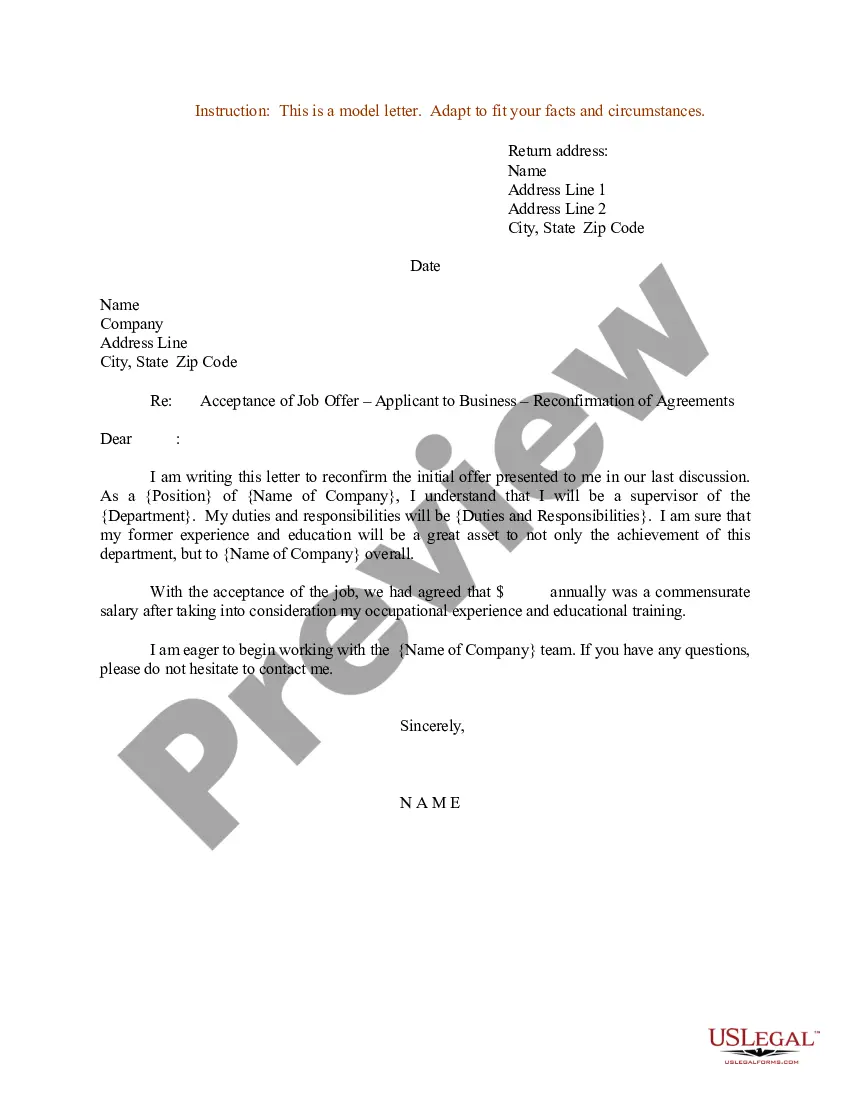
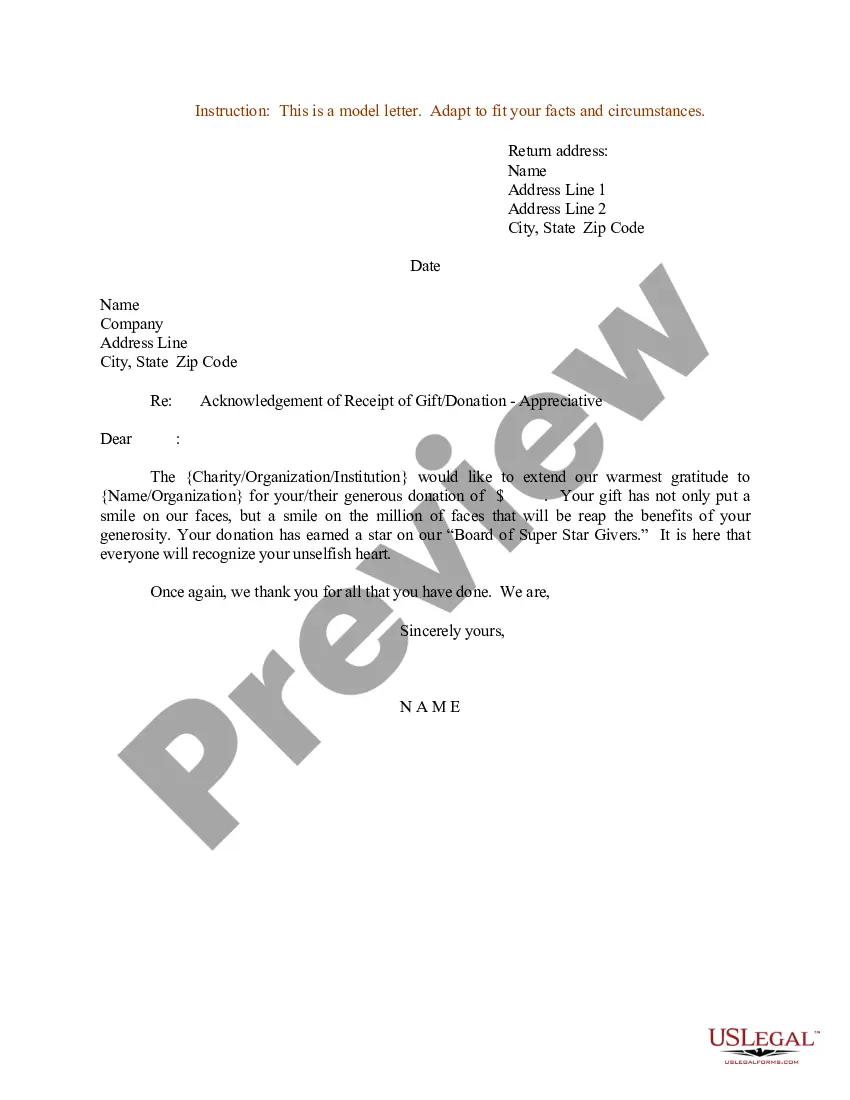
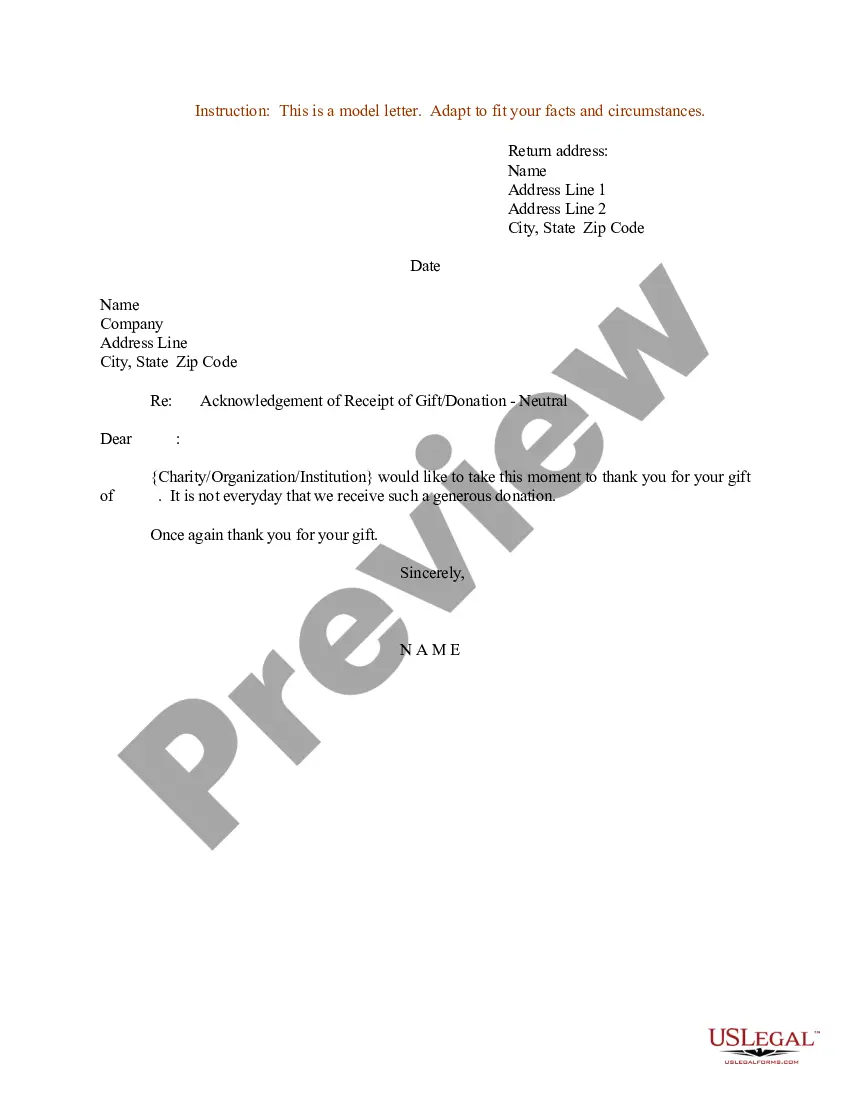
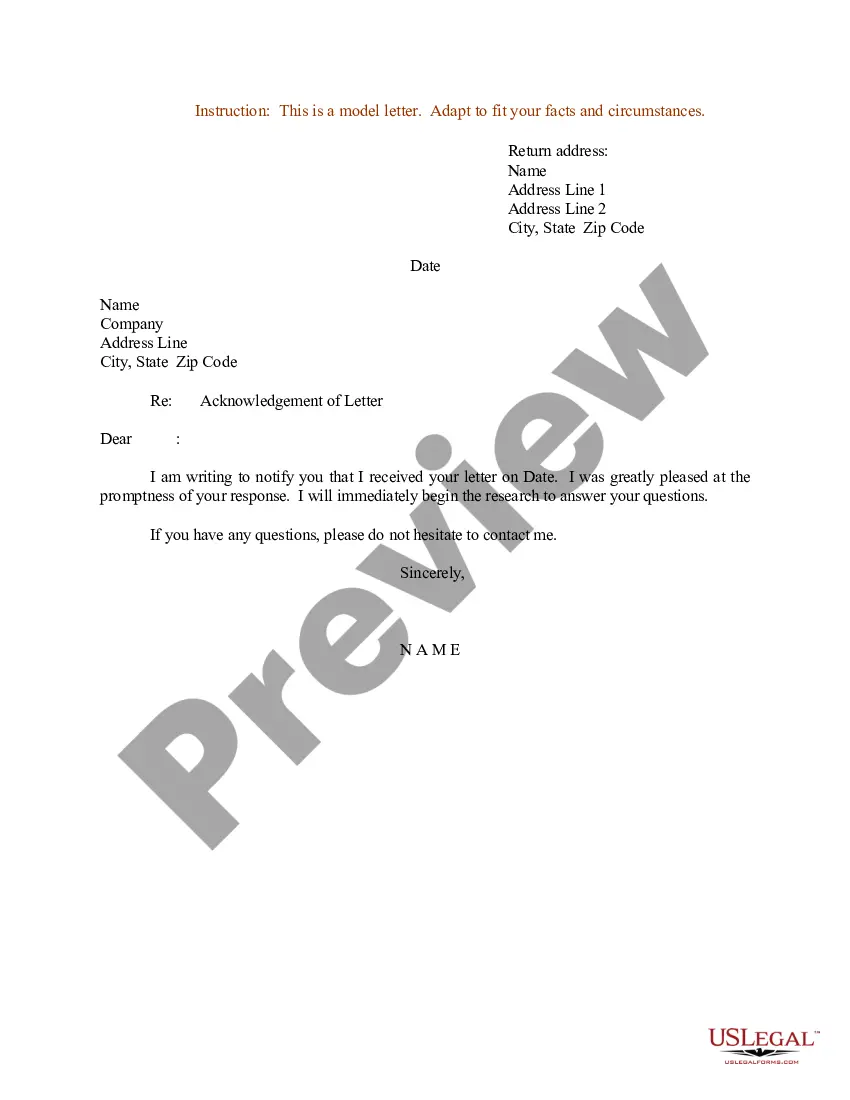
Letter Donation Form Sample With Non-profit Organization In Cuyahoga
Description
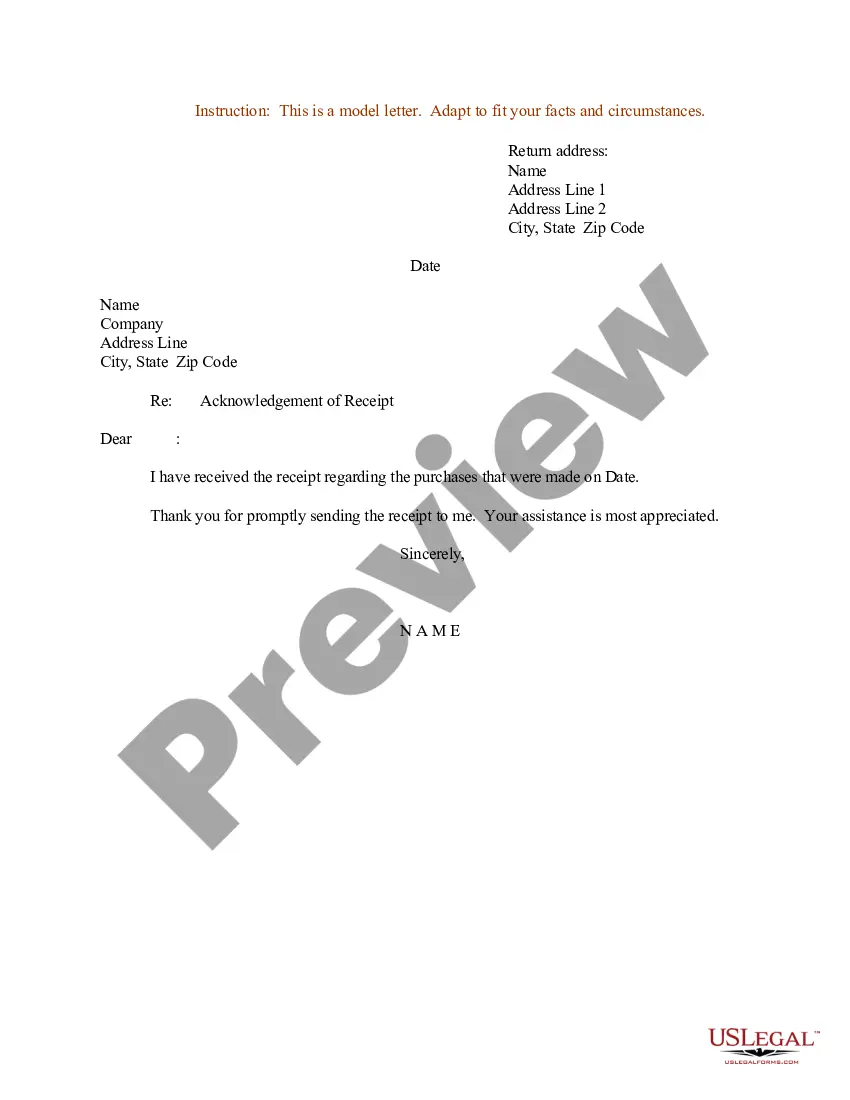
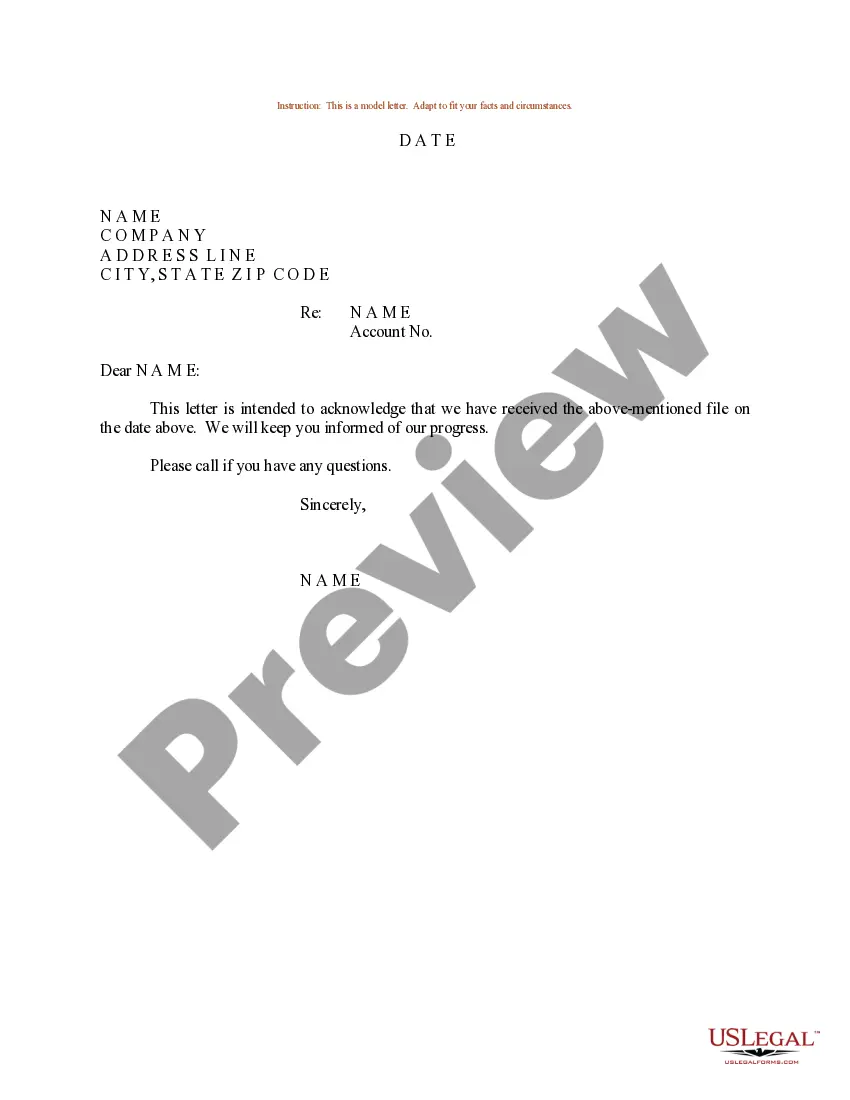
Get your form ready online
Our built-in tools help you complete, sign, share, and store your documents in one place.
Make edits, fill in missing information, and update formatting in US Legal Forms—just like you would in MS Word.
Download a copy, print it, send it by email, or mail it via USPS—whatever works best for your next step.
Sign and collect signatures with our SignNow integration. Send to multiple recipients, set reminders, and more. Go Premium to unlock E-Sign.
If this form requires notarization, complete it online through a secure video call—no need to meet a notary in person or wait for an appointment.
We protect your documents and personal data by following strict security and privacy standards.

Make edits, fill in missing information, and update formatting in US Legal Forms—just like you would in MS Word.

Download a copy, print it, send it by email, or mail it via USPS—whatever works best for your next step.

Sign and collect signatures with our SignNow integration. Send to multiple recipients, set reminders, and more. Go Premium to unlock E-Sign.

If this form requires notarization, complete it online through a secure video call—no need to meet a notary in person or wait for an appointment.

We protect your documents and personal data by following strict security and privacy standards.
Looking for another form?
Form popularity
FAQ
Start with a clear statement of purpose. Explain the specific need or cause you are fundraising for, and why it is important. Share personal stories or anecdotes that illustrate the impact the donations will have. Quantify the need and how the donations will be used. Convey gratitude and appreciation for any
A donation acknowledgment letter is a type of donor letter that you send to donors to document their charitable gifts and donations. Sometimes your donation receipt functions as a donor acknowledgement. However, that's not always the case.
Each letter should include the following information: The donor's name. The full legal name of your organization. A declaration of your organization's tax-exempt status. Your organization's employer identification number. The date the gift was received. A description of the gift and the amount received.
A donation acknowledgment letter (sometimes called a donation receipt or thank-you letter) is an email or paper that recognizes a charitable contribution. At a bare minimum, it's a confirmation receipt to your donors acknowledging you've received their donation.
How do you write a fundraising letter? Key steps Start with a personalized greeting. Explain your mission. Describe your current initiative. Outline your project's needs and what you hope to accomplish. Add meaningful photographs or infographics. Show the tangible impact associated with specific donation amounts.
How to Write a Donation Request Letter Understand Your Audience. From past donors to potential ones, you likely have a wide audience that you can reach out to. Tell a Powerful Story. Make the Ask. Personalize the Letter. Format & Design. Express Gratitude. Proofread & Edit. Measure Success & Improve.
The letter of support should emphasize the writer's personal connection to the project and highlight the project's importance and potential benefits. The letter should be persuasive, clearly written, and provide examples of how the project can make a difference in people's lives.
How do you write a fundraising letter? Key steps Start with a personalized greeting. Explain your mission. Describe your current initiative. Outline your project's needs and what you hope to accomplish. Add meaningful photographs or infographics. Show the tangible impact associated with specific donation amounts.
Supporting Statement Example: I am excited to apply for the Marketing Manager position at Company Name. As a seasoned marketing professional with over 7 years of experience, I have a proven track record of developing and implementing successful marketing campaigns that drive brand awareness and increase sales.
Developing a Case for Support: 9 Steps Form a team. A small group of fundraisers or development staff should oversee the case development process. Determine your case for support guidelines. Draft your key elements. Ensure coherence. Review and revise. Test and refine. Secure buy-in. Save and share.