Directors Appointment And Removal In Massachusetts
Description

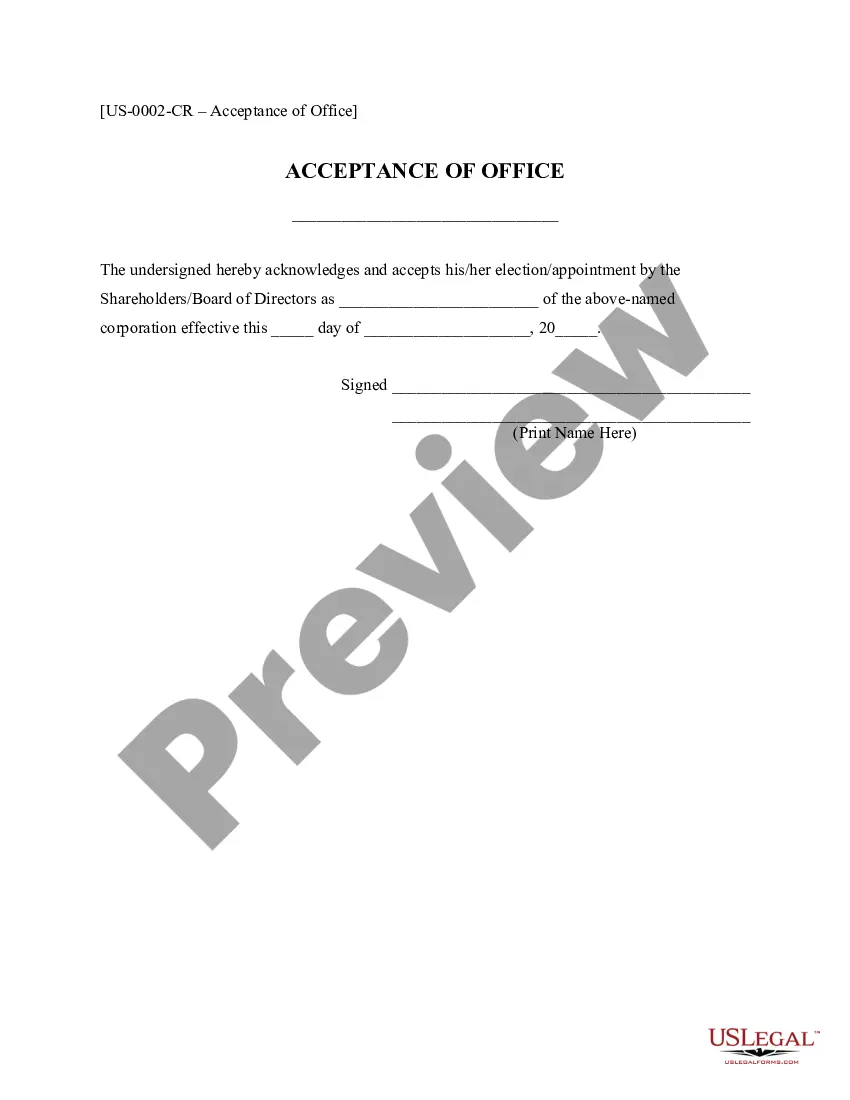

Get your form ready online
Our built-in tools help you complete, sign, share, and store your documents in one place.
Make edits, fill in missing information, and update formatting in US Legal Forms—just like you would in MS Word.
Download a copy, print it, send it by email, or mail it via USPS—whatever works best for your next step.
Sign and collect signatures with our SignNow integration. Send to multiple recipients, set reminders, and more. Go Premium to unlock E-Sign.
If this form requires notarization, complete it online through a secure video call—no need to meet a notary in person or wait for an appointment.
We protect your documents and personal data by following strict security and privacy standards.

Make edits, fill in missing information, and update formatting in US Legal Forms—just like you would in MS Word.

Download a copy, print it, send it by email, or mail it via USPS—whatever works best for your next step.

Sign and collect signatures with our SignNow integration. Send to multiple recipients, set reminders, and more. Go Premium to unlock E-Sign.

If this form requires notarization, complete it online through a secure video call—no need to meet a notary in person or wait for an appointment.

We protect your documents and personal data by following strict security and privacy standards.
Looking for another form?







Form popularity
FAQ
Changing officers of a corporation involves filing the articles of incorporation while adhering to Massachusetts state codes. Directors add officers formally at an annual directors meeting but can do so at any time within the scope of the bylaws.
Just as you would file articles of incorporation to start your corporate entity and to bring it into existence, you must also file articles of dissolution (also known as a certificate of dissolution) to notify the state that you are terminating or dissolving the corporation.
Corporations must complete a Form 966, Corporate Dissolution or Liquidation, and file it with the final corporate return. Partnerships must file the final Form 1065 and Schedule K-1s. Sole proprietors stop filing the Schedule C with the individual income tax return.
Corporations must complete a Form 966, Corporate Dissolution or Liquidation, and file it with the final corporate return. Partnerships must file the final Form 1065 and Schedule K-1s. Sole proprietors stop filing the Schedule C with the individual income tax return.
A director can be removed without their consent under certain conditions, usually, governed by a company's bylaws, shareholders' agreements, and local jurisdiction. Here are common methods for director removal: Shareholder Vote - In many jurisdictions, directors can be removed by a majority vote of the shareholders.
Thus, under the 2013 Act, a company can remove a director only in a general meeting by passing an ordinary resolution and if he has not been appointed as a director under the principle of proportional representation or under section 163.
Reasons for Change of a Company Director Voluntary resignation of a director. Replacement due to the resolution of the shareholders. Death of a director. Uncultured behaviour of a director. Transfer of ownership. Retirement. Failure to optimally perform his/her role.
In many voting member organizations, the only way to remove a director is through the members. The most common policy for member organizations is to call a meeting of members and notify the board member in writing that they will be voted upon during said meeting.

