Special Warranty Deed Vs Quit Claim Deed In Wake
Description
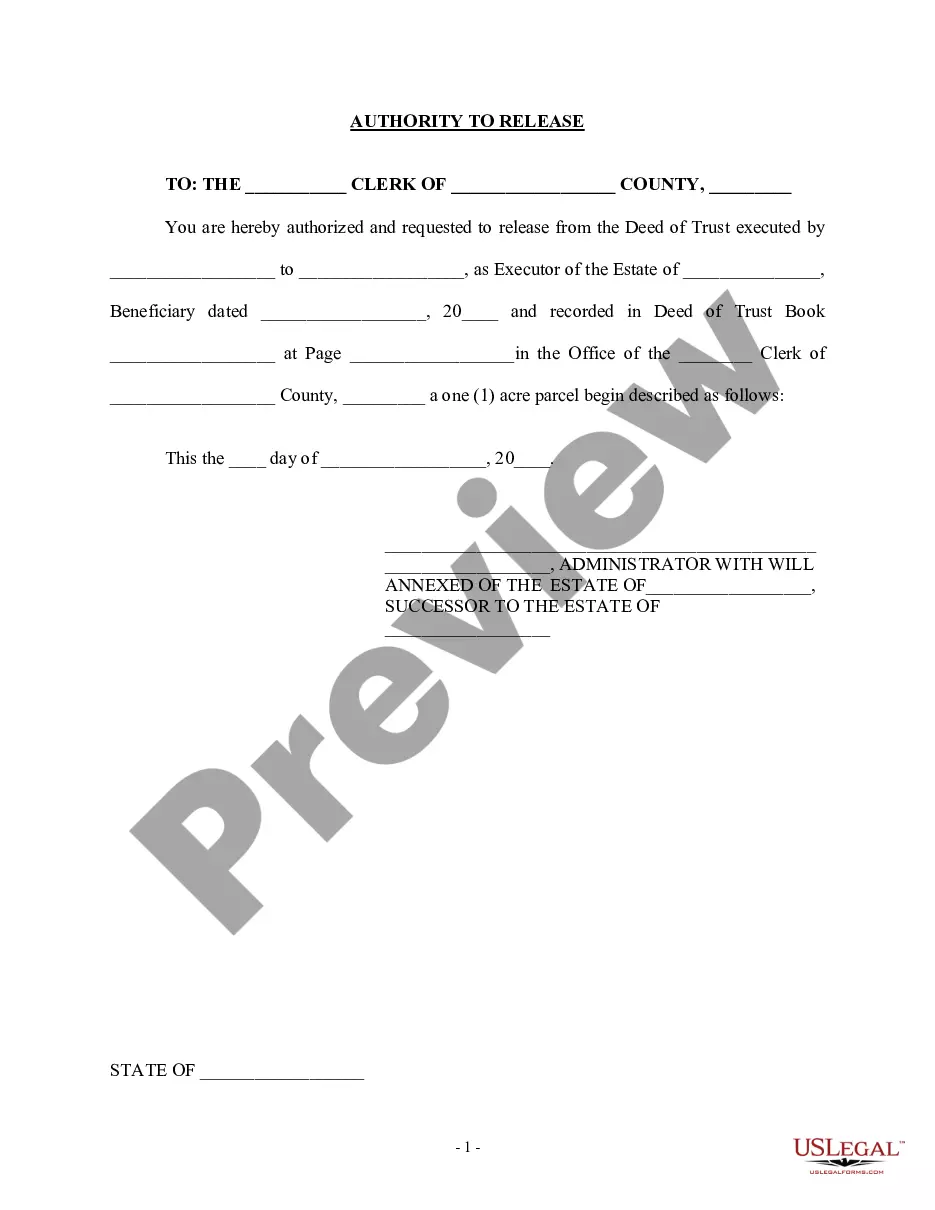
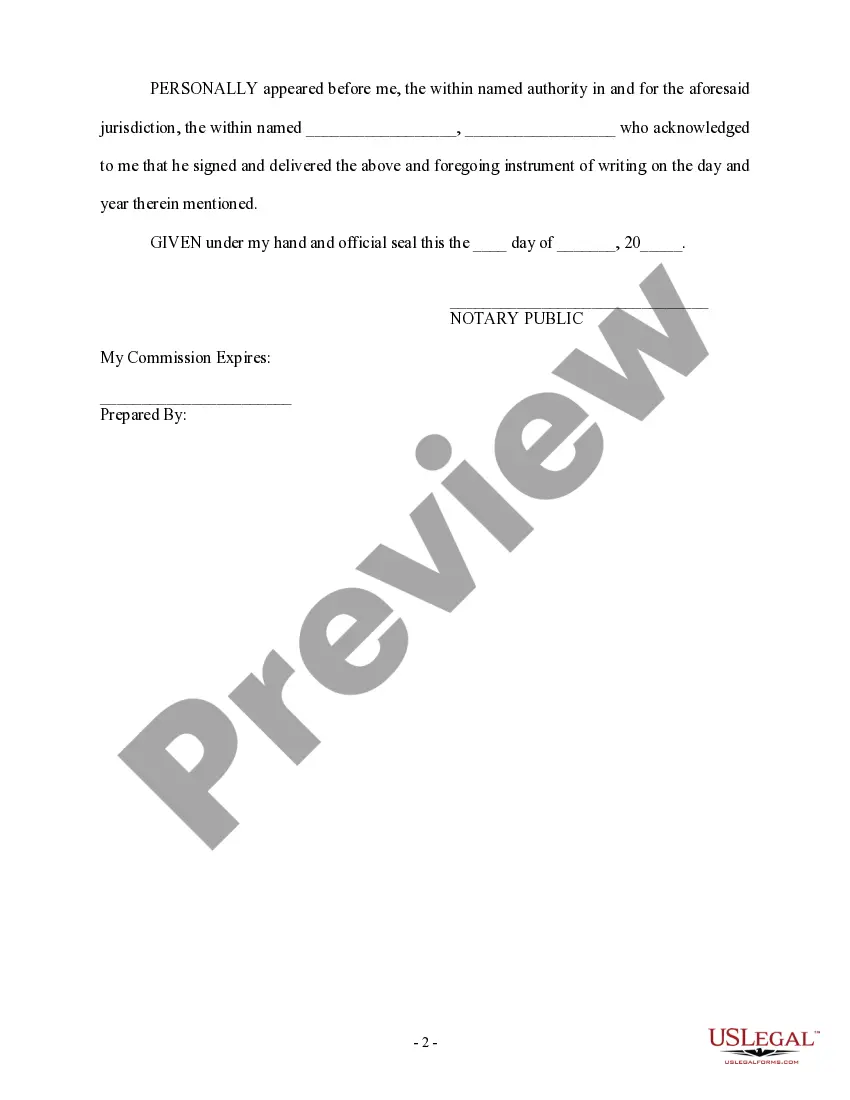
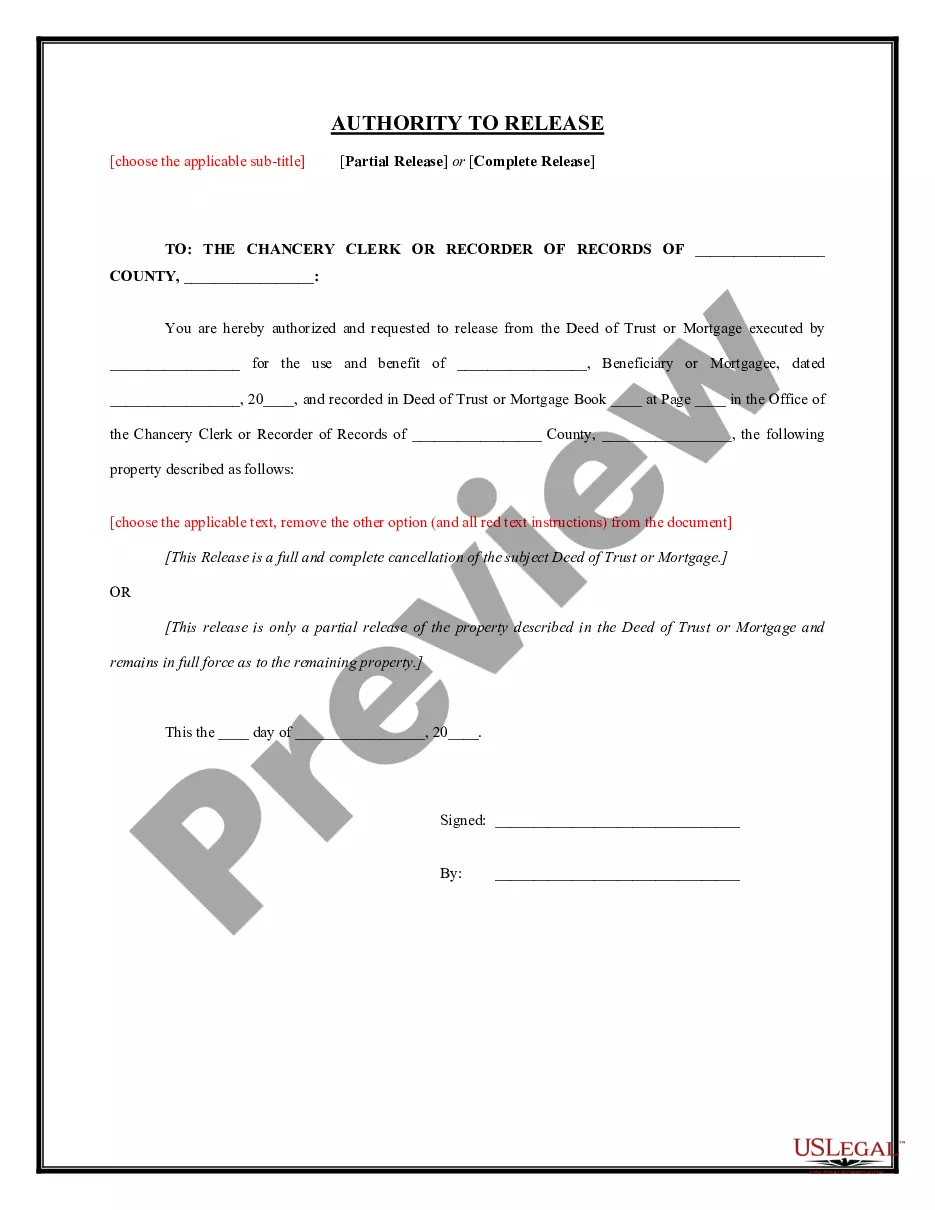
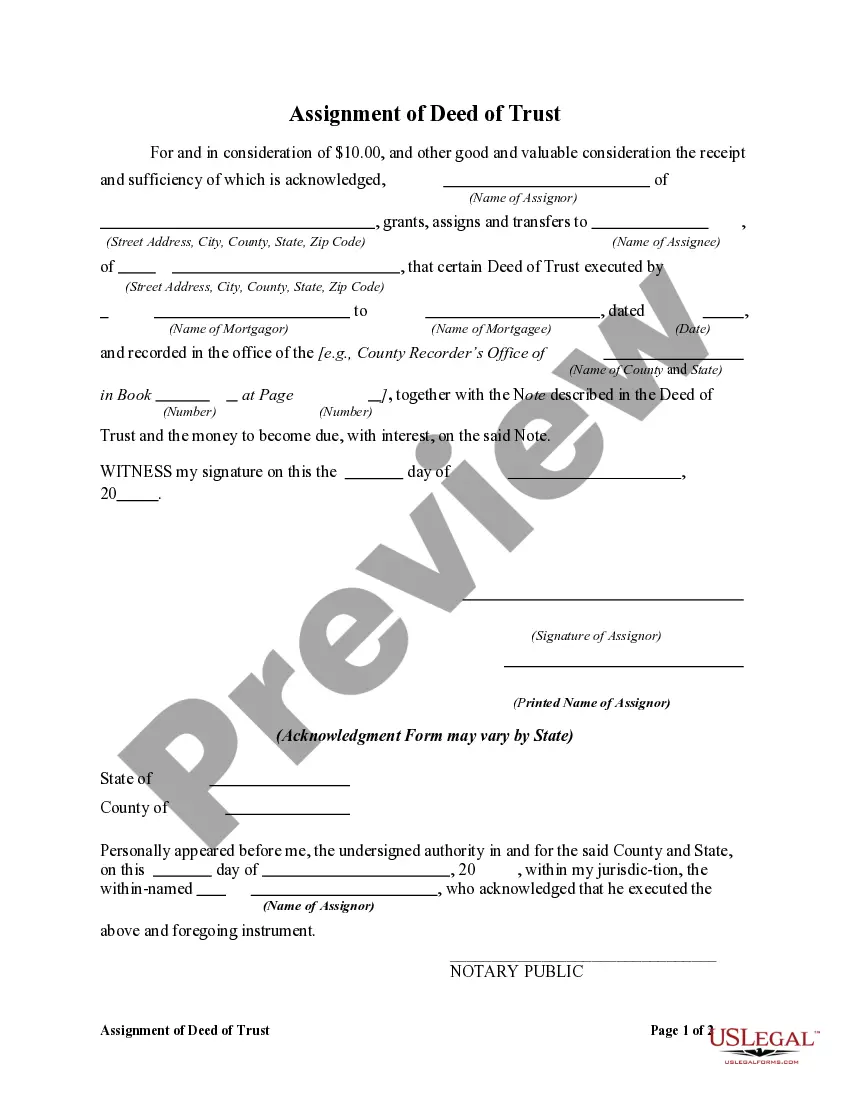

Get your form ready online
Our built-in tools help you complete, sign, share, and store your documents in one place.
Make edits, fill in missing information, and update formatting in US Legal Forms—just like you would in MS Word.
Download a copy, print it, send it by email, or mail it via USPS—whatever works best for your next step.
Sign and collect signatures with our SignNow integration. Send to multiple recipients, set reminders, and more. Go Premium to unlock E-Sign.
If this form requires notarization, complete it online through a secure video call—no need to meet a notary in person or wait for an appointment.
We protect your documents and personal data by following strict security and privacy standards.

Make edits, fill in missing information, and update formatting in US Legal Forms—just like you would in MS Word.

Download a copy, print it, send it by email, or mail it via USPS—whatever works best for your next step.

Sign and collect signatures with our SignNow integration. Send to multiple recipients, set reminders, and more. Go Premium to unlock E-Sign.

If this form requires notarization, complete it online through a secure video call—no need to meet a notary in person or wait for an appointment.

We protect your documents and personal data by following strict security and privacy standards.
Looking for another form?






Form popularity
FAQ
A warranty deed offers the strongest protection. It protects the party receiving the property title in case there turns out to be any issues with the title.
Finally contact a real estate attorney to draft a warranty deed and file it with the countyMoreFinally contact a real estate attorney to draft a warranty deed and file it with the county recorder's. Office to learn more check out these links which you can click in the description. Below.
The general warranty deed is the most common type of deed used in North Carolina. This deed is different from the rest because the seller protects the buyer against any title defects or claims arising at any point in time, not just for the length of time when the seller owned the property.
Special warranty deeds go by many names in different states, including covenant deed, grant deed, and limited warranty deed. The guarantee covers only the period when the seller held title to the property with a special warranty deed.
The key distinctions include: Interest transferred – A quitclaim deed conveys only the grantor's current ownership share, which may be incomplete. A warranty deed transfers the property in its entirety. Warranties and protection – Quitclaim deeds provide zero warranties or protection for the grantee.
Encumbrances and Defects: The deed provides protection against encumbrances or defects that the seller caused or allowed during their ownership. Encumbrances can include liens, mortgages, easements, or any other claims against the property. ALSO READ How to Differentiate Between Quitclaim Deed Vs Grant Deed California?
What Are The Dangers Of A Special Warranty Deed? Property debts are tied to the property's title, so buyers agreeing to a special warranty deed assume all responsibility for any liens or claims against the property that may have existed prior to the seller's ownership.
This is because a quitclaim deed offers the lowest level of protection. When writing a quitclaim deed, the grantor isn't offering any protection or warranty to the grantee.
General warranty deeds give the grantee the most legal protection, while special warranty deeds give the grantee more limited protection. A quitclaim deed gives the grantee the least protection under the law.
A general warranty deed is used to transfer real property from one person to another. This type of deed offers the greatest protection for the buyer and has specific requirements for what must be included in the document.
