Warranty Deed Vs Grant Deed In Virginia
Description

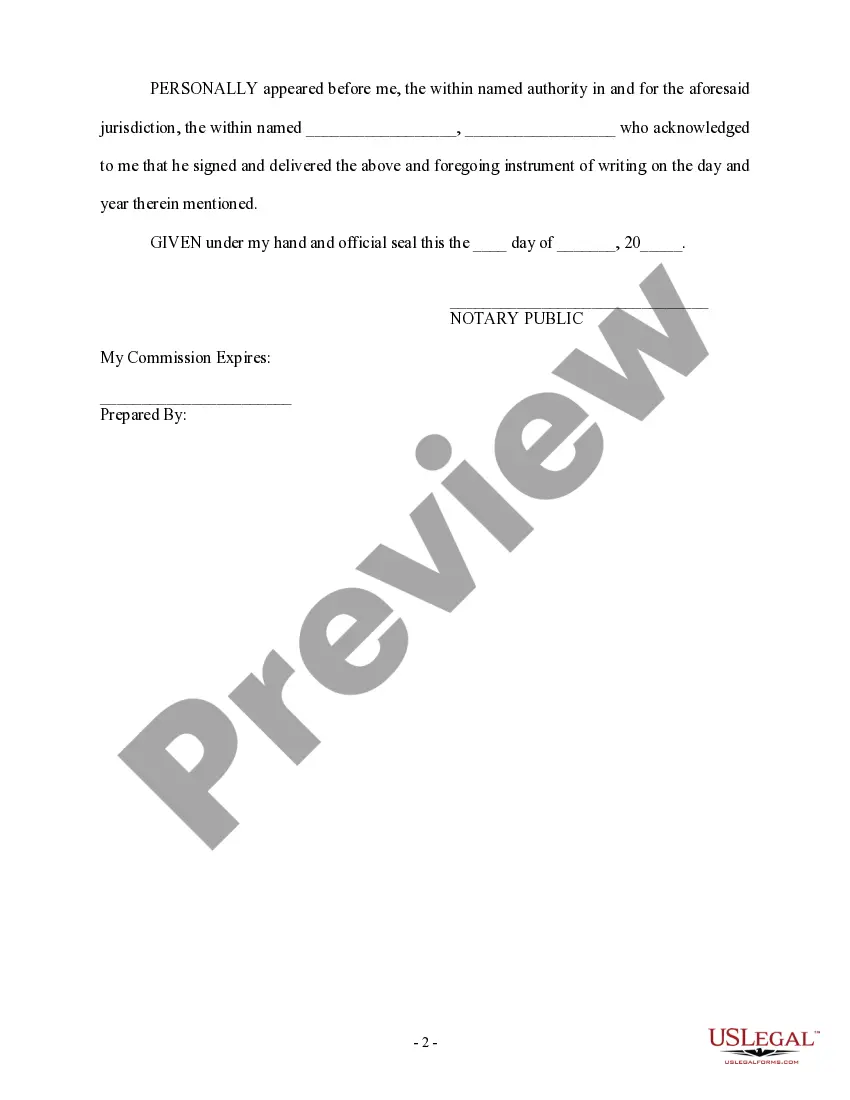
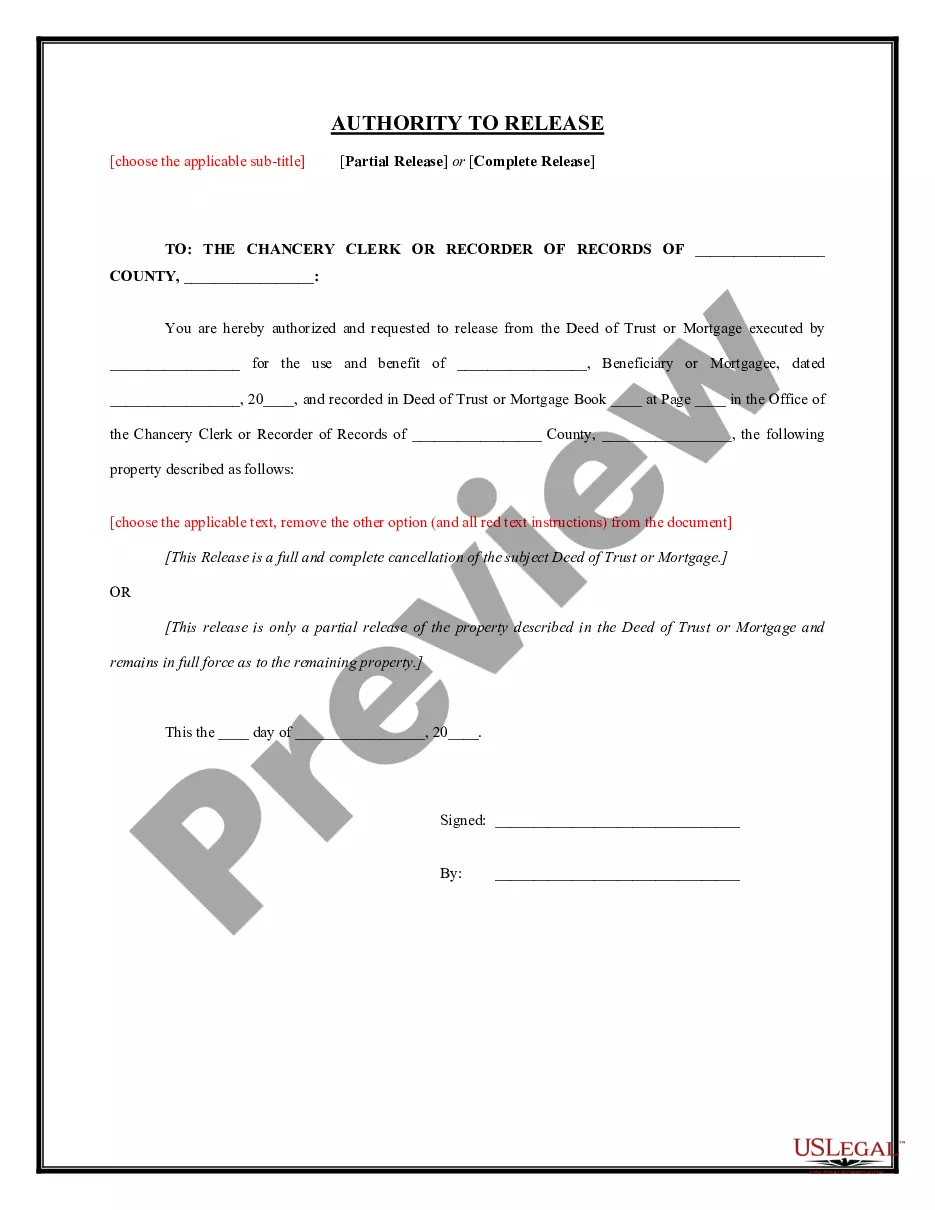
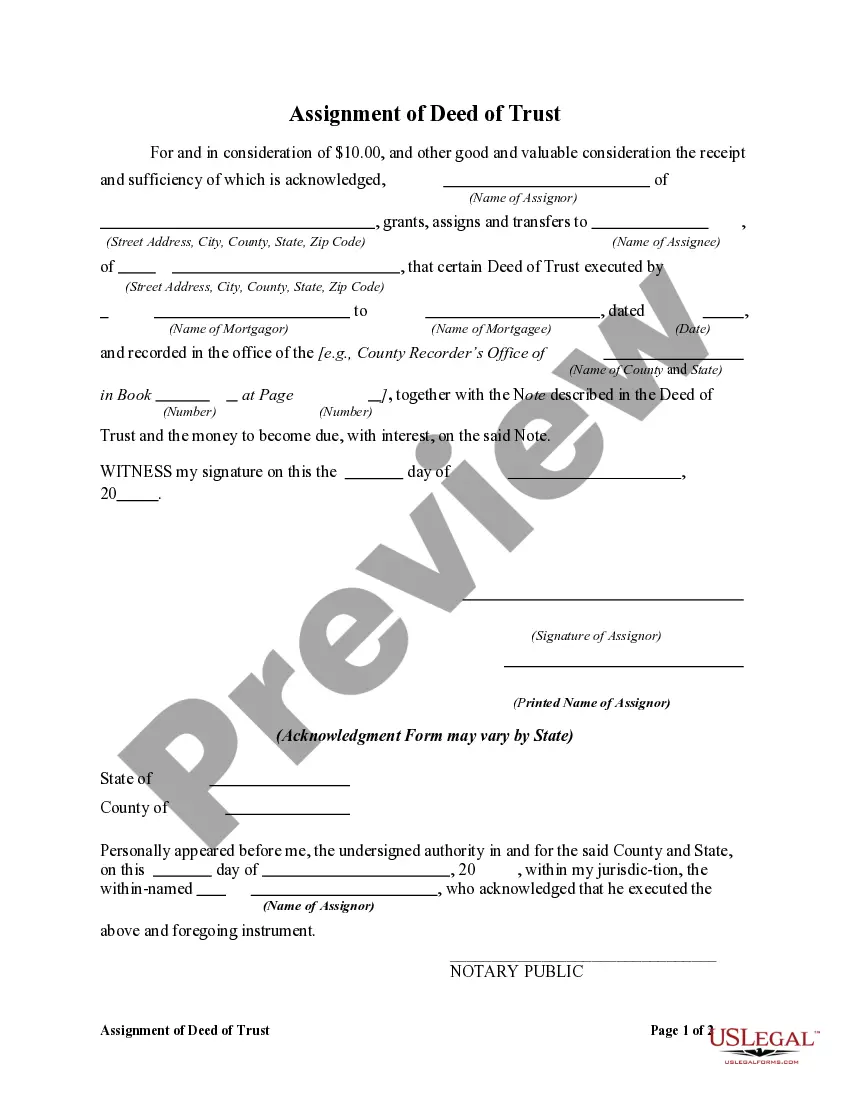

Get your form ready online
Our built-in tools help you complete, sign, share, and store your documents in one place.
Make edits, fill in missing information, and update formatting in US Legal Forms—just like you would in MS Word.
Download a copy, print it, send it by email, or mail it via USPS—whatever works best for your next step.
Sign and collect signatures with our SignNow integration. Send to multiple recipients, set reminders, and more. Go Premium to unlock E-Sign.
If this form requires notarization, complete it online through a secure video call—no need to meet a notary in person or wait for an appointment.
We protect your documents and personal data by following strict security and privacy standards.

Make edits, fill in missing information, and update formatting in US Legal Forms—just like you would in MS Word.

Download a copy, print it, send it by email, or mail it via USPS—whatever works best for your next step.

Sign and collect signatures with our SignNow integration. Send to multiple recipients, set reminders, and more. Go Premium to unlock E-Sign.

If this form requires notarization, complete it online through a secure video call—no need to meet a notary in person or wait for an appointment.

We protect your documents and personal data by following strict security and privacy standards.
Looking for another form?







Form popularity
FAQ
Cons of Manufacturer Warranties Limited Coverage Scope: Manufacturer warranties often have limitations on the specific components or issues they cover. Certain parts or conditions may be excluded from the warranty coverage, requiring you to review the warranty terms and conditions carefully.
The “warranty deed” is like a grant deed, except that it contains additional promises. Specifically, a warranty deed expressly warrants the title to the property and the quiet possession of the property the grantee.
No, a warranty deed does not prove ownership. A title search is the best way to prove that a grantor rightfully owns a property. The warranty deed is a legal document that offers the buyer protection. In other words, the property title and warranty deed work in tandem together.
General warranty deeds: A general warranty deed provides the most protection to the buyer but gives the grantor the highest degree of liability. The grantor of a general warranty deed fully warrants good, clear title to the property.
Their home to a family member via a deed while alive. That transfer. Usually takes precedence. OverMoreTheir home to a family member via a deed while alive. That transfer. Usually takes precedence. Over what is stated in their will The legal principle that supports.
A Virginia general warranty deed is a form that authorizes the conveyance of a property from a seller (the grantor) to a buyer (the grantee). The term "warrant" offers the guarantee to the grantee that the property does not bear any title defects such as any liens or encumbrances.
If you have a deed but are not sure which type of deed it is exactly, here are some key elements to look for when identifying it: The presence of warranties or guarantees; The level of protection offered to the grantee; and. The specific purpose or situation for which the deed is commonly used.
Deeds are recorded by the county recorder of deeds and are a matter of public record. When you sell your property, your attorney or the closing company will pull your deed from the county recorder of deeds records. Deeds are not like the certificate of title to a vehicle, which must be an original.
