Quick Deed Vs Warranty Deed In Virginia
Description

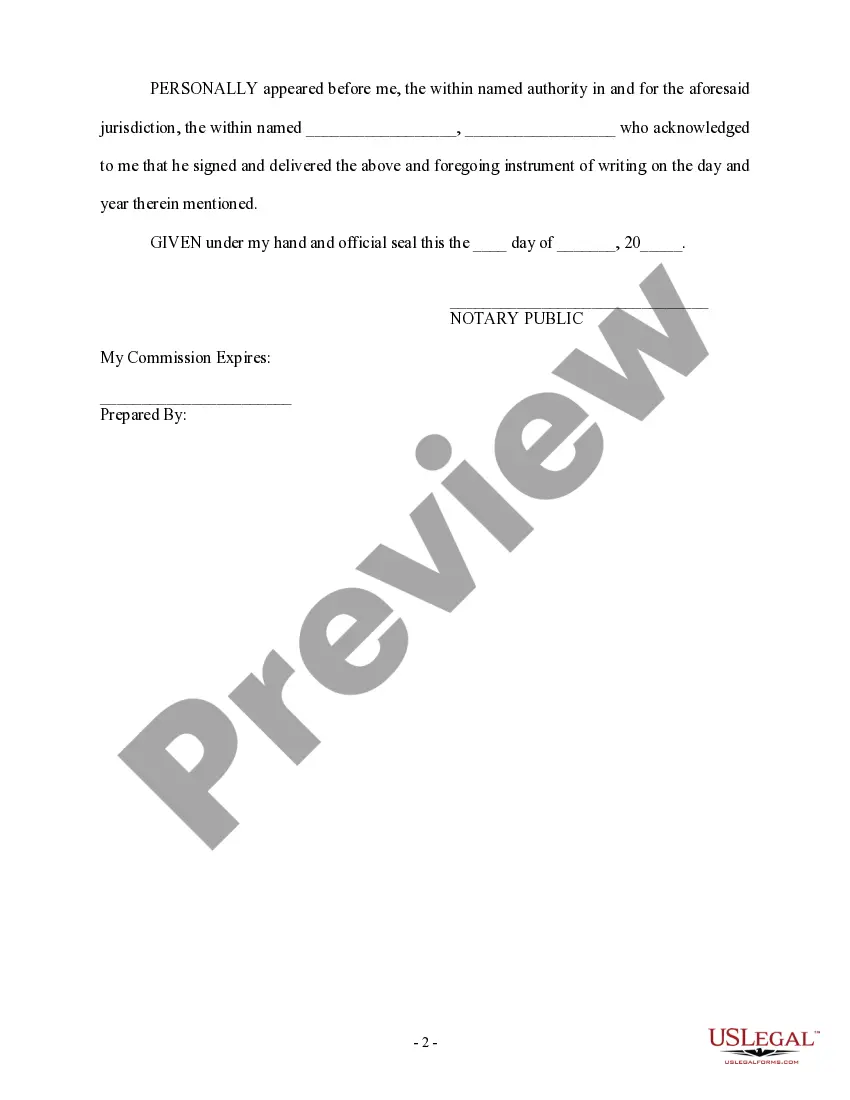
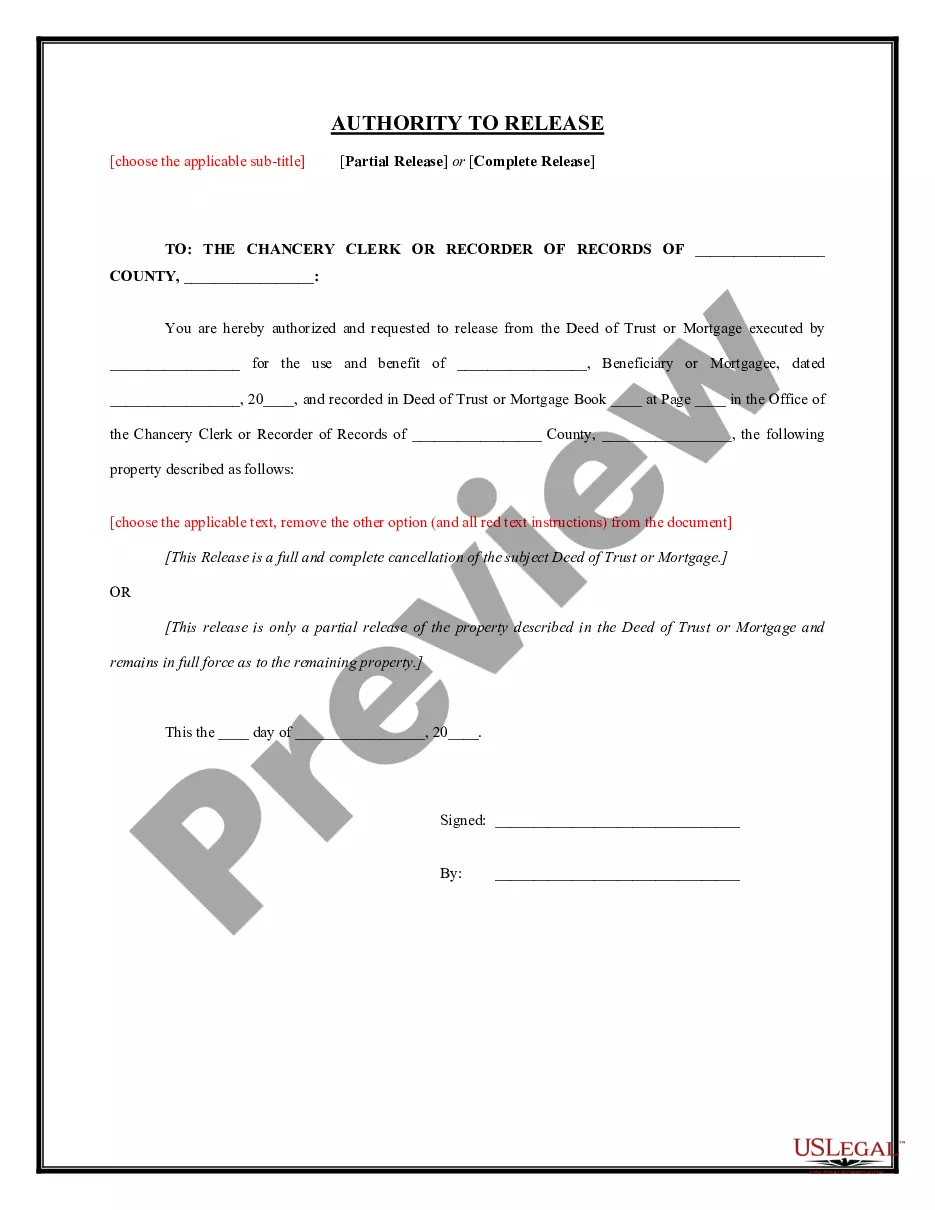
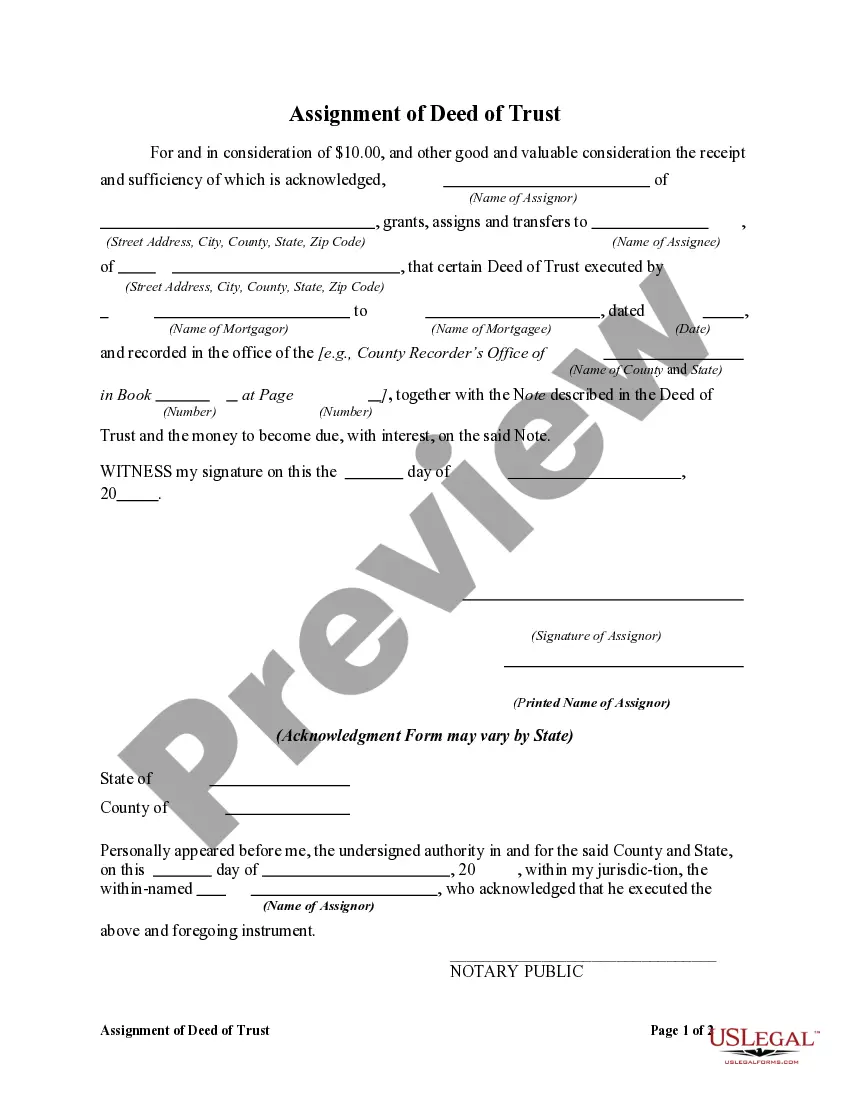

Get your form ready online
Our built-in tools help you complete, sign, share, and store your documents in one place.
Make edits, fill in missing information, and update formatting in US Legal Forms—just like you would in MS Word.
Download a copy, print it, send it by email, or mail it via USPS—whatever works best for your next step.
Sign and collect signatures with our SignNow integration. Send to multiple recipients, set reminders, and more. Go Premium to unlock E-Sign.
If this form requires notarization, complete it online through a secure video call—no need to meet a notary in person or wait for an appointment.
We protect your documents and personal data by following strict security and privacy standards.

Make edits, fill in missing information, and update formatting in US Legal Forms—just like you would in MS Word.

Download a copy, print it, send it by email, or mail it via USPS—whatever works best for your next step.

Sign and collect signatures with our SignNow integration. Send to multiple recipients, set reminders, and more. Go Premium to unlock E-Sign.

If this form requires notarization, complete it online through a secure video call—no need to meet a notary in person or wait for an appointment.

We protect your documents and personal data by following strict security and privacy standards.
Looking for another form?







Form popularity
FAQ
Common uses – Typically, quitclaim deeds are used for lower-risk transfers between related parties. In contrast, warranty deeds are used for real estate sales and high-value transactions involving unrelated grantees. Grantee risks – With a quitclaim deed, all risks remain with the grantee.
Transferring property between spouses during a divorce Many people use quitclaim deeds because it's a quick, affordable solution to settling divorce obligations. A quitclaim deed can be a simple way for one person (referred to as the grantor) to give up their interest in a property to another person (the grantee).
Long story short: If you are the buyer, then the warranty deed is more favorable to you because it provides a more solid legal protection. If you're the seller, the quitclaim deed is more favorable to you.
In Virginia, only attorneys or property owners can legally prepare a deed. To be legally recognized, a deed has to satisfy several key state-specific requirements: It should be an original or a first-generation printout as per Va. Code Ann.
Sign: Sign the document before a notary or two subscribing witnesses. File: File your document with the County Circuit Court Clerk at the location where the property exists. Wait for Processing: Wait for the office to finish the recording process to make the grantee's new ownership official.
Quitclaim deeds are often used in non-sale situations, such as property transfers between family members or adding/removing a spouse from a title.
Because of the lack of title guarantees, quitclaim deeds are most often used to transfer property between two parties who know and trust each other, such as family members.
Warranty Deeds A warranty deed offers the same promises as a grant deed, and then some. The owner of a property is guaranteeing that they have the full right to sell and transfer the property, and that the property is clear of any present or future claims, such as liens and taxes.
