Quick Deed Vs Warranty Deed In New York
Description

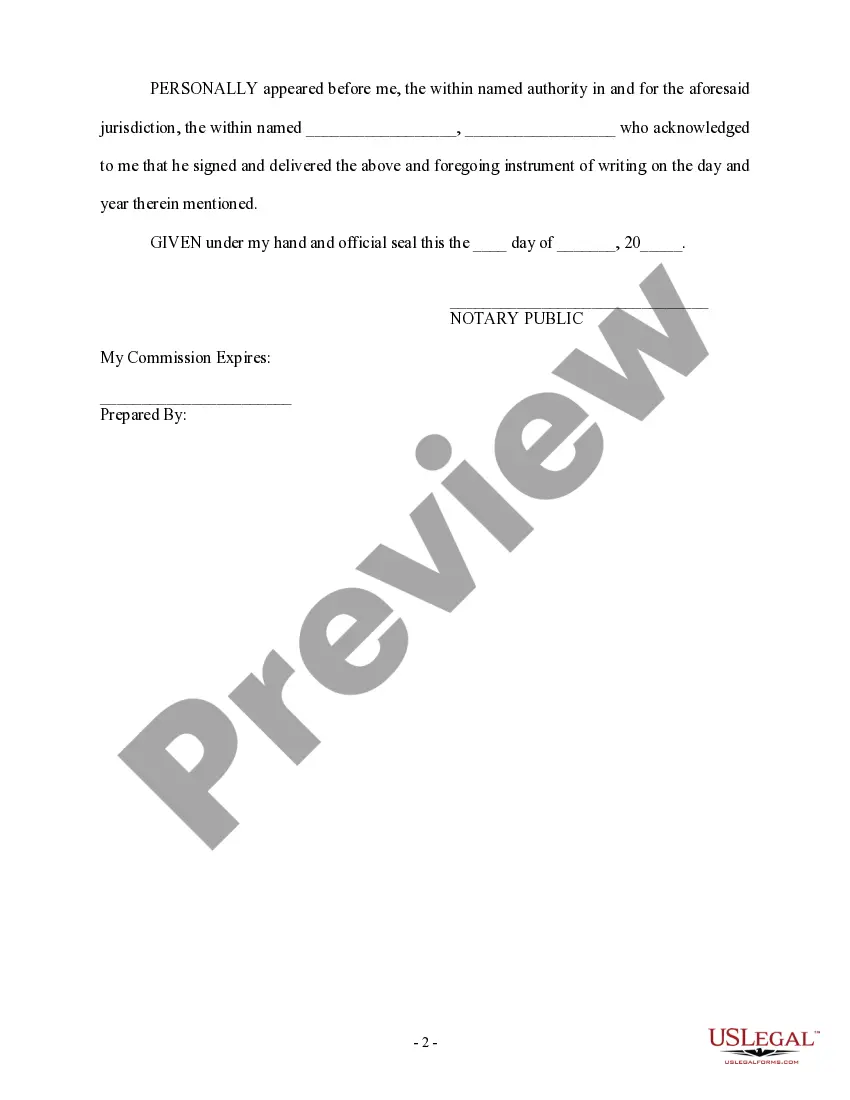
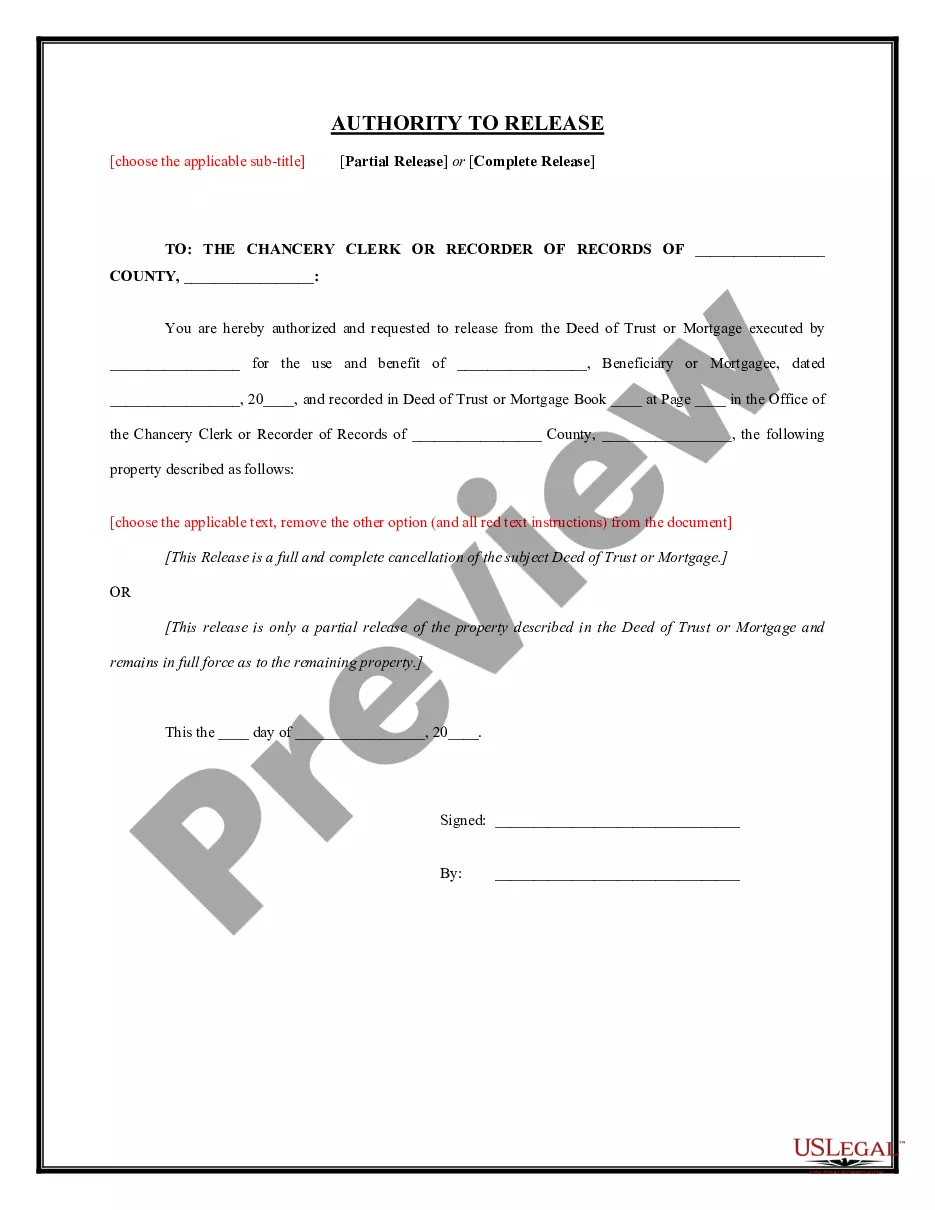
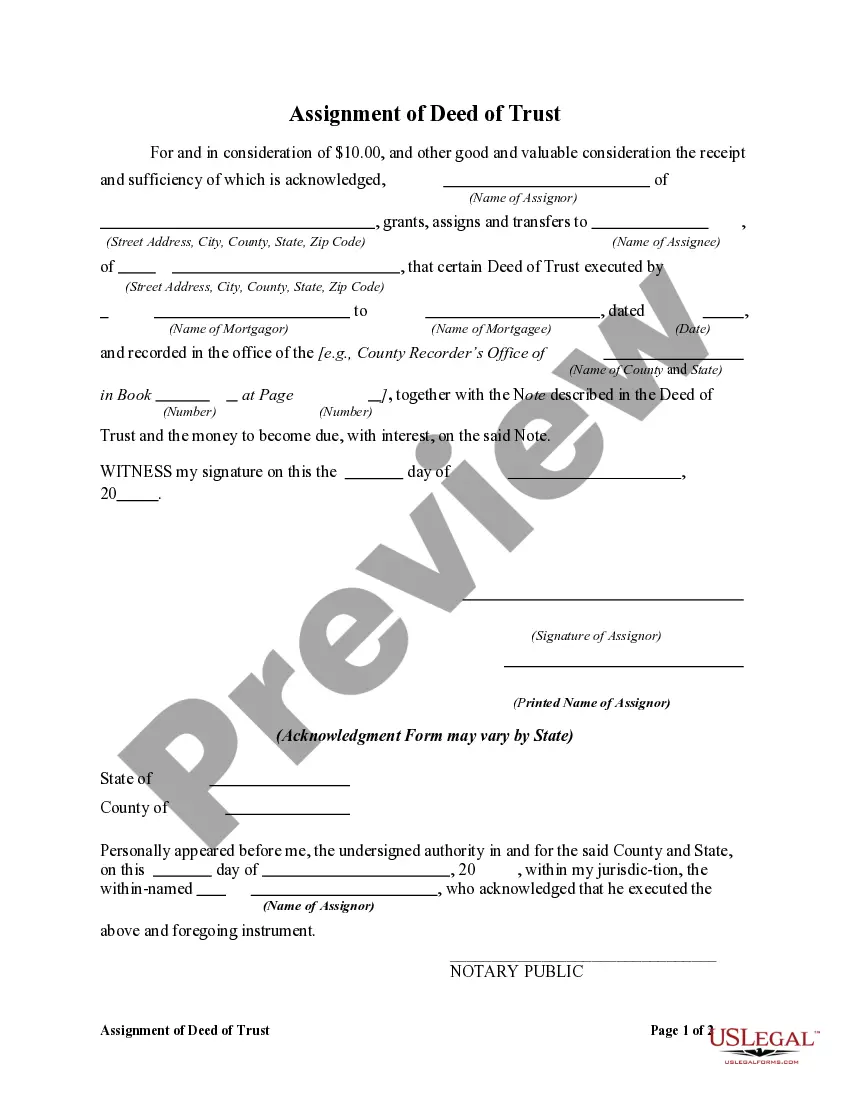
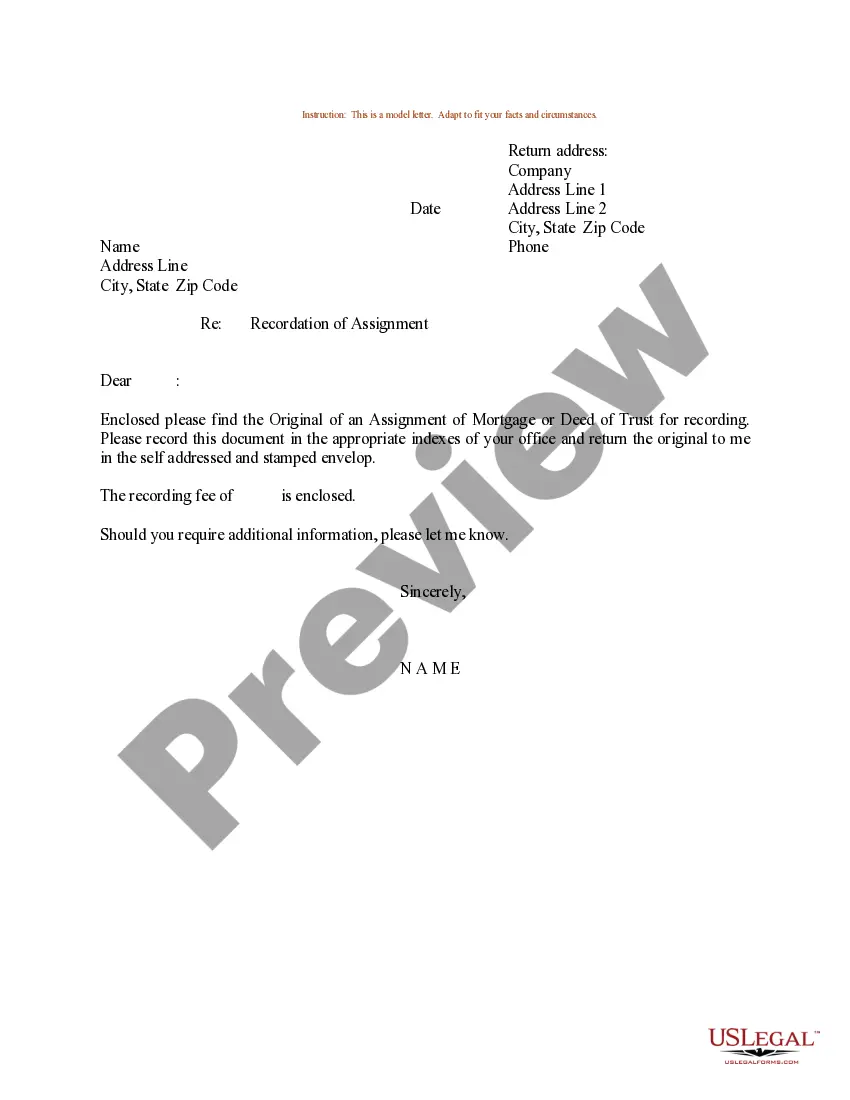

Get your form ready online
Our built-in tools help you complete, sign, share, and store your documents in one place.
Make edits, fill in missing information, and update formatting in US Legal Forms—just like you would in MS Word.
Download a copy, print it, send it by email, or mail it via USPS—whatever works best for your next step.
Sign and collect signatures with our SignNow integration. Send to multiple recipients, set reminders, and more. Go Premium to unlock E-Sign.
If this form requires notarization, complete it online through a secure video call—no need to meet a notary in person or wait for an appointment.
We protect your documents and personal data by following strict security and privacy standards.

Make edits, fill in missing information, and update formatting in US Legal Forms—just like you would in MS Word.

Download a copy, print it, send it by email, or mail it via USPS—whatever works best for your next step.

Sign and collect signatures with our SignNow integration. Send to multiple recipients, set reminders, and more. Go Premium to unlock E-Sign.

If this form requires notarization, complete it online through a secure video call—no need to meet a notary in person or wait for an appointment.

We protect your documents and personal data by following strict security and privacy standards.
Looking for another form?








Form popularity
FAQ
Common uses – Typically, quitclaim deeds are used for lower-risk transfers between related parties. In contrast, warranty deeds are used for real estate sales and high-value transactions involving unrelated grantees. Grantee risks – With a quitclaim deed, all risks remain with the grantee.
Founding Member of Moshes Law, P.C. During his years of practice, Yuriy has concentrated in litigation and real estate transactions as his areas of expertise. In New York, a quitclaim deed is a legal document used to transfer ownership interest in real property.
Long story short: If you are the buyer, then the warranty deed is more favorable to you because it provides a more solid legal protection. If you're the seller, the quitclaim deed is more favorable to you.
A general warranty deed is used to transfer real property from one person to another. This type of deed offers the greatest protection for the buyer and has specific requirements for what must be included in the document.
Generally, a grantor would prefer to use a bargain and sale deed because it limits their liability. In contrast, a grantee would prefer a general warranty deed because it gives them the most protection possible.
– Quitclaim deed must be written and signed by grantor before a notary public. – Must include legal description, property address, county, date, grantor and grantee names, and transfer amount (if any). – File the quitclaim deed with the County Clerk or City Registrar.
Because of the lack of title guarantees, quitclaim deeds are most often used to transfer property between two parties who know and trust each other, such as family members.
General warranty deeds give the grantee the most legal protection, while special warranty deeds give the grantee more limited protection. A quitclaim deed gives the grantee the least protection under the law.
A warranty deed offers the strongest protection. It protects the party receiving the property title in case there turns out to be any issues with the title.
This is because a quitclaim deed offers the lowest level of protection. When writing a quitclaim deed, the grantor isn't offering any protection or warranty to the grantee.
