Warranty Deed Vs Grant Deed In Miami-Dade
Description

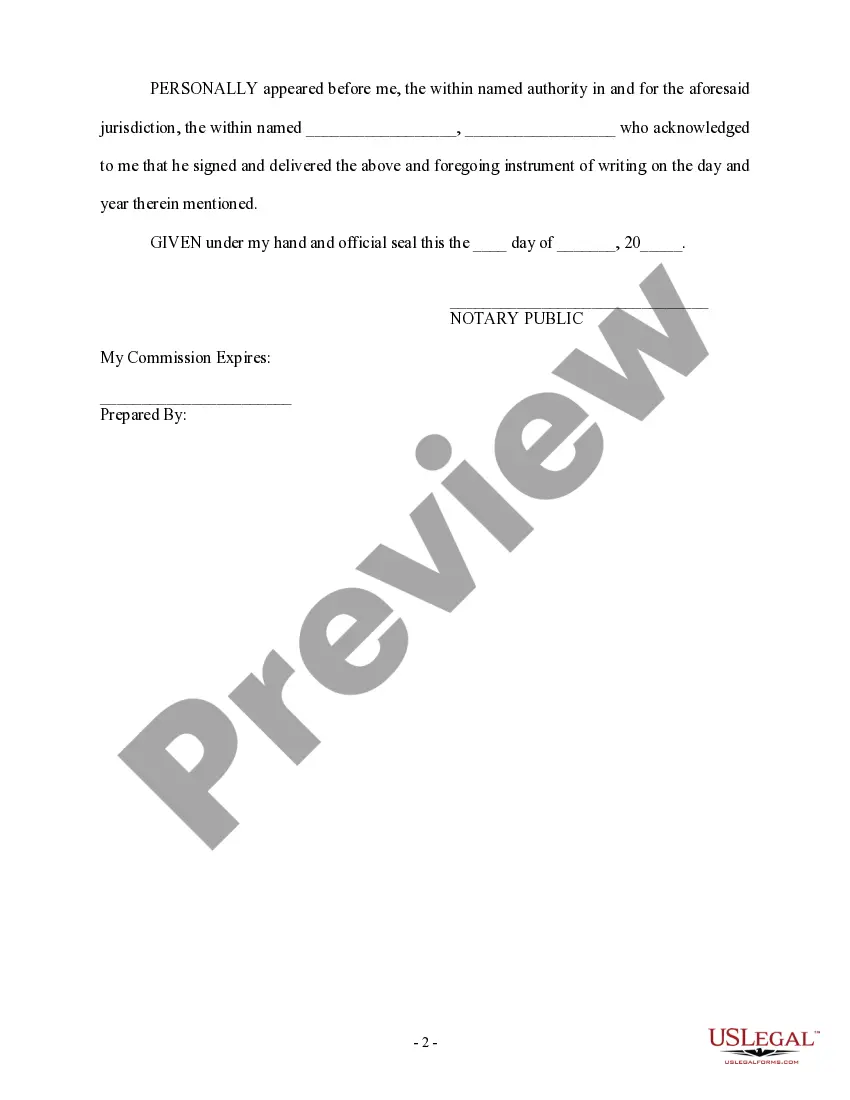
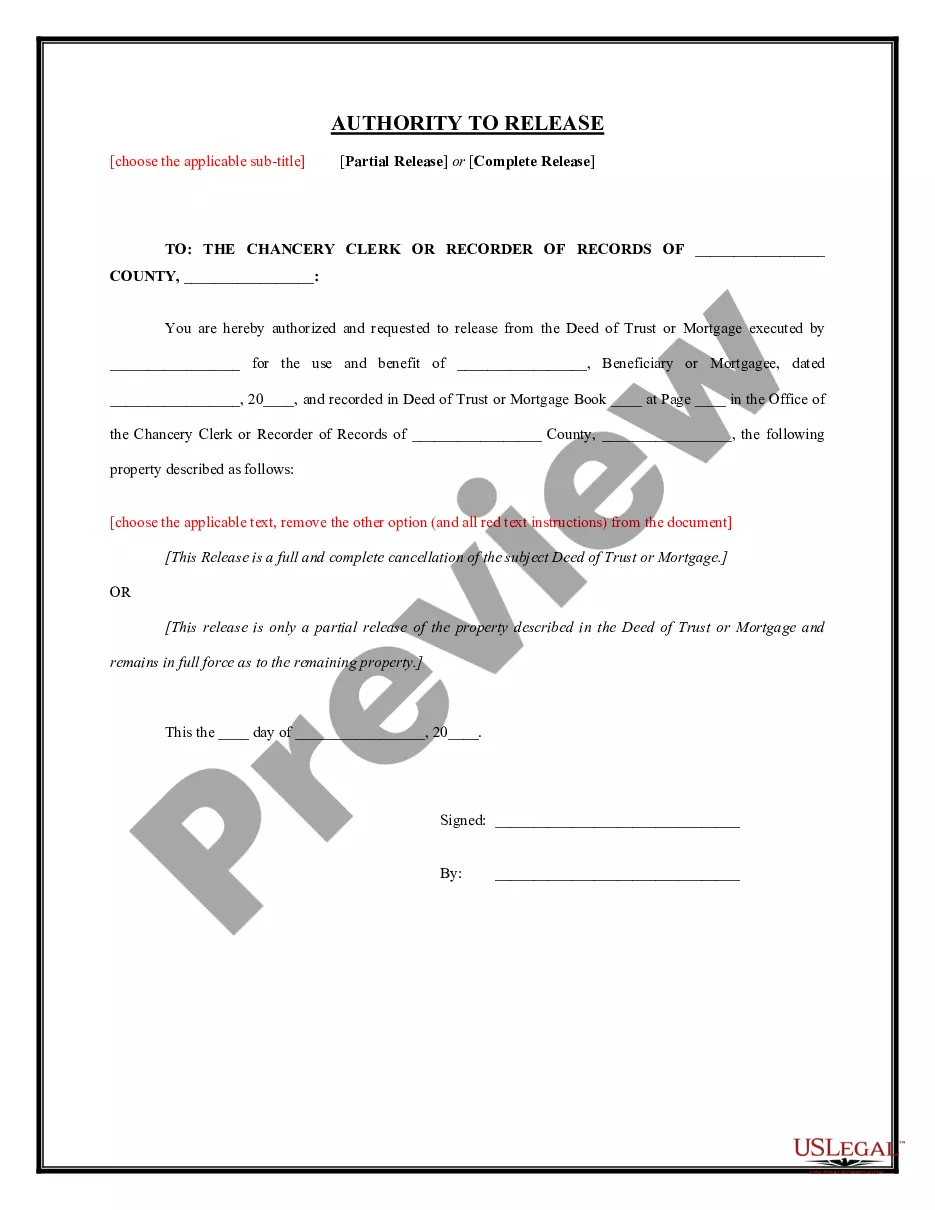
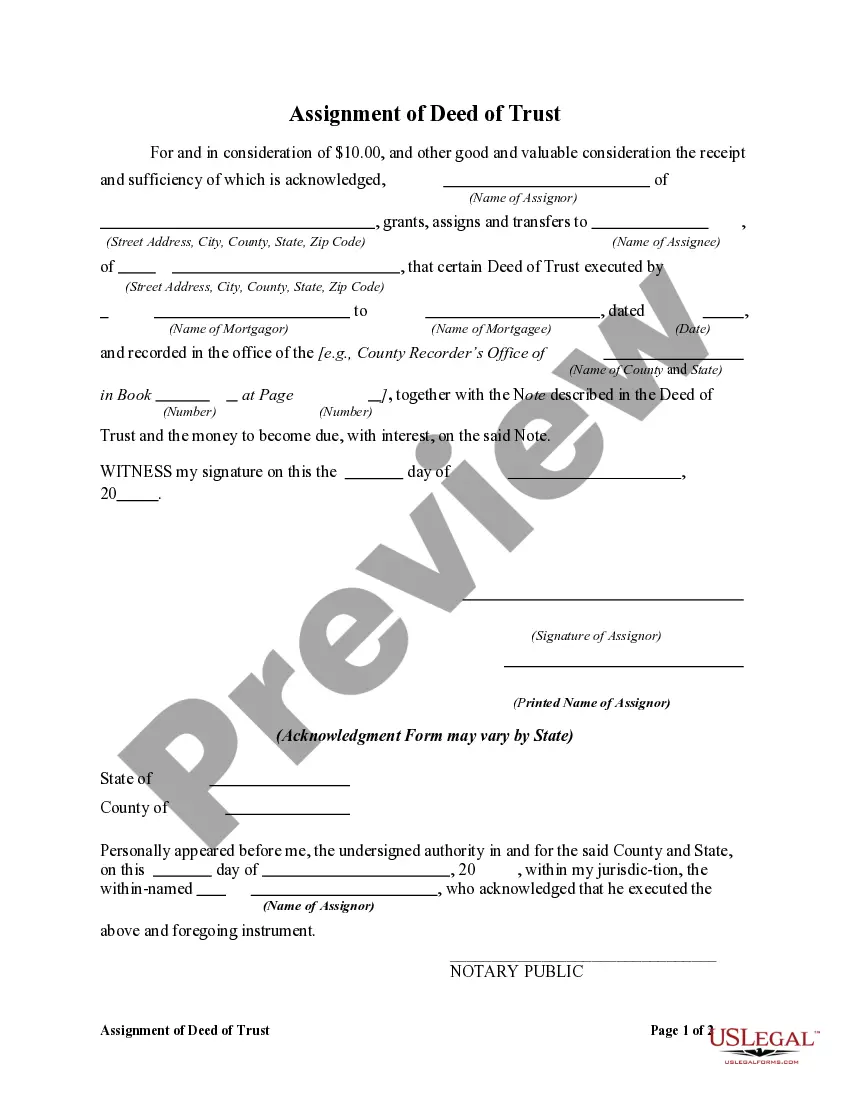
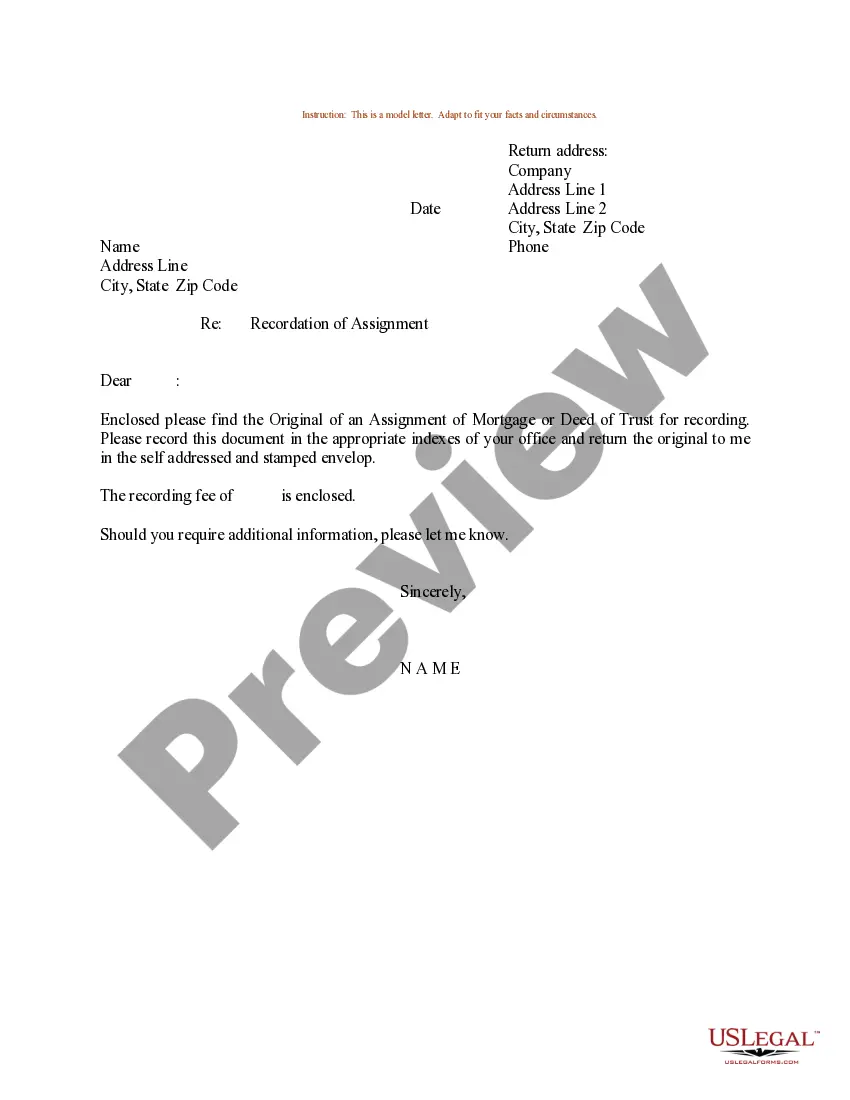

Get your form ready online
Our built-in tools help you complete, sign, share, and store your documents in one place.
Make edits, fill in missing information, and update formatting in US Legal Forms—just like you would in MS Word.
Download a copy, print it, send it by email, or mail it via USPS—whatever works best for your next step.
Sign and collect signatures with our SignNow integration. Send to multiple recipients, set reminders, and more. Go Premium to unlock E-Sign.
If this form requires notarization, complete it online through a secure video call—no need to meet a notary in person or wait for an appointment.
We protect your documents and personal data by following strict security and privacy standards.

Make edits, fill in missing information, and update formatting in US Legal Forms—just like you would in MS Word.

Download a copy, print it, send it by email, or mail it via USPS—whatever works best for your next step.

Sign and collect signatures with our SignNow integration. Send to multiple recipients, set reminders, and more. Go Premium to unlock E-Sign.

If this form requires notarization, complete it online through a secure video call—no need to meet a notary in person or wait for an appointment.

We protect your documents and personal data by following strict security and privacy standards.
Looking for another form?
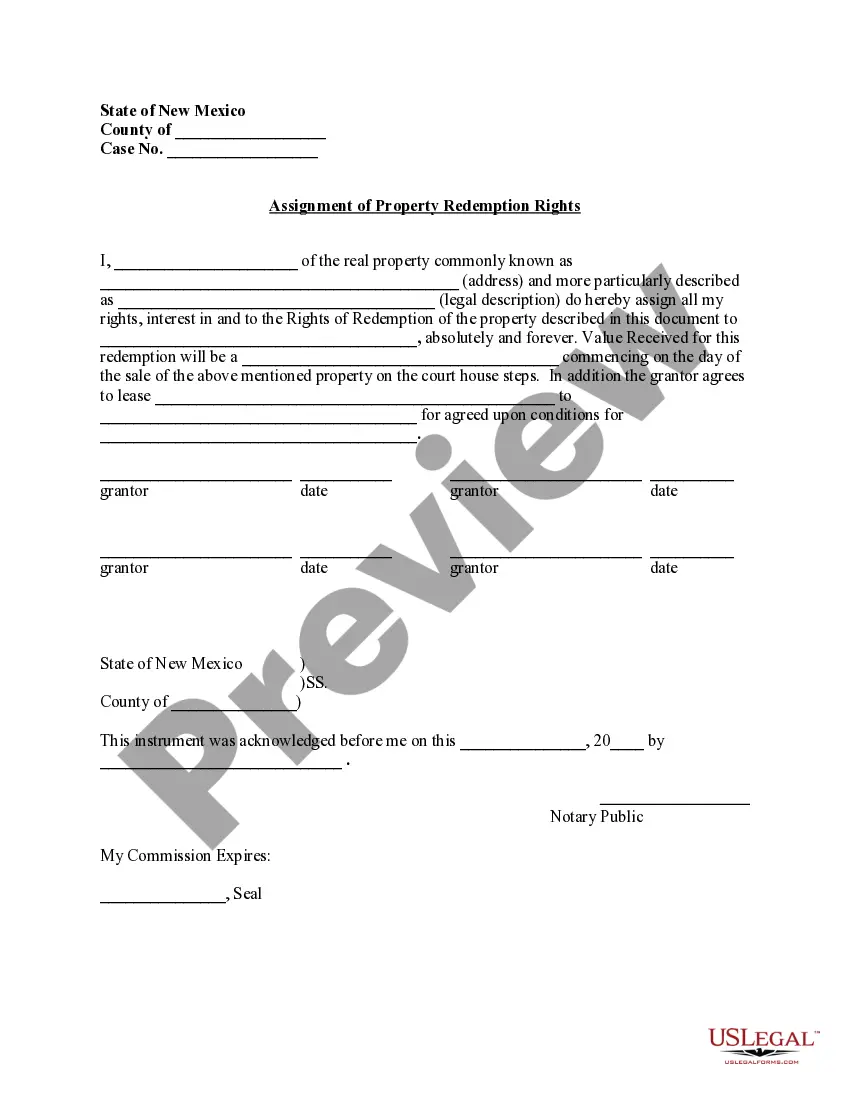
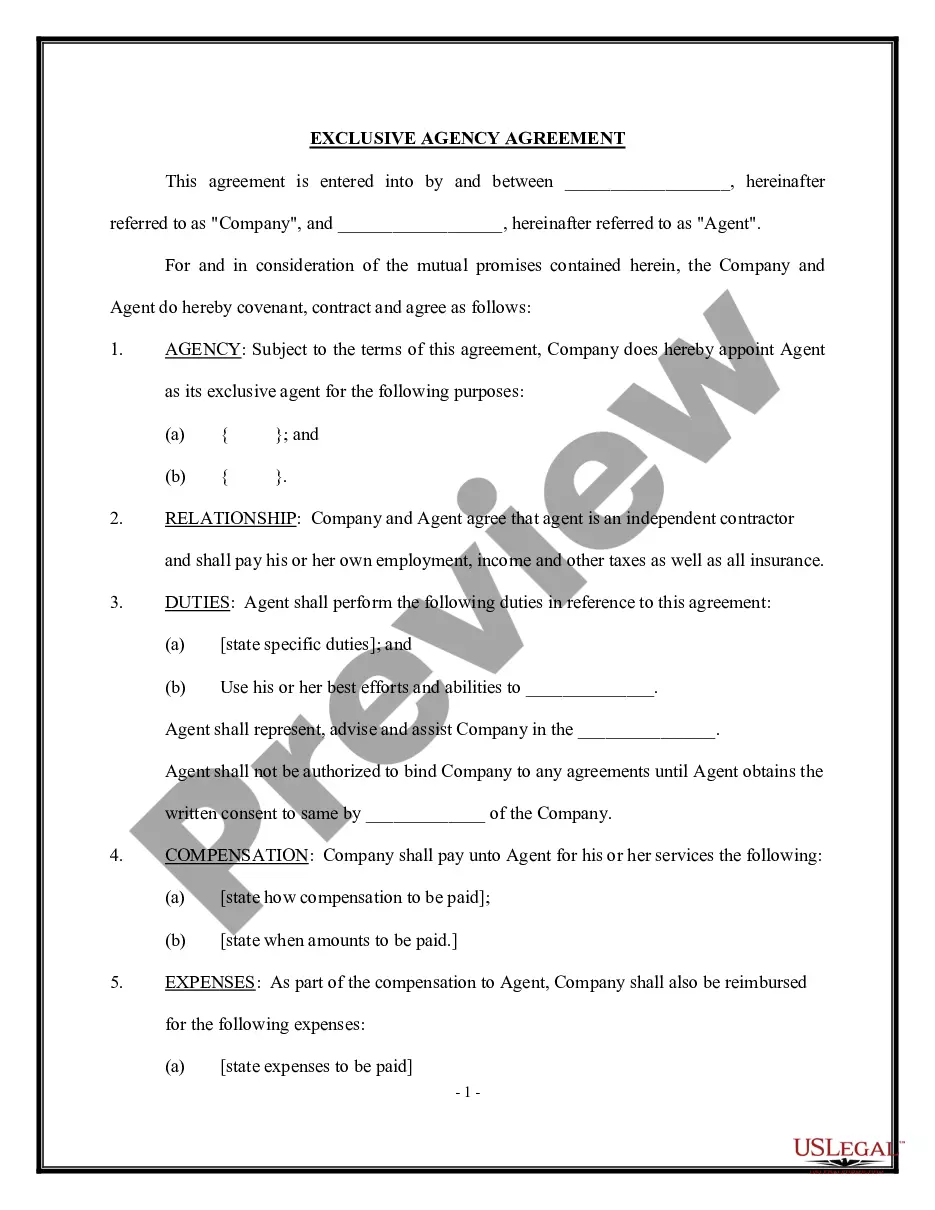


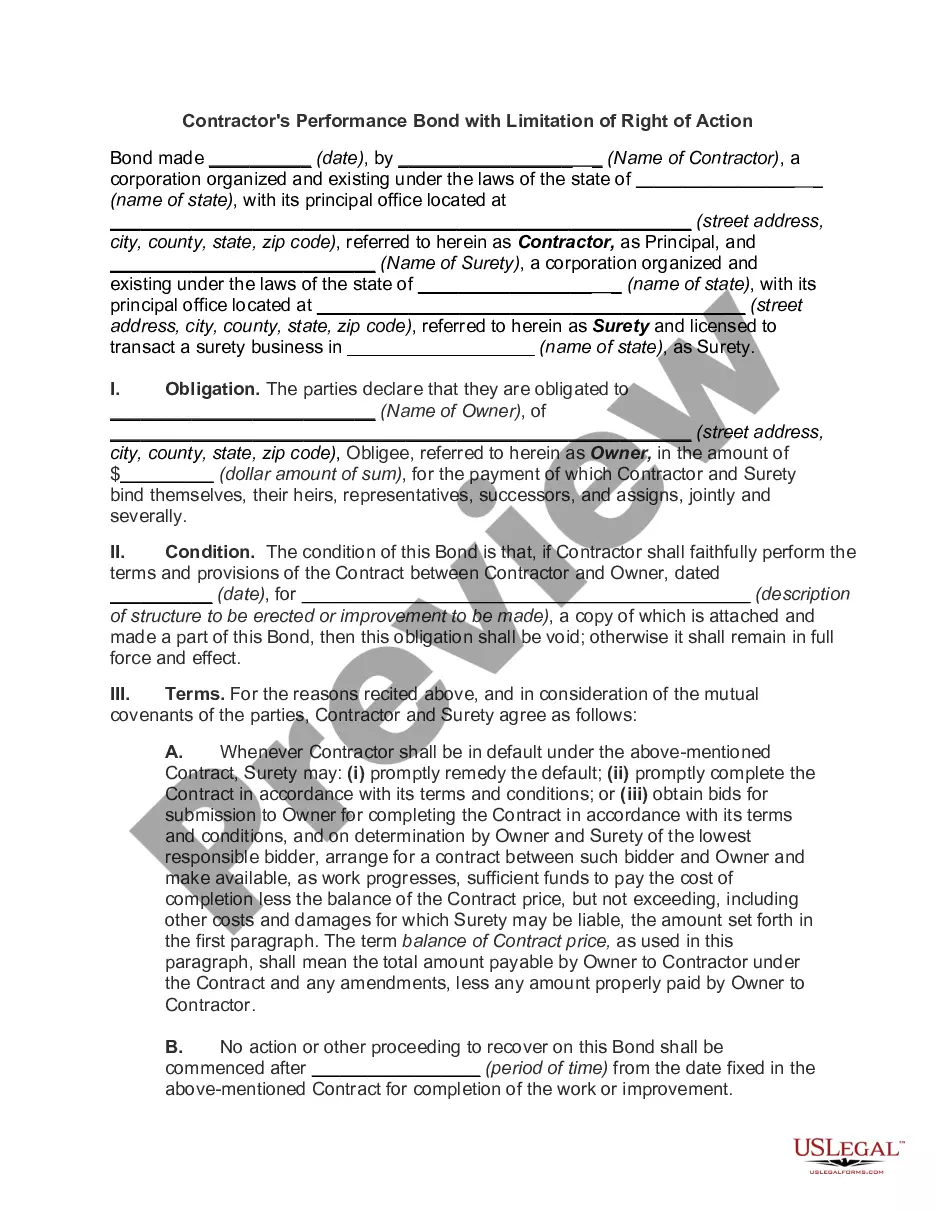




Form popularity
FAQ
No, a warranty deed does not prove ownership. A title search is the best way to prove that a grantor rightfully owns a property. The warranty deed is a legal document that offers the buyer protection. In other words, the property title and warranty deed work in tandem together.
The “warranty deed” is like a grant deed, except that it contains additional promises. Specifically, a warranty deed expressly warrants the title to the property and the quiet possession of the property the grantee.
How do you file a warranty deed in Florida? A properly executed warranty deed is filed, or recorded, in the official records of the county where the property is located. The county records office will scan and stamp the deed. The records office will return the original to the property buyer.
You have three options for recording your documents in the Official Records: You can bring your original documents in person, along with the appropriate fees, and a self-addressed stamped envelope to the Miami-Dade County Courthouse. You can eRecord your document through one of our approved vendors.
How do you file a warranty deed in Florida? A properly executed warranty deed is filed, or recorded, in the official records of the county where the property is located. The county records office will scan and stamp the deed. The records office will return the original to the property buyer.
Used in most real estate deed transfers, a warranty deed offers the greatest protection of any deed.
General warranty deeds give the grantee the most legal protection, while special warranty deeds give the grantee more limited protection. A quitclaim deed gives the grantee the least protection under the law.
The main difference between a grant deed vs. warranty deed is the level of protection offered. A warranty deed offers a higher level of protection than a grant deed. With a grant deed, the grantor is guaranteeing that they haven't sold the property to anyone else, and that it is clear of any liens or restrictions.
Obtaining a copy of a warranty deed in Florida is a relatively simple task. The first step would be to identify the county in which the subject property is located. Thereafter, a visit to that county's Clerk of Circuit Court website will produce all public records, such as property deeds, associated with the property.
The term “Grant Deed” is not generally used in Texas as it is in other states. A Texas Warranty Deed is a Grant Deed. A Grant Deed is a deed that transfers or “grants” an interest in real property. All of the requirements for a Grant Deed are the same as a Warranty Deed.
