Contract Management Vs Management Contracting In Oakland
Description

Get your form ready online
Our built-in tools help you complete, sign, share, and store your documents in one place.
Make edits, fill in missing information, and update formatting in US Legal Forms—just like you would in MS Word.
Download a copy, print it, send it by email, or mail it via USPS—whatever works best for your next step.
Sign and collect signatures with our SignNow integration. Send to multiple recipients, set reminders, and more. Go Premium to unlock E-Sign.
If this form requires notarization, complete it online through a secure video call—no need to meet a notary in person or wait for an appointment.
We protect your documents and personal data by following strict security and privacy standards.

Make edits, fill in missing information, and update formatting in US Legal Forms—just like you would in MS Word.

Download a copy, print it, send it by email, or mail it via USPS—whatever works best for your next step.

Sign and collect signatures with our SignNow integration. Send to multiple recipients, set reminders, and more. Go Premium to unlock E-Sign.

If this form requires notarization, complete it online through a secure video call—no need to meet a notary in person or wait for an appointment.

We protect your documents and personal data by following strict security and privacy standards.
Looking for another form?


Form popularity
FAQ
The Six Key Stages of Contract Lifecycle Management Stage 1: Contract Initiation. Stage 2: Contract Creation and Negotiation. Stage 3: Contract Approval. Stage 4: Contract Execution. Stage 5: Contract Monitoring and Management. Stage 6: Contract Renewal or Termination. Conclusion and takeaways.
Contract Management: Contract management primarily focuses on the post-award phase of a contract. It involves activities such as tracking contract performance, ensuring compliance, and managing changes or amendments after the contract has been executed.
All contract manager positions require candidates to have at least a bachelor's degree. There's no degree specifically for contract management, but having a degree in business, pre-law, or human resources may be a good way of preparing for this career path.
Contract Management: Contract management primarily focuses on the post-award phase of a contract. It involves activities such as tracking contract performance, ensuring compliance, and managing changes or amendments after the contract has been executed.
What is the difference between management contracting and construction management? Management contracting differs from construction management in that management contractors contract works contractors direct, whereas construction managers only manage trade contracts, the contracts themselves are placed by the client.
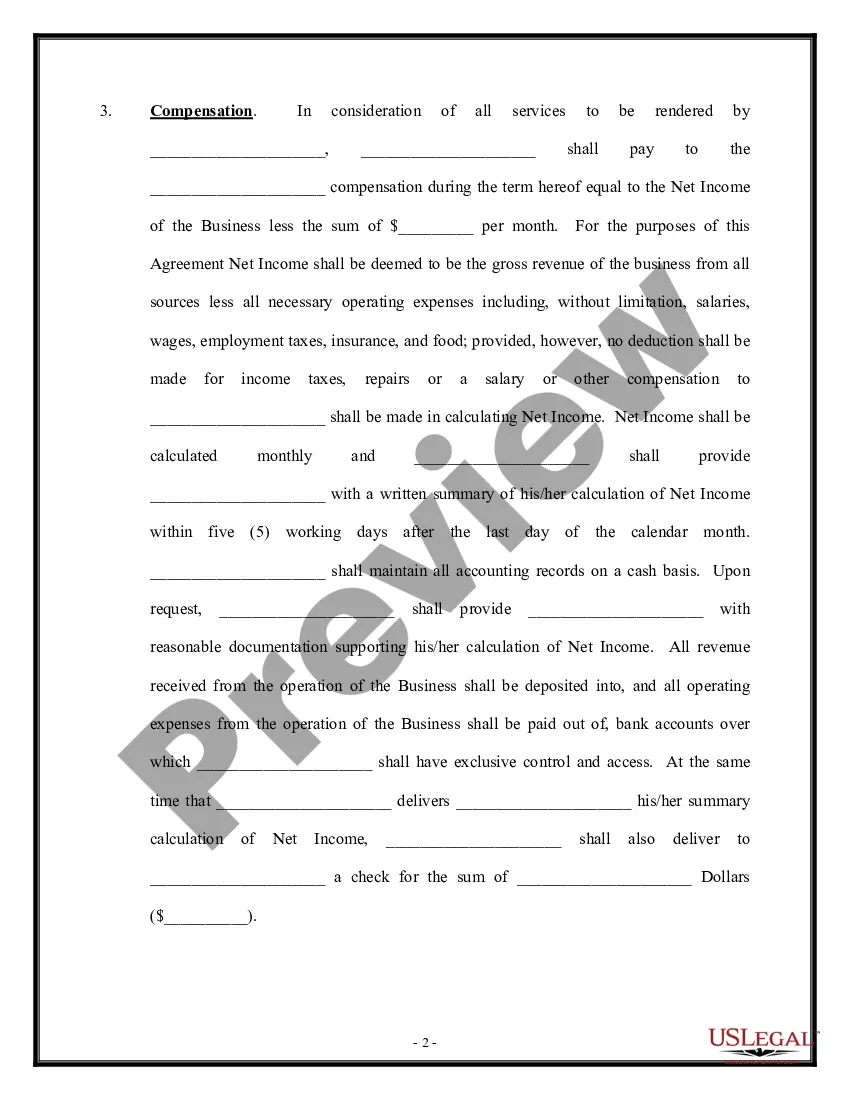
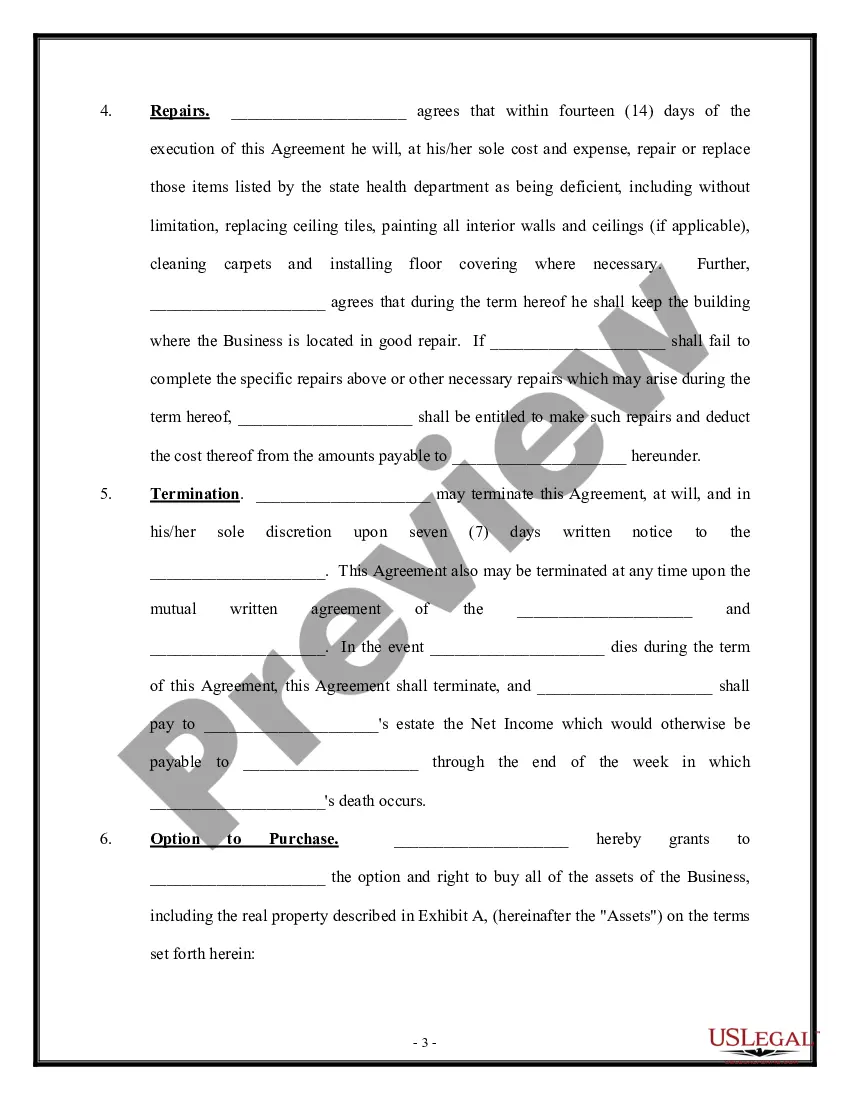
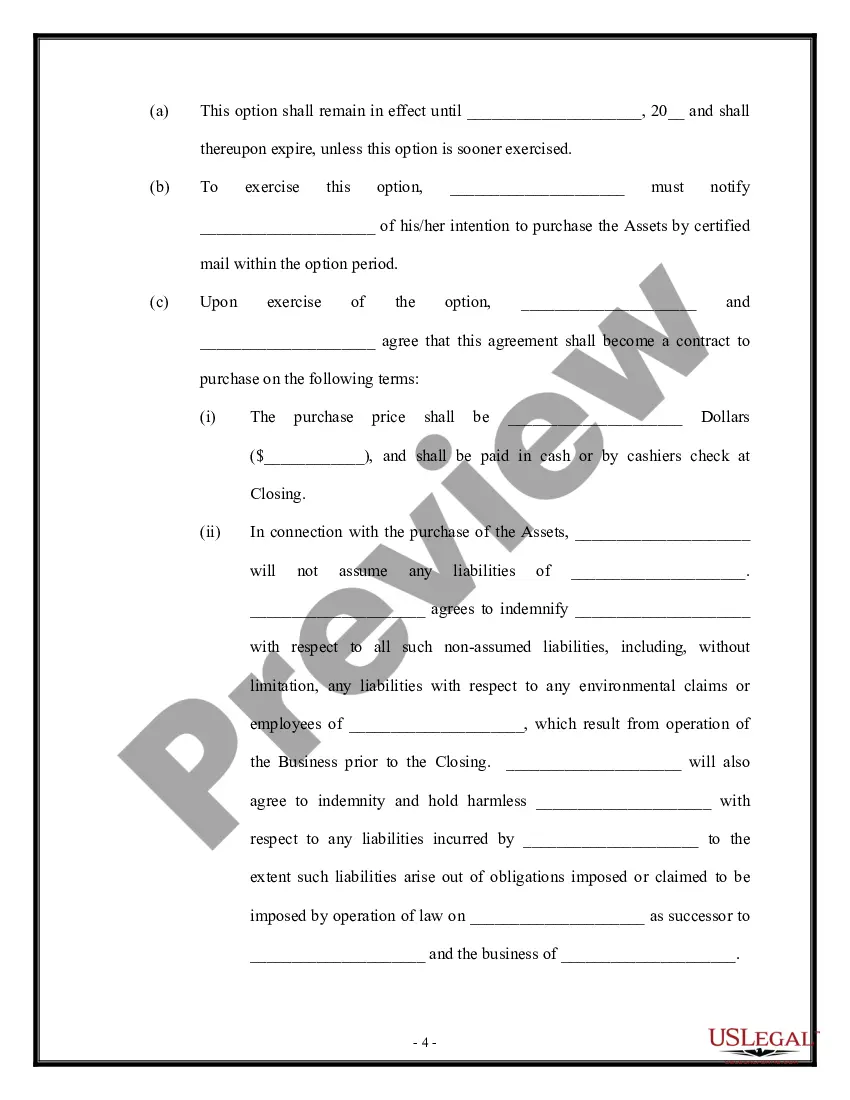
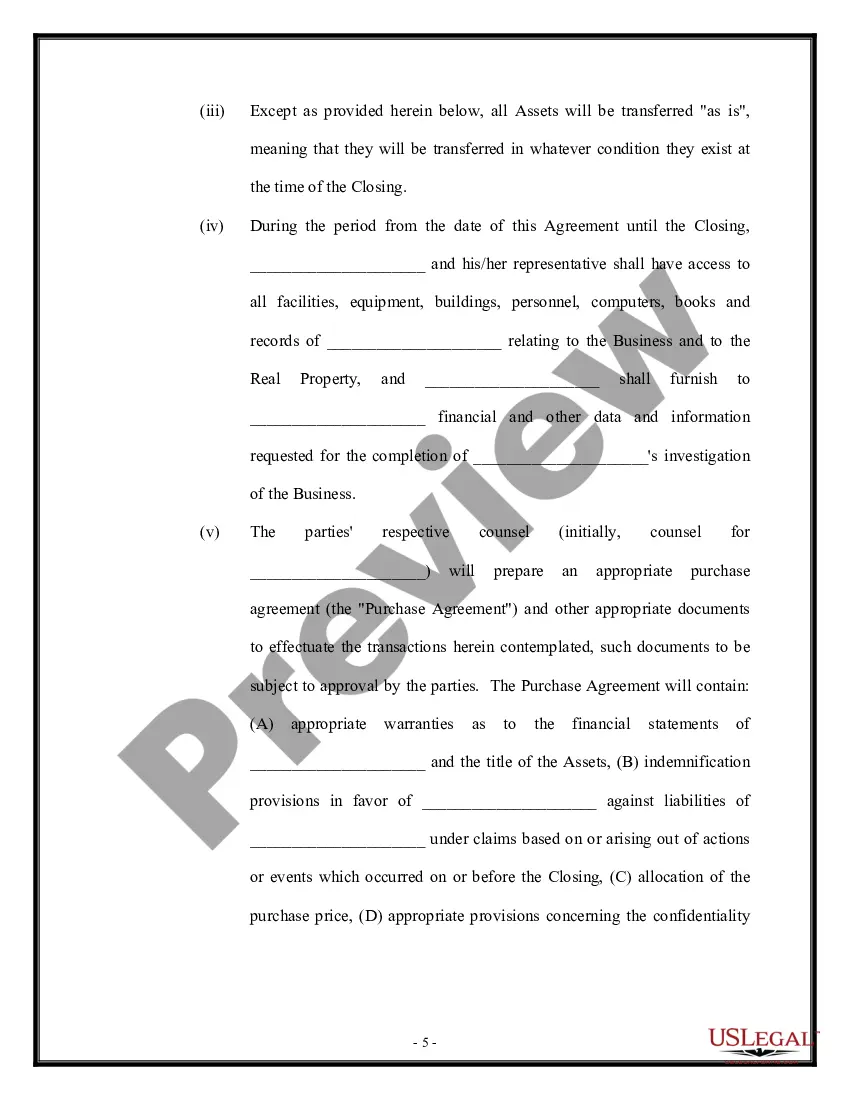
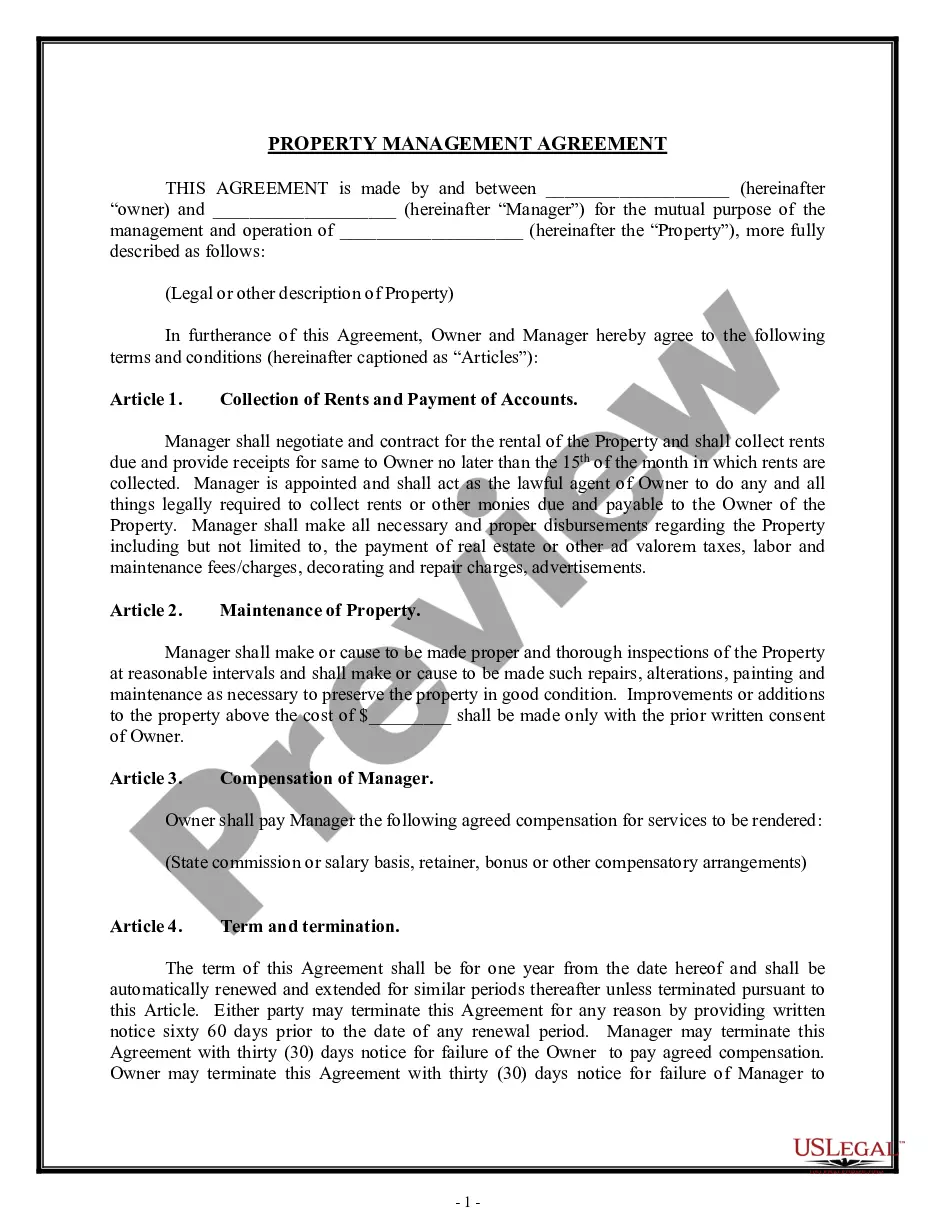
A business management agreement formalizes the working relationship between a business and its manager. The contract will include information such as budgeting, the percentage of business revenue owed to the manager, and confidentiality requirements.
Contract administration concentrates on the initial setup of contracts, laying the groundwork for clear terms and expectations. Contract management takes a comprehensive approach, overseeing the contract throughout its entire lifecycle, from creation to renewal.
Some examples of Contract Management activities are: Phone calls with suppliers; Meetings with suppliers; Score carding of suppliers; Site visits; Analysing performance information; Problem solving; Benchmarking against other similar contracts/suppliers; Analysing management information.
Contract Management is the process of managing contracts, deliverables, deadlines, contract terms and conditions while ensuring customer satisfaction. Public and private organizations know that purchasing does not end when the contract is awarded.
