Warranty Deed Vs Deed In Hillsborough
Description

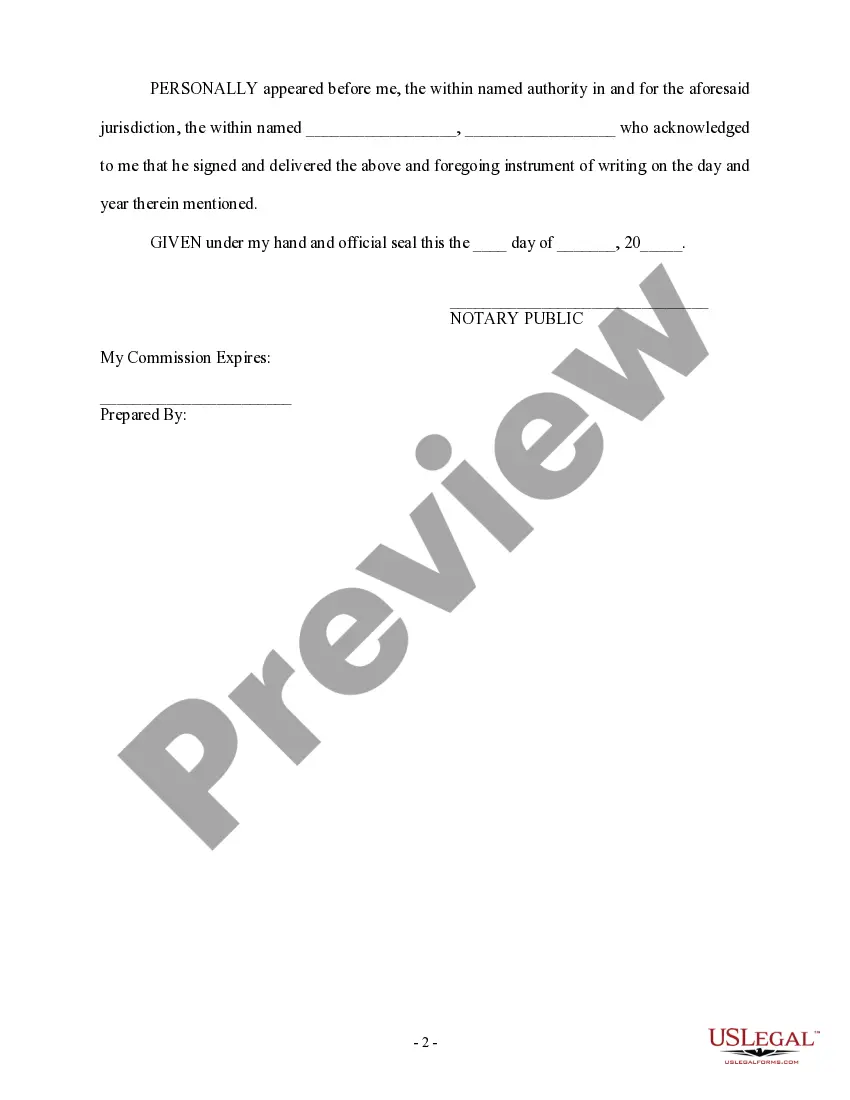
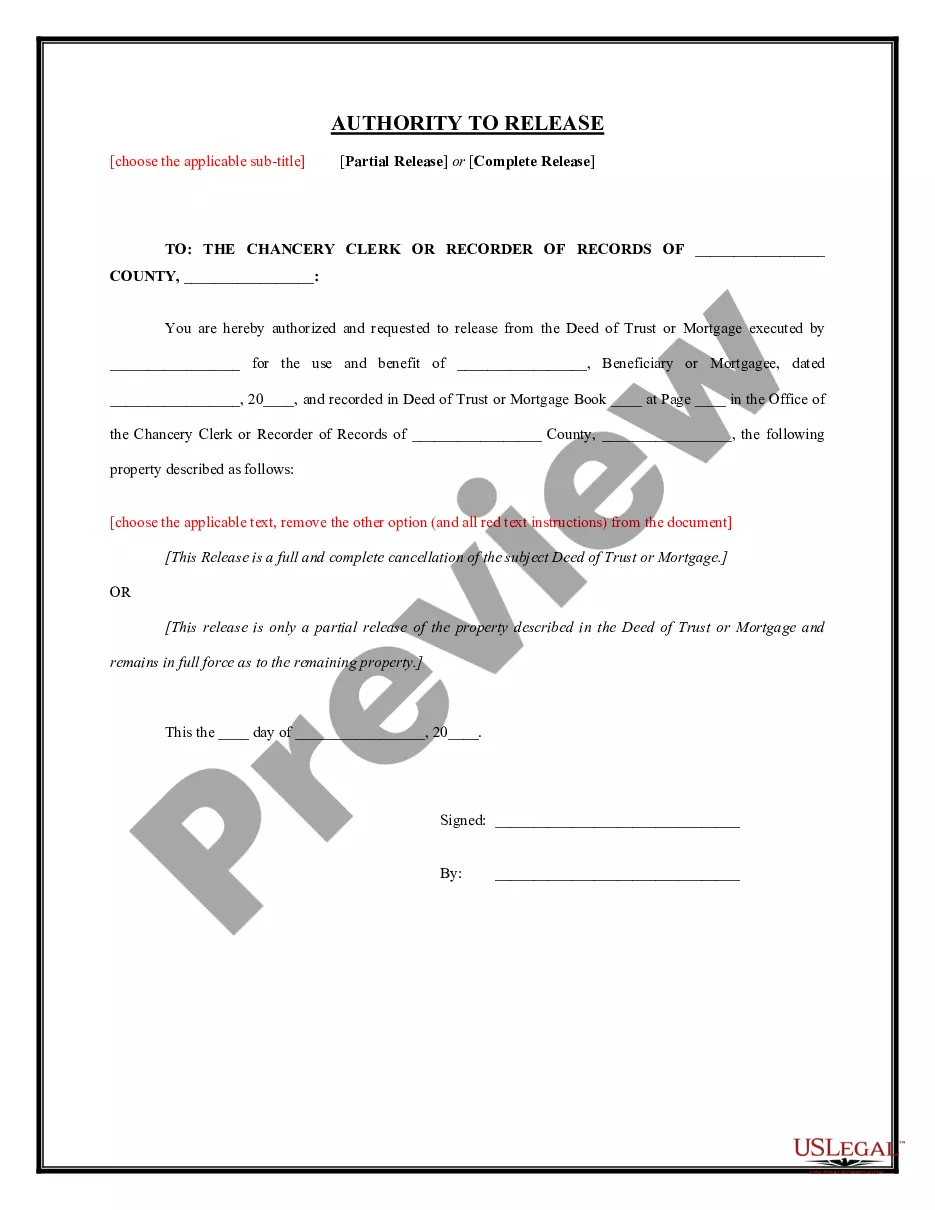
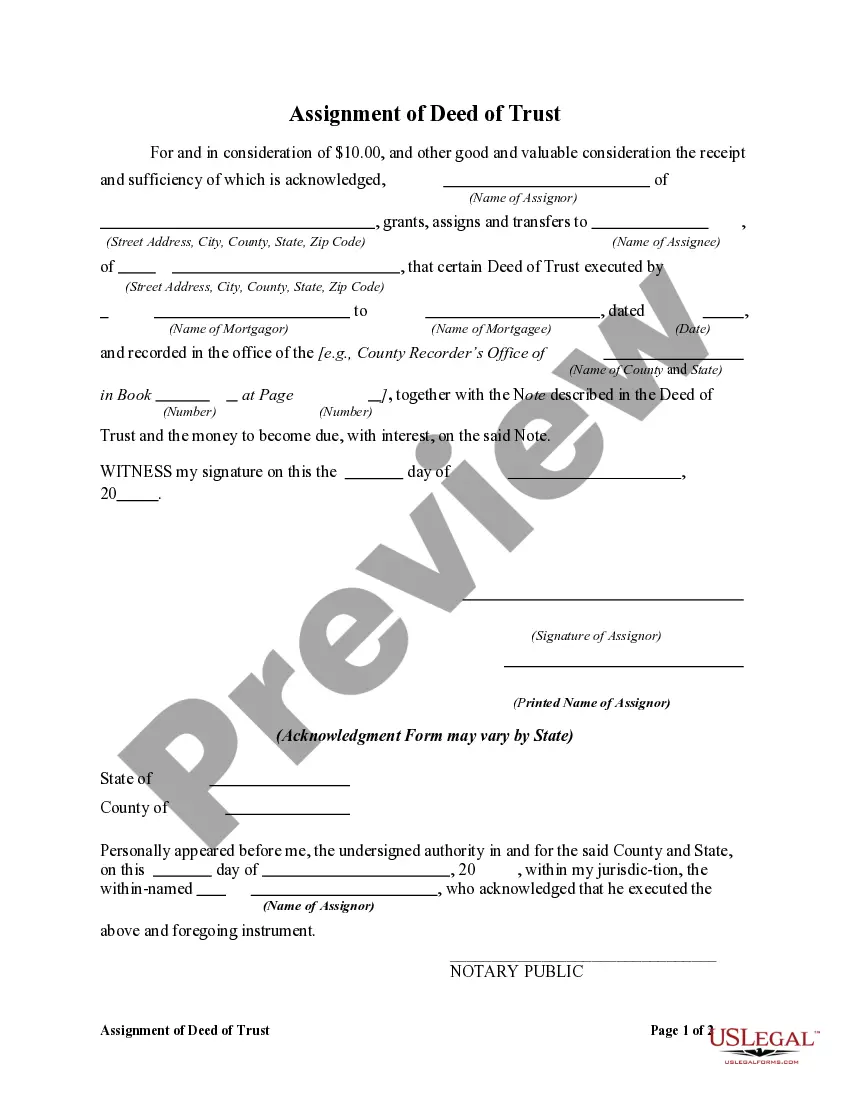
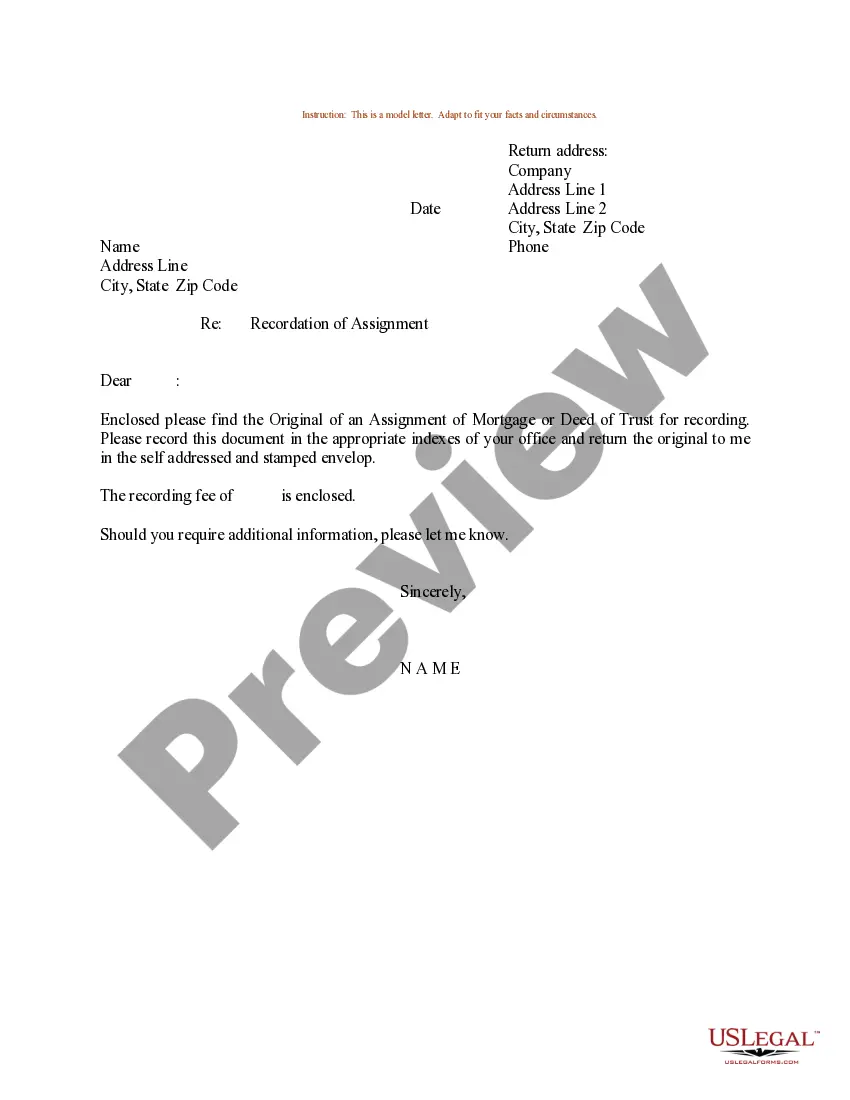

Get your form ready online
Our built-in tools help you complete, sign, share, and store your documents in one place.
Make edits, fill in missing information, and update formatting in US Legal Forms—just like you would in MS Word.
Download a copy, print it, send it by email, or mail it via USPS—whatever works best for your next step.
Sign and collect signatures with our SignNow integration. Send to multiple recipients, set reminders, and more. Go Premium to unlock E-Sign.
If this form requires notarization, complete it online through a secure video call—no need to meet a notary in person or wait for an appointment.
We protect your documents and personal data by following strict security and privacy standards.

Make edits, fill in missing information, and update formatting in US Legal Forms—just like you would in MS Word.

Download a copy, print it, send it by email, or mail it via USPS—whatever works best for your next step.

Sign and collect signatures with our SignNow integration. Send to multiple recipients, set reminders, and more. Go Premium to unlock E-Sign.

If this form requires notarization, complete it online through a secure video call—no need to meet a notary in person or wait for an appointment.

We protect your documents and personal data by following strict security and privacy standards.
Looking for another form?






Form popularity
FAQ
General Warranty Deed General Warranty Deeds are the strongest deeds.
Most current deeds fall into one of four categories: 1) General Warranty, 2) Special Warranty, 3) Quit Claim deed, and 4) Bargain and Sale deed. General Warranty Deed — The General Warranty deed is often referred to simply as a warranty deed.
The types of deeds we see most often are the general warranty deed, the special warranty deed, the quitclaim deed, and the ladybird deed. Each of these deeds have a diverse range of conveyance, and depending on your objectives, you will want to narrow it down to the one that matches your goals.
By far the most important type of deed is the “warranty deed.” There are two types of warranty deeds — general and special. Whether a deed is a warranty deed is significant because a warranty deed (whether general or special) provides certain assurances with regard to title that other deeds do not provide.
The types of deeds we see most often are the general warranty deed, the special warranty deed, the quitclaim deed, and the ladybird deed. Each of these deeds have a diverse range of conveyance, and depending on your objectives, you will want to narrow it down to the one that matches your goals.
Recording a Deed Must present a photocopy of a government issued photo identification for each grantor(s) and grantee(s) listed on the deed. "Prepared by" statement (name and address of the "natural" person preparing the Deed) Grantor(s) (Sellers-Party Giving Title) names legibly printed in the body of the deed.
Documents should be original and notarized with a full notary acknowledgment. Documents affecting real property (Deed, Mortgage, Notice of Commencement, etc.) must have the legal description of the property. Documents referencing a previously recorded document (Satisfaction, Release, Assignment, Modification, etc.)
An attorney licensed to practice law in Florida must prepare deeds, powers of attorney, and other instruments that are to be recorded. General closing documents that will not be recorded can be prepared by a non-attorney provided they are not contractual in nature.
How do you file a warranty deed in Florida? A properly executed warranty deed is filed, or recorded, in the official records of the county where the property is located. The county records office will scan and stamp the deed. The records office will return the original to the property buyer.
