Quick Deed Vs Warranty Deed In Georgia
Description
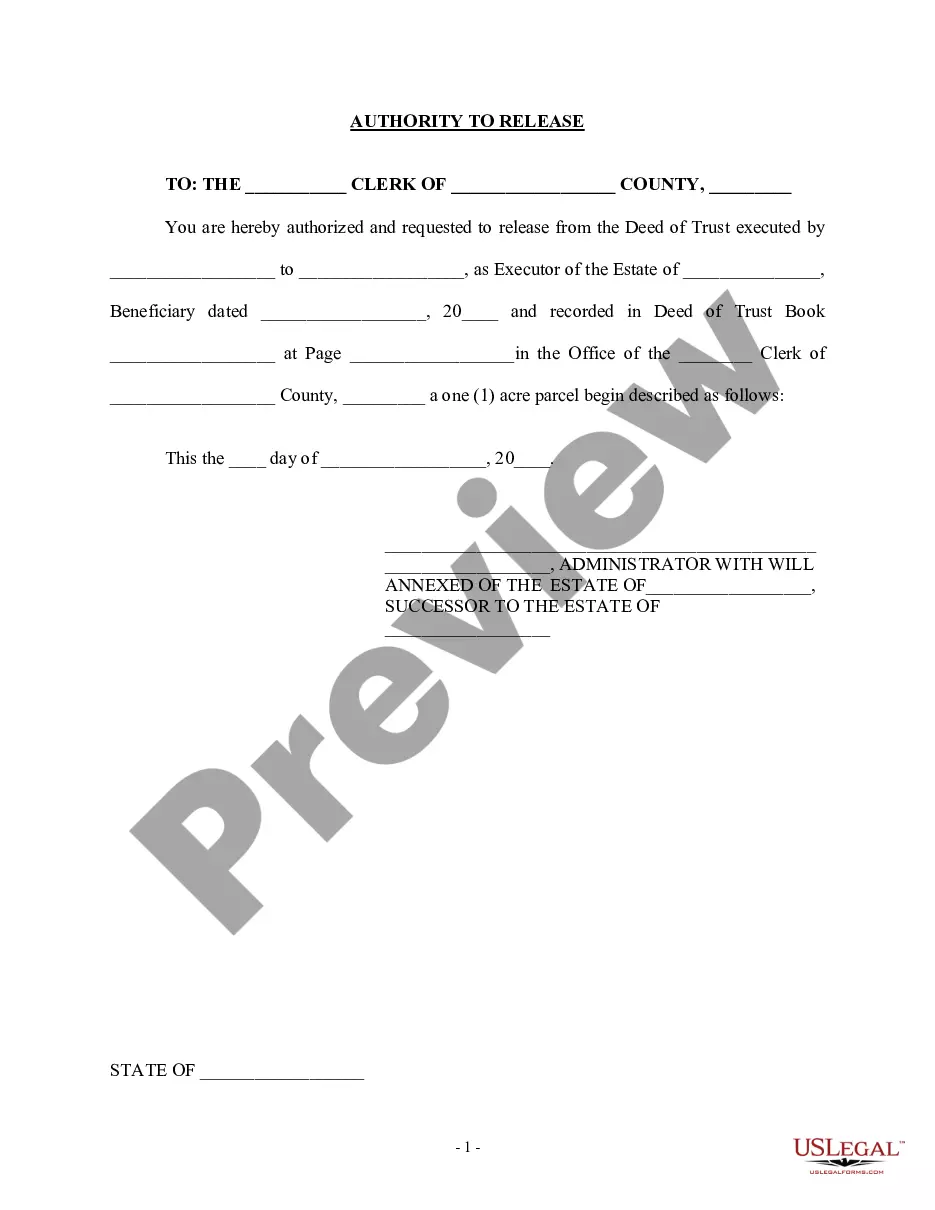
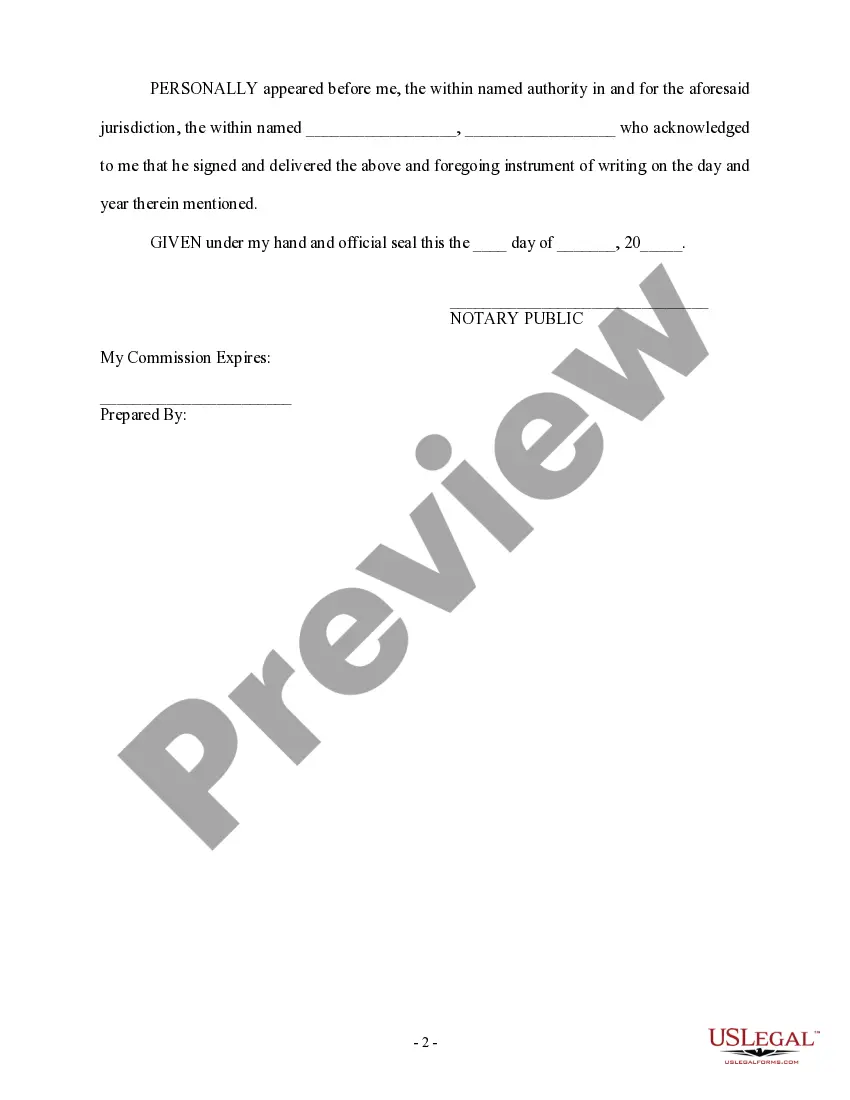
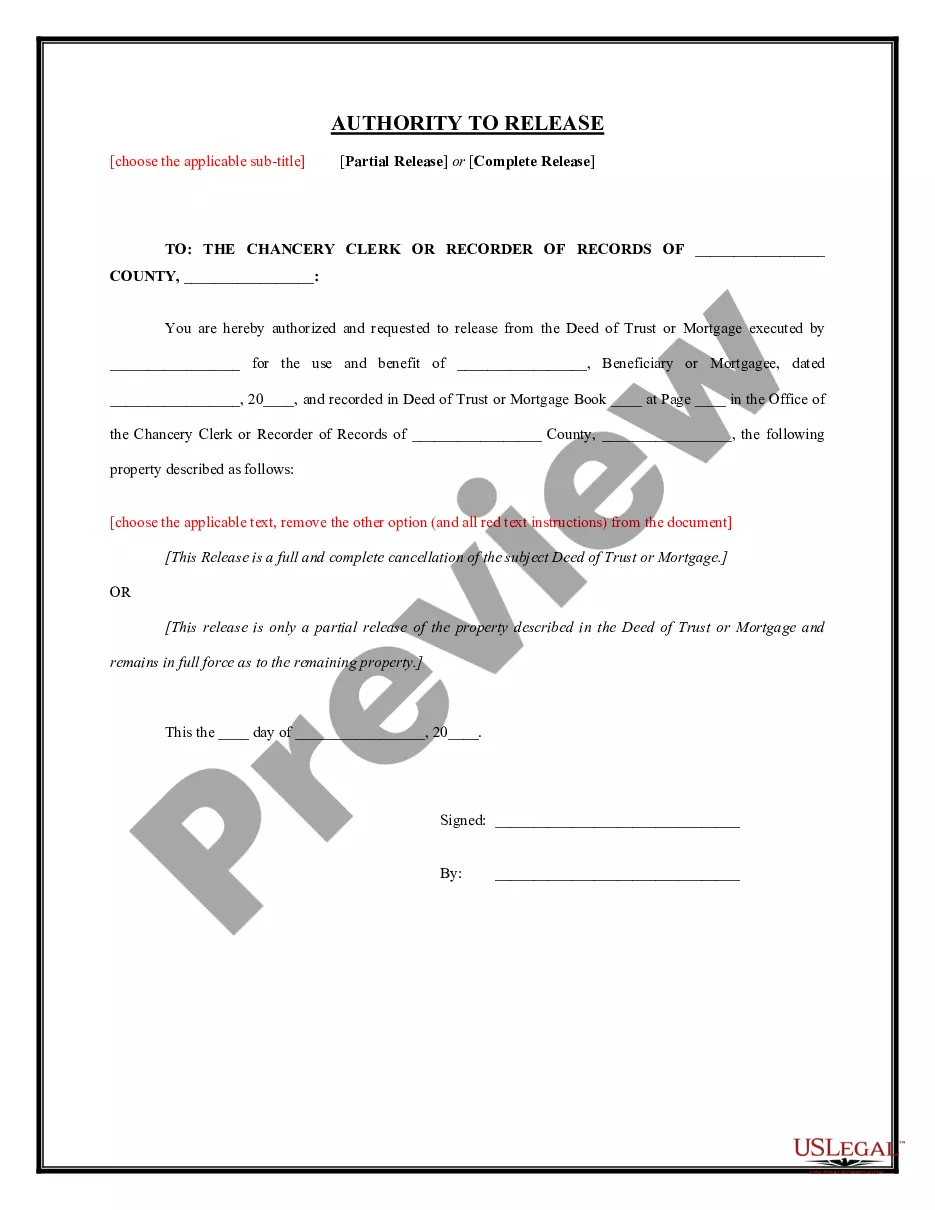
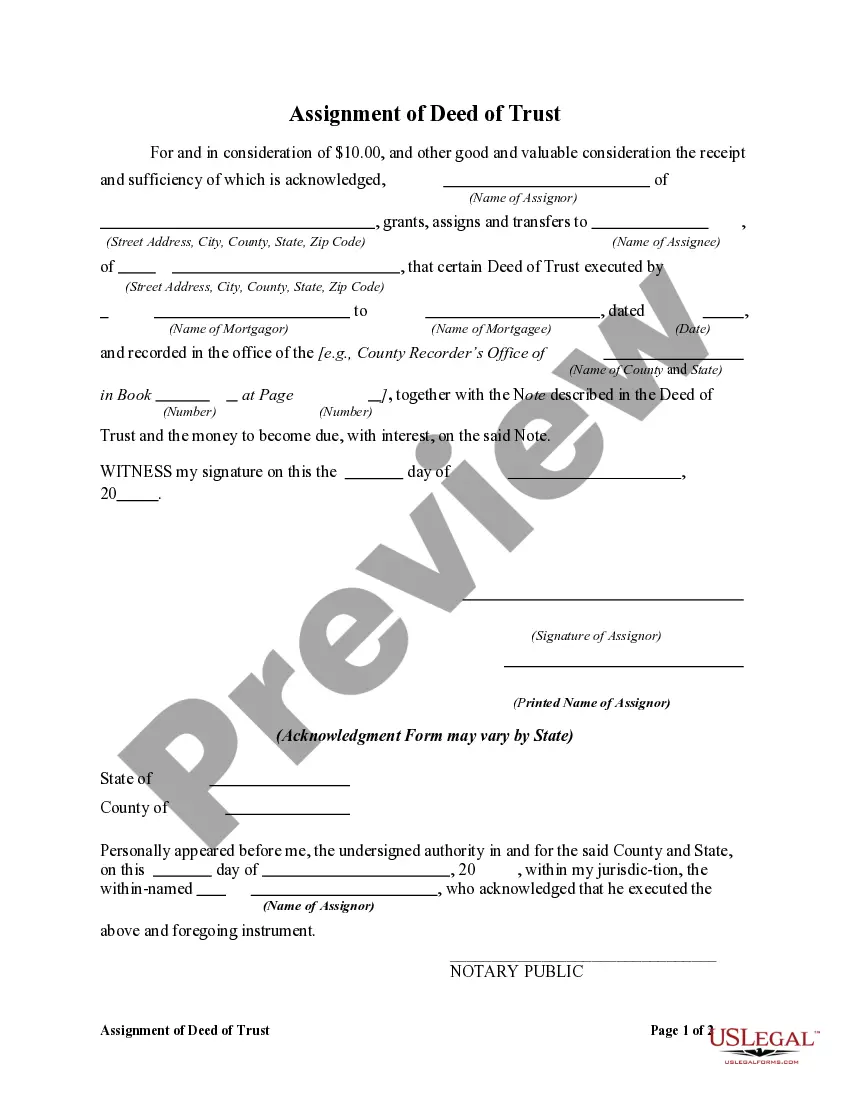

Get your form ready online
Our built-in tools help you complete, sign, share, and store your documents in one place.
Make edits, fill in missing information, and update formatting in US Legal Forms—just like you would in MS Word.
Download a copy, print it, send it by email, or mail it via USPS—whatever works best for your next step.
Sign and collect signatures with our SignNow integration. Send to multiple recipients, set reminders, and more. Go Premium to unlock E-Sign.
If this form requires notarization, complete it online through a secure video call—no need to meet a notary in person or wait for an appointment.
We protect your documents and personal data by following strict security and privacy standards.

Make edits, fill in missing information, and update formatting in US Legal Forms—just like you would in MS Word.

Download a copy, print it, send it by email, or mail it via USPS—whatever works best for your next step.

Sign and collect signatures with our SignNow integration. Send to multiple recipients, set reminders, and more. Go Premium to unlock E-Sign.

If this form requires notarization, complete it online through a secure video call—no need to meet a notary in person or wait for an appointment.

We protect your documents and personal data by following strict security and privacy standards.
Looking for another form?







Form popularity
FAQ
You can sell as a warranty deed... but this means you are warranting clean title and the buyer can come back to you, you should only provide a warranty deed if there's a title company/title insurance being purchased.
Long story short: If you are the buyer, then the warranty deed is more favorable to you because it provides a more solid legal protection. If you're the seller, the quitclaim deed is more favorable to you.
Special Warranty Deed Risks: The limited protection may expose buyers to title issues that arose before the seller's ownership period. This can be risky, especially for older properties or those with a complicated title history.
A: Yes, a quitclaim deed can protect you by getting the deed in your own name exclusively. This is possible through a divorce proceeding or your spouse can sign a quitclaim to relinquish his rights to the property. If the mortgage is in your spouse's name, it doesn't mean he has an ownership interest.
Warranty Deeds A warranty deed offers the same promises as a grant deed, and then some. The owner of a property is guaranteeing that they have the full right to sell and transfer the property, and that the property is clear of any present or future claims, such as liens and taxes.
A warranty deed offers the strongest protection. It protects the party receiving the property title in case there turns out to be any issues with the title.
A quitclaim deed gives the grantee the least protection under the law. Deed fraud, long a perennial issue, is reported to be on the rise.
Because of the lack of title guarantees, quitclaim deeds are most often used to transfer property between two parties who know and trust each other, such as family members.
A warranty deed offers the strongest protection. It protects the party receiving the property title in case there turns out to be any issues with the title.
There are only a few steps that are required: The two parties would fill out a deed that includes certain basic information about the parties, properties, and transaction. Both parties would sign the deed and have it notarized. The quitclaim deed is then filed with the local county clerk's office.
