Warranty Deed Vs Quitclaim Deed Form California In California
Description

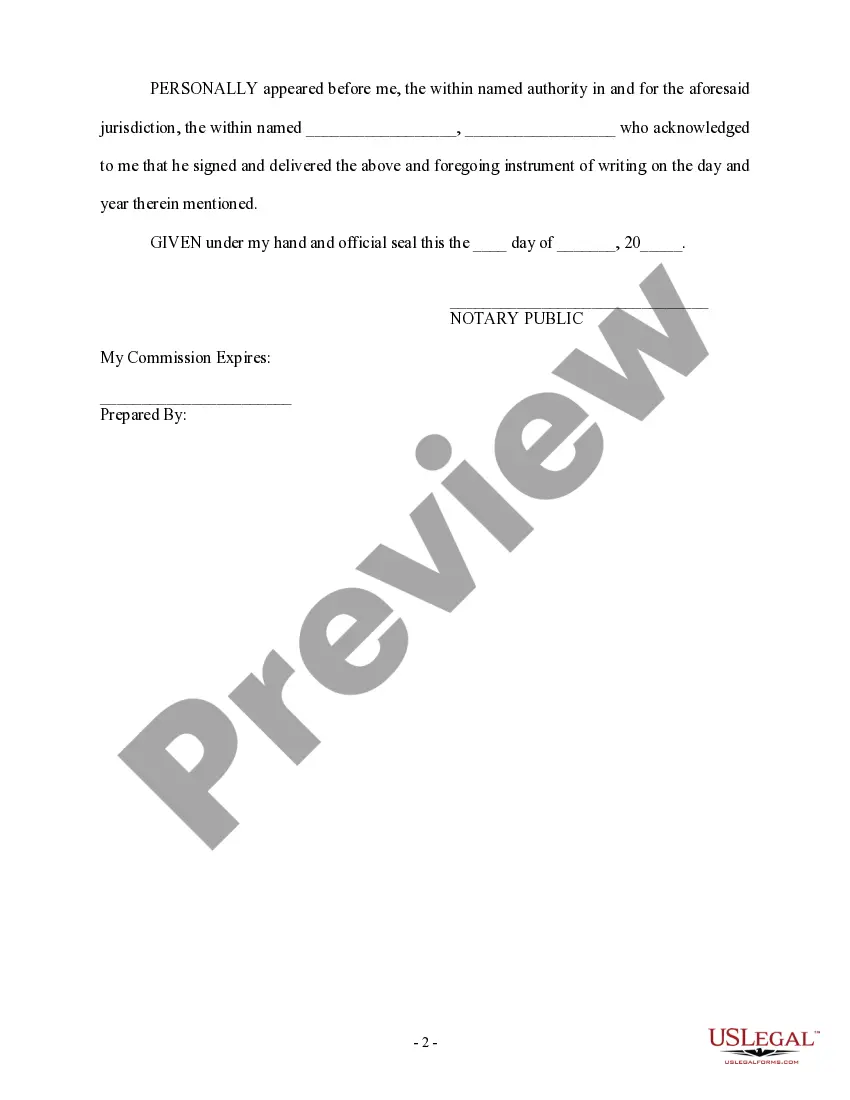
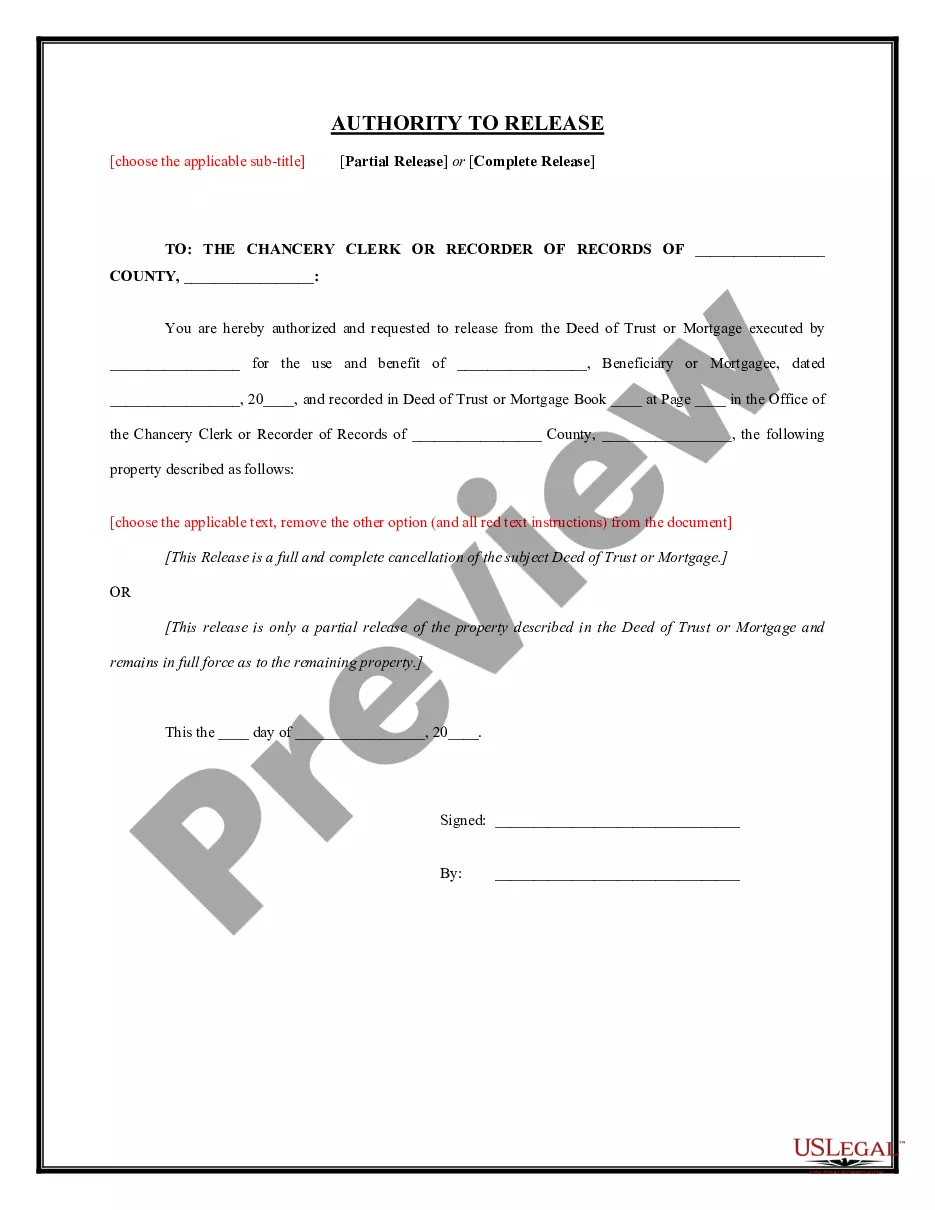
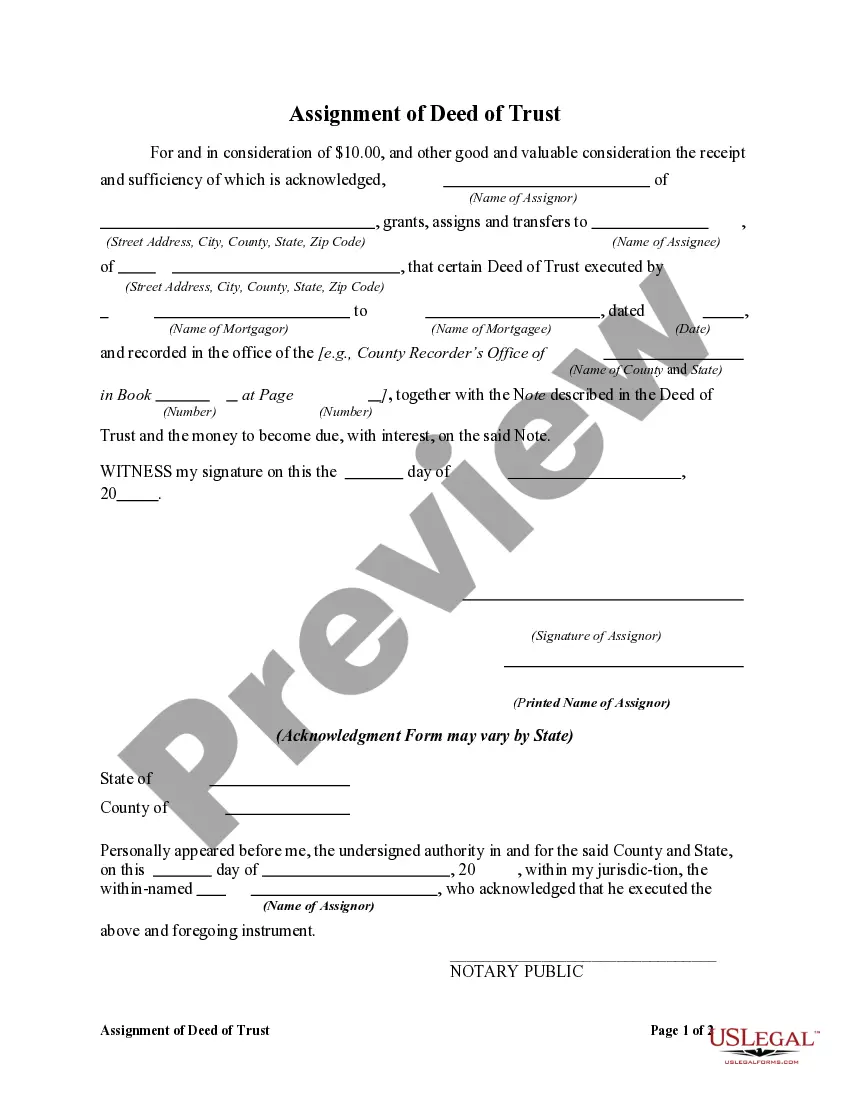

Get your form ready online
Our built-in tools help you complete, sign, share, and store your documents in one place.
Make edits, fill in missing information, and update formatting in US Legal Forms—just like you would in MS Word.
Download a copy, print it, send it by email, or mail it via USPS—whatever works best for your next step.
Sign and collect signatures with our SignNow integration. Send to multiple recipients, set reminders, and more. Go Premium to unlock E-Sign.
If this form requires notarization, complete it online through a secure video call—no need to meet a notary in person or wait for an appointment.
We protect your documents and personal data by following strict security and privacy standards.

Make edits, fill in missing information, and update formatting in US Legal Forms—just like you would in MS Word.

Download a copy, print it, send it by email, or mail it via USPS—whatever works best for your next step.

Sign and collect signatures with our SignNow integration. Send to multiple recipients, set reminders, and more. Go Premium to unlock E-Sign.

If this form requires notarization, complete it online through a secure video call—no need to meet a notary in person or wait for an appointment.

We protect your documents and personal data by following strict security and privacy standards.
Looking for another form?








Form popularity
FAQ
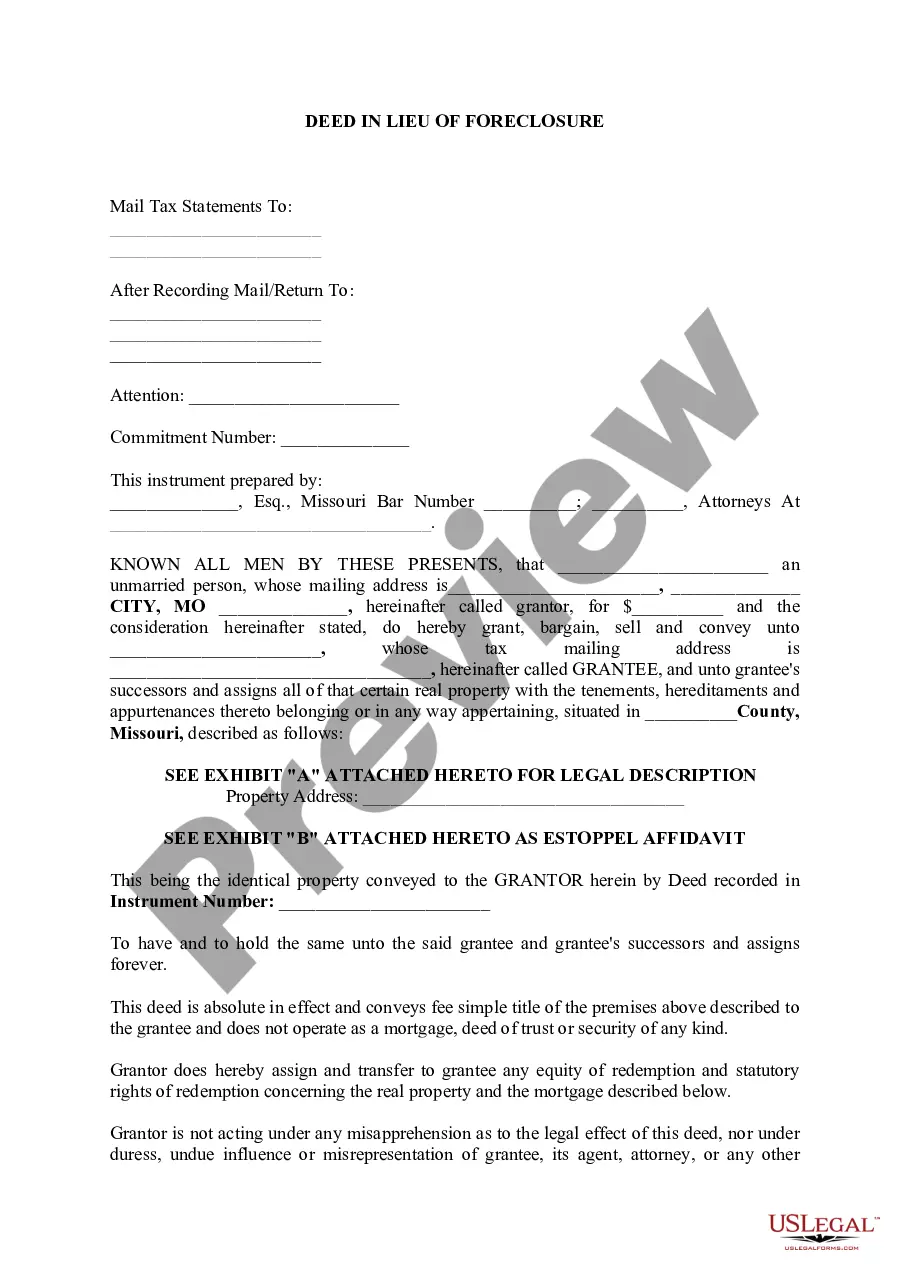
Warranty Deed Warranty Deeds are used in most home sales between unrelated parties because they offer the most protection for buyers without established trust. If any title issues arise after a sale, a Warranty Deed ensures that the seller remains responsible. There are two types of Warranty Deeds: special and general.
General Warranty Deeds offer the highest level of protection, while Limited Warranty Deeds limit the seller's warranties to their period of ownership. Quitclaim Deeds provide no warranties at all but can be useful in certain situations.
A warranty deed promises that the grantor holds good, clear title to a piece of real estate. It promises also that the grantor has the right and authority right to sell it to the grantee or buyer. A quitclaim deed, on the other hand, makes no promises about the quality of the title to the property.
General warranty deeds give the grantee the most legal protection, while special warranty deeds give the grantee more limited protection. A quitclaim deed gives the grantee the least protection under the law.
A deed, as you know, is the legal document used by property owners to transfer their ownership of the property to a new owner. In California, the vast majority of property is transferred through one of two types of deeds: the grant deed – by far the most commonly used – and the quitclaim deed.
Warranty deeds are rarely used in California because they are prohibited. Grant deeds, which offer some protections to the buyer, are commonly used instead. In other states, warranty deeds are commonly used because they provide greater protection through express covenants that run with the land.
Finally the completed deed should be filed with the appropriate. Local government office such as theMoreFinally the completed deed should be filed with the appropriate. Local government office such as the county. Recorder's.
Today, Californians most often transfer title to real property by a simple written instrument, the grant deed. The word “grant” is expressly designated by statute as a word of conveyance. (Civil Code Section 1092) A second form of deed is the quitclaim deed.
California mainly uses two types of deeds: the “grant deed” and the “quitclaim deed.” Most other deeds you will see, such as the common “interspousal transfer deed,” are versions of grant or quitclaim deeds customized for specific circumstances.
