Warranty Deed Vs Quitclaim Deed For Gift In Alameda
Description

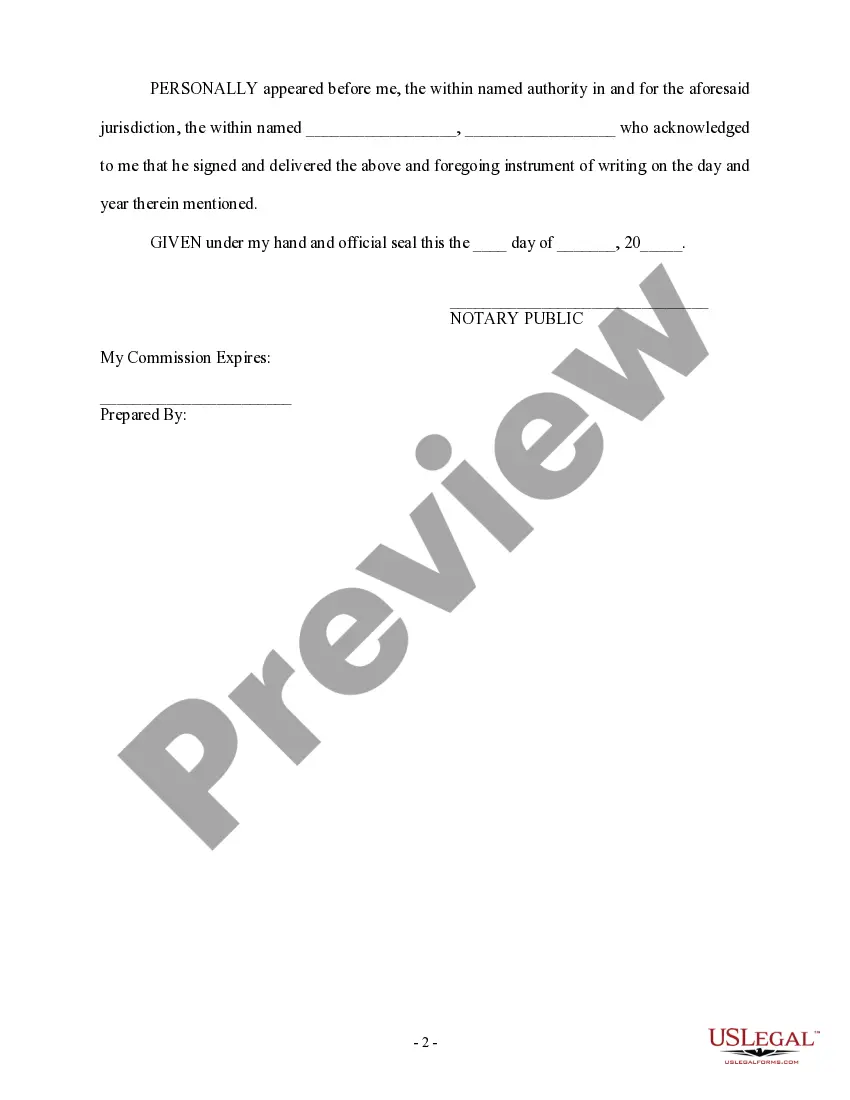
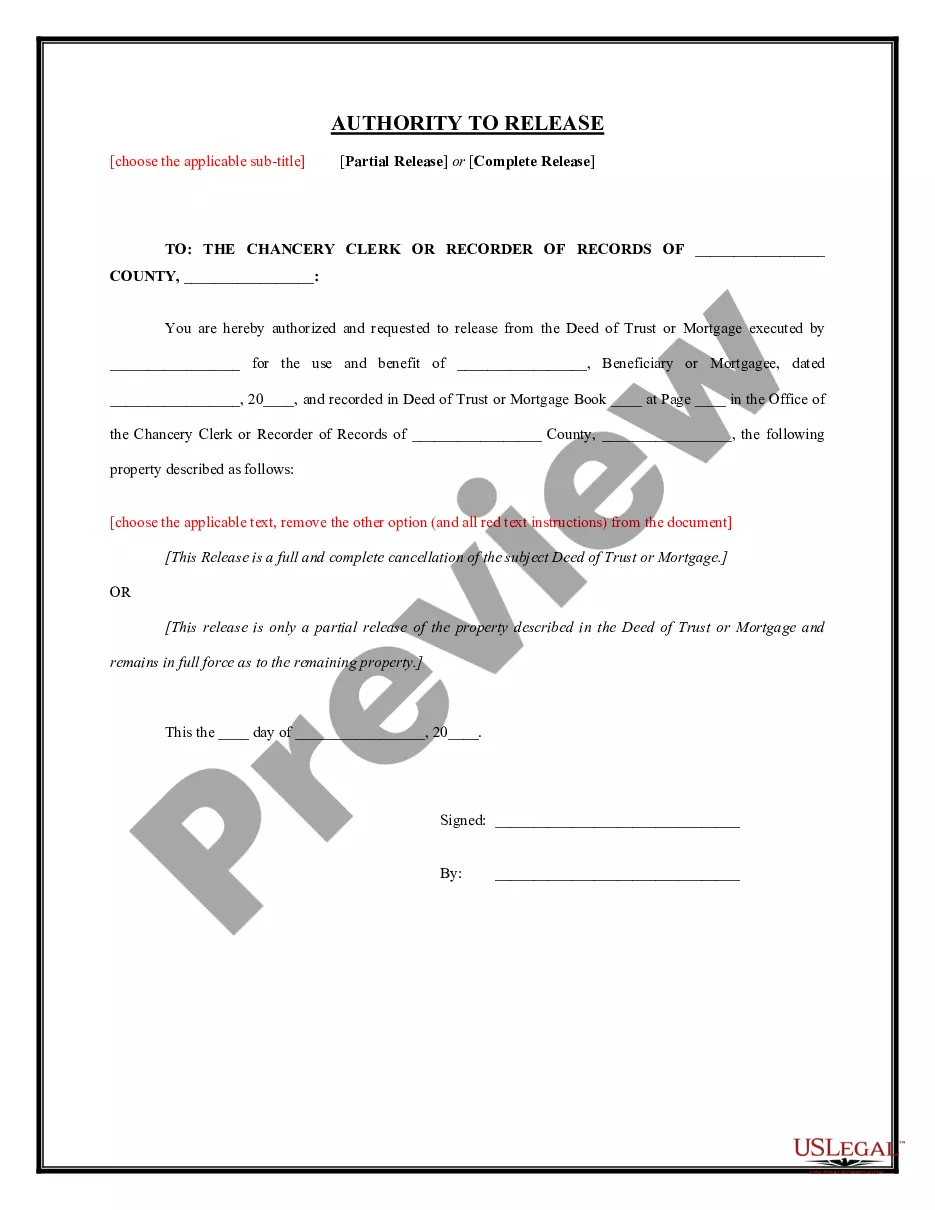
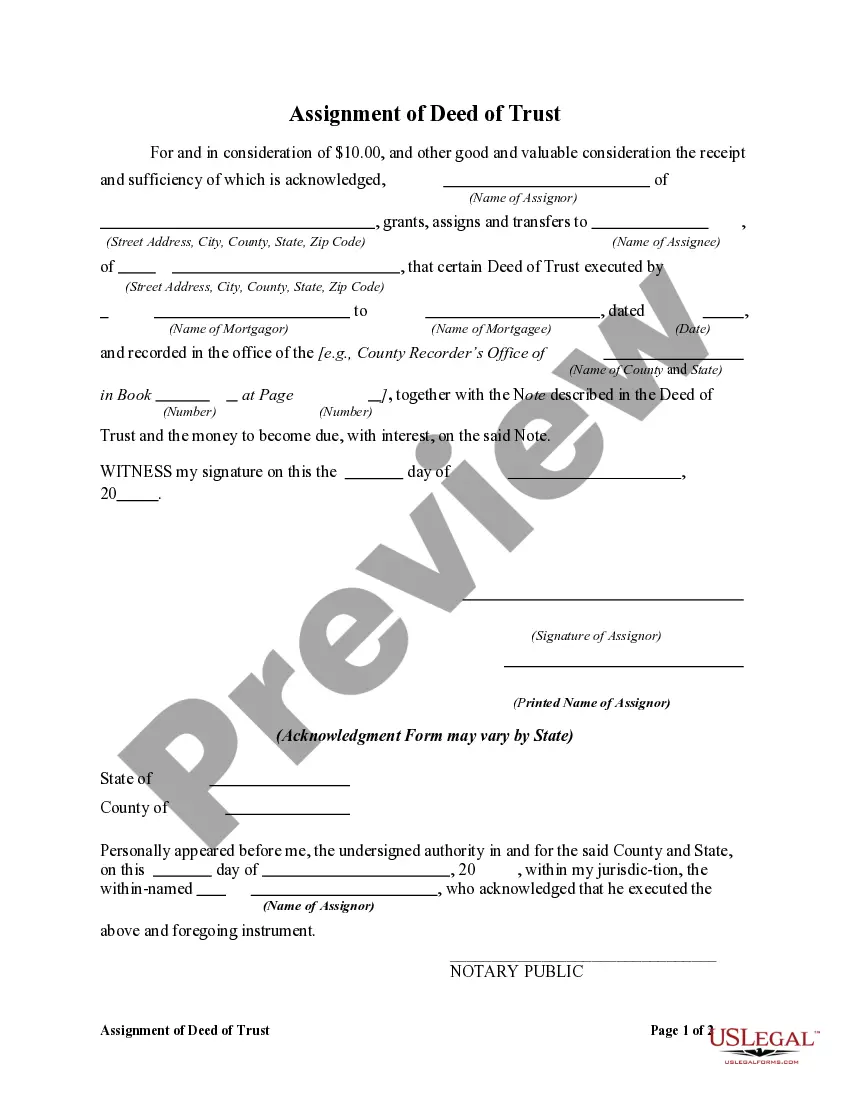

Get your form ready online
Our built-in tools help you complete, sign, share, and store your documents in one place.
Make edits, fill in missing information, and update formatting in US Legal Forms—just like you would in MS Word.
Download a copy, print it, send it by email, or mail it via USPS—whatever works best for your next step.
Sign and collect signatures with our SignNow integration. Send to multiple recipients, set reminders, and more. Go Premium to unlock E-Sign.
If this form requires notarization, complete it online through a secure video call—no need to meet a notary in person or wait for an appointment.
We protect your documents and personal data by following strict security and privacy standards.

Make edits, fill in missing information, and update formatting in US Legal Forms—just like you would in MS Word.

Download a copy, print it, send it by email, or mail it via USPS—whatever works best for your next step.

Sign and collect signatures with our SignNow integration. Send to multiple recipients, set reminders, and more. Go Premium to unlock E-Sign.

If this form requires notarization, complete it online through a secure video call—no need to meet a notary in person or wait for an appointment.

We protect your documents and personal data by following strict security and privacy standards.
Looking for another form?






Form popularity
FAQ
In summary, a quitclaim deed may not be suitable in situations where there is uncertainty about ownership, when a buyer wants protection against potential title issues, when obtaining a mortgage or refinancing, or in certain real estate transactions that require more guarantees and protections.
It's safer to use a warranty deed any time you are not entirely sure of your or someone else's ownership stake in any property. If you are transferring a property to your child or to a revocable trust agreement as part of an estate plan, then a quitclaim deed could do the trick.
Moreover, a quitclaim deed does not convey any after-acquired title.
A quitclaim deed is only valid if both parties willingly performed the property transfer. If there is evidence that the grantor was coerced into filing the quitclaim against their will, this is grounds to revoke it.
Quitclaim deeds, therefore, are commonly used to transfer property within a family, such as from a parent to an adult child, between siblings, or when a property owner gets married and wants to add their spouse to the title. Married couples who own a home together and later divorce also use quitclaim deeds.
Cons of Manufacturer Warranties Limited Coverage Scope: Manufacturer warranties often have limitations on the specific components or issues they cover. Certain parts or conditions may be excluded from the warranty coverage, requiring you to review the warranty terms and conditions carefully.
The deed of gift is a formal and legal agreement between the donor and the repository that transfers ownership of and legal rights to the donated materials.
General warranty deeds: A general warranty deed provides the most protection to the buyer but gives the grantor the highest degree of liability. The grantor of a general warranty deed fully warrants good, clear title to the property.
There are also some disadvantages to using gift deeds: It is irrevocable post-execution, which can lead to complications if problems arise in the future between the donor and donee. There are extra costs in the form of stamp duty, which vary from state to state.
