Modification Form For Child Support In Utah
Description

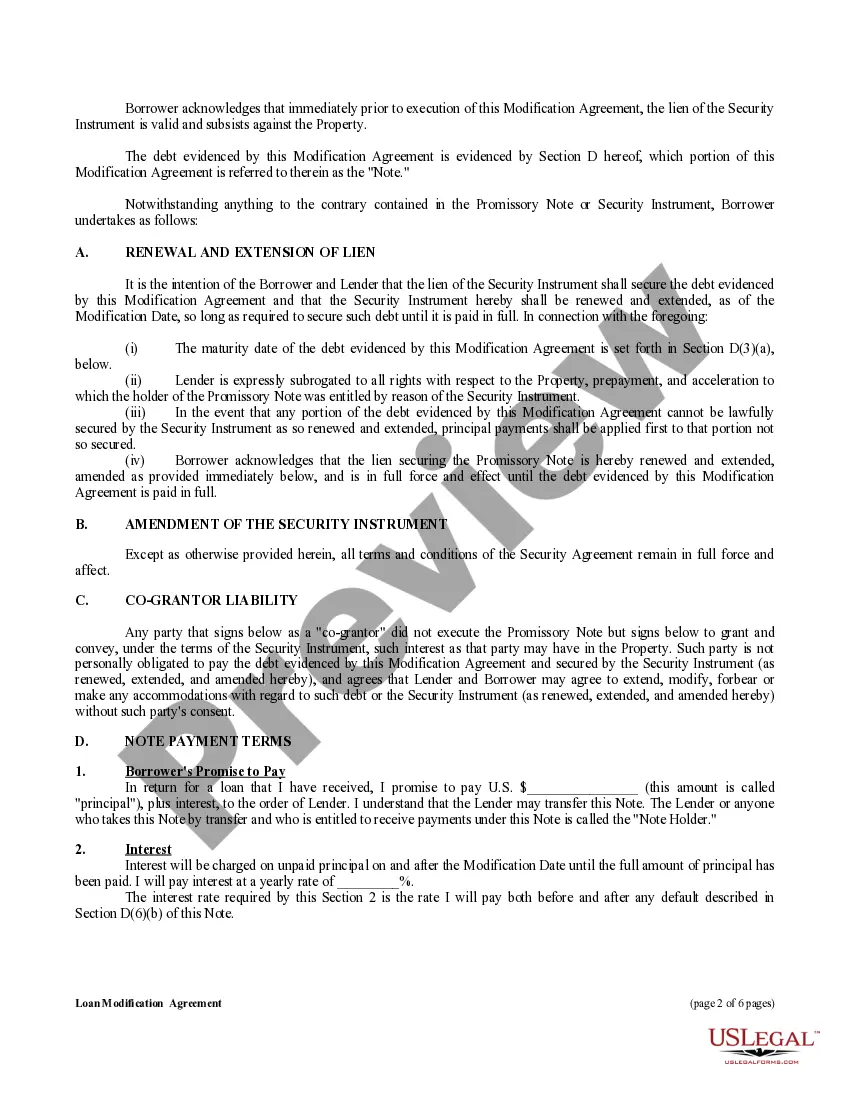
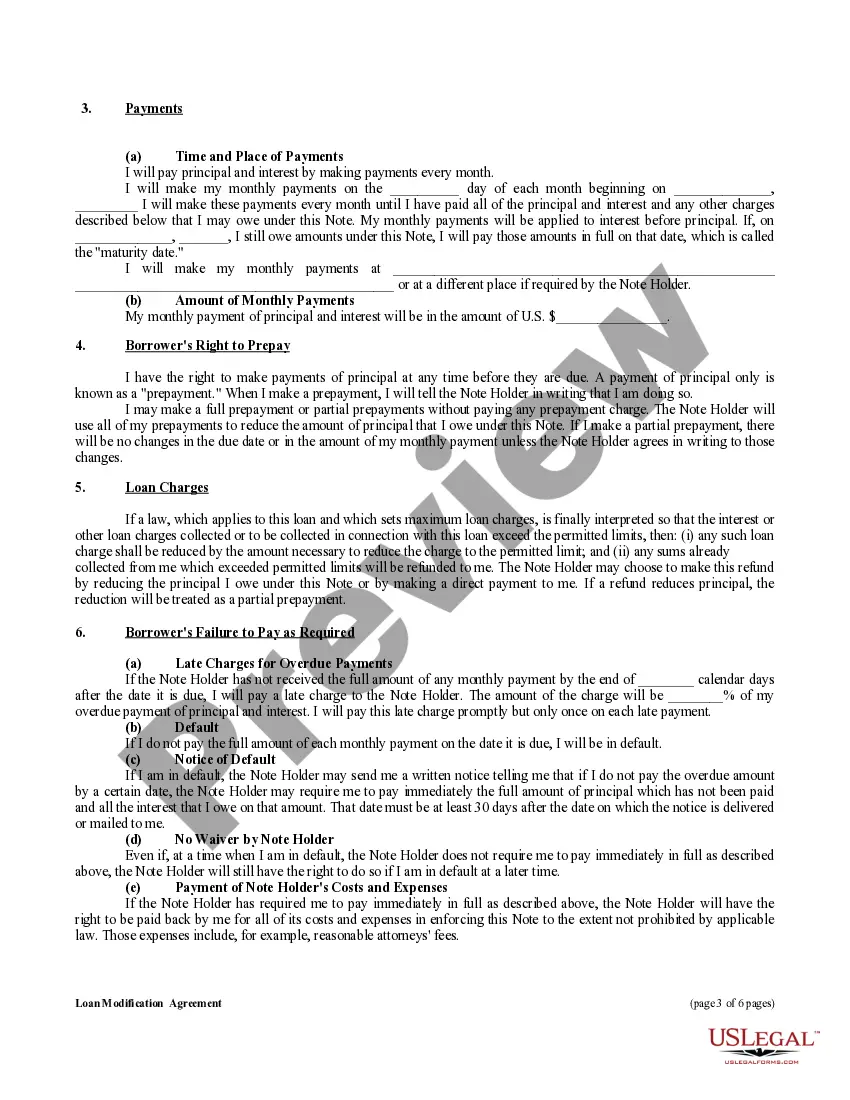
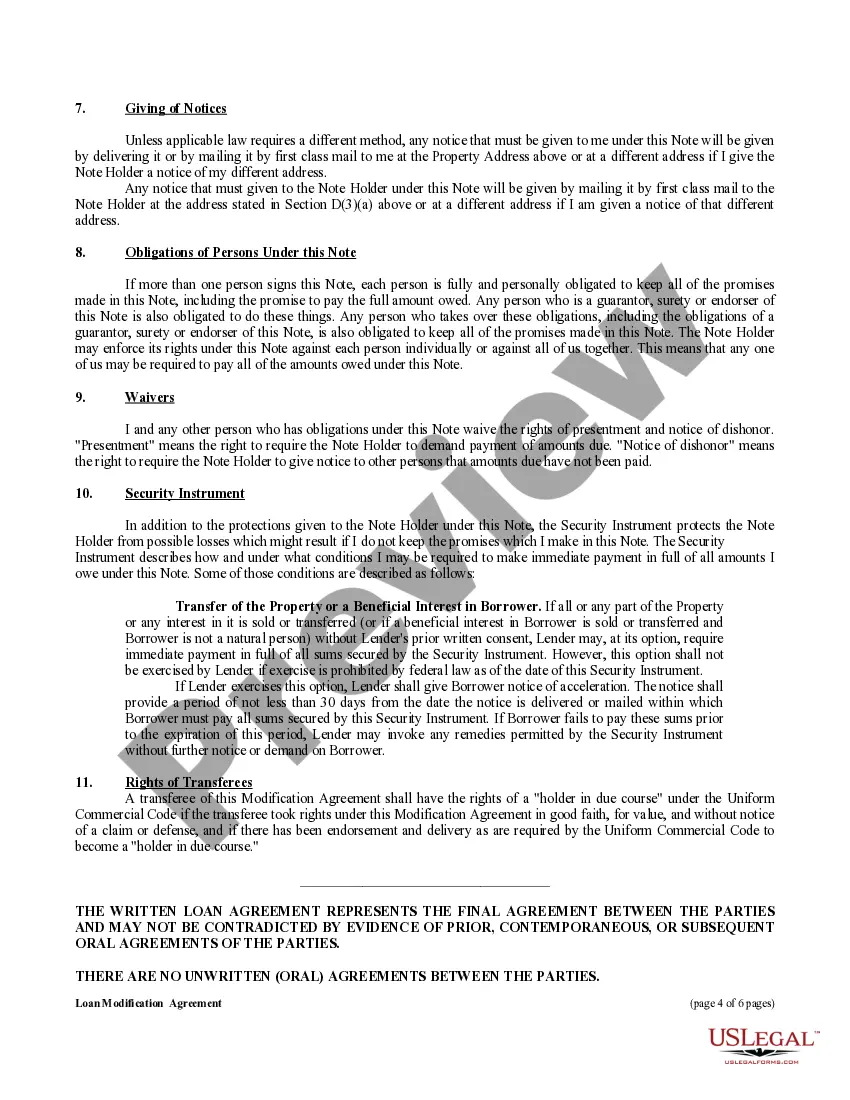
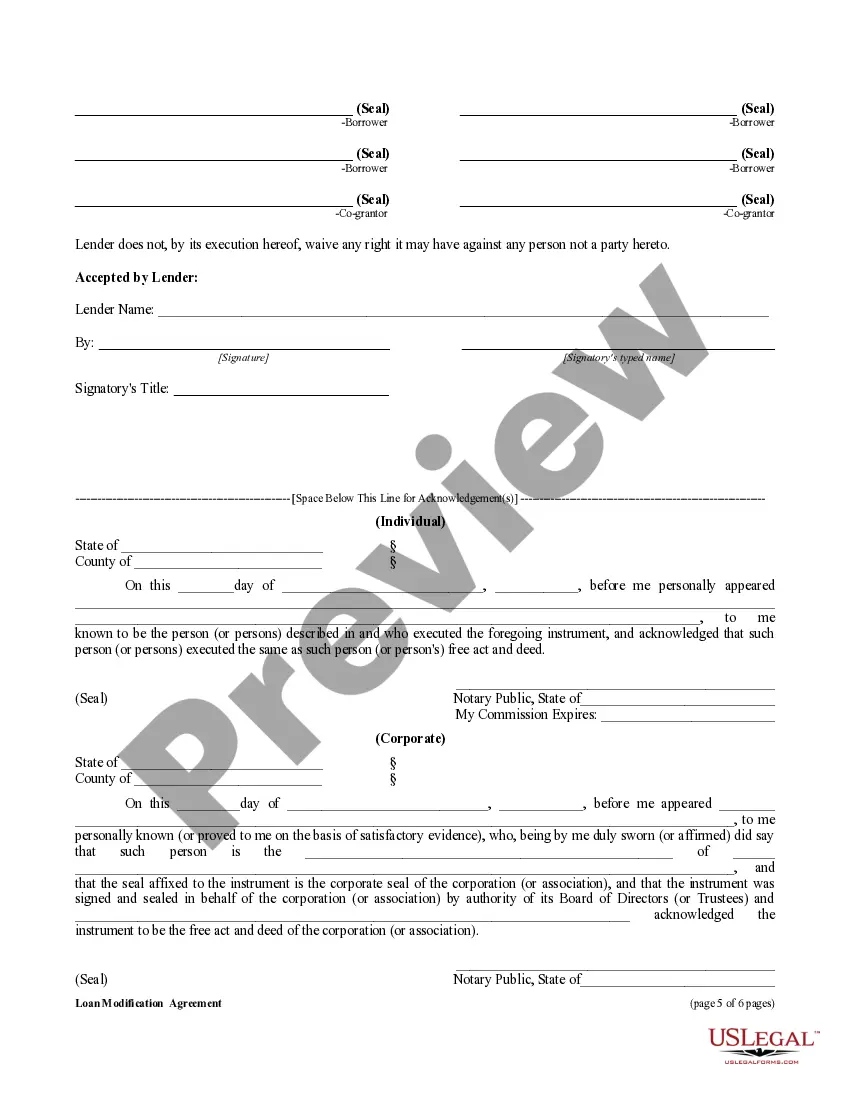


Get your form ready online
Our built-in tools help you complete, sign, share, and store your documents in one place.
Make edits, fill in missing information, and update formatting in US Legal Forms—just like you would in MS Word.
Download a copy, print it, send it by email, or mail it via USPS—whatever works best for your next step.
Sign and collect signatures with our SignNow integration. Send to multiple recipients, set reminders, and more. Go Premium to unlock E-Sign.
If this form requires notarization, complete it online through a secure video call—no need to meet a notary in person or wait for an appointment.
We protect your documents and personal data by following strict security and privacy standards.

Make edits, fill in missing information, and update formatting in US Legal Forms—just like you would in MS Word.

Download a copy, print it, send it by email, or mail it via USPS—whatever works best for your next step.

Sign and collect signatures with our SignNow integration. Send to multiple recipients, set reminders, and more. Go Premium to unlock E-Sign.

If this form requires notarization, complete it online through a secure video call—no need to meet a notary in person or wait for an appointment.

We protect your documents and personal data by following strict security and privacy standards.
Looking for another form?










Form popularity
FAQ
Usually the court will not consider child's preference unless the child is at least 14 years old.
At age 18 in all of the United States, a child can decide not to visit the other parent without consequence to themselves or the favored parent. Children who are considered legal adults (age 18 in most states) may always refuse to spend time with a parent.
Sometimes, with older children who refuse visitation, it may not be considered the parent's fault if the visit didn't happen. But if a child continually refuses to follow the visitation schedule, regardless of the child's age, then a parent may decide to get the court involved through contempt proceedings.
Notify and involve the other parent If your child refuses visitation, notify your co-parent as soon as possible. Use a method of communication that can document the incident and can prove when you told your co-parent.
The varying yardsticks create some surprising results. For example, New Jersey ranks 47th in child support payments, even though it's one of the most expensive states in which to live. Massachusetts is first, and Nevada second.
Allow your child to ask for a change of times and days when they see you and help them to feel comfortable doing this. If what they're asking for isn't possible, then explain why and work together to find alternative solutions. Remember to listen to your child's point of view.
Don't Bash The Other Parent While it might be tempting to make defamatory statements about your child's other parent, it is not advisable to do so. Even if what you are saying is true, it is best to allow the courts to discover any undue behaviors on the part of parents during child custody hearings.
How to Win a Child Support Modification Case Choose a Trusted Lawyer. Demonstrate That You Want to Resolve it on Good Terms. Establish Good Communication With Your Ex-Partner. Complete the Child Support Modification Form. Answer Questions Calmly. When to Request a Child Support Modification. Children's Health Problems.
Utah Code Section 78B-15-109 states, “The obligor's liabilities for past support are limited to the period of four years preceding the commencement of an action.” In other words, if you waited until your child was 22 ½ before trying to establish paternity, you would only be entitled to retroactive child support from ...
