Change Deed Trust Without Attorney In San Diego
Description

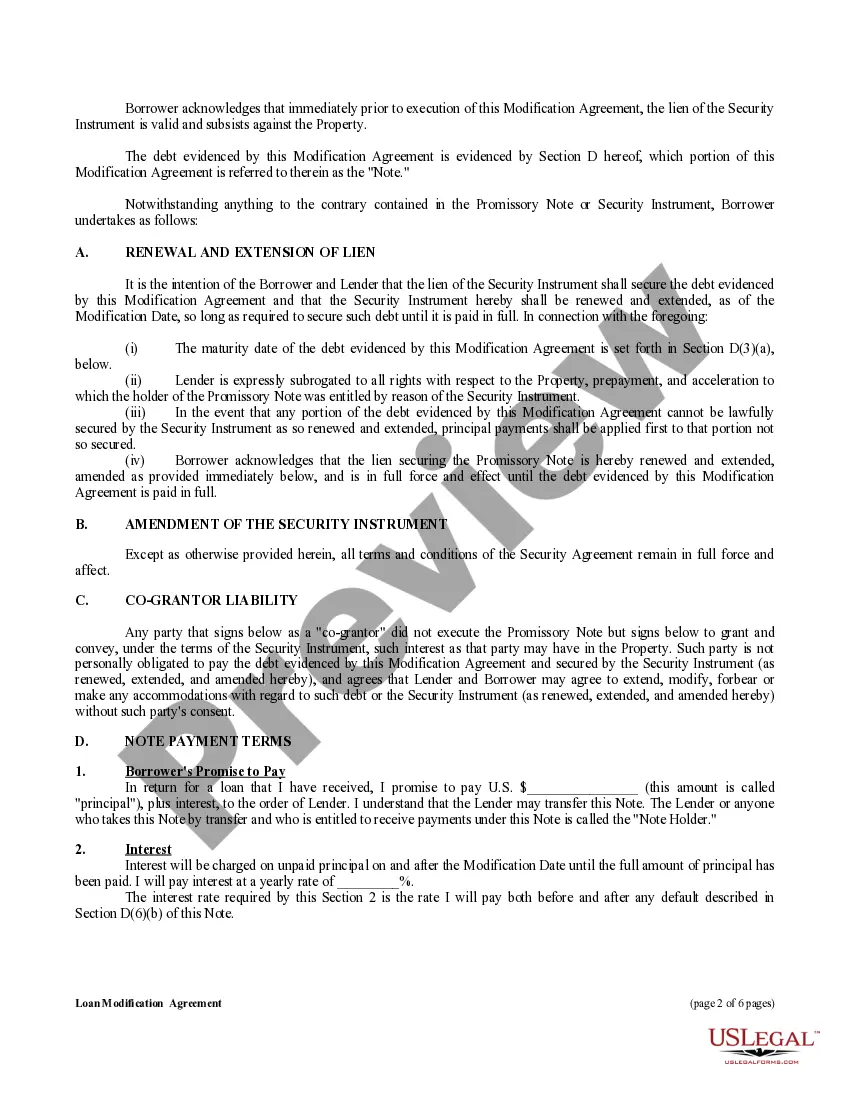
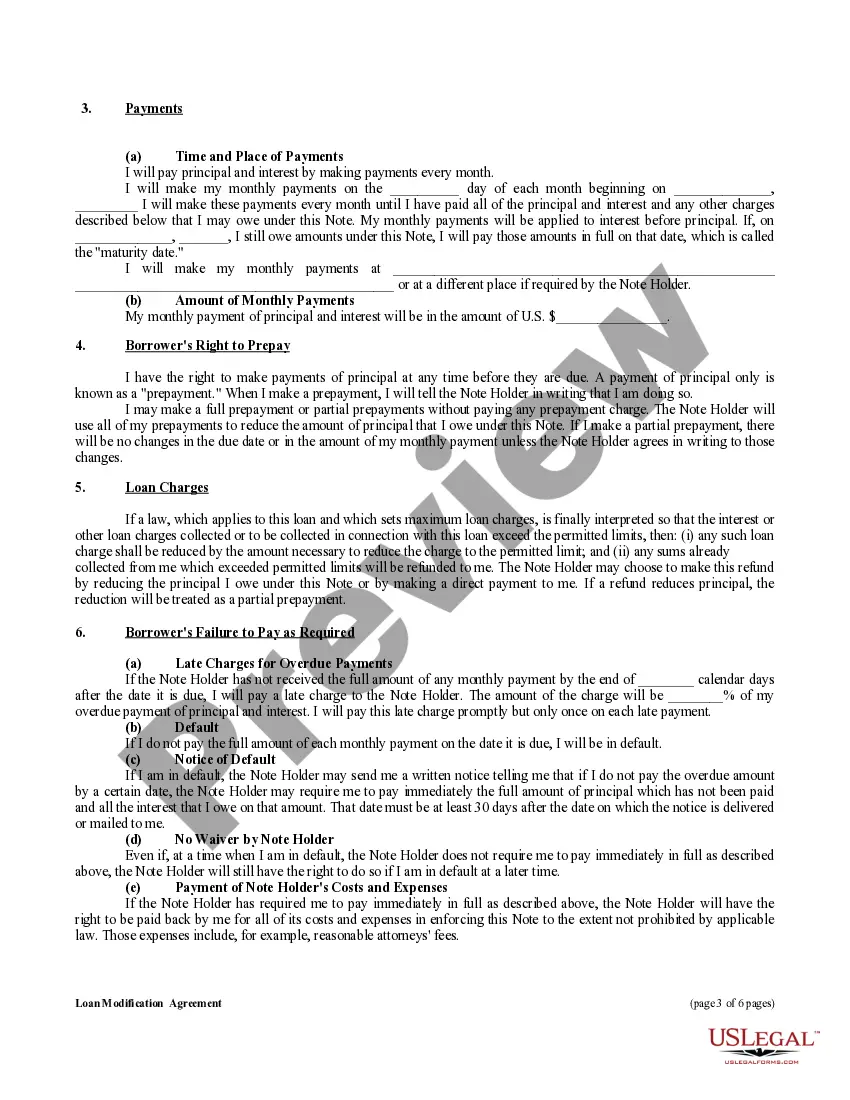
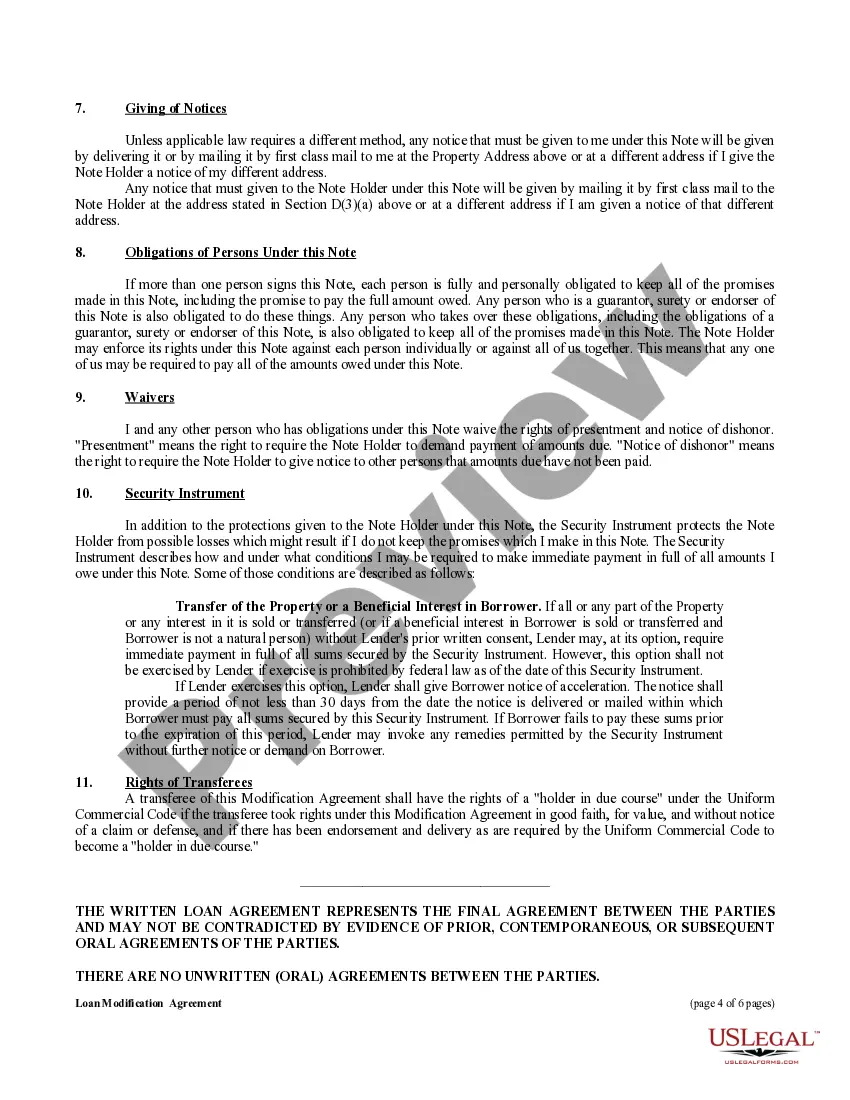
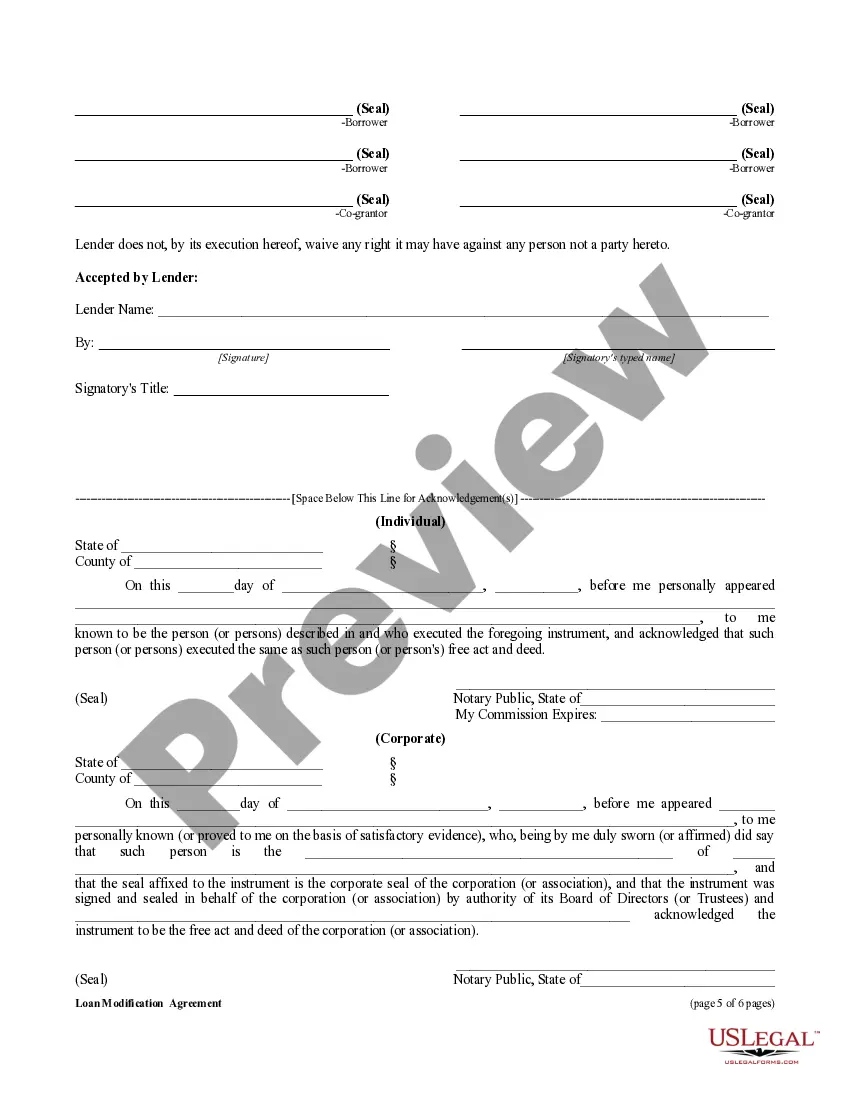


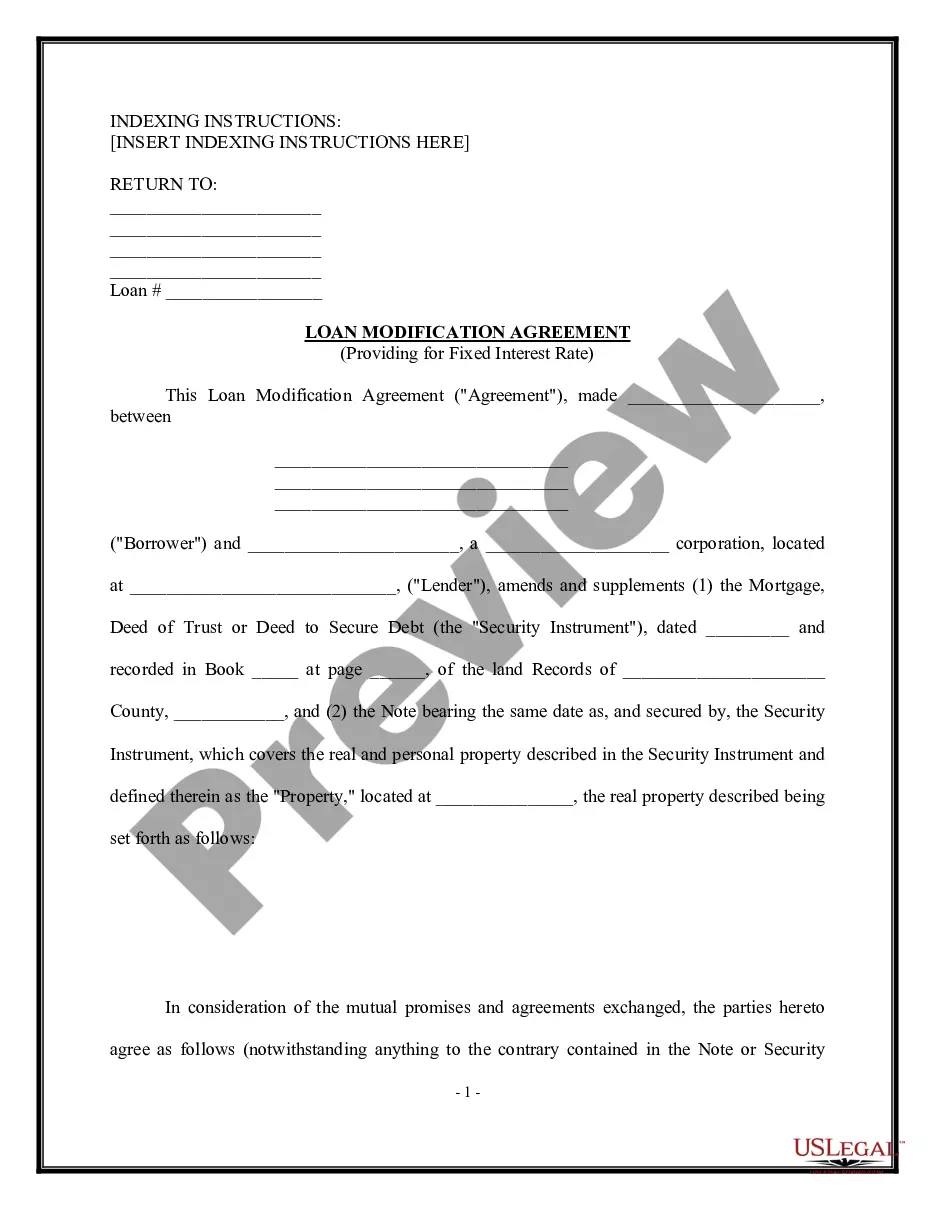
Get your form ready online
Our built-in tools help you complete, sign, share, and store your documents in one place.
Make edits, fill in missing information, and update formatting in US Legal Forms—just like you would in MS Word.
Download a copy, print it, send it by email, or mail it via USPS—whatever works best for your next step.
Sign and collect signatures with our SignNow integration. Send to multiple recipients, set reminders, and more. Go Premium to unlock E-Sign.
If this form requires notarization, complete it online through a secure video call—no need to meet a notary in person or wait for an appointment.
We protect your documents and personal data by following strict security and privacy standards.

Make edits, fill in missing information, and update formatting in US Legal Forms—just like you would in MS Word.

Download a copy, print it, send it by email, or mail it via USPS—whatever works best for your next step.

Sign and collect signatures with our SignNow integration. Send to multiple recipients, set reminders, and more. Go Premium to unlock E-Sign.

If this form requires notarization, complete it online through a secure video call—no need to meet a notary in person or wait for an appointment.

We protect your documents and personal data by following strict security and privacy standards.
Looking for another form?
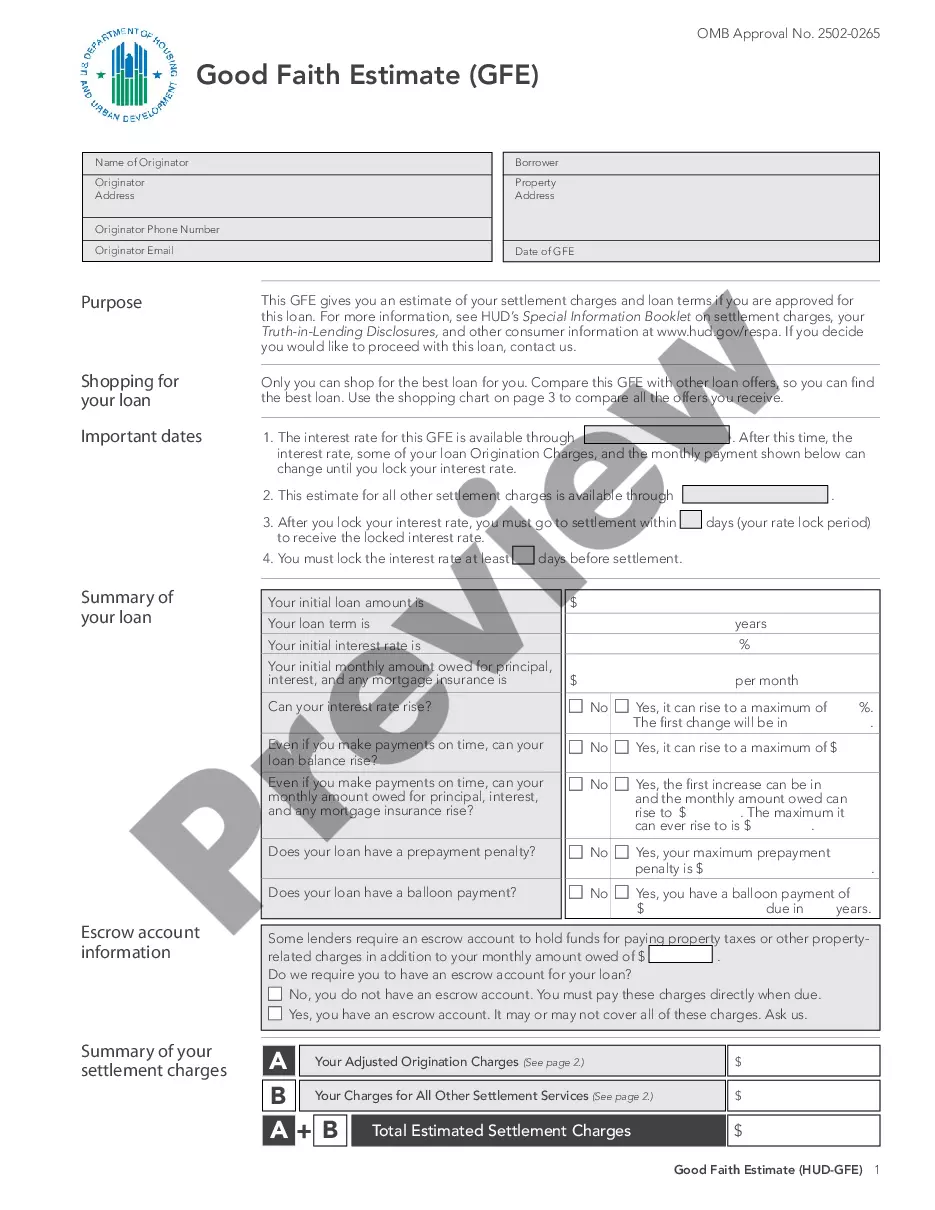



Form popularity
FAQ
Amending a trust in California depends on whether it is revocable or irrevocable. For a revocable trust, the process is typically straightforward. The trust's creator (grantor) can make changes at any time, provided they follow any specific procedures outlined in the original trust document.
Here are two potential costs to consider: Simple amendments, like changing a beneficiary or trustee, can range between $300 to $500. More substantial changes, such as a complete restatement of the trust to reflect significant alterations, could exceed $2,000.
If you create a revocable living trust, you can amend it at any time during your lifetime, as long as you are mentally competent. An irrevocable trust, on the other hand, is generally more difficult to modify, but in certain situations, changes can be made through court approval or agreement among beneficiaries.
In California, you can modify your living trust to reflect changes in your life circumstances or wishes. To amend a living trust in California, you'll need to create a written amendment document that clearly states the changes you want to make to your trust.
Make a point of conducting periodic reviews of your trust and keeping it in line with your current financial goals and circumstances. If changes have occurred, update your trust to reflect those changes. Amending a trust without professional advice can be done, but it's not recommended.
If the settlor is alive, they can simply change the terms of their revocable family trust to name a different successor trustee. If the settlor is deceased, then the trust instructions should be consulted to determine whether a procedure for changing trustees is provided.
However, modifications of such trusts are possible under Nevada law through certain legal mechanisms, including: Seeking Court Approval: Irrevocable trusts can be amended with court approval. However, the party seeking the amendment must be able to establish why the amendment is necessary.
