Change Deed Trust With Irs In San Diego
Description

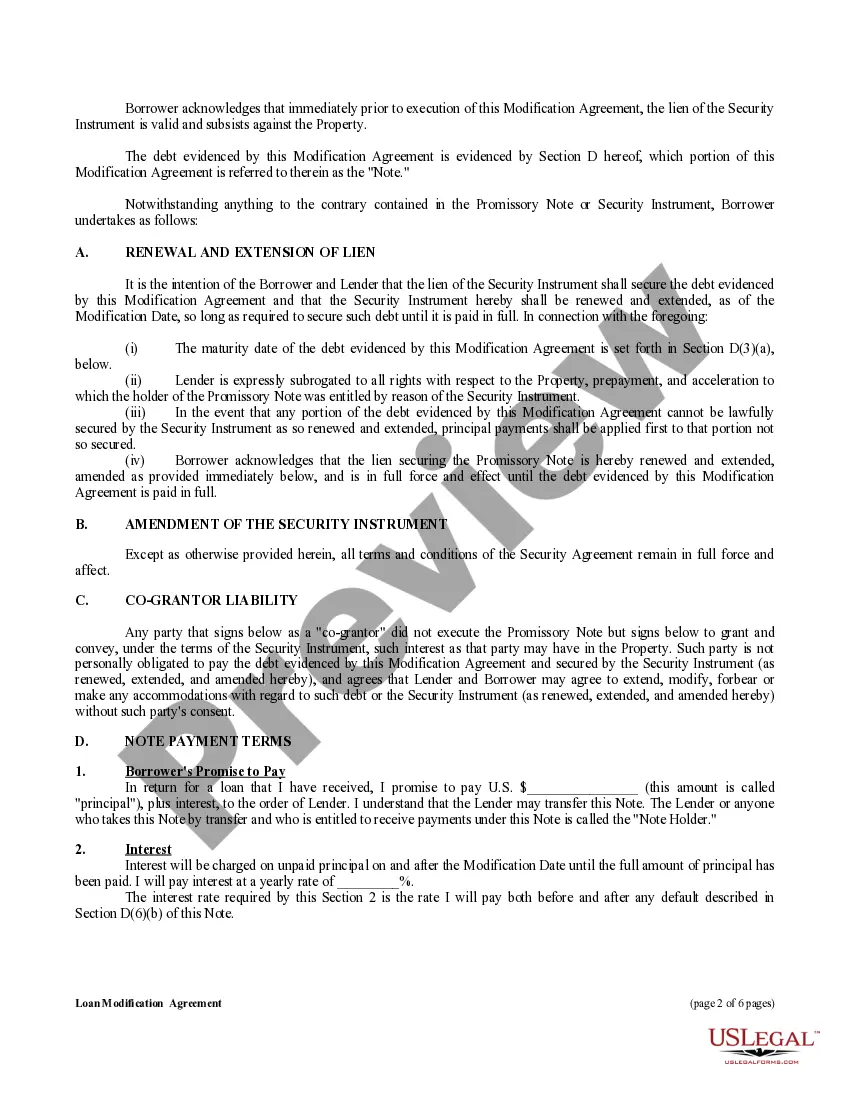
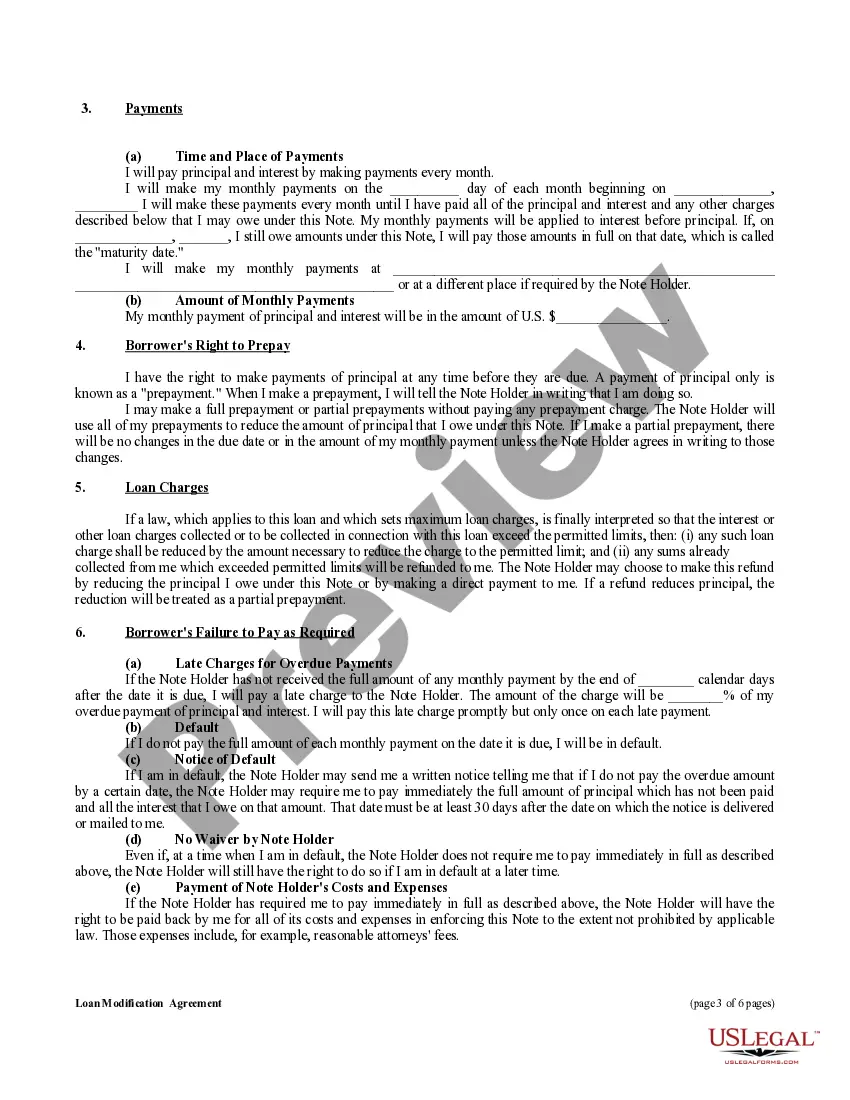
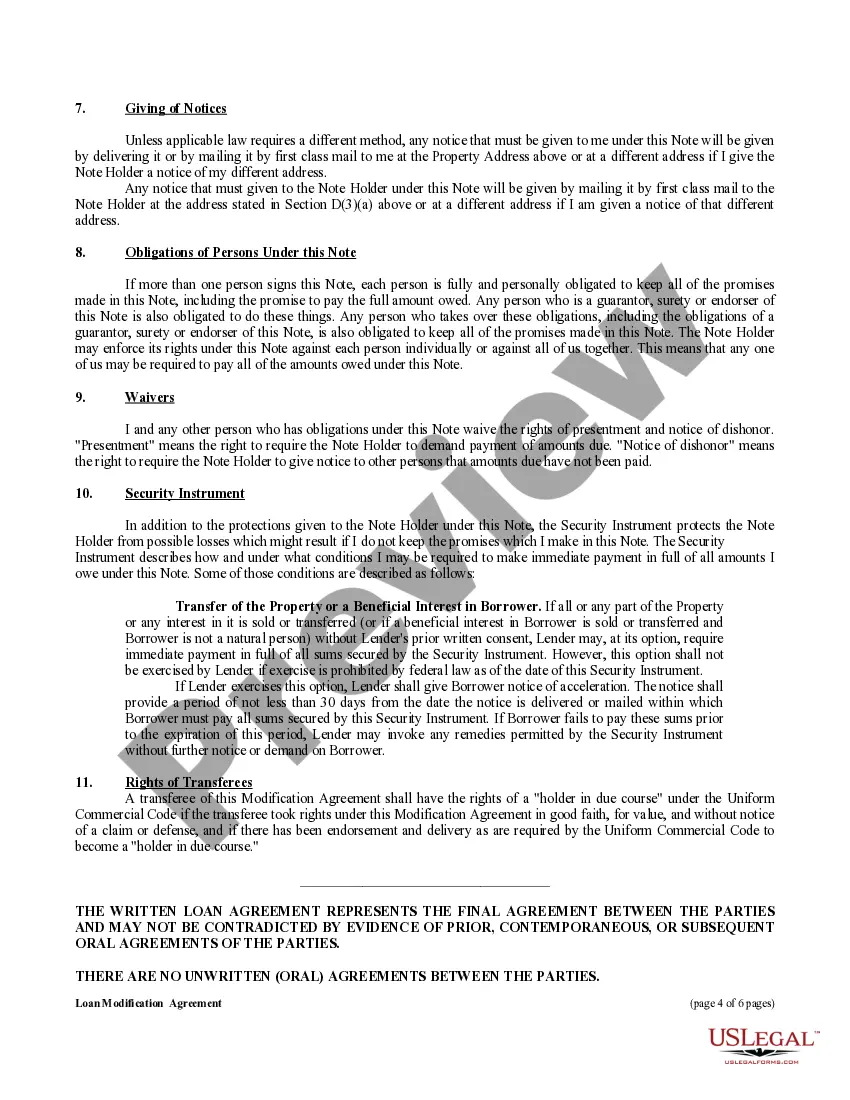
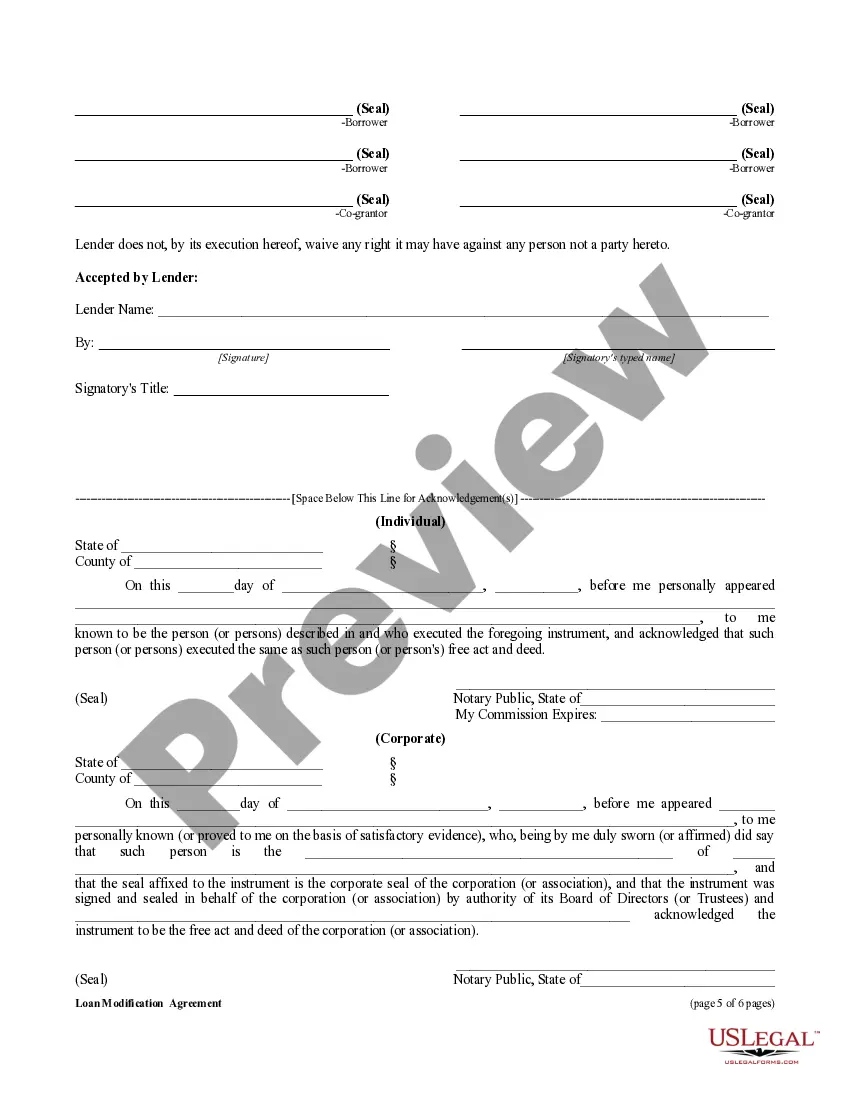
Get your form ready online
Our built-in tools help you complete, sign, share, and store your documents in one place.
Make edits, fill in missing information, and update formatting in US Legal Forms—just like you would in MS Word.
Download a copy, print it, send it by email, or mail it via USPS—whatever works best for your next step.
Sign and collect signatures with our SignNow integration. Send to multiple recipients, set reminders, and more. Go Premium to unlock E-Sign.
If this form requires notarization, complete it online through a secure video call—no need to meet a notary in person or wait for an appointment.
We protect your documents and personal data by following strict security and privacy standards.

Make edits, fill in missing information, and update formatting in US Legal Forms—just like you would in MS Word.

Download a copy, print it, send it by email, or mail it via USPS—whatever works best for your next step.

Sign and collect signatures with our SignNow integration. Send to multiple recipients, set reminders, and more. Go Premium to unlock E-Sign.

If this form requires notarization, complete it online through a secure video call—no need to meet a notary in person or wait for an appointment.

We protect your documents and personal data by following strict security and privacy standards.
Looking for another form?







Form popularity
FAQ
All beneficiaries must sign a written consent form to transfer assets from a trust that does not allow modifications. You will need to create the new trust first, then request the court to allow the asset transfer and the termination of the old trust.
In California, you can modify your living trust to reflect changes in your life circumstances or wishes. To amend a living trust in California, you'll need to create a written amendment document that clearly states the changes you want to make to your trust.
This transfer doesn't usually lead to an immediate tax obligation, meaning no tax is levied for merely changing the ownership. However, the trust, which now owns the stock, may become liable for taxes on dividends and capital gains from the stock.
To change the trustee, you need to submit IRS form 8822-B, "Change of Address or Responsible Party" naming yourself as the New responsible party.
All beneficiaries must sign a written consent form to transfer assets from a trust that does not allow modifications. You will need to create the new trust first, then request the court to allow the asset transfer and the termination of the old trust.
Form 56 is used to notify the IRS of the creation or termination of a fiduciary relationship under section 6903 and give notice of qualification under section 6036. Form 56 cannot be used to update the last known address of the person, business, or entity for whom you are acting.
Currently the form cannot be filed electronically. The instructions for the Form 8822-B provide the following guidance. If you are an entity with an EIN and your responsible party has changed, use of this form is mandatory. Otherwise, use of this form is voluntary.
To amend a living trust in California, you'll need to create a written amendment document that clearly states the changes you want to make to your trust. Amending your trust allows you to update beneficiaries, change asset distributions, or modify trustee appointments without having to create an entirely new trust.
Use Form 8822-B, Change of Address or Responsible Party – Business PDF to report changes to your responsible party, address or location to the IRS within 60 days. Send the form to the address in Form 8822-B.
