Deed Of Trust Modification With Wells Fargo In Queens
Description



Get your form ready online
Our built-in tools help you complete, sign, share, and store your documents in one place.
Make edits, fill in missing information, and update formatting in US Legal Forms—just like you would in MS Word.
Download a copy, print it, send it by email, or mail it via USPS—whatever works best for your next step.
Sign and collect signatures with our SignNow integration. Send to multiple recipients, set reminders, and more. Go Premium to unlock E-Sign.
If this form requires notarization, complete it online through a secure video call—no need to meet a notary in person or wait for an appointment.
We protect your documents and personal data by following strict security and privacy standards.

Make edits, fill in missing information, and update formatting in US Legal Forms—just like you would in MS Word.

Download a copy, print it, send it by email, or mail it via USPS—whatever works best for your next step.

Sign and collect signatures with our SignNow integration. Send to multiple recipients, set reminders, and more. Go Premium to unlock E-Sign.

If this form requires notarization, complete it online through a secure video call—no need to meet a notary in person or wait for an appointment.

We protect your documents and personal data by following strict security and privacy standards.
Looking for another form?








Form popularity
FAQ
The terms of a trust can only be validly amended when the amendment complies with the existing trust deed and rules. We assist by reviewing the existing trust rules and providing amendment documentation that ensure that the variation of trust terms remain compliant and effective. What's included: letter of advice.
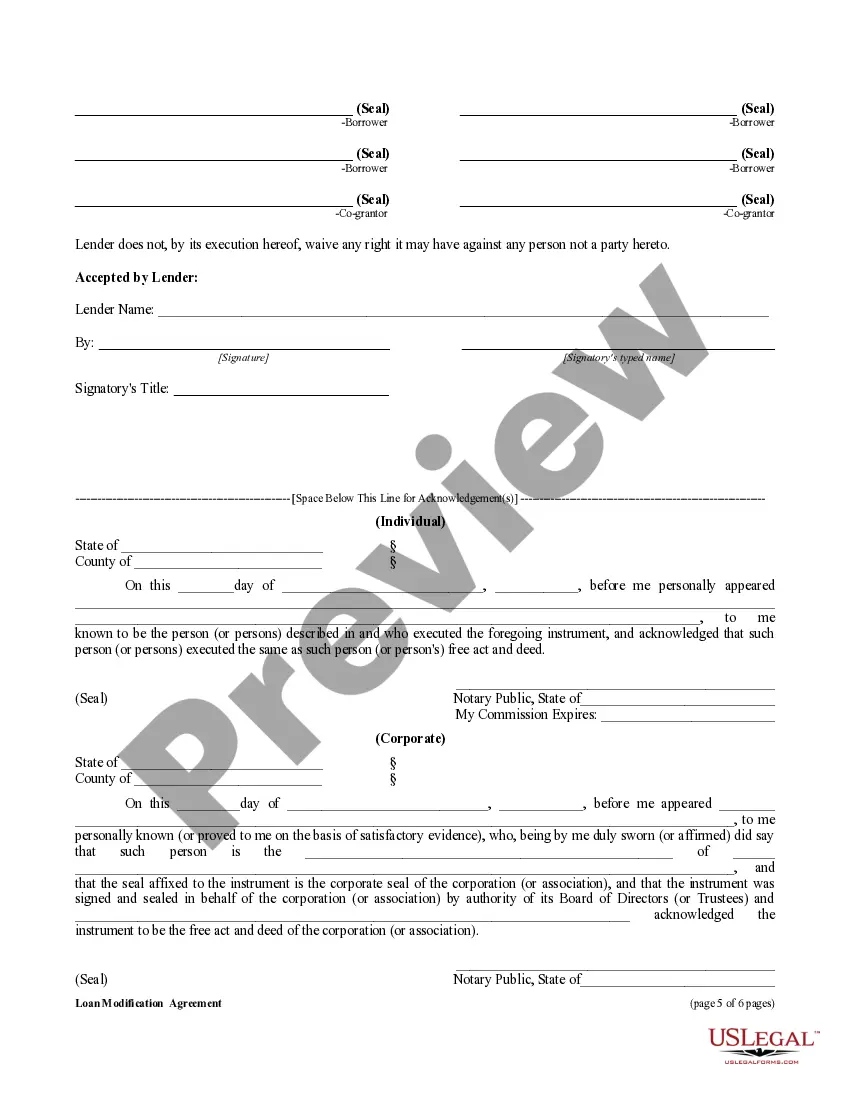
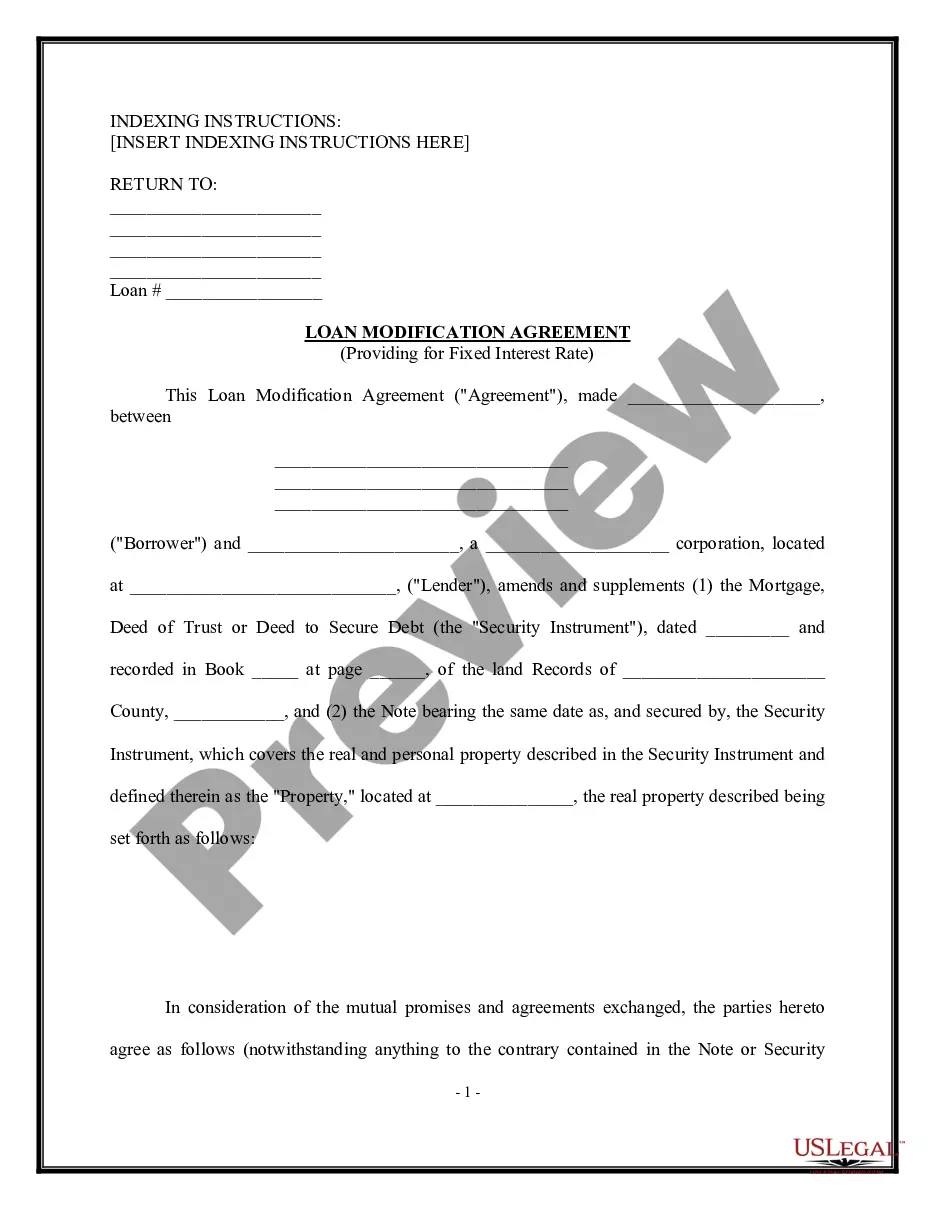
Deed of Trust Modification means, with respect to any Deed of Trust, a modification agreement entered into between the Borrower or the Project Owner, as applicable, and the Lender, modifying the terms and conditions of the Deed of Trust in order to (i) add to the lien of the Deed of Trust Additional Lots, or (ii) make ...
Deed of Trust Modification means, with respect to any Deed of Trust, a modification agreement entered into between the Borrower or the Project Owner, as applicable, and the Lender, modifying the terms and conditions of the Deed of Trust in order to (i) add to the lien of the Deed of Trust Additional Lots, or (ii) make ...
The general answer is yes—but you need the person's permission. However, there are certain situations where you can remove someone from a deed without their authorization. Whether you have the person's consent or not, you should consult with a lawyer who can help you with the process.
With our comprehensive range of fiduciary and trust services and a deep commitment to carrying on your legacy, we can create custom strategies for retaining your wealth, and deliver dedicated resources for disbursing your wealth.
Disadvantages of a Trust Deed For borrowers, if financial circumstances change, default on repayment can result in property foreclosure.
Because of a glitch in Wells Fargo's software program, hundreds of people were unable to modify their home loans, leaving many stuck in the financial situation that caused them to apply for the modification in the first place.
Most financial institutions will require you to contact your local branch or call customer service to add a beneficiary. However, some may also let you make changes to your account through online banking. Bank account beneficiaries may be added at any time.
Generally, you can review and update your beneficiary designations by contacting the company or organization that provides your insurance or retirement plan. You can sometimes do this online. Otherwise, you'll have to complete, sign, and mail a paper form.