Deed Of Trust With Promissory Note In Orange
Description

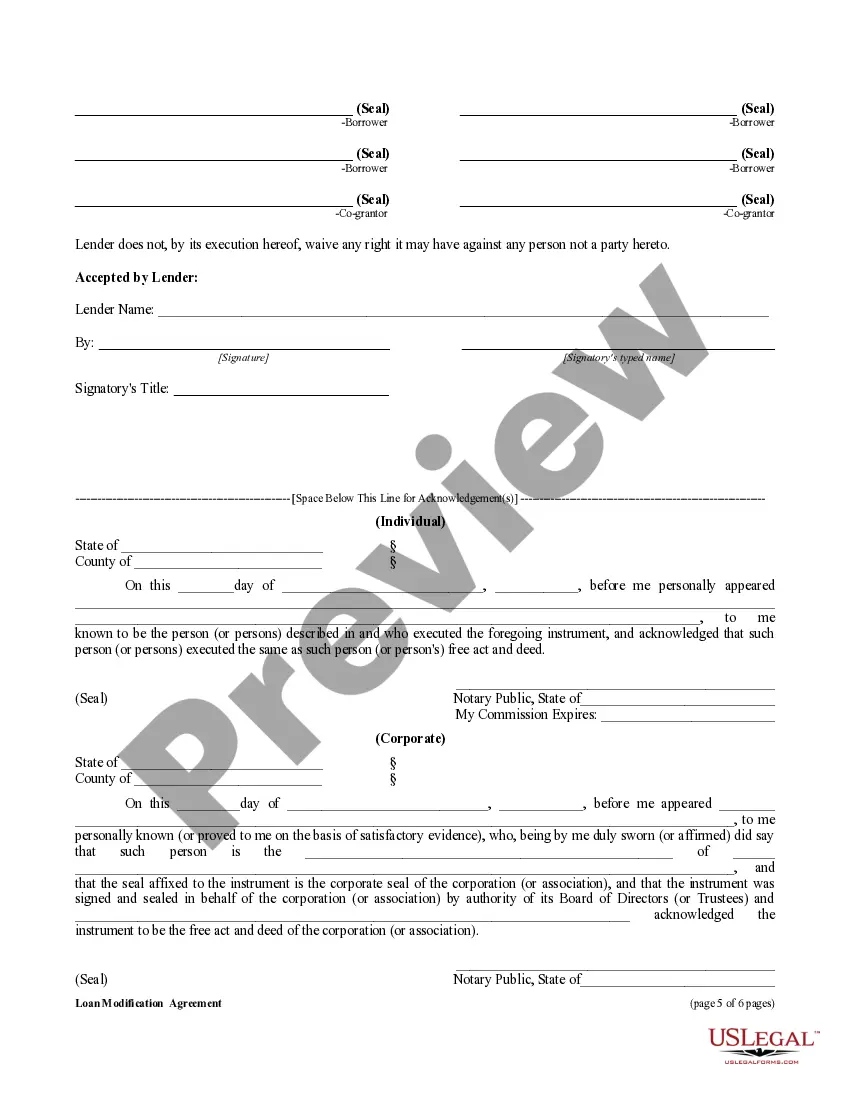
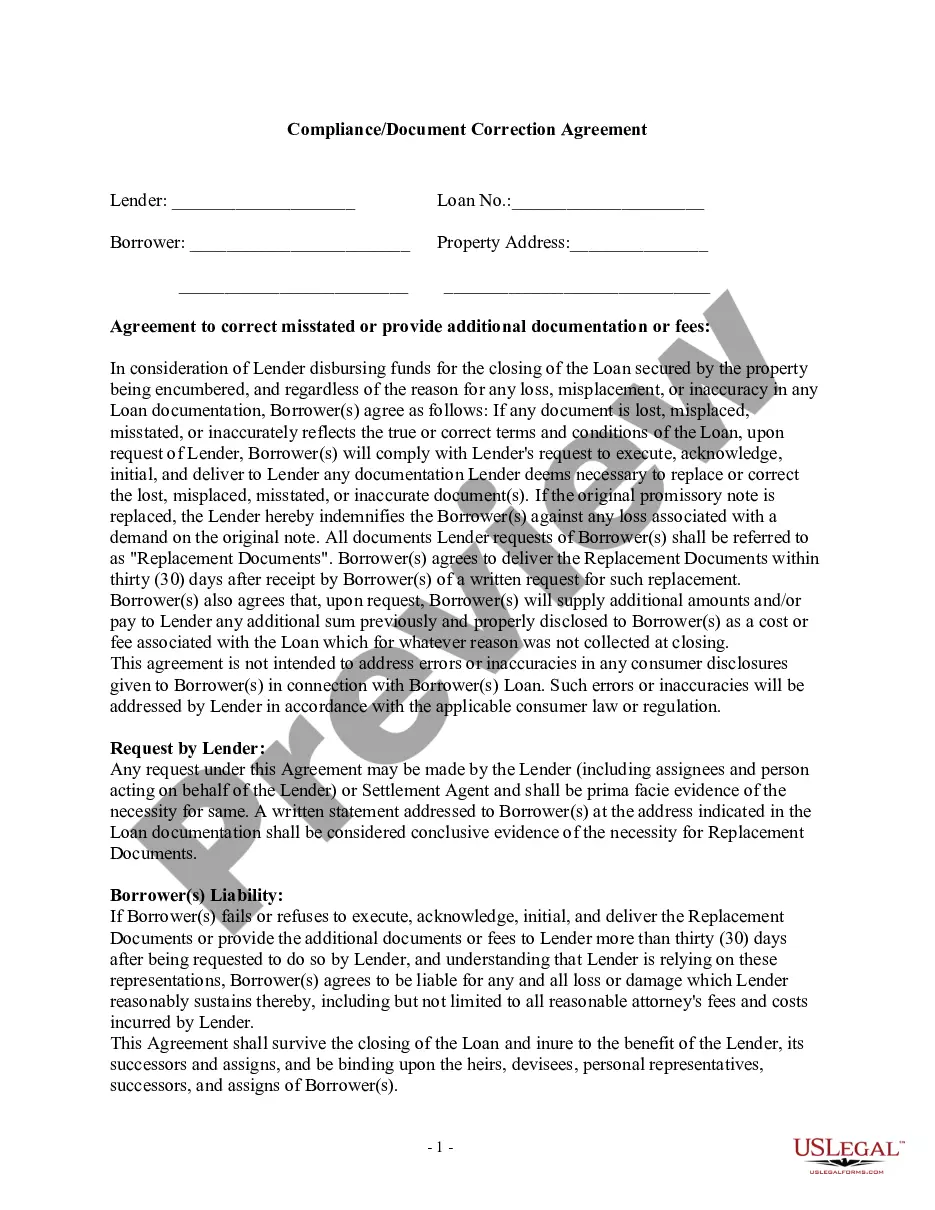

Get your form ready online
Our built-in tools help you complete, sign, share, and store your documents in one place.
Make edits, fill in missing information, and update formatting in US Legal Forms—just like you would in MS Word.
Download a copy, print it, send it by email, or mail it via USPS—whatever works best for your next step.
Sign and collect signatures with our SignNow integration. Send to multiple recipients, set reminders, and more. Go Premium to unlock E-Sign.
If this form requires notarization, complete it online through a secure video call—no need to meet a notary in person or wait for an appointment.
We protect your documents and personal data by following strict security and privacy standards.

Make edits, fill in missing information, and update formatting in US Legal Forms—just like you would in MS Word.

Download a copy, print it, send it by email, or mail it via USPS—whatever works best for your next step.

Sign and collect signatures with our SignNow integration. Send to multiple recipients, set reminders, and more. Go Premium to unlock E-Sign.

If this form requires notarization, complete it online through a secure video call—no need to meet a notary in person or wait for an appointment.

We protect your documents and personal data by following strict security and privacy standards.
Looking for another form?






Form popularity
FAQ
Some of the most common reasons trusts are invalid include: Legal formalities were not followed when executing the trust instrument. The trust was created or modified through forgery or another type of fraud. The trust maker was not mentally competent when they created or modified the trust.
In California, a deed of trust must come with security, typically a promissory note. To be valid, a deed of trust must be (1) in writing, (2) with a description of the property, and (3) signed by the trustor of the deed of trust.
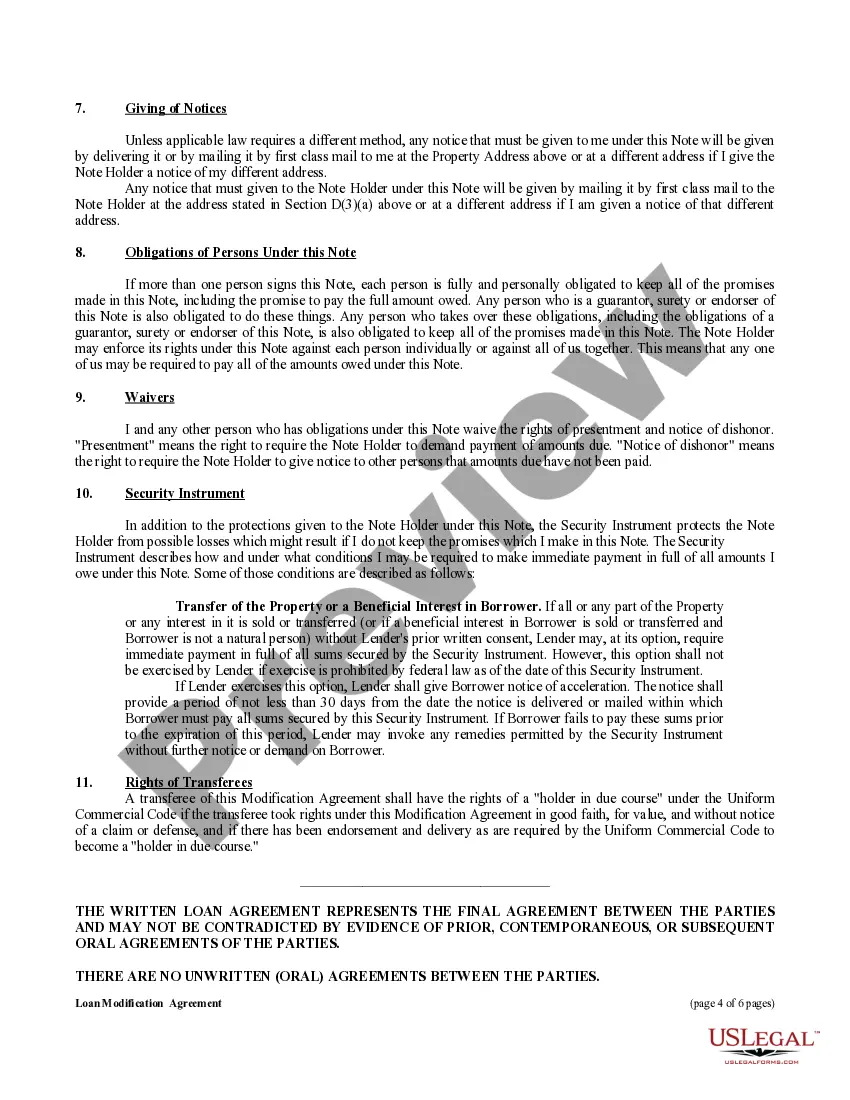
But what exactly do you need to write a promissory note? Include their full legal names, addresses, and contact numbers—include any co-signers if applicable. The terms of this note should specify the amount borrowed, repayment terms (including interest rate, if applicable), and the due date or schedule of payments.
What can be construed as a VOID deed? A forged deed. A deed signed by a person determined to be mentally incapacitated. A deed signed by someone who totally does not understand what they are signing. A deed in which the Grantee was typed in without the Grantor's authorization.
If a deed of trust recorded in California does not contain a maturity date, then the lender has up to 60, and possibly even 64 years to foreclose non-judicially, but the longer the lender waits, the more likely it is that a borrower could successfully raise a defense of equitable estoppel or laches.
Some of the most common reasons trusts are invalid include: Legal formalities were not followed when executing the trust instrument. The trust was created or modified through forgery or another type of fraud. The trust maker was not mentally competent when they created or modified the trust.
When the debt or obligation secured by a deed of trust has been satisfied, the beneficiary, or successor, must execute a request for full reconveyance and any other documents necessary to cause the deed of trust to be reconveyed and submit these documents to the trustee.
The Full Reconveyance Form is completed and signed by the trustee, whose signature must be notarized. Full Reconveyance form can be purchased at most office supply or stationery stores. Usually the trustee named on your Deed of Trust will also have forms available and will issue the Full Reconveyance.
While that's a reasonable question, the fact is, trust documents generally avoid the court completely. As such, they are not matters of public record. This means that you likely will not be able to secure a copy of the trust from the Office of the County Clerk or the courthouse in the same way you would a will.