Change Deed Trust With Someone You Hurt In Oakland
Description



Get your form ready online
Our built-in tools help you complete, sign, share, and store your documents in one place.
Make edits, fill in missing information, and update formatting in US Legal Forms—just like you would in MS Word.
Download a copy, print it, send it by email, or mail it via USPS—whatever works best for your next step.
Sign and collect signatures with our SignNow integration. Send to multiple recipients, set reminders, and more. Go Premium to unlock E-Sign.
If this form requires notarization, complete it online through a secure video call—no need to meet a notary in person or wait for an appointment.
We protect your documents and personal data by following strict security and privacy standards.

Make edits, fill in missing information, and update formatting in US Legal Forms—just like you would in MS Word.

Download a copy, print it, send it by email, or mail it via USPS—whatever works best for your next step.

Sign and collect signatures with our SignNow integration. Send to multiple recipients, set reminders, and more. Go Premium to unlock E-Sign.

If this form requires notarization, complete it online through a secure video call—no need to meet a notary in person or wait for an appointment.

We protect your documents and personal data by following strict security and privacy standards.
Looking for another form?








Form popularity
FAQ
The trustee is the person (or people) who holds legal title to the property that is in the trust. The trustee's job is to manage the property in the trust for the benefit of the beneficiaries in the way the settlor has asked.
Amending a trust deed is process that should be treated as requiring careful planning, consideration and intentionality. Indeed, unintended (and undesirable) consequences can flow from a purported trust amendment that has been undertaken with such consideration, such as a resettlement of the trust.
The trustee must prepare a new deed to transfer the property from the trust to the beneficiary. This deed must be properly drafted and include all necessary information, such as the legal description of the property and the names of the trustee and beneficiary.
For example, if Joint Tenant B transfers his share of real property into a trust for the benefit of A, then B becomes Original Transferor: If A dies and property passes to B, the property avoids reassessment since B is Original Transferor.
Below are steps to transfer real property out of a trust: Obtain the Death Certificate. Appraise the Property. Prepare an Affidavit of Death. Notify the County Assessor. Prepare a Trustee's Grant Deed. Address Outstanding Liabilities. Notify Relevant Parties.
In real estate law, "assignment" is simply the transfer of a deed of trust from one party to another.
The other situation in which assets can be transferred out of an irrevocable trust is when you and any other beneficiaries get together, agree that assets need to be transferred out, then petition a court to do so. Depending on the documents of your trust, the trustee might need to be involved, as well.
If the person to be removed is alive, then you will need a court order or their cooperation such that you can record a new deed that removes them. Quitclaim and warranty deeds are common solutions. If an owner of a property has passed away, you will need to transfer the property to the living owners.
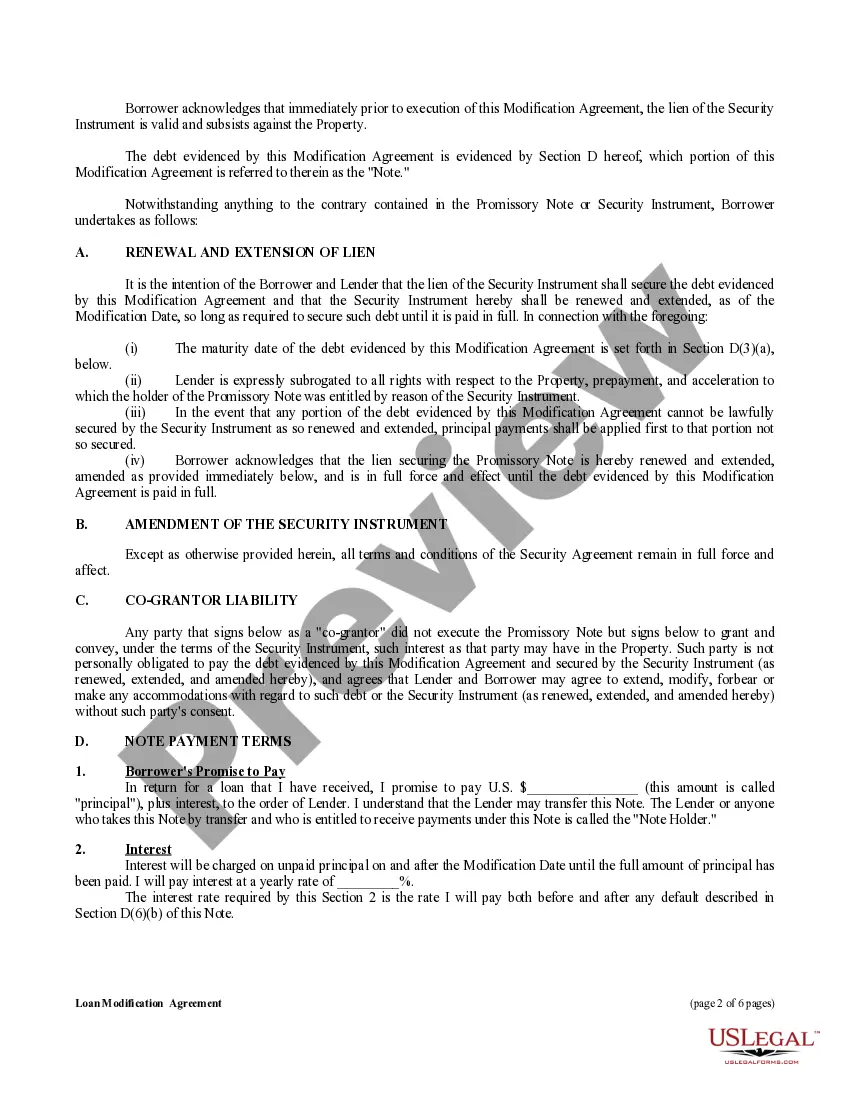
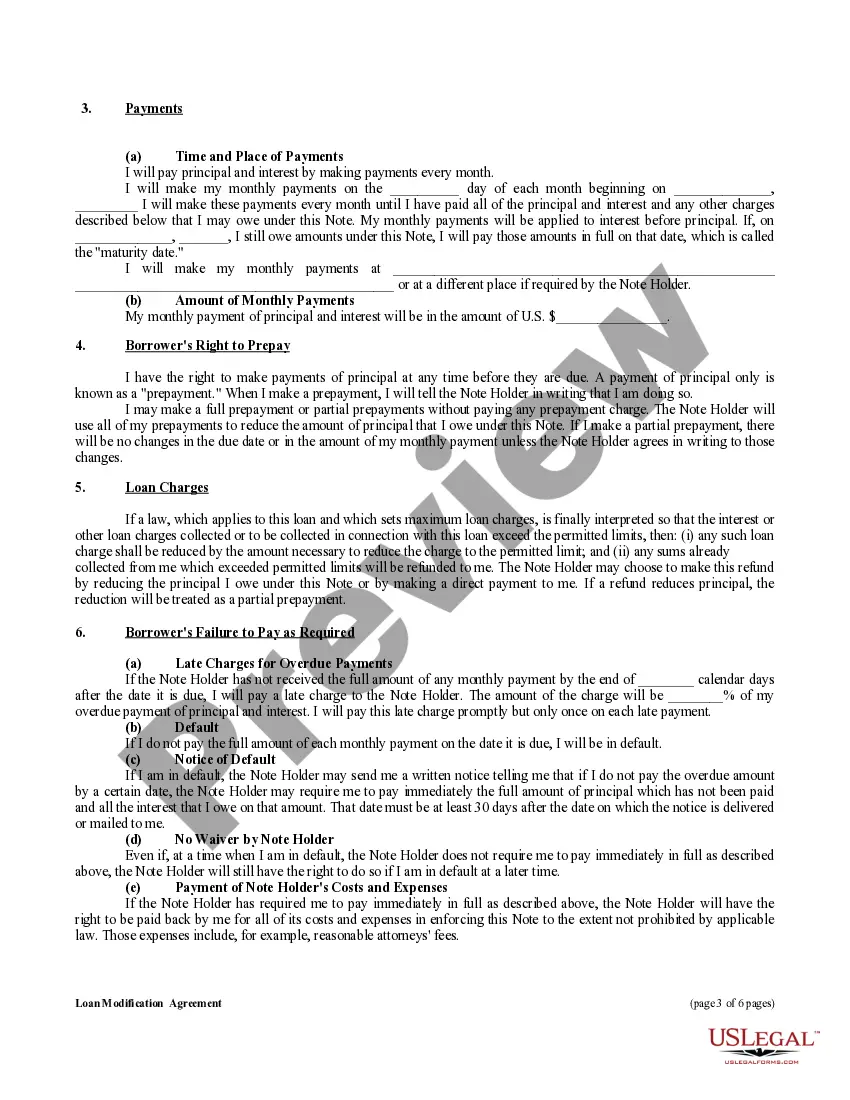
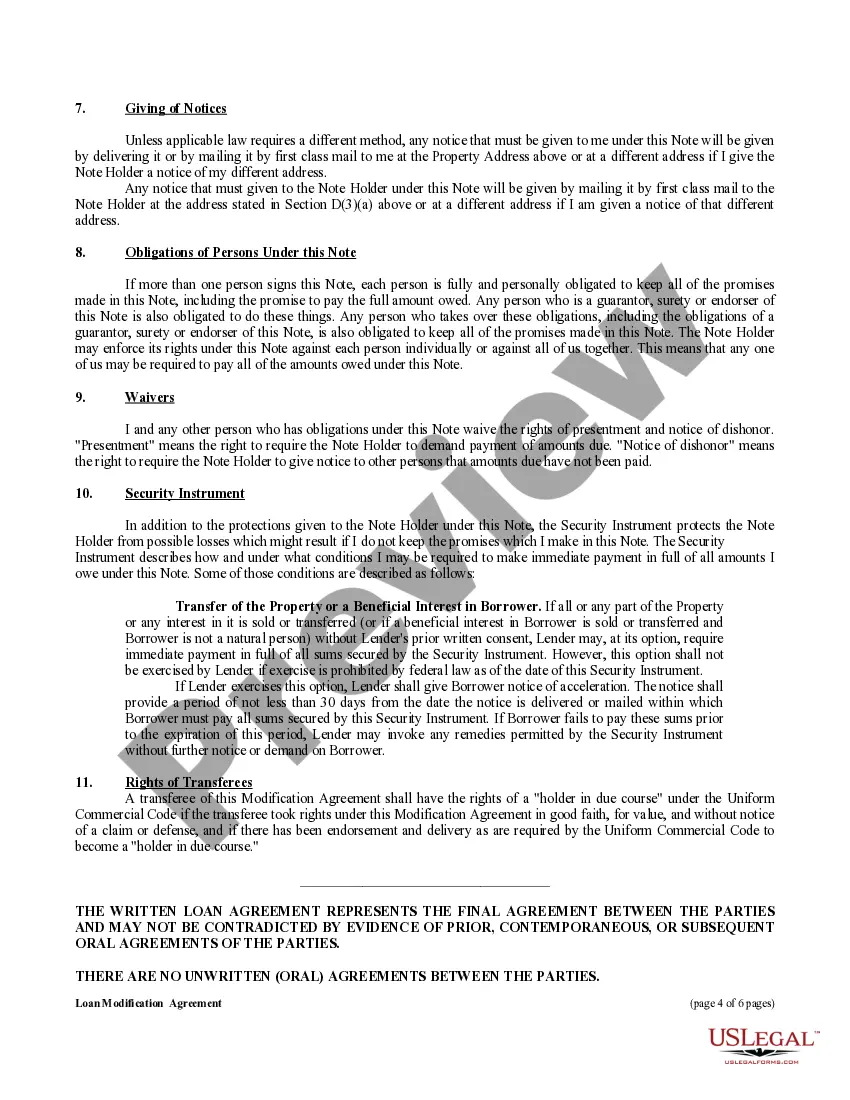
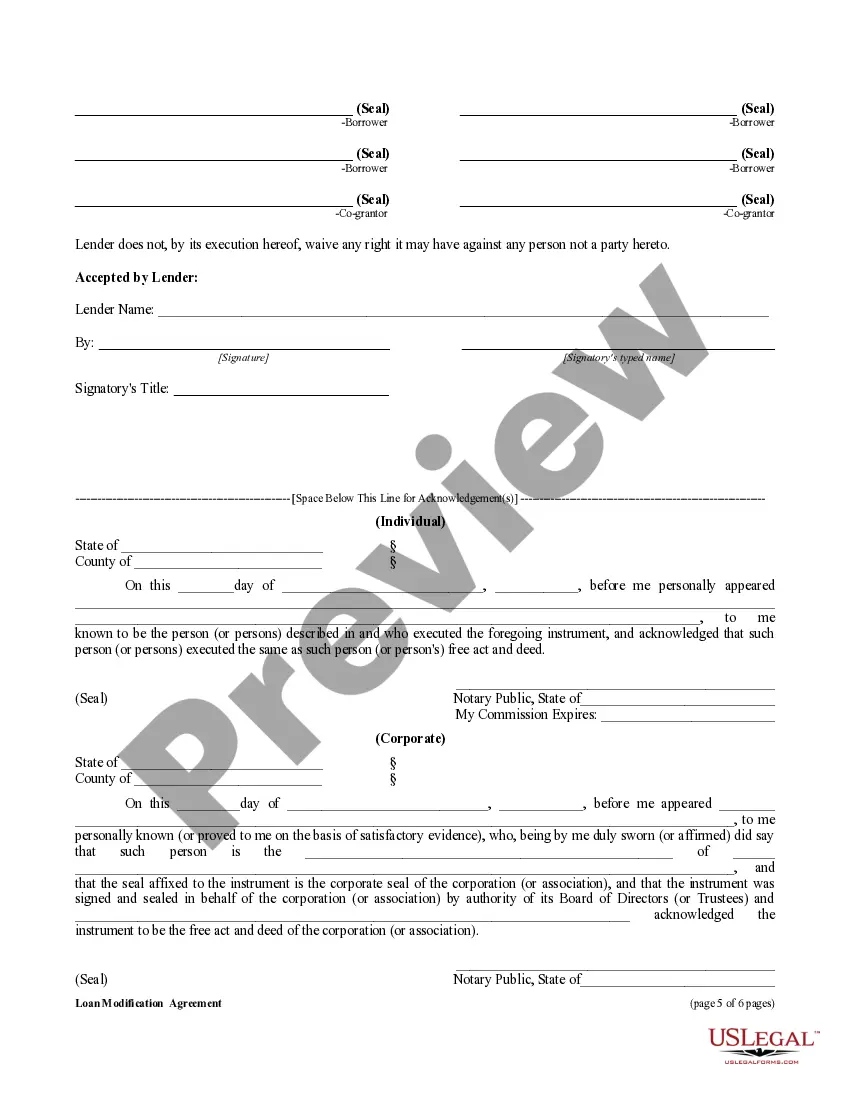
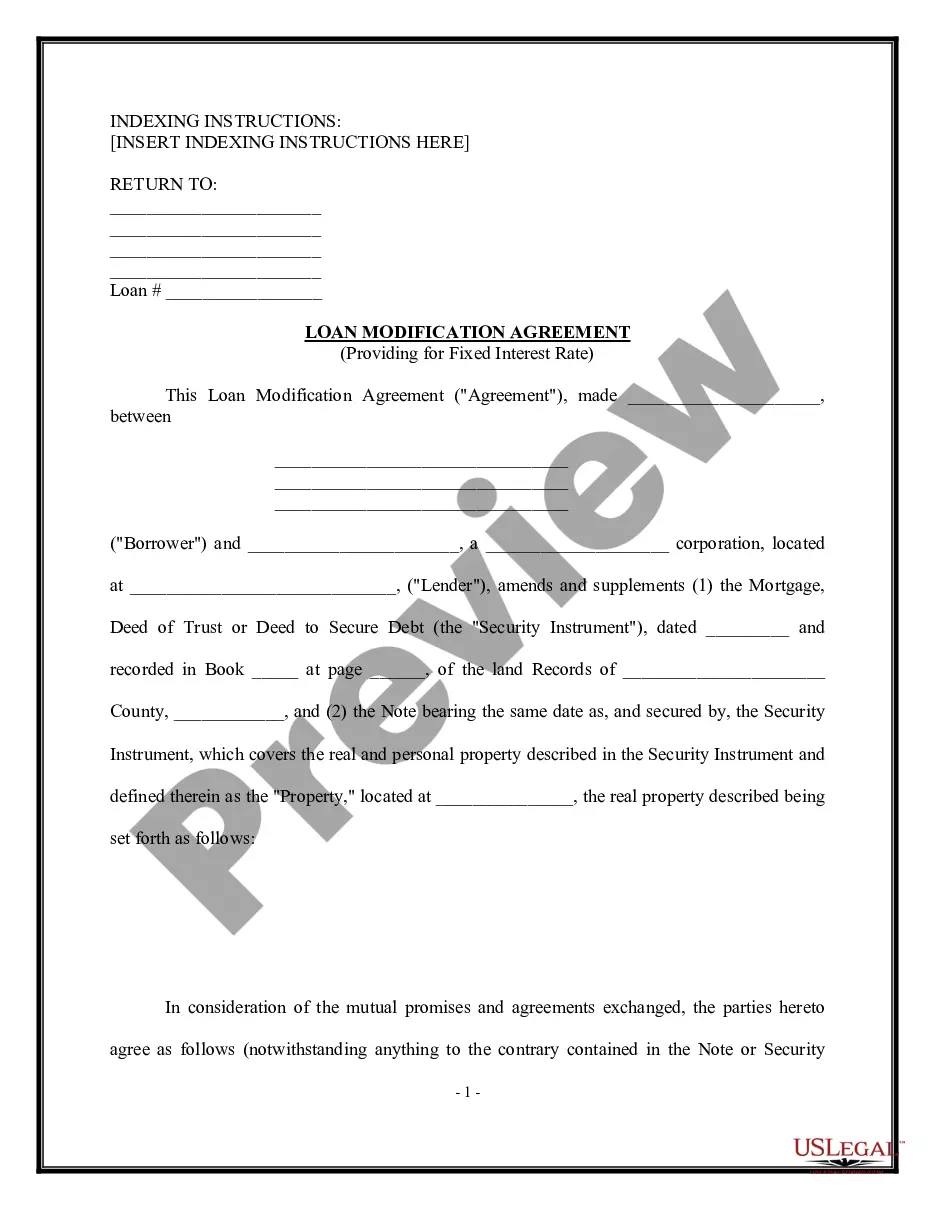
Deed of Trust Modification means, with respect to any Deed of Trust, a modification agreement entered into between the Borrower or the Project Owner, as applicable, and the Lender, modifying the terms and conditions of the Deed of Trust in order to (i) add to the lien of the Deed of Trust Additional Lots, or (ii) make ...
Disadvantages of a Trust Deed For borrowers, if financial circumstances change, default on repayment can result in property foreclosure.
