Deed Of Trust Modification Without Promissory Note In Los Angeles
Description

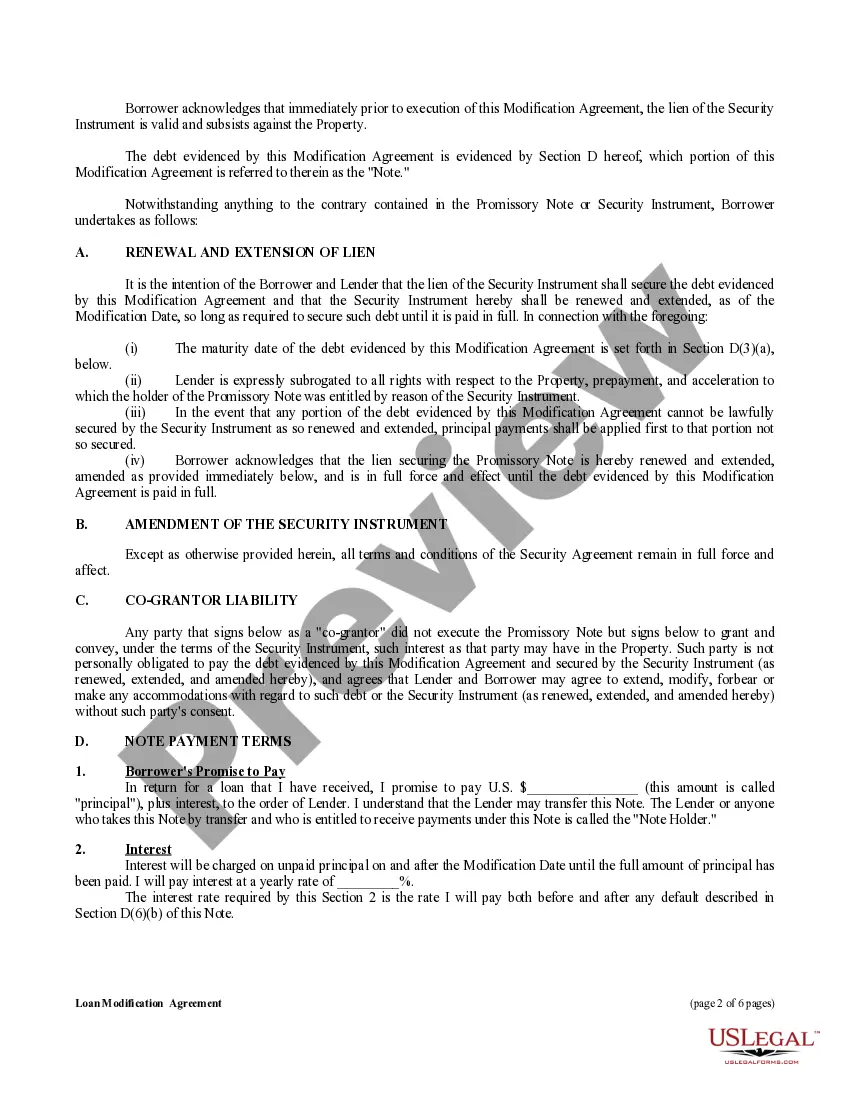
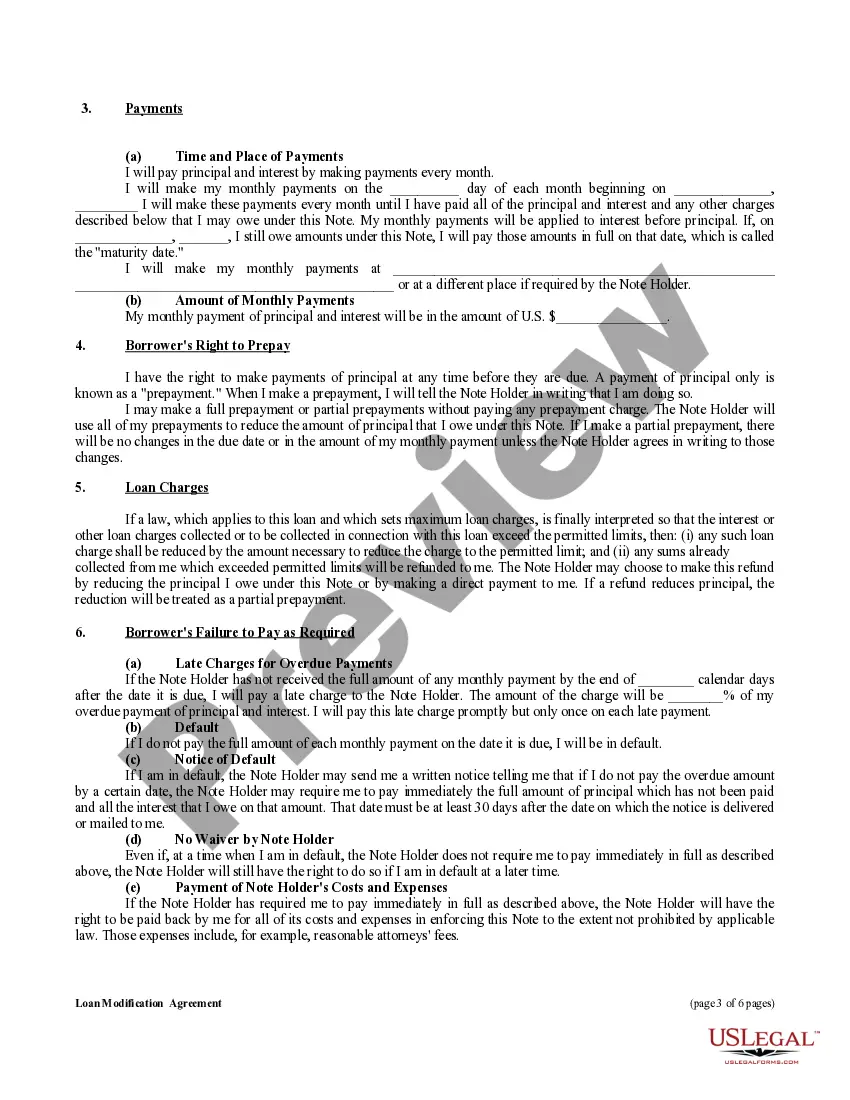
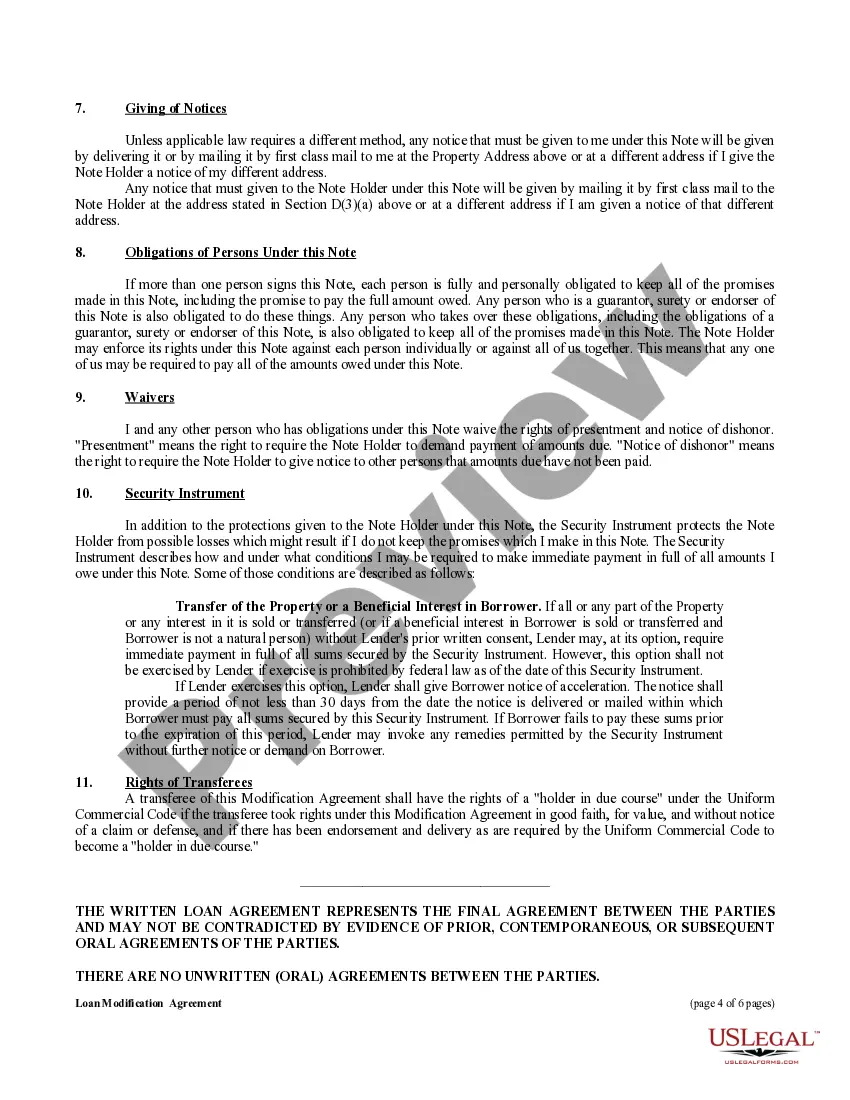
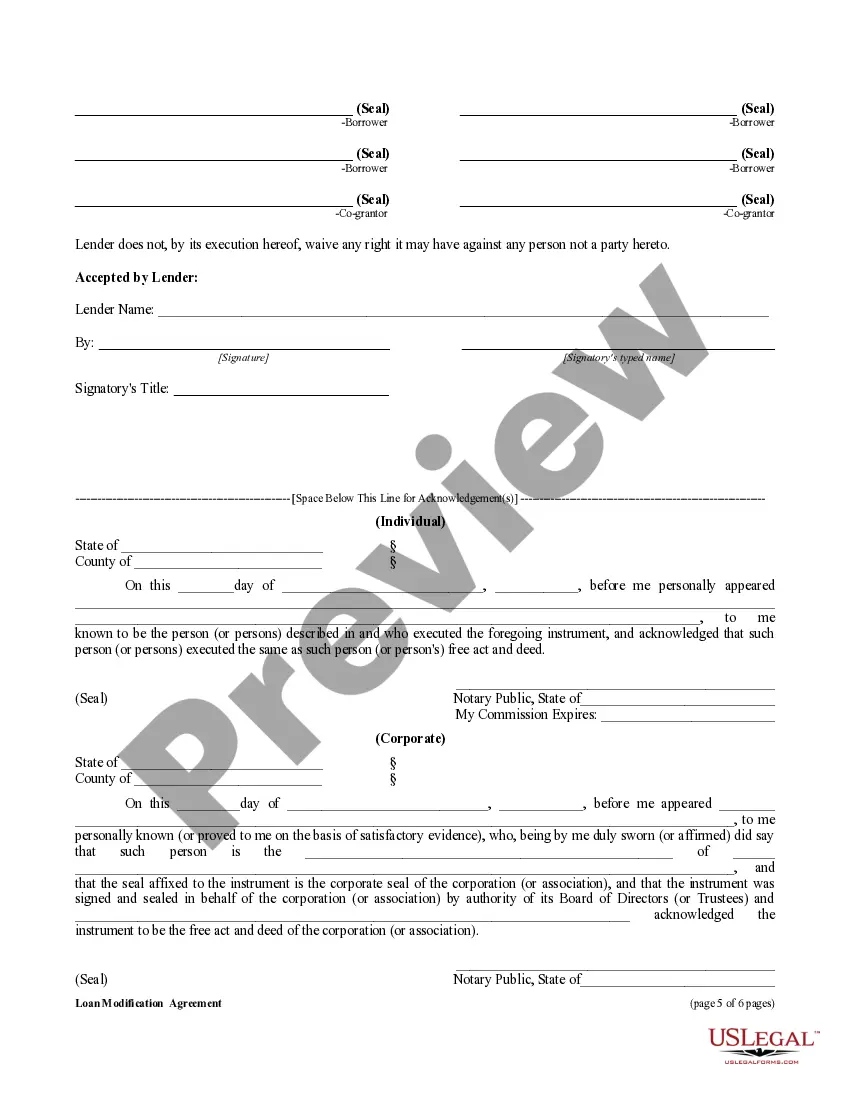


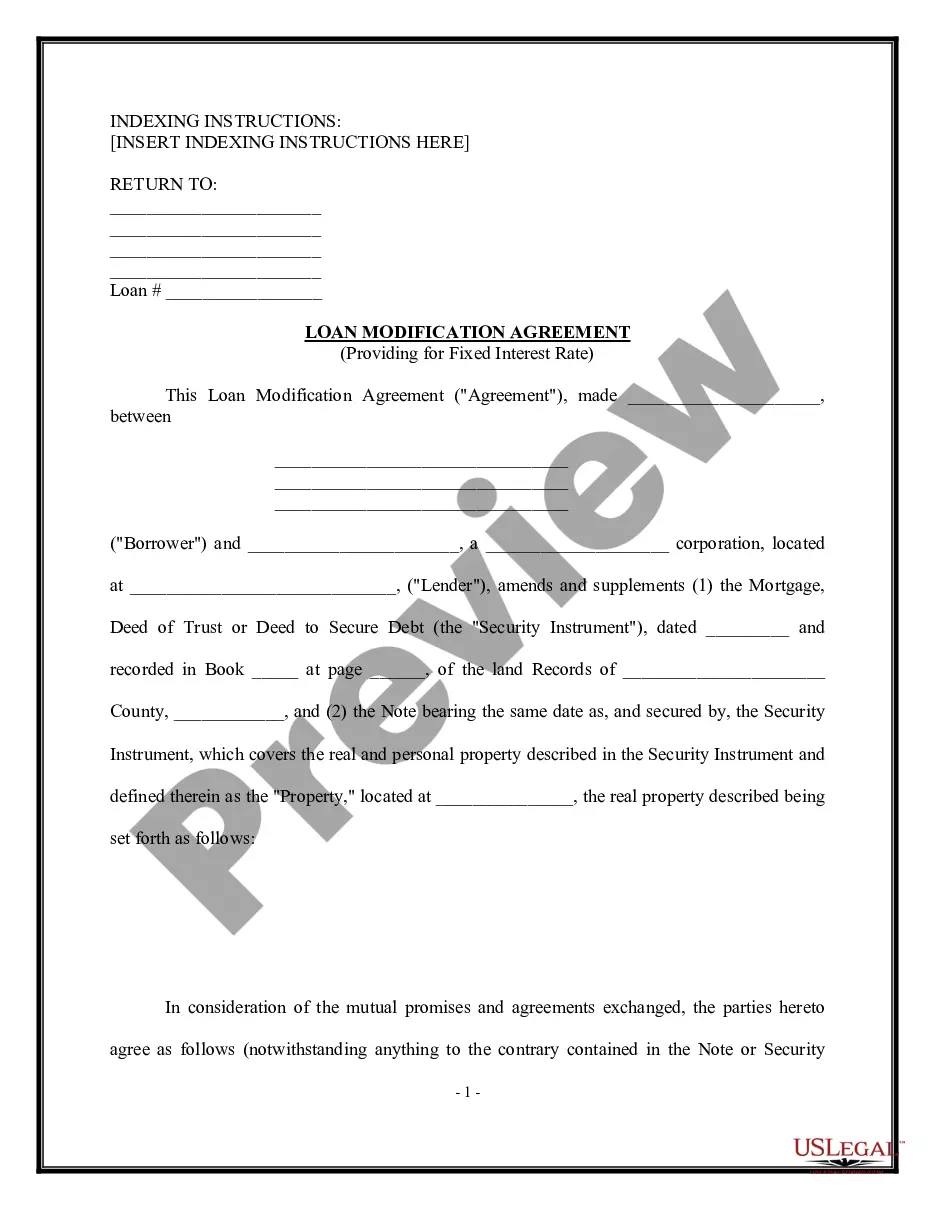
Get your form ready online
Our built-in tools help you complete, sign, share, and store your documents in one place.
Make edits, fill in missing information, and update formatting in US Legal Forms—just like you would in MS Word.
Download a copy, print it, send it by email, or mail it via USPS—whatever works best for your next step.
Sign and collect signatures with our SignNow integration. Send to multiple recipients, set reminders, and more. Go Premium to unlock E-Sign.
If this form requires notarization, complete it online through a secure video call—no need to meet a notary in person or wait for an appointment.
We protect your documents and personal data by following strict security and privacy standards.

Make edits, fill in missing information, and update formatting in US Legal Forms—just like you would in MS Word.

Download a copy, print it, send it by email, or mail it via USPS—whatever works best for your next step.

Sign and collect signatures with our SignNow integration. Send to multiple recipients, set reminders, and more. Go Premium to unlock E-Sign.

If this form requires notarization, complete it online through a secure video call—no need to meet a notary in person or wait for an appointment.

We protect your documents and personal data by following strict security and privacy standards.
Looking for another form?








Form popularity
FAQ
In California, a deed of trust must come with security, typically a promissory note. To be valid, a deed of trust must be (1) in writing, (2) with a description of the property, and (3) signed by the trustor of the deed of trust.
Trust Creation A valid trust may be created in California by any of the following methods: A declaration by the owner of property that the owner holds the property as Trustee. A transfer of property by the owner during the owner's lifetime to another person as Trustee.
The terms of a trust can only be validly amended when the amendment complies with the existing trust deed and rules. We assist by reviewing the existing trust rules and providing amendment documentation that ensure that the variation of trust terms remain compliant and effective. What's included: letter of advice.
When the debt or obligation secured by a deed of trust has been satisfied, the beneficiary, or successor, must execute a request for full reconveyance and any other documents necessary to cause the deed of trust to be reconveyed and submit these documents to the trustee.
Some of the most common reasons trusts are invalid include: Legal formalities were not followed when executing the trust instrument. The trust was created or modified through forgery or another type of fraud. The trust maker was not mentally competent when they created or modified the trust.
DEEDS IN GENERAL There are several different essentials to a valid deed: 1. It must be in writing; 2. The parties must be properly described; 3. The parties must be competent to convey and capable of receiving the grant of the property; 4.
A trust deed gives the third-party “trustee” (usually a title company or real estate broker) legal ownership of the property.
How do you transfer a trust deed in California? To transfer real property into your Trust, a new deed reflecting the name of the Trust must be executed, notarized and recorded with the County Recorder in the County where the property is located.
