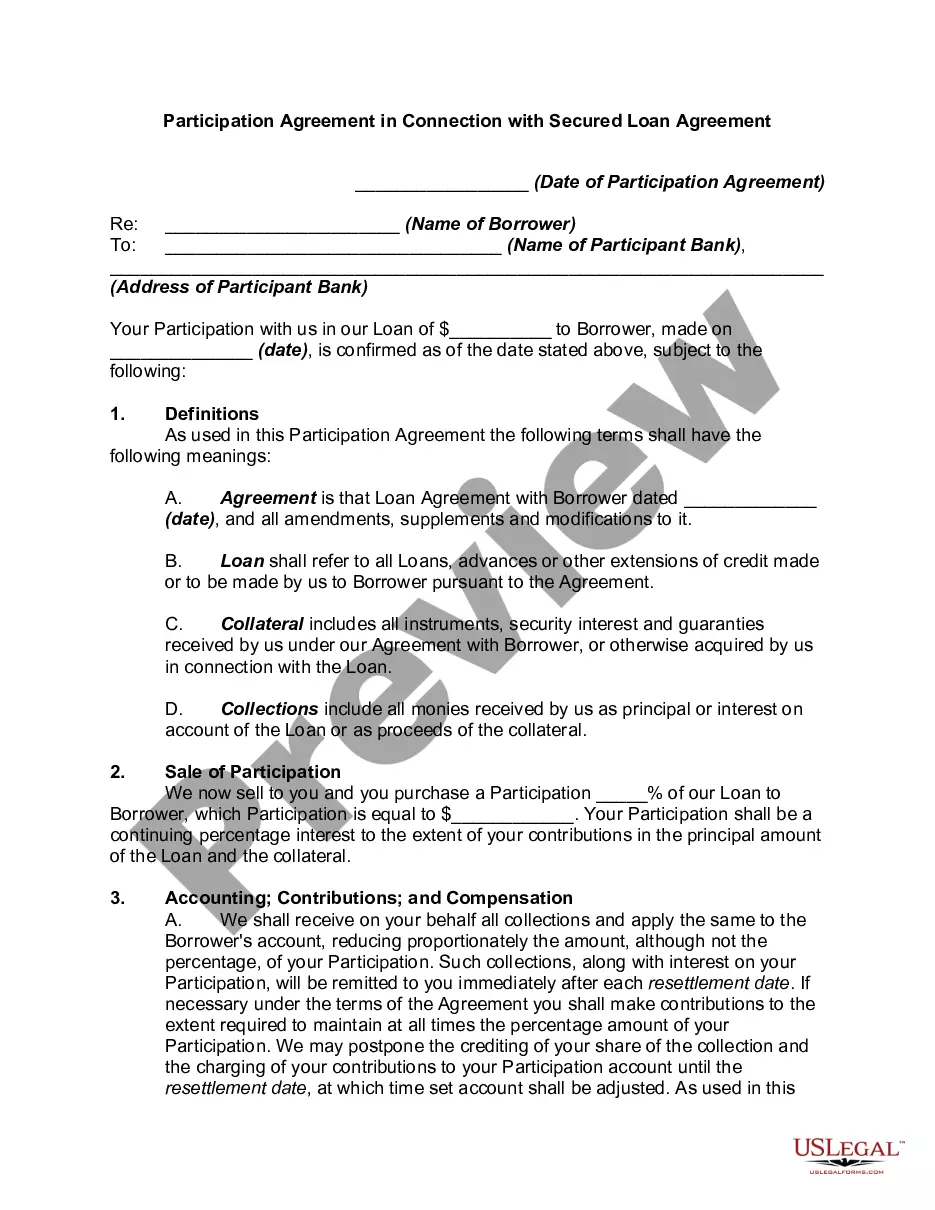
Change Of Name Deed Example In Los Angeles
Description








Get your form ready online
Our built-in tools help you complete, sign, share, and store your documents in one place.
Make edits, fill in missing information, and update formatting in US Legal Forms—just like you would in MS Word.
Download a copy, print it, send it by email, or mail it via USPS—whatever works best for your next step.
Sign and collect signatures with our SignNow integration. Send to multiple recipients, set reminders, and more. Go Premium to unlock E-Sign.
If this form requires notarization, complete it online through a secure video call—no need to meet a notary in person or wait for an appointment.
We protect your documents and personal data by following strict security and privacy standards.

Make edits, fill in missing information, and update formatting in US Legal Forms—just like you would in MS Word.

Download a copy, print it, send it by email, or mail it via USPS—whatever works best for your next step.

Sign and collect signatures with our SignNow integration. Send to multiple recipients, set reminders, and more. Go Premium to unlock E-Sign.

If this form requires notarization, complete it online through a secure video call—no need to meet a notary in person or wait for an appointment.

We protect your documents and personal data by following strict security and privacy standards.
Looking for another form?








Form popularity
FAQ
A: Anywhere between 14 to 90 days after closing. That may seem like a long time, but your local government office goes over every little detail on the deed to make sure the property is correct and there are no errors.
Recording the Deed If the deed is not recorded, the party holding the deed may not be recognized under the law as the legal property owner to third parties, though the deed may be legally effective to transfer the property from the grantor to the grantee.
Government Code section 27280 specifically states that “any instrument affecting title to or possession of the real property may be recorded.” Deeds fall squarely within this definition, and so most individuals, upon receiving a deed, promptly record it with the county.
Sample Affidavit of Name Change State of. County of. Current Name of Applicant: Approximate Date Current Name Was Assumed: Former Name of Applicant: Applicant's Date of Birth : Your Relationship to the Applicant: The variance in the applicant's name shown on his/her birth records and the name currently used:
Legal name changes are under the jurisdiction of the Los Angeles County Superior Court. Please contact the Court at (213) 830-0803 for assistance in this matter.
Get certified copy of your Decree from court clerk The clerk can get you a certified copy. This means the clerk adds an official stamp to your Decree that says the copy is true copy of the original. Depending on how many legal ID documents you want to update, you can ask for more than one certified Decree.
Where can I obtain a copy of my legal name change? Legal name changes are under the jurisdiction of the Los Angeles County Superior Court. Please contact the Court at (213) 830-0803 for assistance in this matter. You may also visit The Los Angeles Superior Court Website.
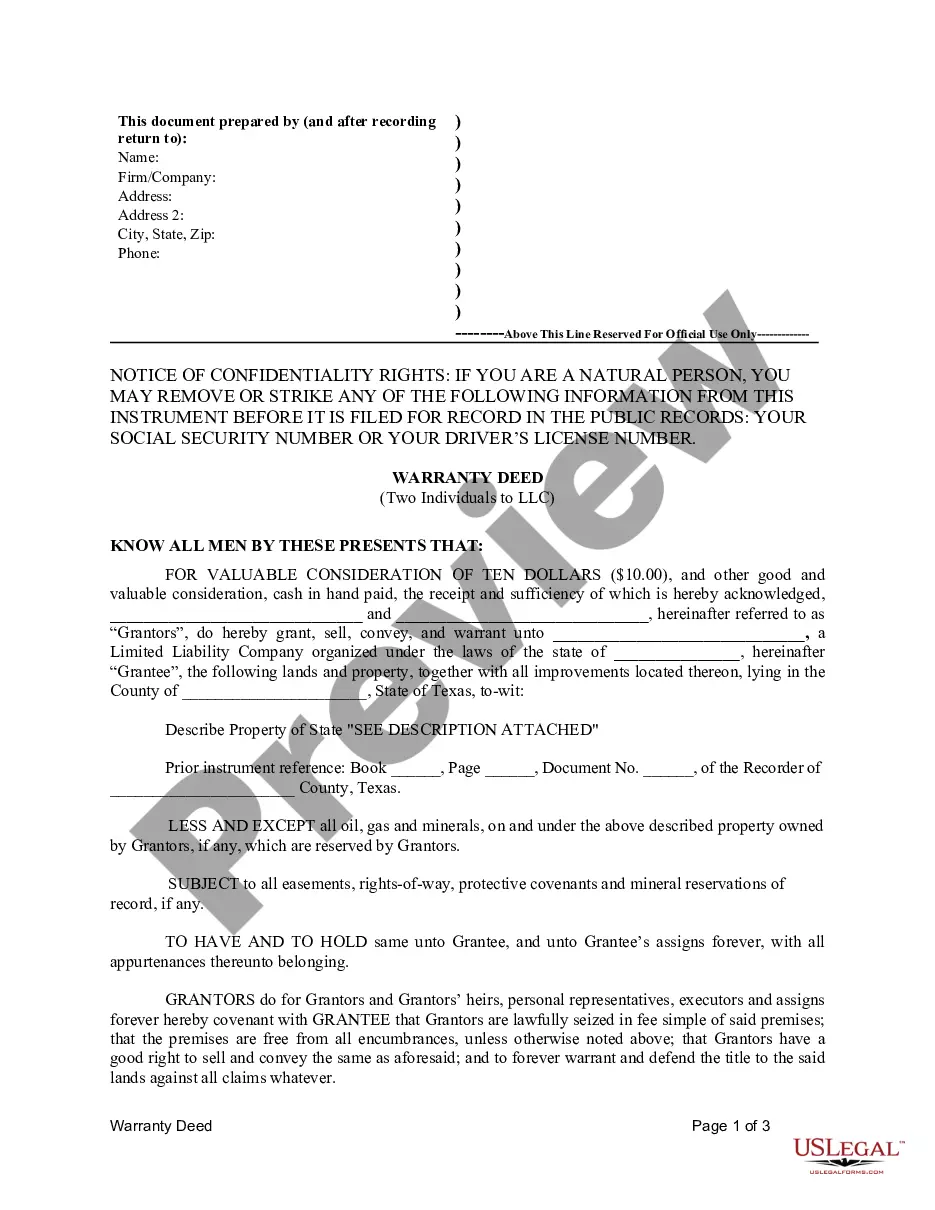
For a deed to be legal, it must state the name of the buyer and the seller, describe the property being transferred, and include the signature of the party transferring the property. In addition to being either official or private, deeds are classified as general warranty, special warranty, or quitclaim.
You may not need to involve an attorney to create a particular deed if you already have all the information. This is especially true if you are transferring property between family members or into or out of a trust. We provide several real estate forms that can help you transfer property validly in your state.
For a deed to be legal, it must state the name of the buyer and the seller, describe the property being transferred, and include the signature of the party transferring the property. In addition to being either official or private, deeds are classified as general warranty, special warranty, or quitclaim.