Change Deed Trust Without Lawyer In Los Angeles
Description

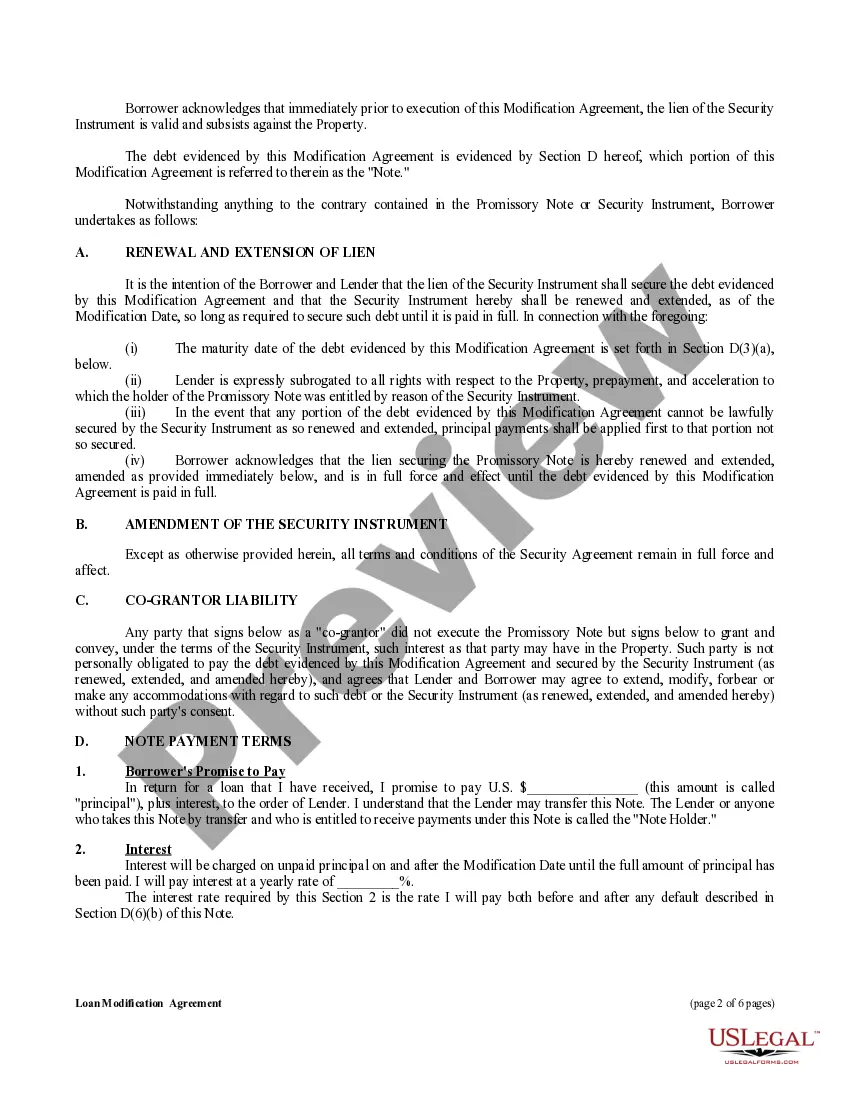
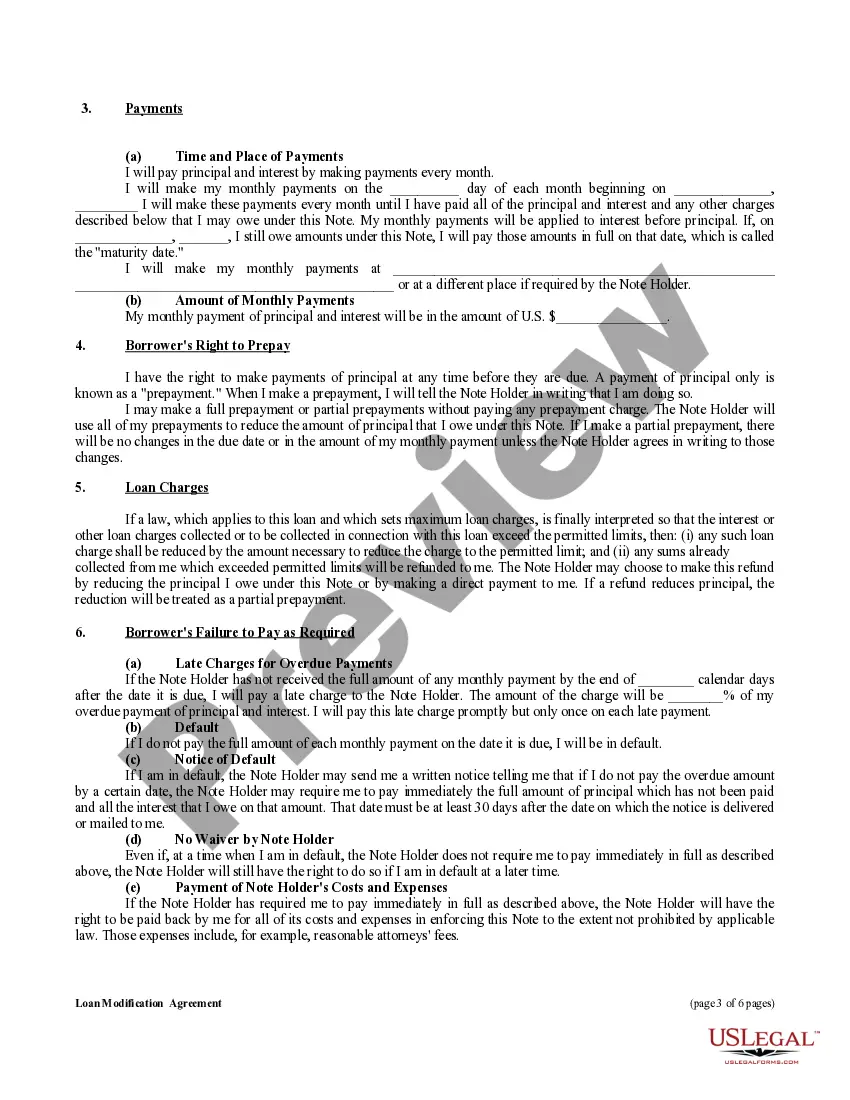
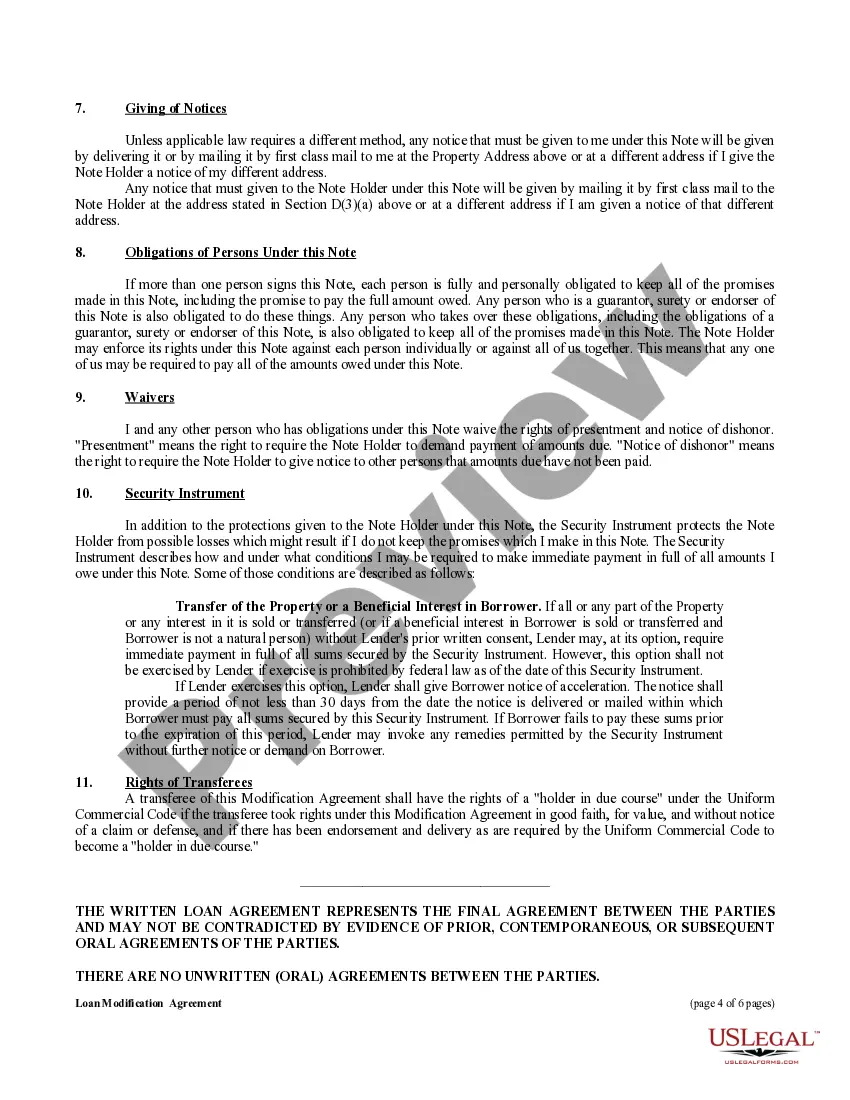
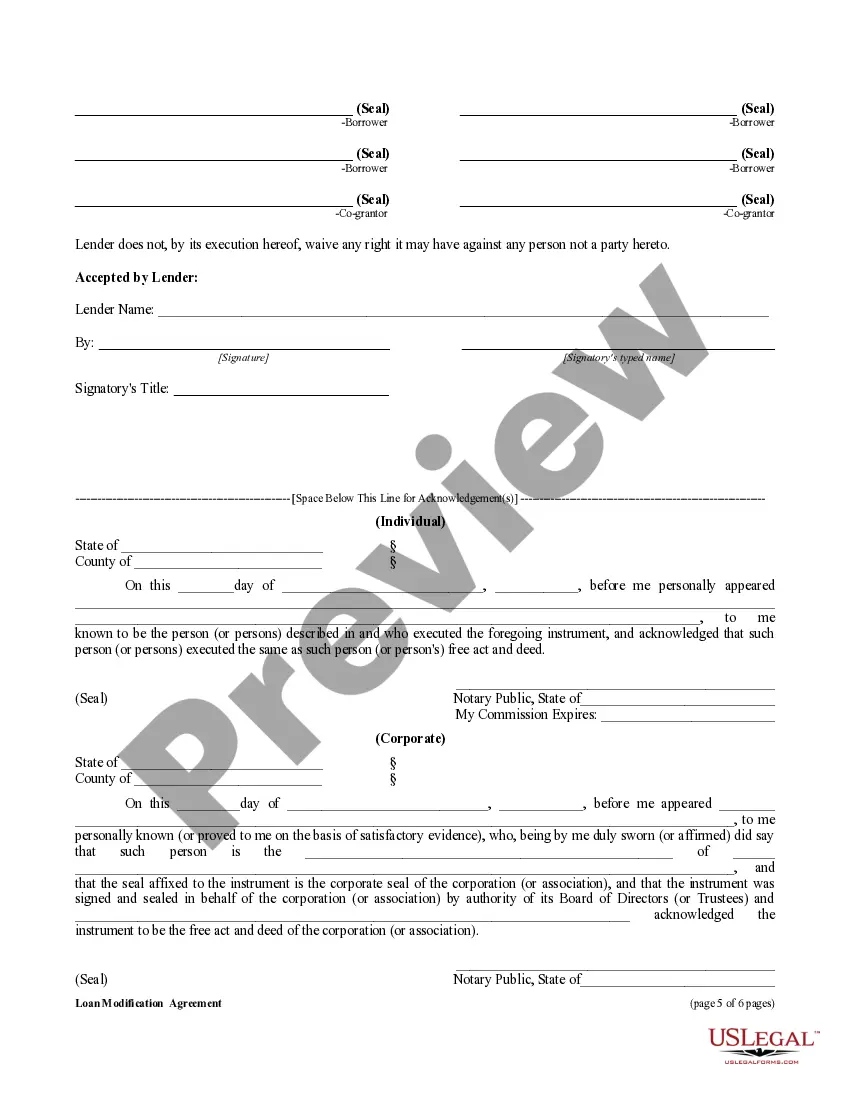


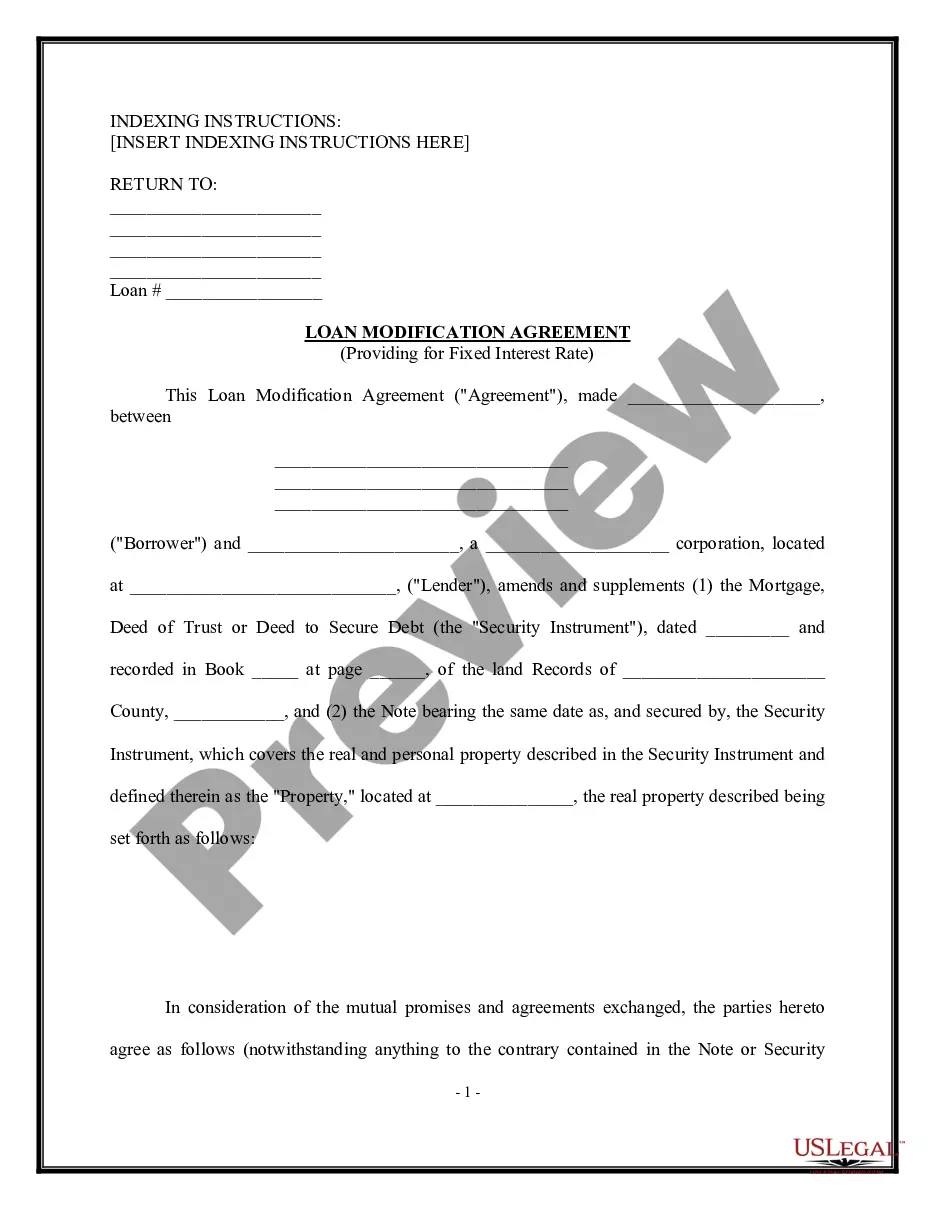
Get your form ready online
Our built-in tools help you complete, sign, share, and store your documents in one place.
Make edits, fill in missing information, and update formatting in US Legal Forms—just like you would in MS Word.
Download a copy, print it, send it by email, or mail it via USPS—whatever works best for your next step.
Sign and collect signatures with our SignNow integration. Send to multiple recipients, set reminders, and more. Go Premium to unlock E-Sign.
If this form requires notarization, complete it online through a secure video call—no need to meet a notary in person or wait for an appointment.
We protect your documents and personal data by following strict security and privacy standards.

Make edits, fill in missing information, and update formatting in US Legal Forms—just like you would in MS Word.

Download a copy, print it, send it by email, or mail it via USPS—whatever works best for your next step.

Sign and collect signatures with our SignNow integration. Send to multiple recipients, set reminders, and more. Go Premium to unlock E-Sign.

If this form requires notarization, complete it online through a secure video call—no need to meet a notary in person or wait for an appointment.

We protect your documents and personal data by following strict security and privacy standards.
Looking for another form?






Form popularity
FAQ
While it's possible to amend a revocable living trust on your own, it's advisable to consult with an experienced estate planning attorney in California. They can provide legal guidance and ensure that your amendments comply with state laws.
To record a deed in California, you must submit the completed deed along with the appropriate fees to the County Recorder's Office in the county where the property is located. The deed will then be officially recorded, making it a part of the public record.
If you're confident in your abilities, you can download a program online to help you write a document. Otherwise, you'll want to get the help of either a lawyer or a financial advisor. Sign the trust: Signing the document is required for the trust to be valid.
How do you transfer a trust deed in California? To transfer real property into your Trust, a new deed reflecting the name of the Trust must be executed, notarized and recorded with the County Recorder in the County where the property is located.
Recording a document means that it is filed with the county recorder's office and becomes a public record. In California, living trusts are not required to be recorded, nor is it recommended.
The law says that if all beneficiaries consent, they can petition the Court to change or end the trust. The Court will consider: if the trust must continue in order to carry out the purpose of the trust. if the reason for changing or ending the trust outweighs the interest in carrying out the purpose of the trust.
To amend a living trust in California, you'll need to create a written amendment document that clearly states the changes you want to make to your trust. Amending your trust allows you to update beneficiaries, change asset distributions, or modify trustee appointments without having to create an entirely new trust.
If you have an irrevocable trust, it is extremely difficult to make changes to it because the trust was set up to be permanent and not alterable. Most people, however, create a revocable living trust. A living revocable trust is designed to be flexible so you can make any change you want to it.
