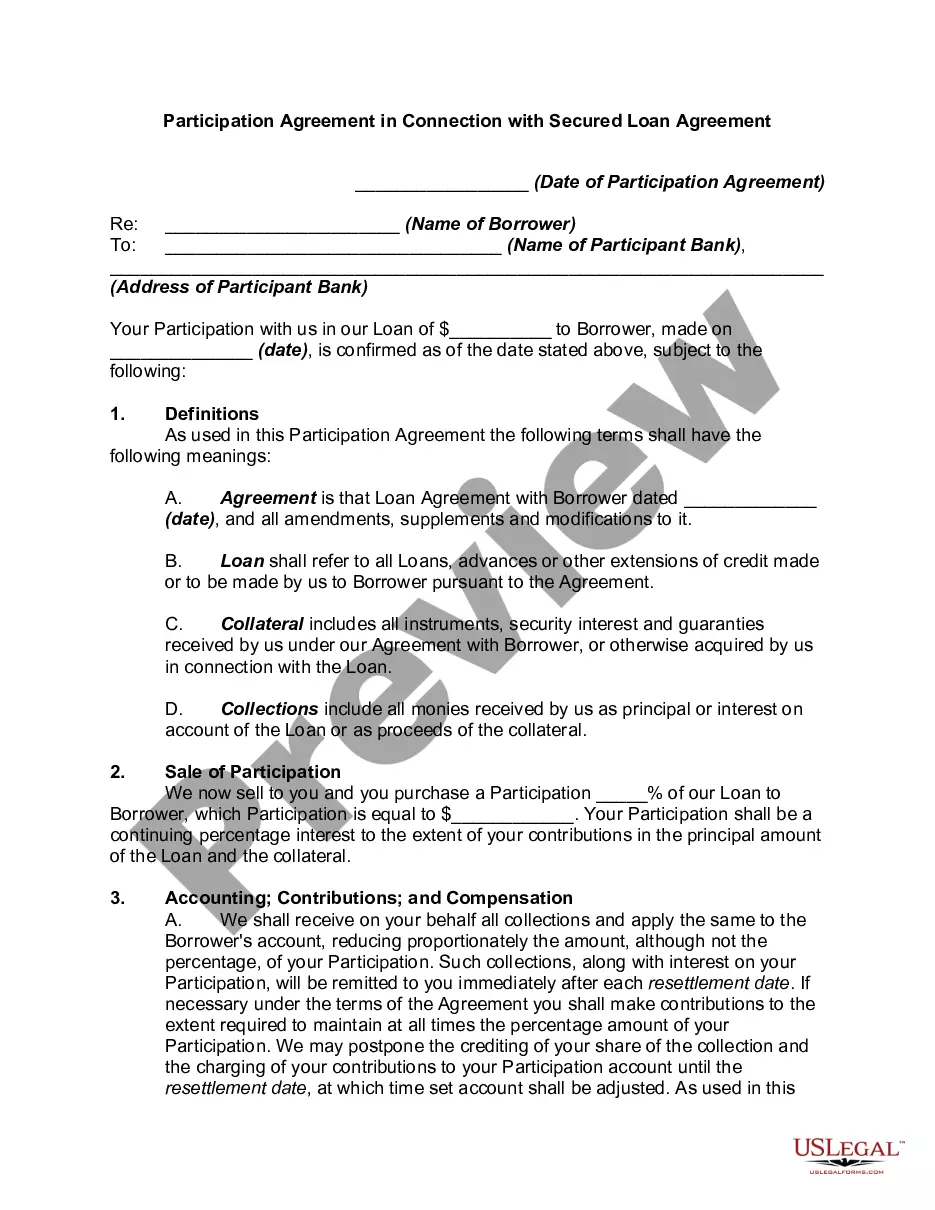
Title Transfer Form For Texas In King
Description








Get your form ready online
Our built-in tools help you complete, sign, share, and store your documents in one place.
Make edits, fill in missing information, and update formatting in US Legal Forms—just like you would in MS Word.
Download a copy, print it, send it by email, or mail it via USPS—whatever works best for your next step.
Sign and collect signatures with our SignNow integration. Send to multiple recipients, set reminders, and more. Go Premium to unlock E-Sign.
If this form requires notarization, complete it online through a secure video call—no need to meet a notary in person or wait for an appointment.
We protect your documents and personal data by following strict security and privacy standards.

Make edits, fill in missing information, and update formatting in US Legal Forms—just like you would in MS Word.

Download a copy, print it, send it by email, or mail it via USPS—whatever works best for your next step.

Sign and collect signatures with our SignNow integration. Send to multiple recipients, set reminders, and more. Go Premium to unlock E-Sign.

If this form requires notarization, complete it online through a secure video call—no need to meet a notary in person or wait for an appointment.

We protect your documents and personal data by following strict security and privacy standards.
Looking for another form?





Form popularity
FAQ
Do Both Parties Have to be Present to Transfer a Car in Texas? If the seller or person gifting the car properly signed the title, they do not have to be present at the DMV to transfer the title. However, the person receiving the vehicle must present the Application for Texas Title in person at the DMV.
The title transfer process in Texas involves transferring ownership of a vehicle from the seller to the buyer. Key steps include gathering necessary documents, completing Form 130-U, paying relevant fees, and submitting the application to the local county tax office or online.
While the original owner's presence is generally preferred for a vehicle transfer, it's not always required. Proper legal documentation, adherence to jurisdictional requirements, and careful completion of all necessary paperwork can facilitate a legal transfer of vehicle ownership in the owner's absence.
Title Transfer The original title assigned from the seller to the buyer. An Application for Texas Title (130-U) completed by buyer(s), buyer(s) signature must be original. Government issued photo ID for buyer. Proof of Texas liability insurance. Supporting documents for example:
If you do not have a renewal notice, you can renew your registration using one of the following: License Plate Number. Vehicle Identification Number. Registration Receipt from the previous year.
For a car title transfer in Texas, you need the existing vehicle title, a completed Application for Texas Title and/or Registration (Form 130-U) signed by both parties, the seller's proof of ownership, and valid identification for both buyer and seller. If there's a lien, a release is needed.
County tax assessor-collector offices provide most vehicle title and registration services, including: Registration renewals (license plates and registration stickers) Vehicle title transfers.
Form 130-U The application includes a motor vehicle tax statement section to document the following: the motor vehicle sales tax due on a Texas sale of a motor vehicle. a gift from one eligible party to another eligible party. an even trade between two parties.