Form 17 Deed Of Trust Example In Hillsborough
Description








Get your form ready online
Our built-in tools help you complete, sign, share, and store your documents in one place.
Make edits, fill in missing information, and update formatting in US Legal Forms—just like you would in MS Word.
Download a copy, print it, send it by email, or mail it via USPS—whatever works best for your next step.
Sign and collect signatures with our SignNow integration. Send to multiple recipients, set reminders, and more. Go Premium to unlock E-Sign.
If this form requires notarization, complete it online through a secure video call—no need to meet a notary in person or wait for an appointment.
We protect your documents and personal data by following strict security and privacy standards.

Make edits, fill in missing information, and update formatting in US Legal Forms—just like you would in MS Word.

Download a copy, print it, send it by email, or mail it via USPS—whatever works best for your next step.

Sign and collect signatures with our SignNow integration. Send to multiple recipients, set reminders, and more. Go Premium to unlock E-Sign.

If this form requires notarization, complete it online through a secure video call—no need to meet a notary in person or wait for an appointment.

We protect your documents and personal data by following strict security and privacy standards.
Looking for another form?

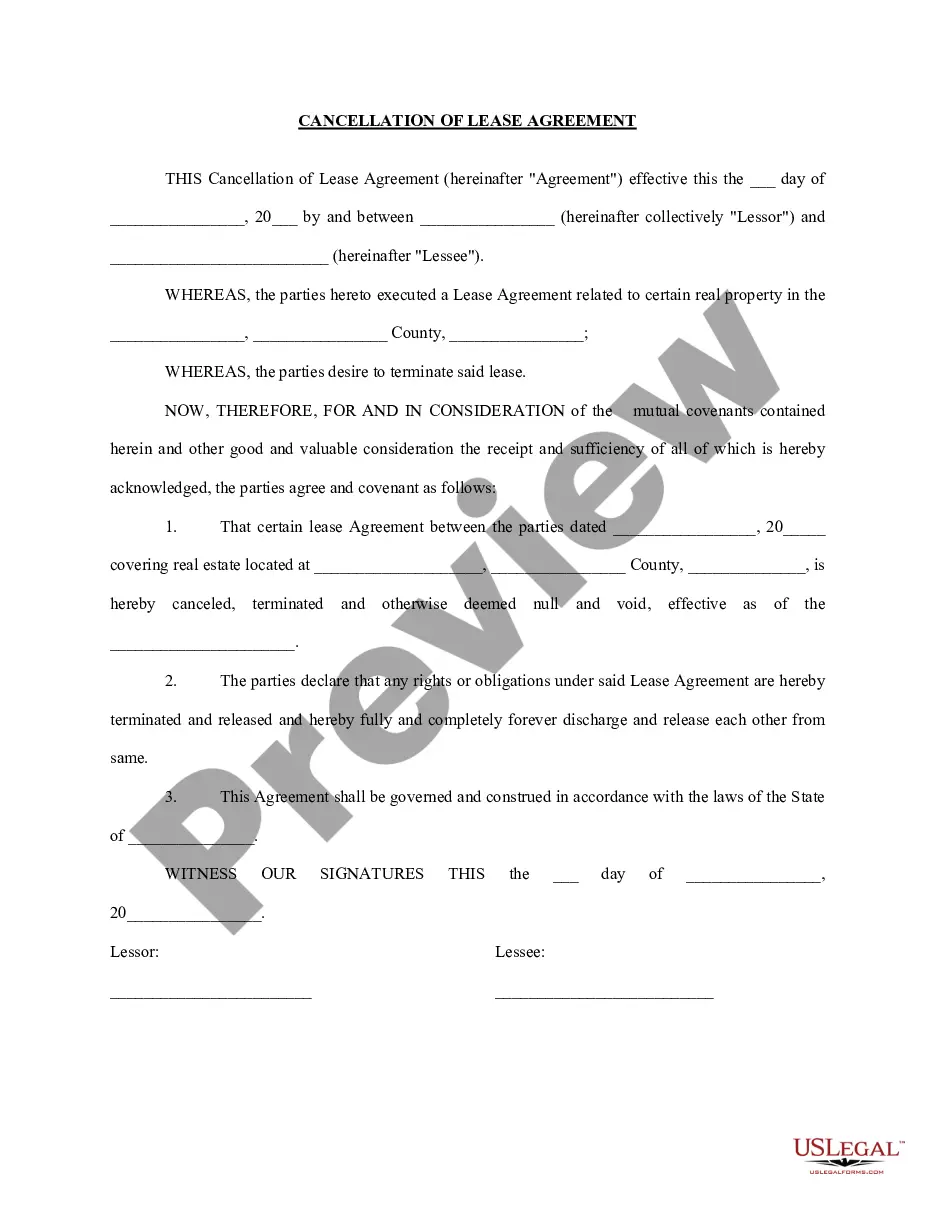






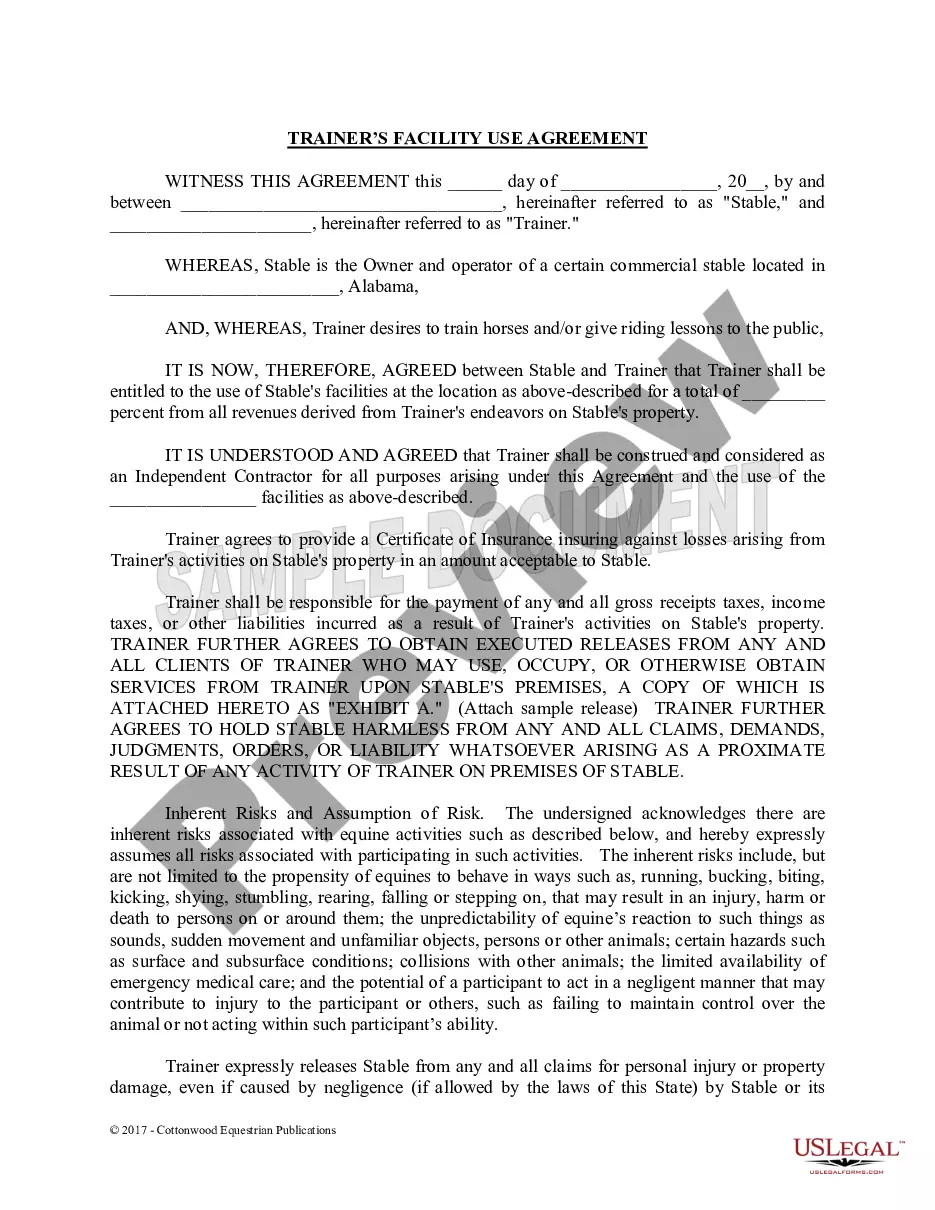
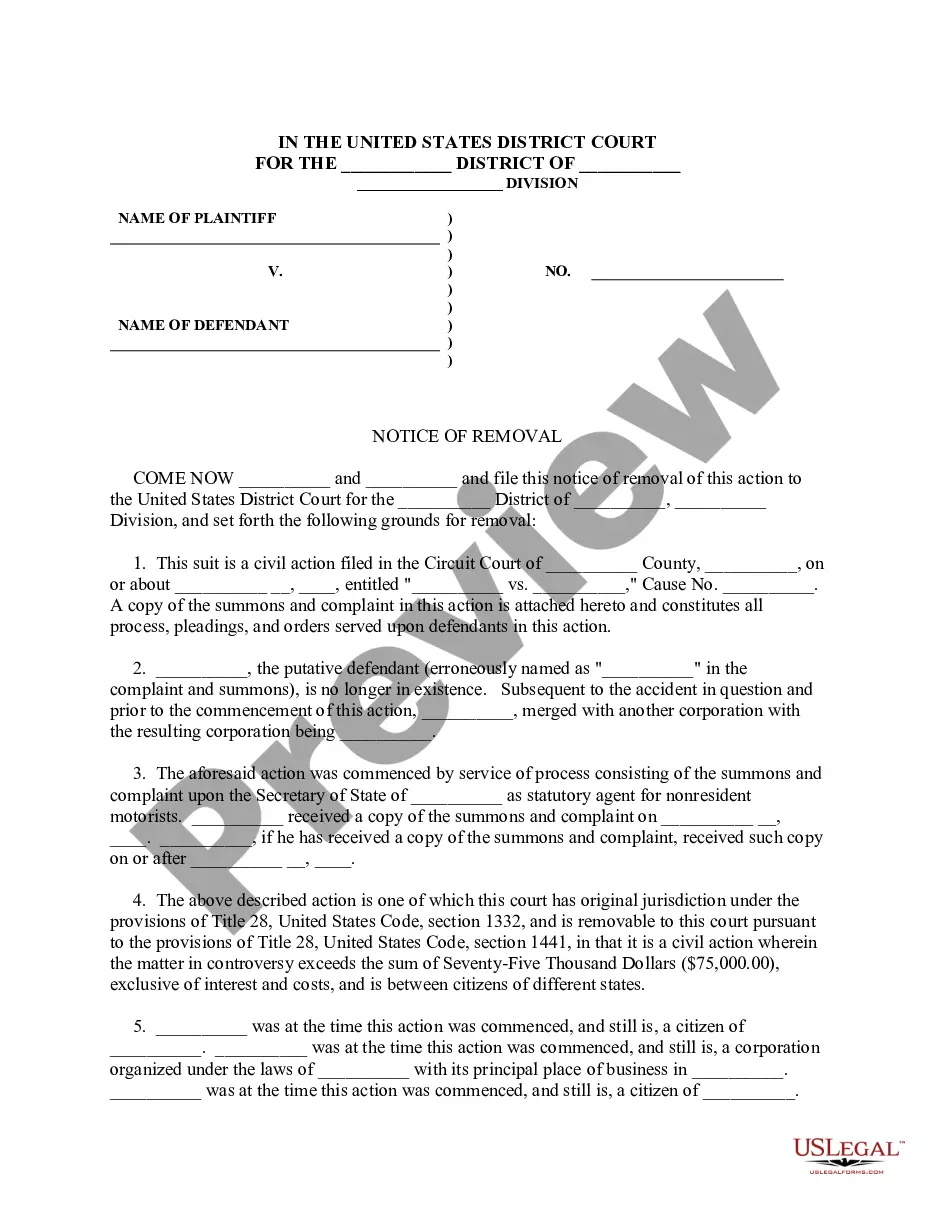
Form popularity
FAQ
The only time your partner will be informed of a Trust Deed and could be required to make payments is if the arrangement includes joint debts that they are also a part of. In this case, your creditors could approach your partner and ask them to contribute their share of the debt.
Where to Get a Deed of Trust? To get a Deed of Trust, you must file the proper paperwork with the proper court as generally outlined above. These documents must be filed with the county clerk or recorder, and the lender typically sends them to the recording office after the property closing.
In financed real estate transactions, trust deeds transfer the legal title of a property to a third party—such as a bank, escrow company, or title company—to hold until the borrower repays their debt to the lender. Trust deeds are used in place of mortgages in several states.
Tax Court Form 17 provides the form to use in filing a notice of appeal of a Tax Court decision or dispositive order. It is important that you take the time to carefully read the following information and that you properly complete the notice of appeal form before filing it with the Tax Court.
Any school in the United States whose officials want to enroll F and/or M students must file a Form I-17, “Petition for Approval of School for Attendance by a Nonimmigrant Student,” and receive approval (i.e., certification) from the Department of Homeland Security (DHS).
This Deed of Trust (the “Trust Deed”) sets out the terms and conditions upon which: Settlor Name (the “Settlor”), of Settlor Address, settles that property set out in Schedule A (the “Property”) upon Trustee Name (the “Trustee”), being a Company duly registered under the laws of state with registered number ...
The declaration on form 17 must be made by both spouses jointly. For example, it cannot be made by one spouse if the other disagrees. The declaration on form 17 must reach HMRC within 60 days from the date of signature of the last spouse to sign; otherwise, it is invalid.
A deed of trust will include the same type of information stated in a mortgage document, such as: The identities of the borrower, lender, and trustee. A full description of the property to be placed in trust. Any restrictions or requirements on the use of the property while it is in trust.
What You Need to Know about the Washington State Seller Property Disclosure – Form 17. Washington State requires sellers of residential real property to thoroughly disclose material facts on a form called the Residential Real Property Disclosure Statement (often referred to as Form 17).
A Declaration of Trust (or otherwise known as a Deed of Trust) is a legally binding document entered into by individuals who are purchasing a property together to record how the property is to be owned.
