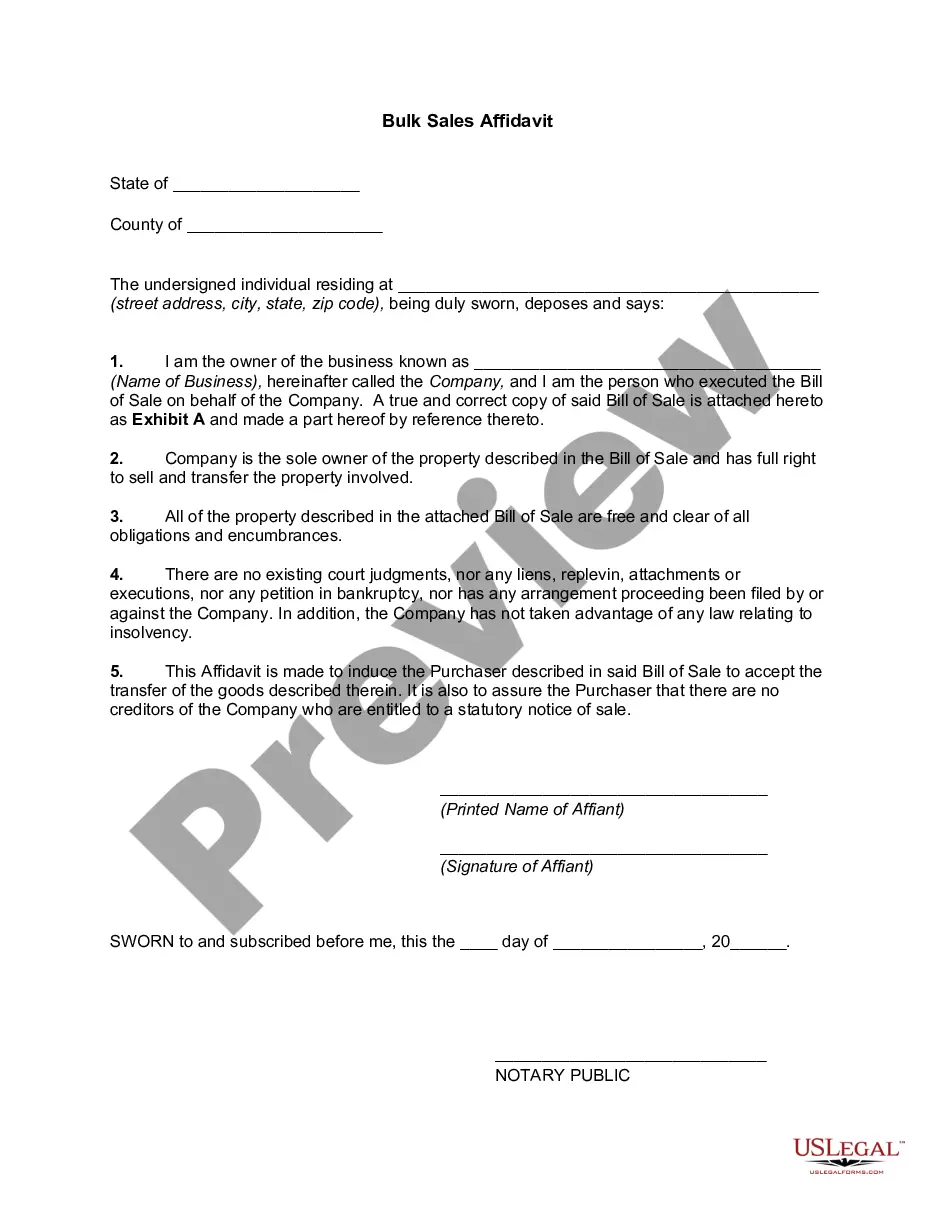
Modification Deed Trust Form With Mortgage In Georgia
Description








Get your form ready online
Our built-in tools help you complete, sign, share, and store your documents in one place.
Make edits, fill in missing information, and update formatting in US Legal Forms—just like you would in MS Word.
Download a copy, print it, send it by email, or mail it via USPS—whatever works best for your next step.
Sign and collect signatures with our SignNow integration. Send to multiple recipients, set reminders, and more. Go Premium to unlock E-Sign.
If this form requires notarization, complete it online through a secure video call—no need to meet a notary in person or wait for an appointment.
We protect your documents and personal data by following strict security and privacy standards.

Make edits, fill in missing information, and update formatting in US Legal Forms—just like you would in MS Word.

Download a copy, print it, send it by email, or mail it via USPS—whatever works best for your next step.

Sign and collect signatures with our SignNow integration. Send to multiple recipients, set reminders, and more. Go Premium to unlock E-Sign.

If this form requires notarization, complete it online through a secure video call—no need to meet a notary in person or wait for an appointment.

We protect your documents and personal data by following strict security and privacy standards.
Looking for another form?







Form popularity
FAQ
For these reasons, lenders and borrowers should consider a deed in lieu as an alternative to foreclosure or an immediate short sale that could benefit both parties and preserve value depending on the circumstances of a particular troubled property.
Mortgages are used, but they are rare. A security deed (deed to secure debt) is the customary security instrument in Georgia. Georgia does not use a Deed of Trust. Two witnesses are required to witness the signature of the grantor for a security deed to be recorded.
A deed in lieu of foreclosure is a document that transfers the title of a property from the property owner to their lender in exchange for relief from the mortgage debt. Choosing a deed in lieu of foreclosure can be less damaging financially than going through a full foreclosure proceeding.
A deed in lieu means you and your lender reach a mutual understanding that you're no longer able to make your mortgage payments. The lender agrees to avoid putting you into foreclosure when you hand the property over amicably. In exchange, the lender releases you from your obligations under the mortgage.
Disadvantages to Lender A lender should also hesitate before accepting a lieu deed where there are outstanding subordinate liens or judgments against the property. In such a situation, the lender will have to foreclose its mortgage, with the attendant expense and time involved to obtain clear title.
Loss in Ownership, Title, and Equity: The most obvious drawback of a deed in lieu is the loss of ownership, title, and equity in the property. A borrower will also lose any improvements that were done on the property, rental income, and other profits related to the property.
Summary. Placing a mortgaged property in a trust is possible and common, although key considerations must be taken into account. Some considerations to keep in mind are mortgage payments, refinancing, and the due-on-sale clause.
How to put a house into a trust if it has a mortgage Create the Trust. Before transferring a property into a trust, you need to establish the trust. Notify Your Mortgage Lender. Update Insurance Policies. Continue Making Mortgage Payments. Refinancing Considerations.
Transfer Your Home Into the Trust You must complete the deed transferring ownership of the property before a witness and a notary public and have the deed notarized. You must submit the deed and a PT-61 tax transfer document to the Superior court clerk in your county.