Trust Deed Format In Hindi In Franklin
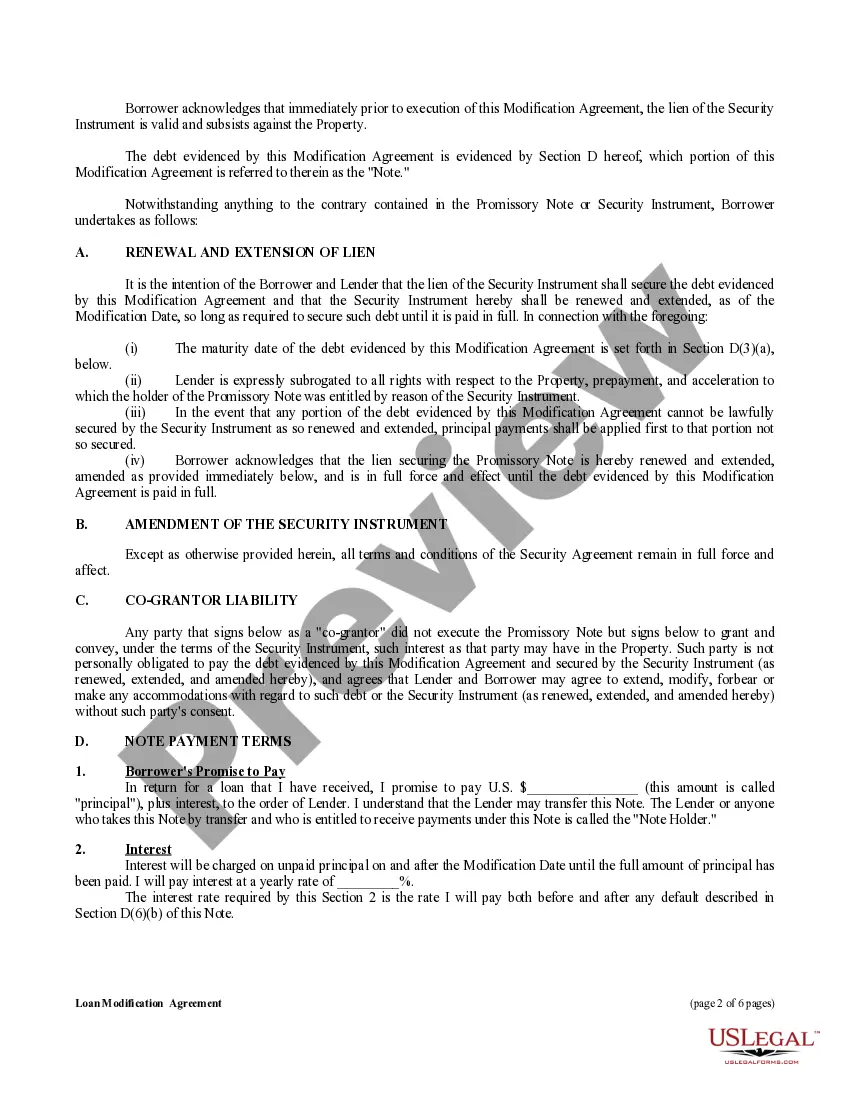
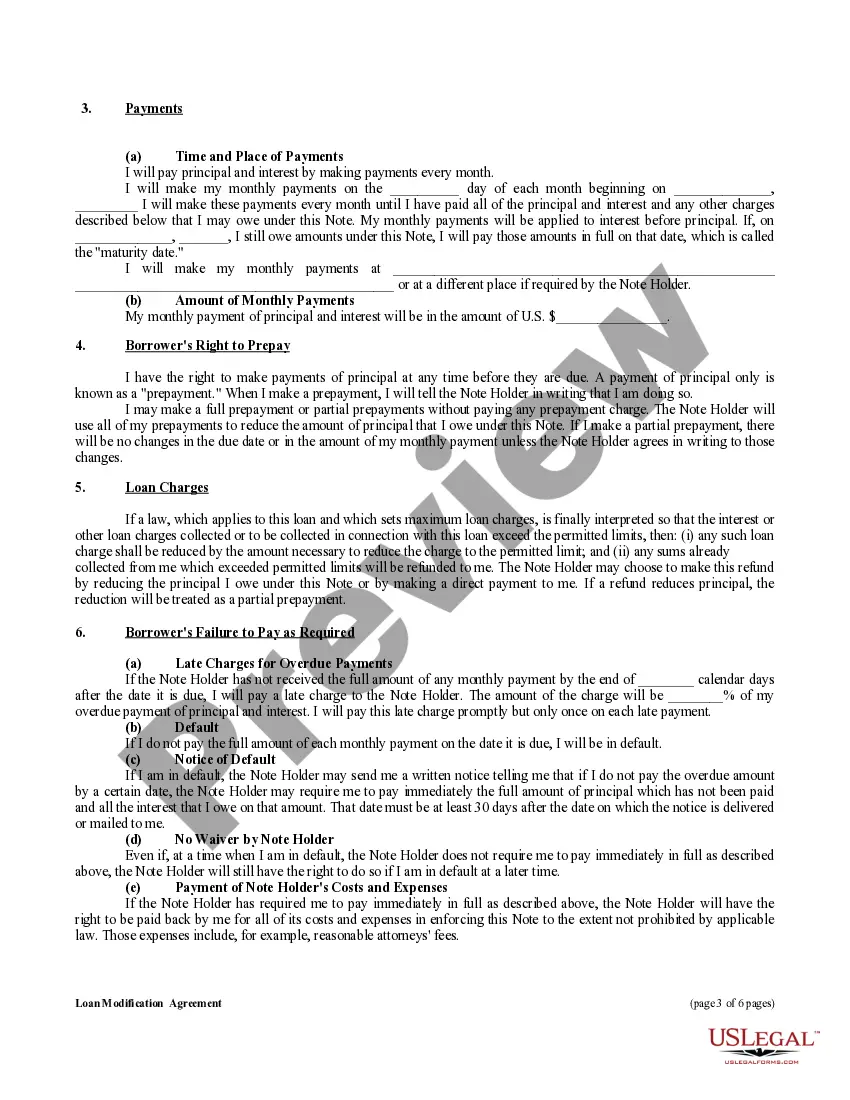
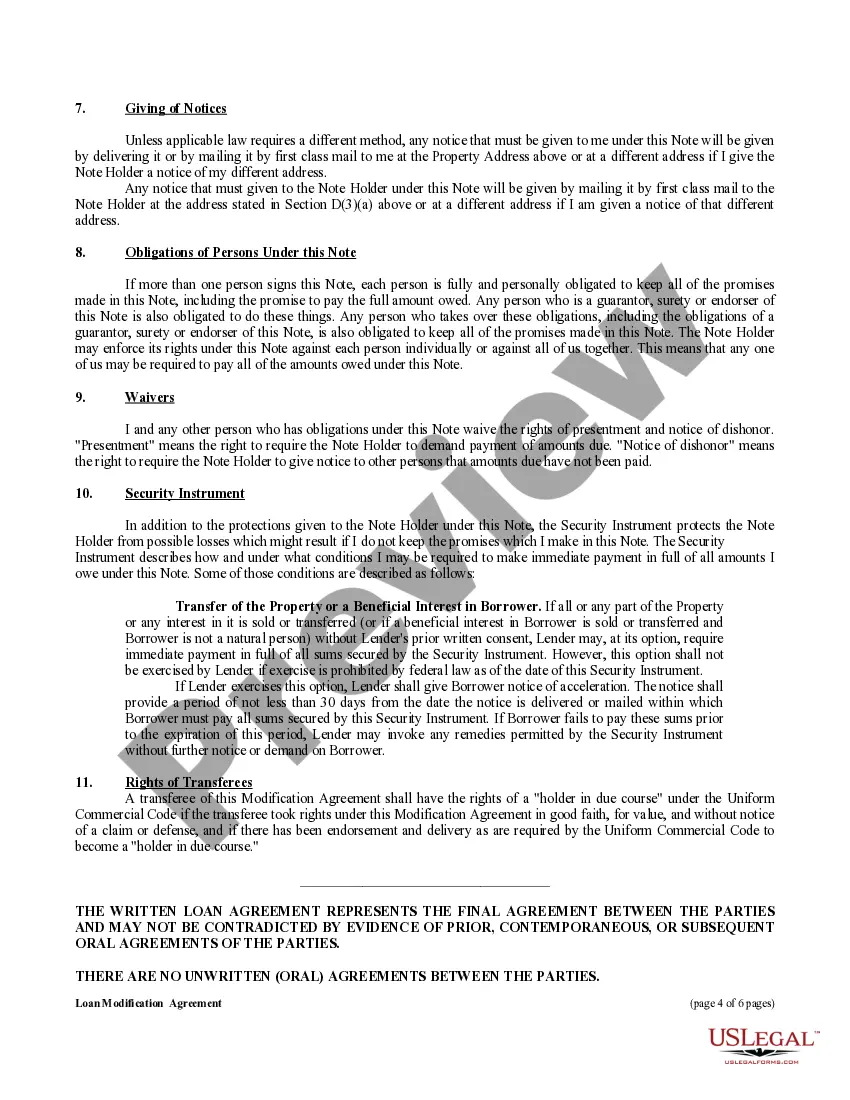
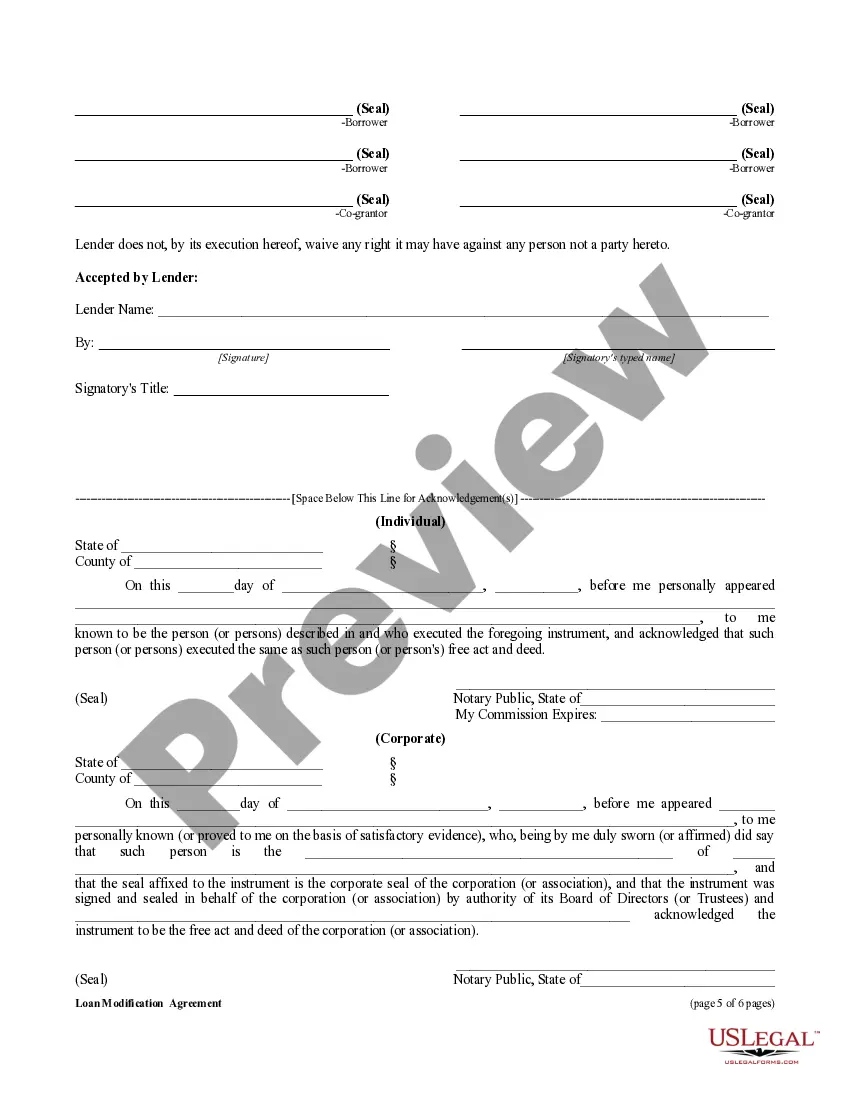
Description


Get your form ready online
Our built-in tools help you complete, sign, share, and store your documents in one place.
Make edits, fill in missing information, and update formatting in US Legal Forms—just like you would in MS Word.
Download a copy, print it, send it by email, or mail it via USPS—whatever works best for your next step.
Sign and collect signatures with our SignNow integration. Send to multiple recipients, set reminders, and more. Go Premium to unlock E-Sign.
If this form requires notarization, complete it online through a secure video call—no need to meet a notary in person or wait for an appointment.
We protect your documents and personal data by following strict security and privacy standards.

Make edits, fill in missing information, and update formatting in US Legal Forms—just like you would in MS Word.

Download a copy, print it, send it by email, or mail it via USPS—whatever works best for your next step.

Sign and collect signatures with our SignNow integration. Send to multiple recipients, set reminders, and more. Go Premium to unlock E-Sign.

If this form requires notarization, complete it online through a secure video call—no need to meet a notary in person or wait for an appointment.

We protect your documents and personal data by following strict security and privacy standards.
Looking for another form?








Form popularity
FAQ
A written instrument legally conveying property to a trustee, such as a bank, often for the purpose of securing a mortgage or promissory note.
The Board of Trustees shall have full power and authority to make, alter and rescind rules and regulations for the management and administration of the Trust. Any amendment to the Trust Deed will be carried out only with the approval of the Commissioner of Income Tax.
Requirement for registration of Trust Deed with the Local Registrar under the Indian Trusts Act, 1882: Trust Deed on stamp paper of requisite value. One passport size photograph & copy of the proof of identity of the settlor. One passport size photograph & copy of the proof of identity of each of the two trustees.
In the trust deed where there is no mention about amendment, the amendment has to be done with the permission of a civil court. Even the Civil Courts do not have unlimited powers of amendment. The Civil Courts permit amendment under the doctrine of Cy pres, which means the original intent of the settlor should prevail.
You can amend it yourself. There should be provisions for doing so in the trust document. It's usually as simple as you write down the changes, and all grantors or trustees sign it.
Deed of Trust Modification means, with respect to any Deed of Trust, a modification agreement entered into between the Borrower or the Project Owner, as applicable, and the Lender, modifying the terms and conditions of the Deed of Trust in order to (i) add to the lien of the Deed of Trust Additional Lots, or (ii) make ...
A trust can also be created by the author himself declaring that he would hold the property, not as owner, but as a trustee for the benefit of some person or persons including himself and in that case the transfer of property is not necessary as one need not transfer his property but in such a case the declaration of ...
The deed of trust must then be recorded with the county where the property is located, and each of the parties (the trustor, trustee, and lender) should keep a copy of the recorded document.
