Change Deed Trust Without Spouse In Dallas
Description


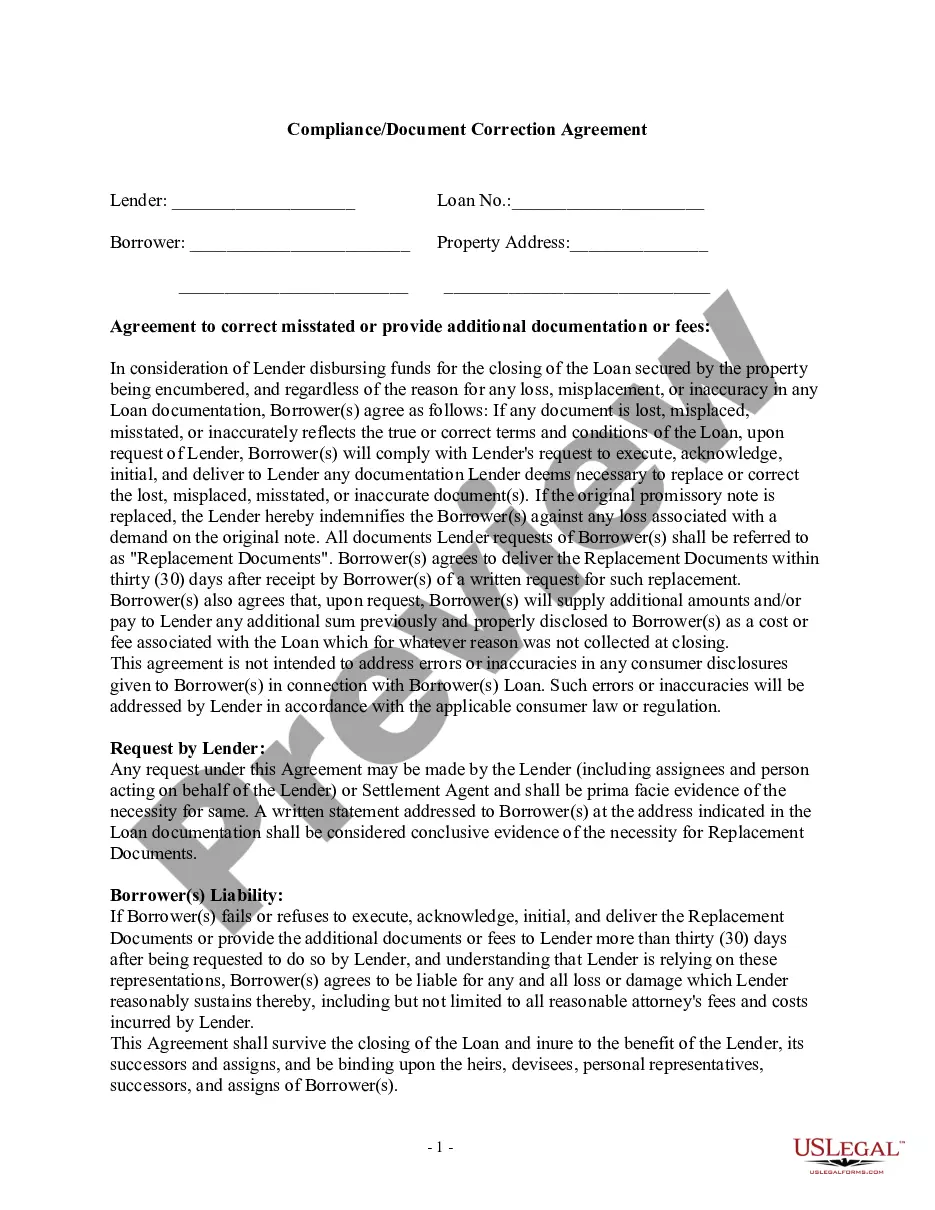
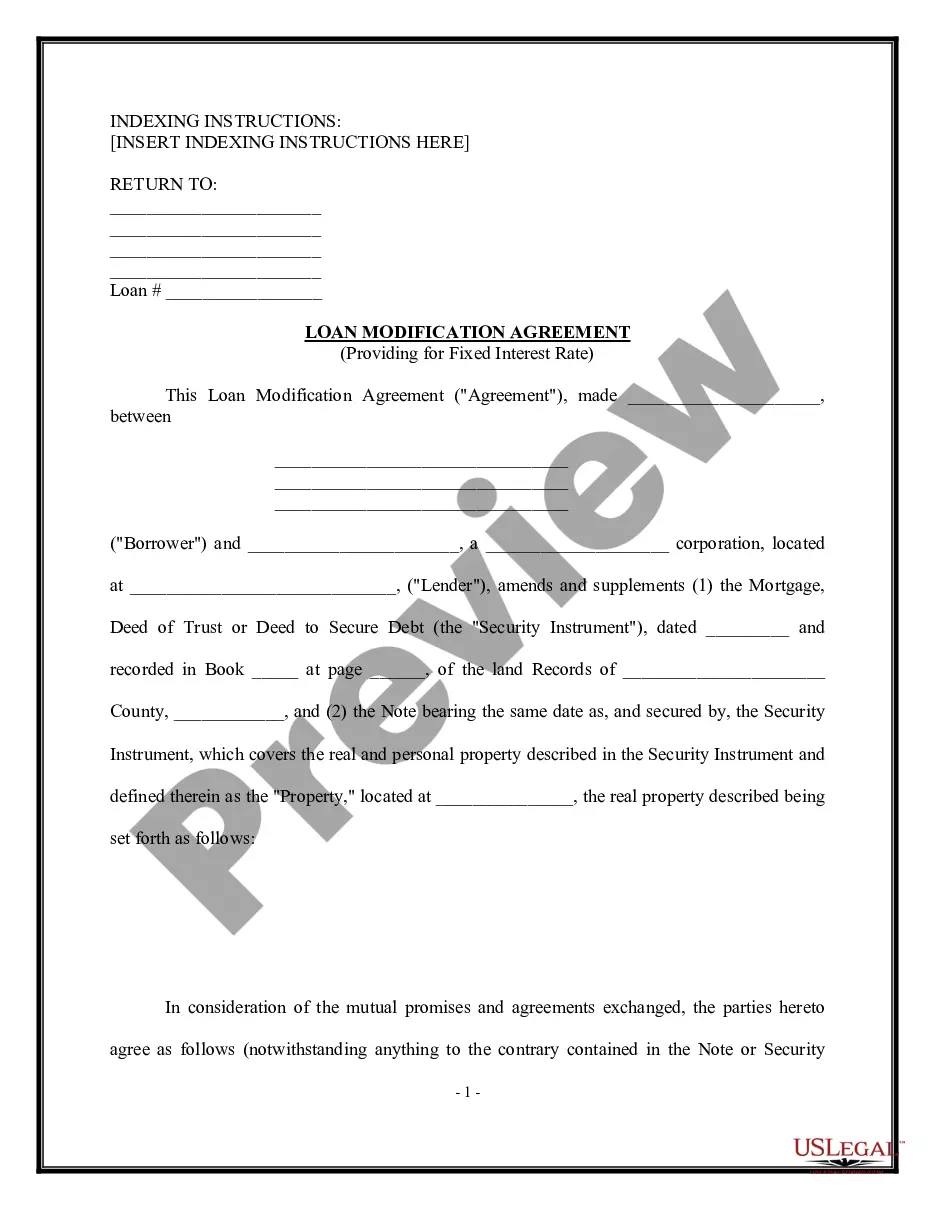
Get your form ready online
Our built-in tools help you complete, sign, share, and store your documents in one place.
Make edits, fill in missing information, and update formatting in US Legal Forms—just like you would in MS Word.
Download a copy, print it, send it by email, or mail it via USPS—whatever works best for your next step.
Sign and collect signatures with our SignNow integration. Send to multiple recipients, set reminders, and more. Go Premium to unlock E-Sign.
If this form requires notarization, complete it online through a secure video call—no need to meet a notary in person or wait for an appointment.
We protect your documents and personal data by following strict security and privacy standards.

Make edits, fill in missing information, and update formatting in US Legal Forms—just like you would in MS Word.

Download a copy, print it, send it by email, or mail it via USPS—whatever works best for your next step.

Sign and collect signatures with our SignNow integration. Send to multiple recipients, set reminders, and more. Go Premium to unlock E-Sign.

If this form requires notarization, complete it online through a secure video call—no need to meet a notary in person or wait for an appointment.

We protect your documents and personal data by following strict security and privacy standards.
Looking for another form?










Form popularity
FAQ
Transfers of real property must be in writing and notarized. Deeds should be recorded in the county where the property is located. To ensure a legal change to the property title, you'll want the services of an attorney. A qualified attorney will prepare and file the real estate transfer deed.
To remove someone from the deed on real property in the US, you will need that person to sign a quit-claim. The quit-claim is filed at the county office and they will deliver to you a new deed with that person removed.
Transfers of real property must be in writing and notarized. Deeds should be recorded in the county where the property is located. To ensure a legal change to the property title, you'll want the services of an attorney. A qualified attorney will prepare and file the real estate transfer deed.
During a divorce, property division often necessitates a change in property deeds. Typically, a spouse can be removed from a property deed after a divorce suit through a process called conveyance.
In real estate law, "assignment" is simply the transfer of a deed of trust from one party to another.
The outcome of a partition action is that the co-ownership is terminated, thereby ending the uncomfortable issues that arise from co-ownership of real estate in California.
The spouse whose name is to be removed from the title will need to sign the deed in front of any notary. This can be done anywhere in the world. The signed and notarized deed will then need to be filed with the county clerk's office in the county where the property is located.
The County Clerk only requires an Affidavit of Death to make the transfer effective. You do not need additional proof of death to take ownership. However, you must give the title company a death certificate, obituary, or other acceptable document if you want to sell the property or use it as collateral.
