Change Deed Trust Without Spouse In Clark
Description

Get your form ready online
Our built-in tools help you complete, sign, share, and store your documents in one place.
Make edits, fill in missing information, and update formatting in US Legal Forms—just like you would in MS Word.
Download a copy, print it, send it by email, or mail it via USPS—whatever works best for your next step.
Sign and collect signatures with our SignNow integration. Send to multiple recipients, set reminders, and more. Go Premium to unlock E-Sign.
If this form requires notarization, complete it online through a secure video call—no need to meet a notary in person or wait for an appointment.
We protect your documents and personal data by following strict security and privacy standards.

Make edits, fill in missing information, and update formatting in US Legal Forms—just like you would in MS Word.

Download a copy, print it, send it by email, or mail it via USPS—whatever works best for your next step.

Sign and collect signatures with our SignNow integration. Send to multiple recipients, set reminders, and more. Go Premium to unlock E-Sign.

If this form requires notarization, complete it online through a secure video call—no need to meet a notary in person or wait for an appointment.

We protect your documents and personal data by following strict security and privacy standards.
Looking for another form?
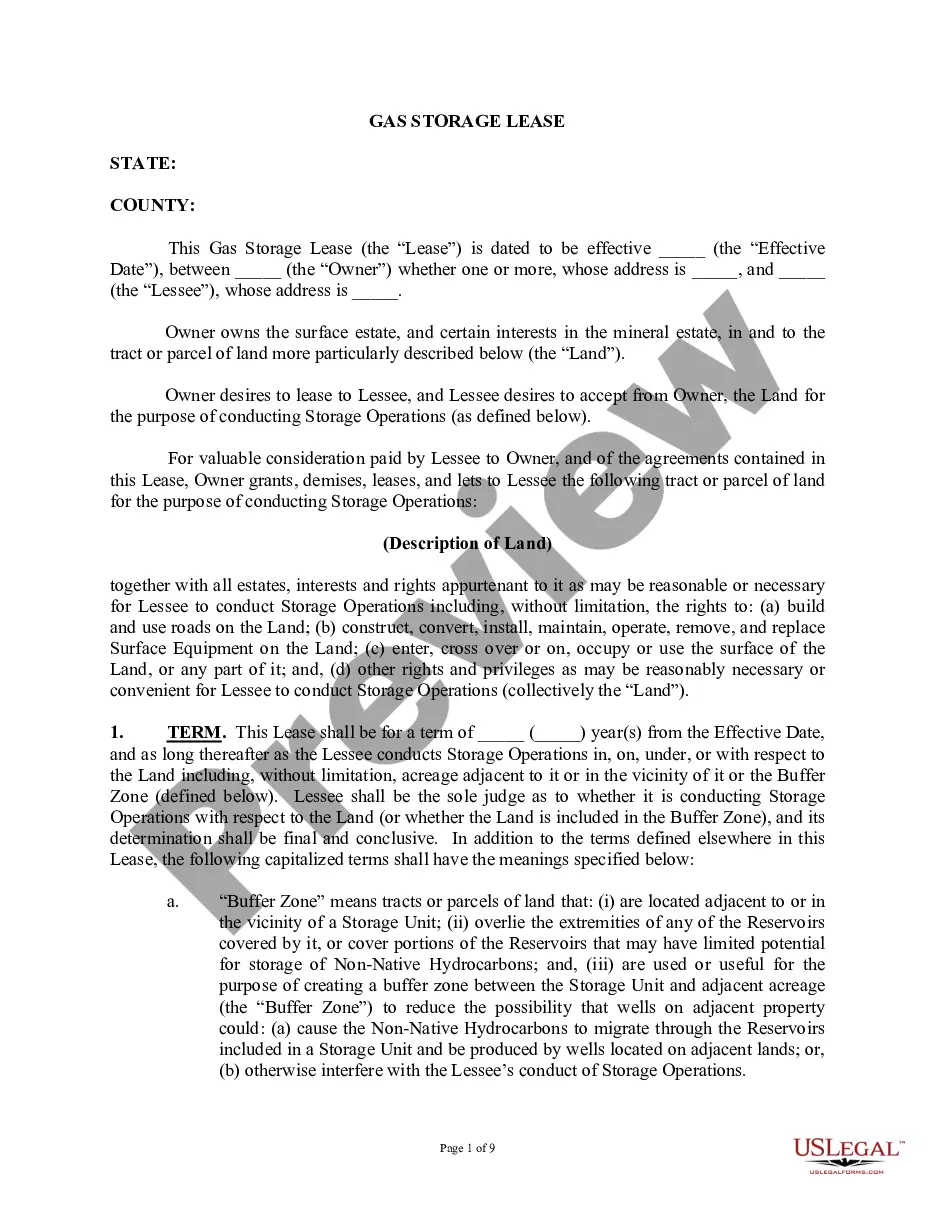

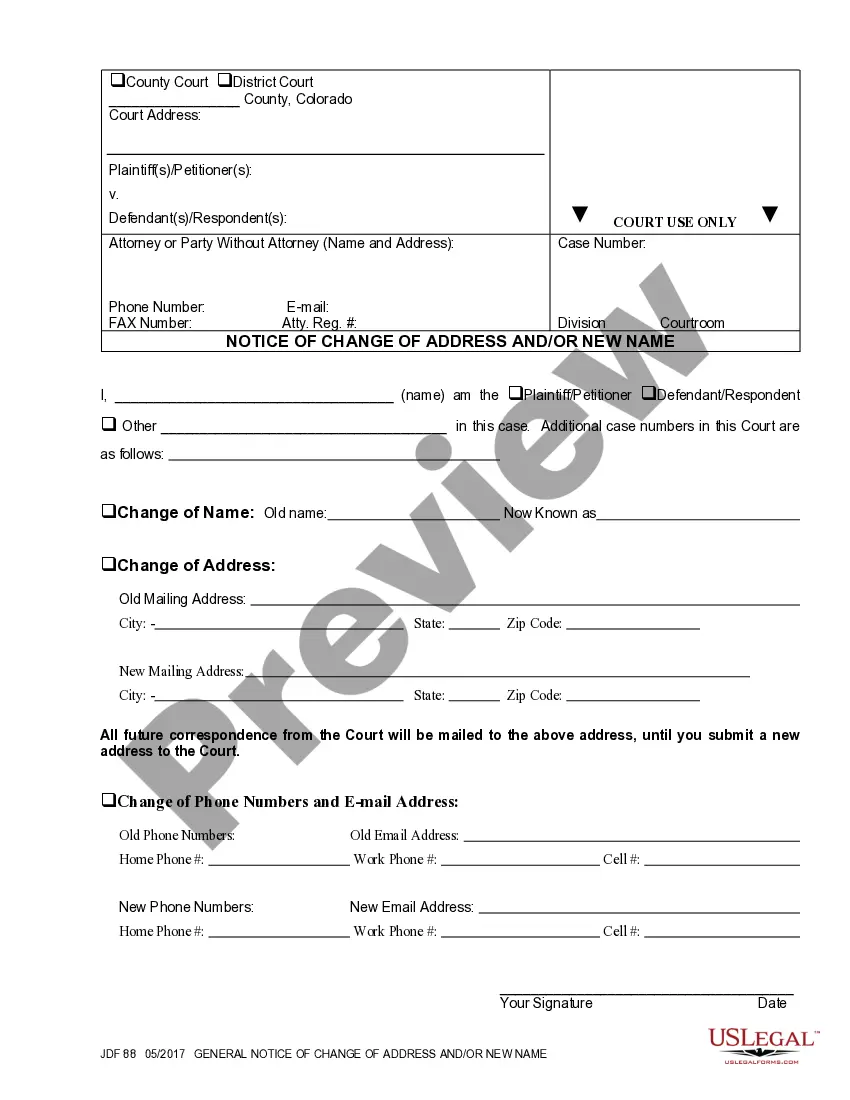



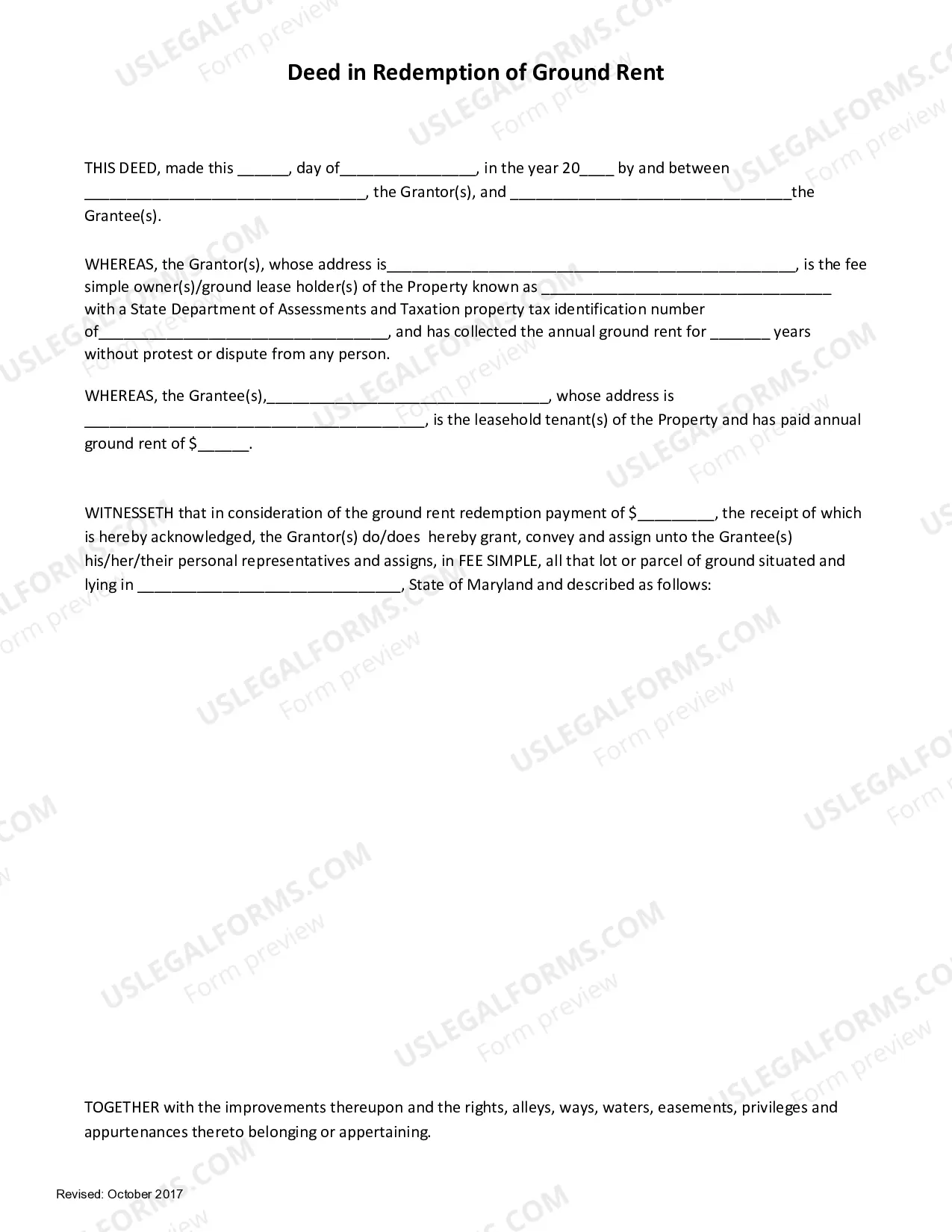
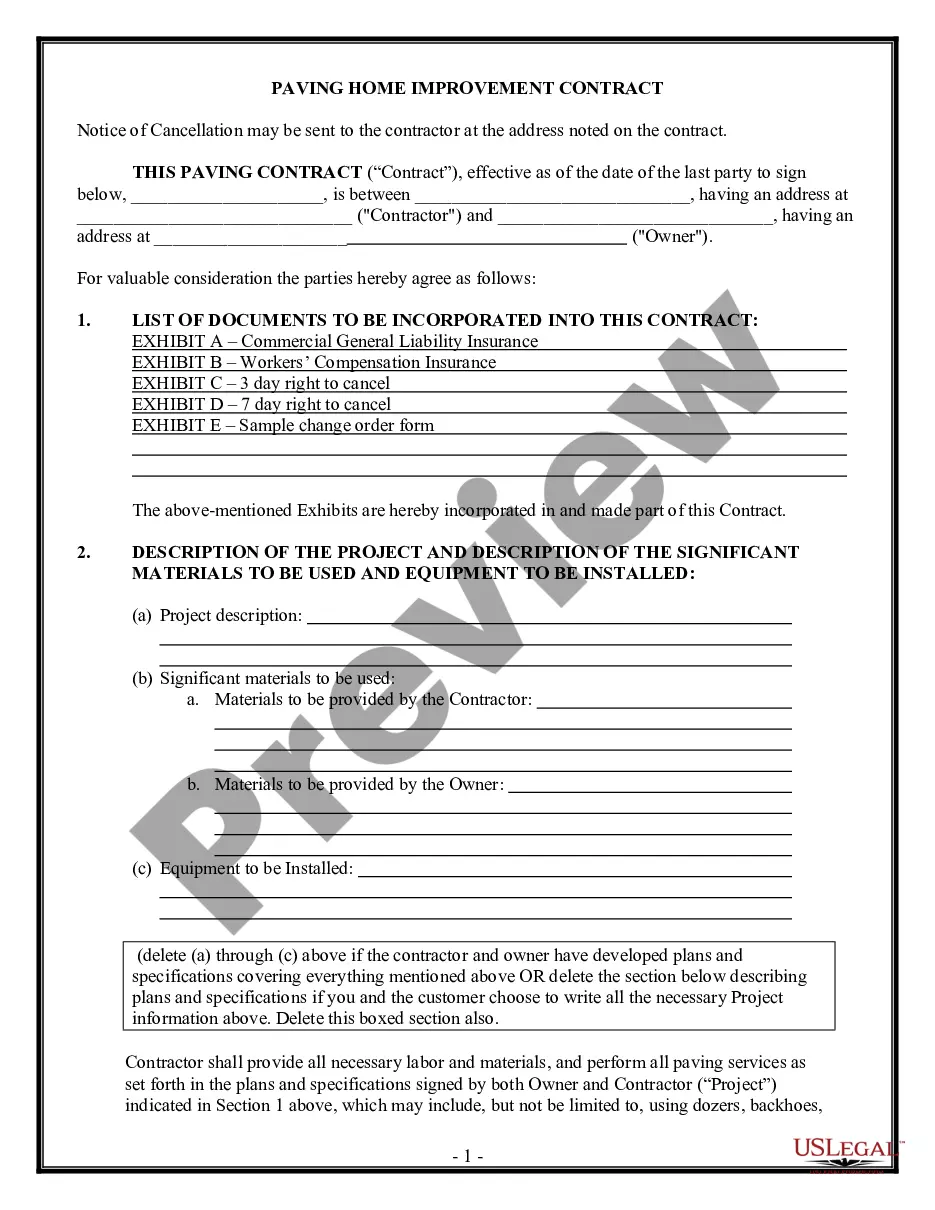

Form popularity
FAQ
Yes, you can create a trust without your spouse. This is often done to maintain control over assets or protect inheritances for children from a prior marriage.
Once assets are placed in an irrevocable trust, you no longer have control over them, and they won't be included in your Medicaid eligibility determination after five years. It's important to plan well in advance, as the 5-year look-back rule still applies.
In this instance, the spouse can change a trust after death, but only the survivor's trust, not the bypass trust. However, certain states have laws — such as California's Uniform Trust Decanting Act — that provide the spouse an avenue for altering the bypass trust.
In real estate law, "assignment" is simply the transfer of a deed of trust from one party to another.
The surviving spouse's trust is called the “survivor's trust”, while the deceased spouse's trust is called the “bypass trust”. The surviving spouse can make changes to their trust, but not to the bypass trust. However, starting in 2019, California has allowed surviving spouses to decant allocated A/B trusts.
California Probate Code Section 16012 It provides that, if a trust has more than one trustee, each trustee has the duty to: (1) participate in the administration of the trust; and (2) take reasonable steps to prevent a co-trustee that from committing a breach of trust.
And if someone wants to put you on their deed, they must tell you — not surprise you. Otherwise, you could lose the property over a court challenge that you never acknowledged receipt of the deed during the transferor's life.
Yes, you can sell a home with a Deed of Trust. However, just like a mortgage, if you're selling the home for less than you owe on it, you'll need approval from the lender.
