Deed Of Trust Modification Form For Mortgage In Chicago
Description








Get your form ready online
Our built-in tools help you complete, sign, share, and store your documents in one place.
Make edits, fill in missing information, and update formatting in US Legal Forms—just like you would in MS Word.
Download a copy, print it, send it by email, or mail it via USPS—whatever works best for your next step.
Sign and collect signatures with our SignNow integration. Send to multiple recipients, set reminders, and more. Go Premium to unlock E-Sign.
If this form requires notarization, complete it online through a secure video call—no need to meet a notary in person or wait for an appointment.
We protect your documents and personal data by following strict security and privacy standards.

Make edits, fill in missing information, and update formatting in US Legal Forms—just like you would in MS Word.

Download a copy, print it, send it by email, or mail it via USPS—whatever works best for your next step.

Sign and collect signatures with our SignNow integration. Send to multiple recipients, set reminders, and more. Go Premium to unlock E-Sign.

If this form requires notarization, complete it online through a secure video call—no need to meet a notary in person or wait for an appointment.

We protect your documents and personal data by following strict security and privacy standards.
Looking for another form?
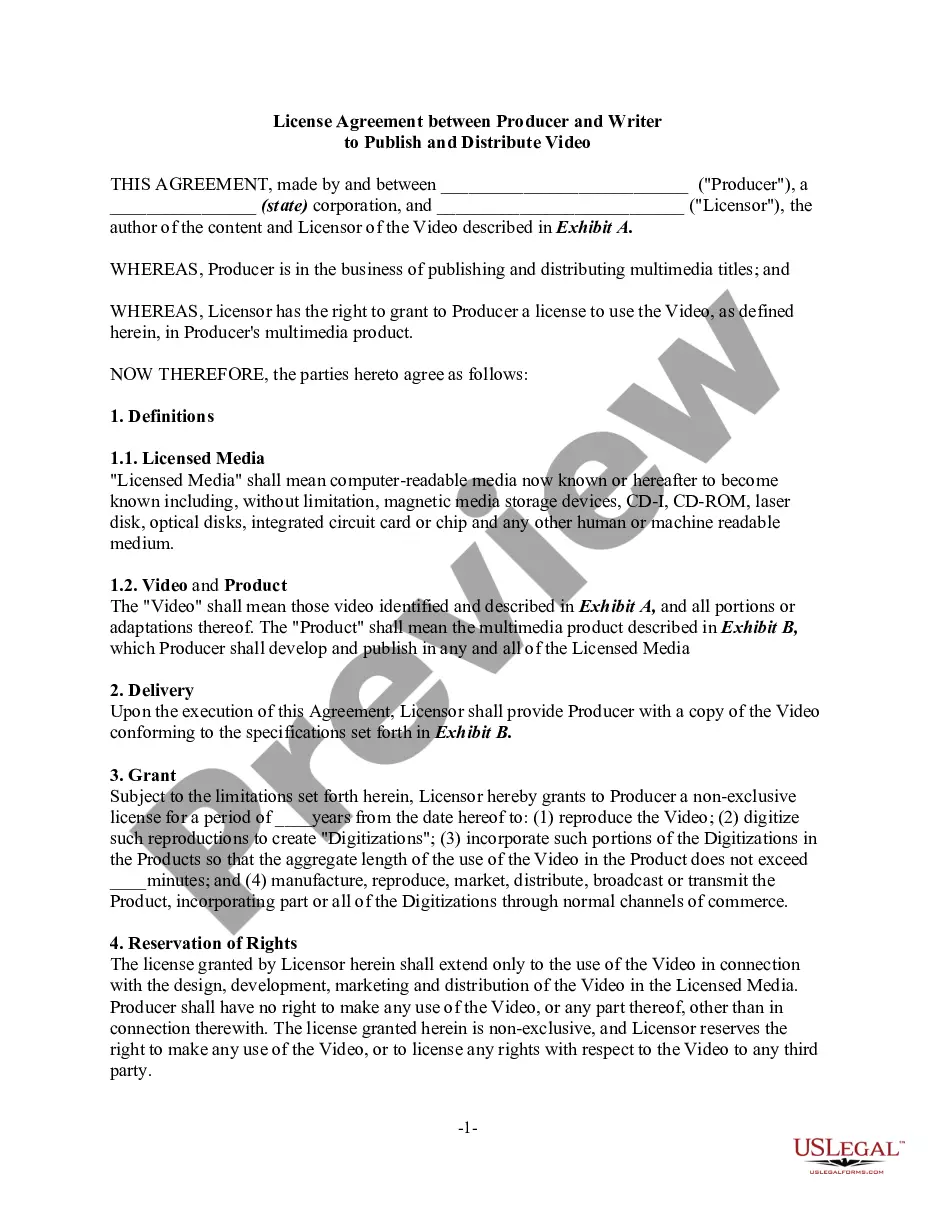







Form popularity
FAQ
A Deed in Trust is simply one that conveys the property into a certain trust. A Trustee's Deed is a conveyance from the trustee of a certain trust, to another individual or entity. Both a Deed in Trust and a Trustee's Deed can be either a Quit Claim Deed, or a Warranty Deed.
Illinois allows the use of both a deed of trust and a mortgage. Illinois is a lien-theory state. Mortgages are considered to be liens against the property and the vast majority of the liens in Illinois are mortgages.
The two main differences between a mortgage and a deed of trust are: a mortgage involves two parties, while a deed of trust has three, and. mortgages are usually foreclosed judicially, while deeds of trust typically go through a nonjudicial foreclosure process (but not always).
Illinois allows the use of both a deed of trust and a mortgage. Illinois is a lien-theory state. Mortgages are considered to be liens against the property and the vast majority of the liens in Illinois are mortgages.
The most common deed form in Illinois is the warranty deed. Warranty deeds provide a form of protection to the buyer as a warranty by the seller that guarantees no issues with the title. All other deed forms, such as limited warranty deeds and quitclaim deeds, are available and insurable in Illinois.
Illinois is a Mortgage state and Deed of Trust state.
Deeds of trust are the most common instrument used in the financing of real estate purchases in Alaska, Arizona, California, Colorado, the District of Columbia, Idaho, Maryland, Mississippi, Missouri, Montana, Nebraska, Nevada, North Carolina, Oregon, Tennessee, Texas, Utah, Virginia, Washington, and West Virginia, ...
