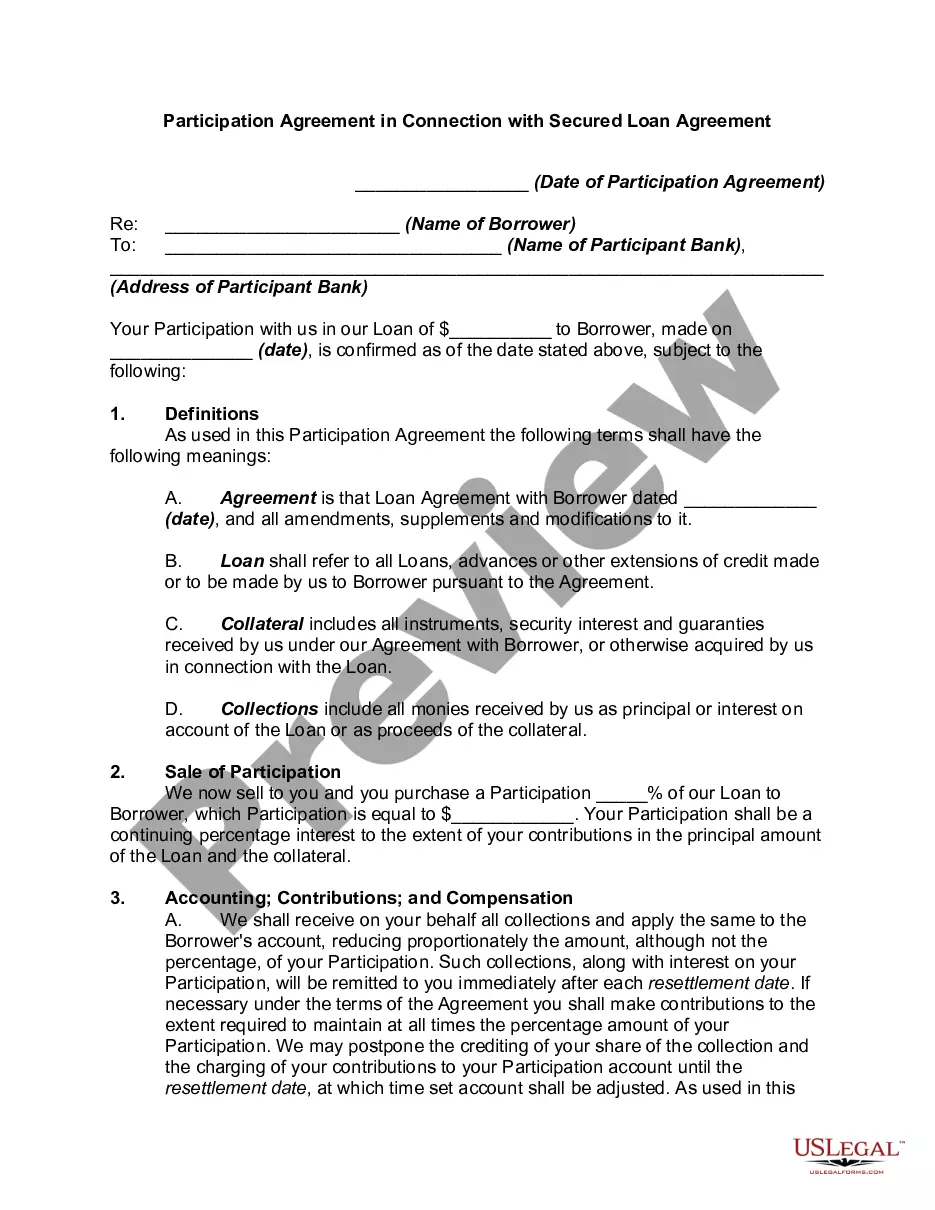
Modification Deed Trust Form With Two Points In Broward
Description








Get your form ready online
Our built-in tools help you complete, sign, share, and store your documents in one place.
Make edits, fill in missing information, and update formatting in US Legal Forms—just like you would in MS Word.
Download a copy, print it, send it by email, or mail it via USPS—whatever works best for your next step.
Sign and collect signatures with our SignNow integration. Send to multiple recipients, set reminders, and more. Go Premium to unlock E-Sign.
If this form requires notarization, complete it online through a secure video call—no need to meet a notary in person or wait for an appointment.
We protect your documents and personal data by following strict security and privacy standards.

Make edits, fill in missing information, and update formatting in US Legal Forms—just like you would in MS Word.

Download a copy, print it, send it by email, or mail it via USPS—whatever works best for your next step.

Sign and collect signatures with our SignNow integration. Send to multiple recipients, set reminders, and more. Go Premium to unlock E-Sign.

If this form requires notarization, complete it online through a secure video call—no need to meet a notary in person or wait for an appointment.

We protect your documents and personal data by following strict security and privacy standards.
Looking for another form?






Form popularity
FAQ
A deed of variation is a legal document that is used to change the details of an existing trust. In most circumstances, in order to properly execute a Deed of Variation, it is important that the Appointor (sometimes referred to as a Principal or Guardian) along with Trustee consents to the proposed change.
IMPORTANT: Deeds related to Broward County properties must be recorded with the Broward County Records Division in downtown Fort Lauderdale. Click here to visit their website.
What is a discretionary trust by deed of variation? A deed of variation is a legal document that 'redirects' a beneficiary's interest in an estate. It is then possible to set up a discretionary trust to receive the interest, providing further flexibility.
Amendment to Deed of Trust means that certain Amendment to the Deed of Trust and Security Agreement and Amendment to Assignment of Leases and Rents, dated as of the Amendment Date, executed by Borrower and Lender.
Deed of Trust Modification means, with respect to any Deed of Trust, a modification agreement entered into between the Borrower or the Project Owner, as applicable, and the Lender, modifying the terms and conditions of the Deed of Trust in order to (i) add to the lien of the Deed of Trust Additional Lots, or (ii) make ...
In Florida, placing your property into a revocable trust ensures that the property is not reassessed for tax purposes, provided the transfer is executed correctly. This means that your property taxes should not increase solely because you've transferred your home into a trust for your child or any other beneficiary.
Yes you can complete and record your own deed. It must b properly signed, witnessed, and notarized.
Deed of Trust Modification means, with respect to any Deed of Trust, a modification agreement entered into between the Borrower or the Project Owner, as applicable, and the Lender, modifying the terms and conditions of the Deed of Trust in order to (i) add to the lien of the Deed of Trust Additional Lots, or (ii) make ...
In Florida, you can execute a corrective deed to address mistakes made on the property's original title. This could include description errors or even misspelled owner names. Essentially, it adds the correct information to the deed's record so it is valid once again and can be sold or transferred as the owner sees fit.
A deed of trust will include the same type of information stated in a mortgage document, such as: The identities of the borrower, lender, and trustee. A full description of the property to be placed in trust. Any restrictions or requirements on the use of the property while it is in trust.