Secured Debt Any For Loan In Washington
Description

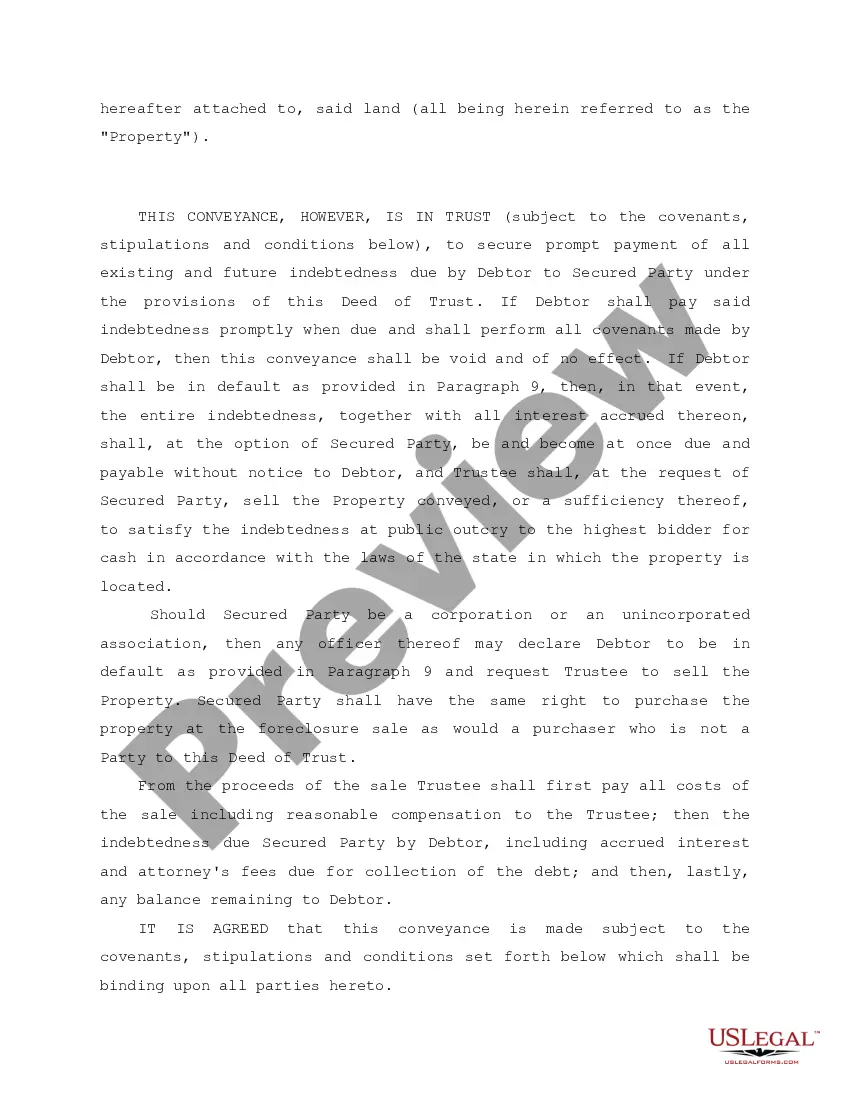
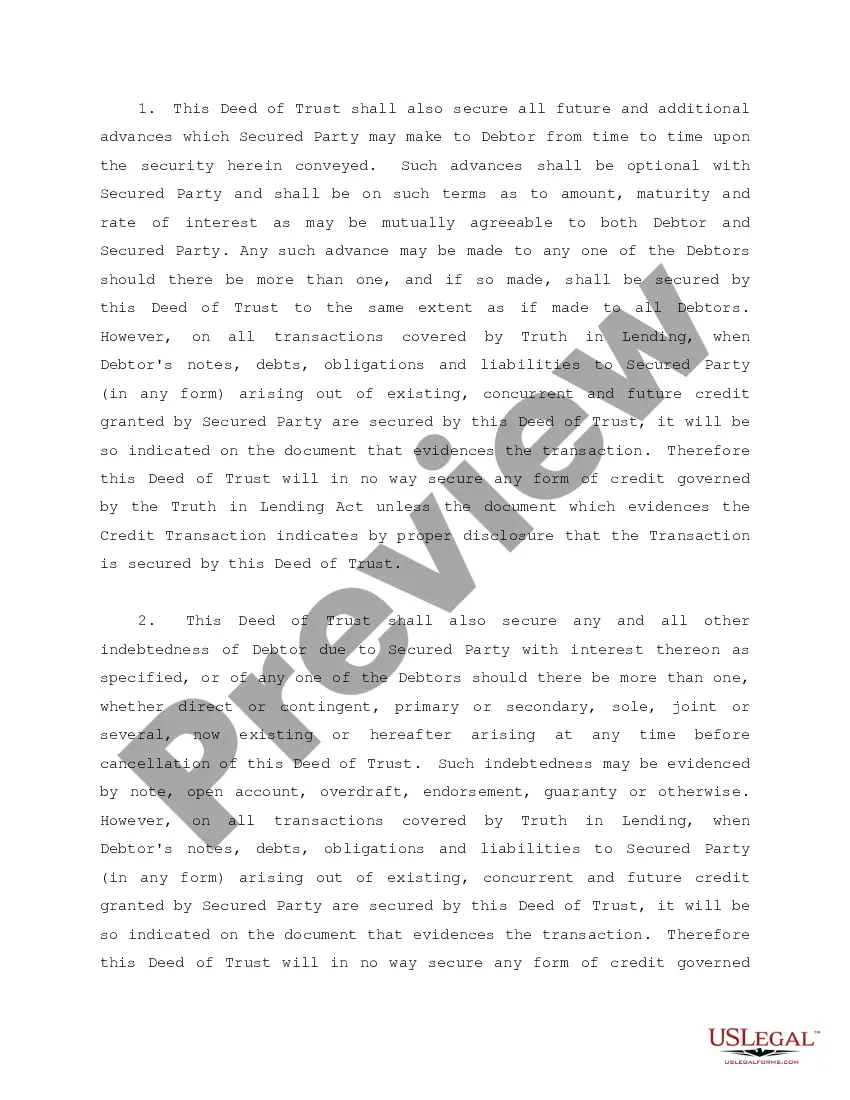
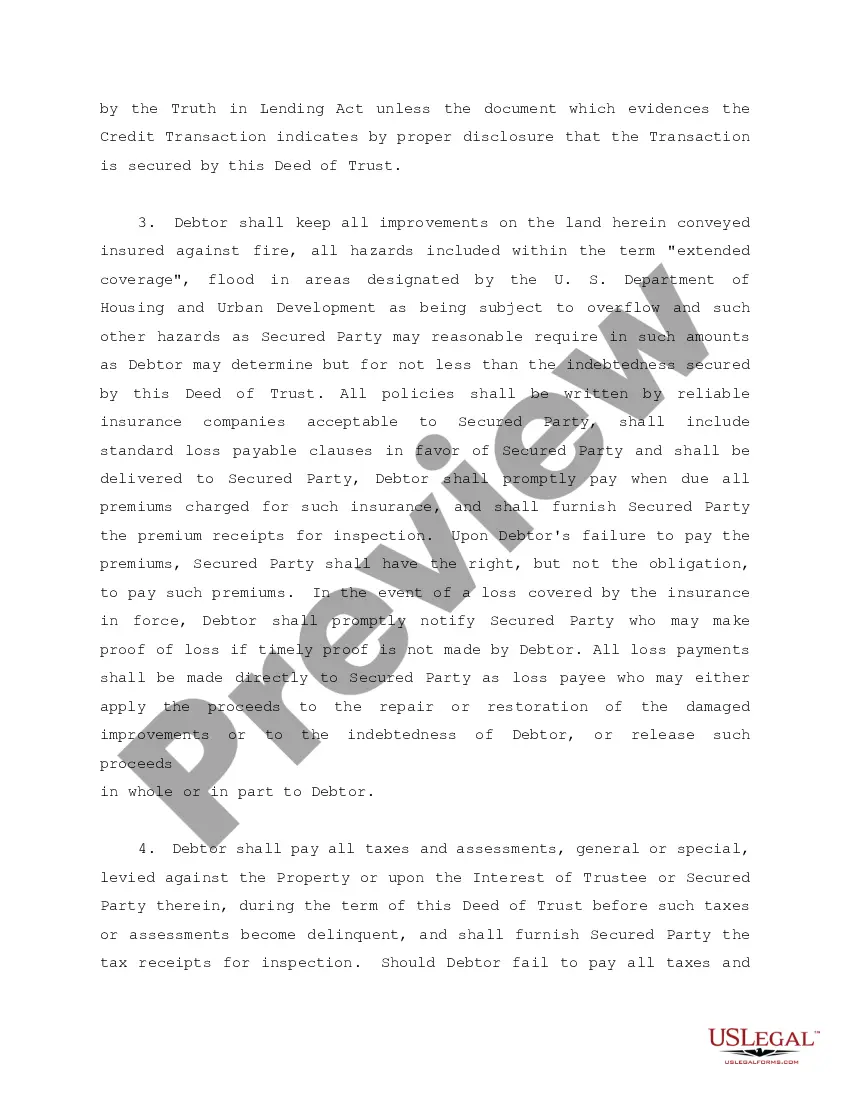
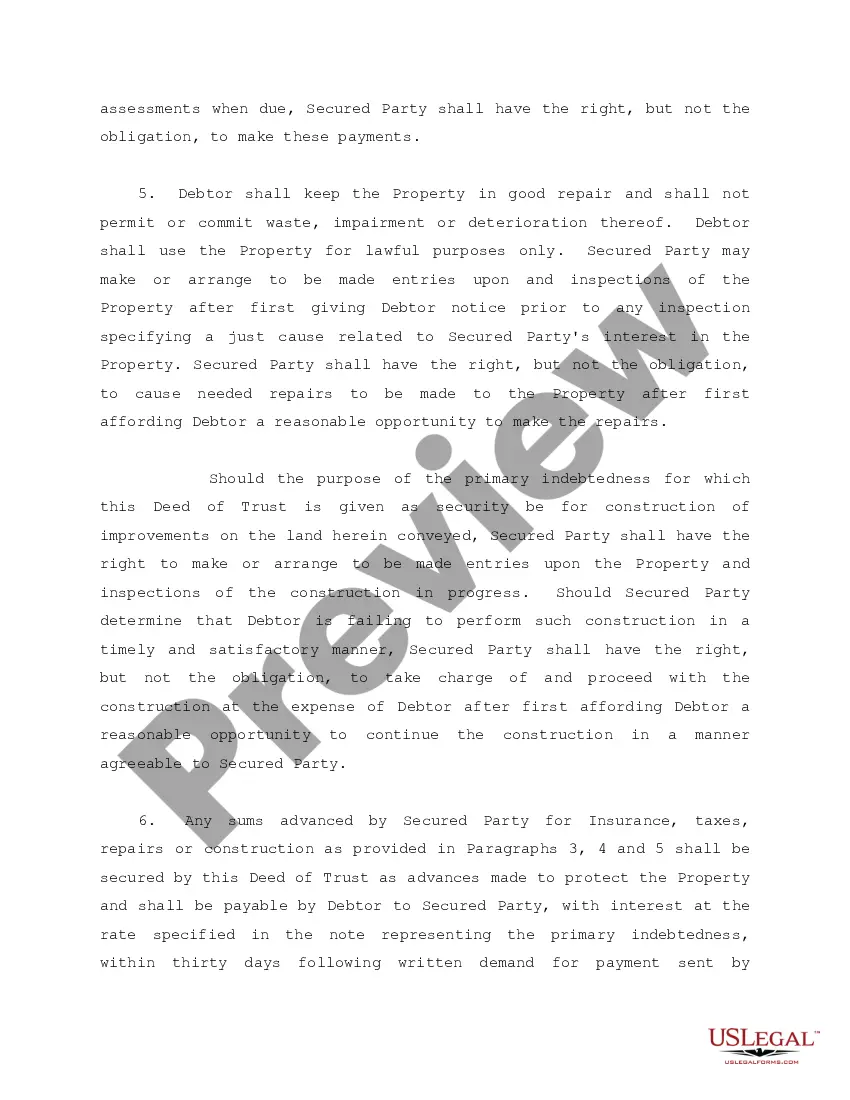

Get your form ready online
Our built-in tools help you complete, sign, share, and store your documents in one place.
Make edits, fill in missing information, and update formatting in US Legal Forms—just like you would in MS Word.
Download a copy, print it, send it by email, or mail it via USPS—whatever works best for your next step.
Sign and collect signatures with our SignNow integration. Send to multiple recipients, set reminders, and more. Go Premium to unlock E-Sign.
If this form requires notarization, complete it online through a secure video call—no need to meet a notary in person or wait for an appointment.
We protect your documents and personal data by following strict security and privacy standards.

Make edits, fill in missing information, and update formatting in US Legal Forms—just like you would in MS Word.

Download a copy, print it, send it by email, or mail it via USPS—whatever works best for your next step.

Sign and collect signatures with our SignNow integration. Send to multiple recipients, set reminders, and more. Go Premium to unlock E-Sign.

If this form requires notarization, complete it online through a secure video call—no need to meet a notary in person or wait for an appointment.

We protect your documents and personal data by following strict security and privacy standards.
Looking for another form?









Form popularity
FAQ
The Washington Collection Agency Act and federal Fair Debt Collection Practices Act prohibit harassment, false or misleading statements and unfair practices by collection agencies. If you believe a collection agency has unreasonably harassed or misled you, you can sue it. You could win damages and lawyer fees.
Statute of Limitations in Washington In Washington, the statute of limitations on debt collection lawsuits is six years after the date of default or last payment on the debt account. When six years have passed, debt collectors can still attempt to collect these debts, but they cannot file a collection lawsuit.
When a Collection Agency Contacts You A collection agency cannot call or write to you more than three times a week. A collection agency cannot harass, intimidate, threaten, or embarrass you; A collection agency cannot threaten violence, criminal prosecution, or use offensive language; and.
The constitutional limit on debt service for Fiscal Year 2025 is 8.25% of the arithmetic mean of general state revenues for Fiscal Years 2019-2024, which is equal to $2,280,001,553, as shown in Table 1 below.
(c) If notice was not provided under this chapter or chapter 11.42 RCW, the creditor must present the claim within twenty-four months after the decedent's date of death.
The time limit is sometimes called the limitation period. For most debts, the time limit is 6 years since you last wrote to them or made a payment.
Assess your debt situation Start by listing all your debts, including credit cards, mortgages, and personal loans. Note the interest rates, minimum payments, and remaining balances. Understanding the full scope of your debt is the first step toward getting it under control.
