Blank Deed Of Trust Form In Wake
Description

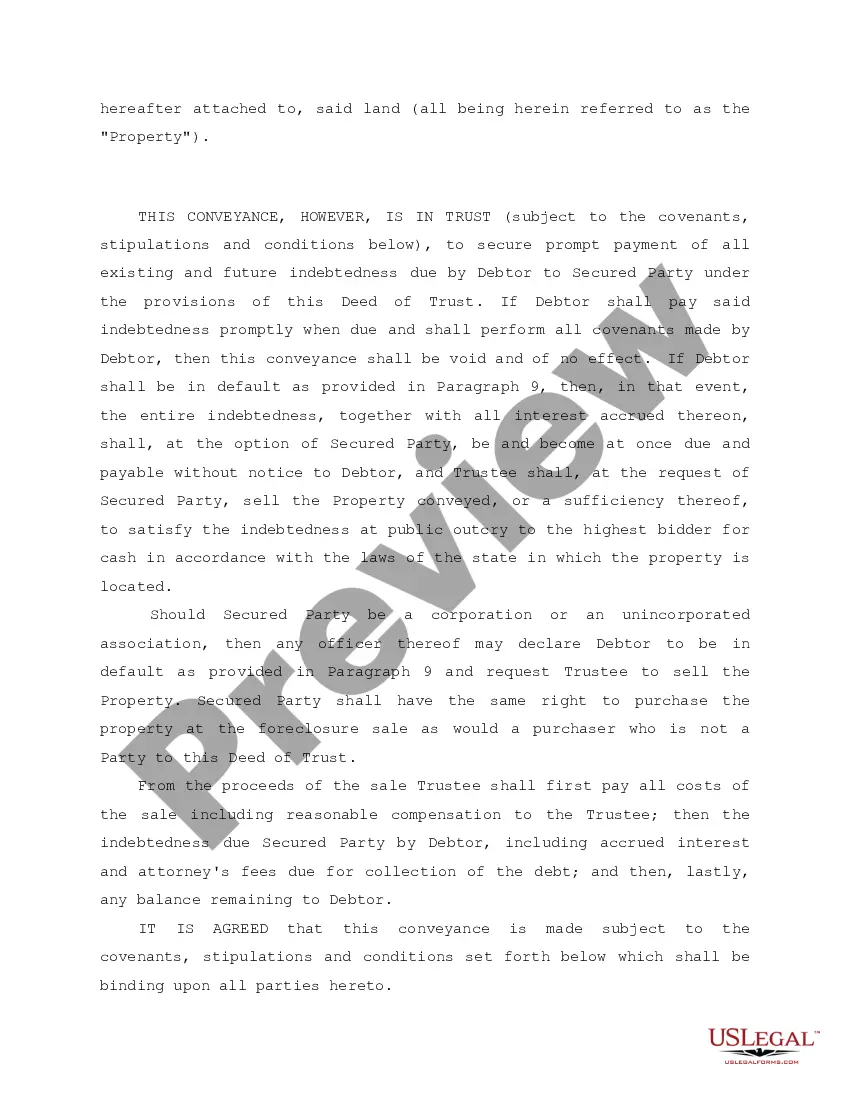
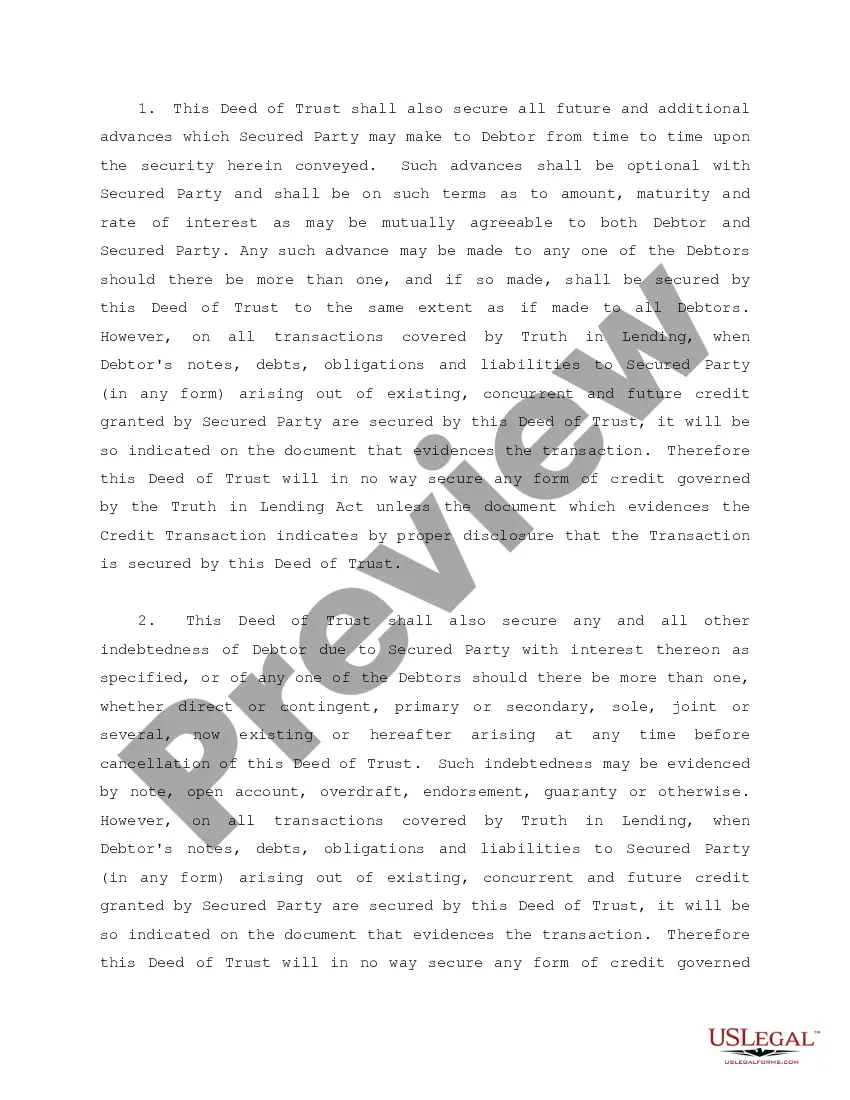
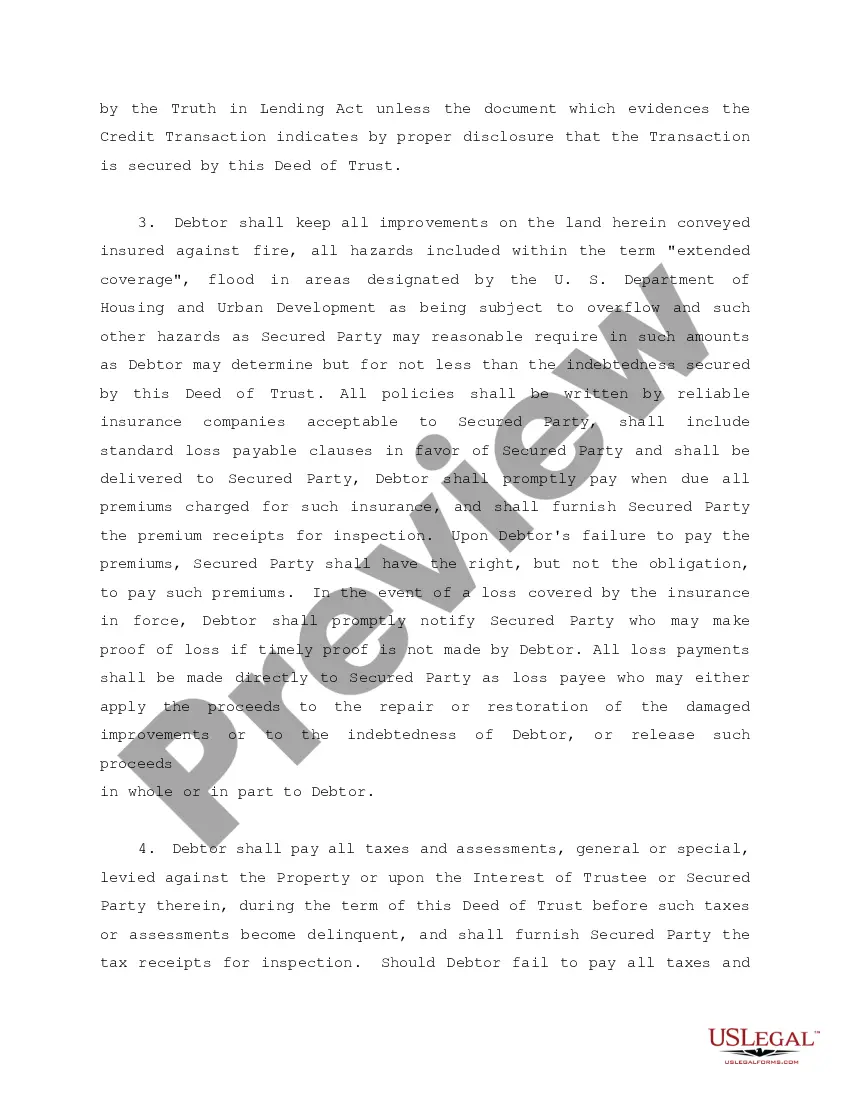
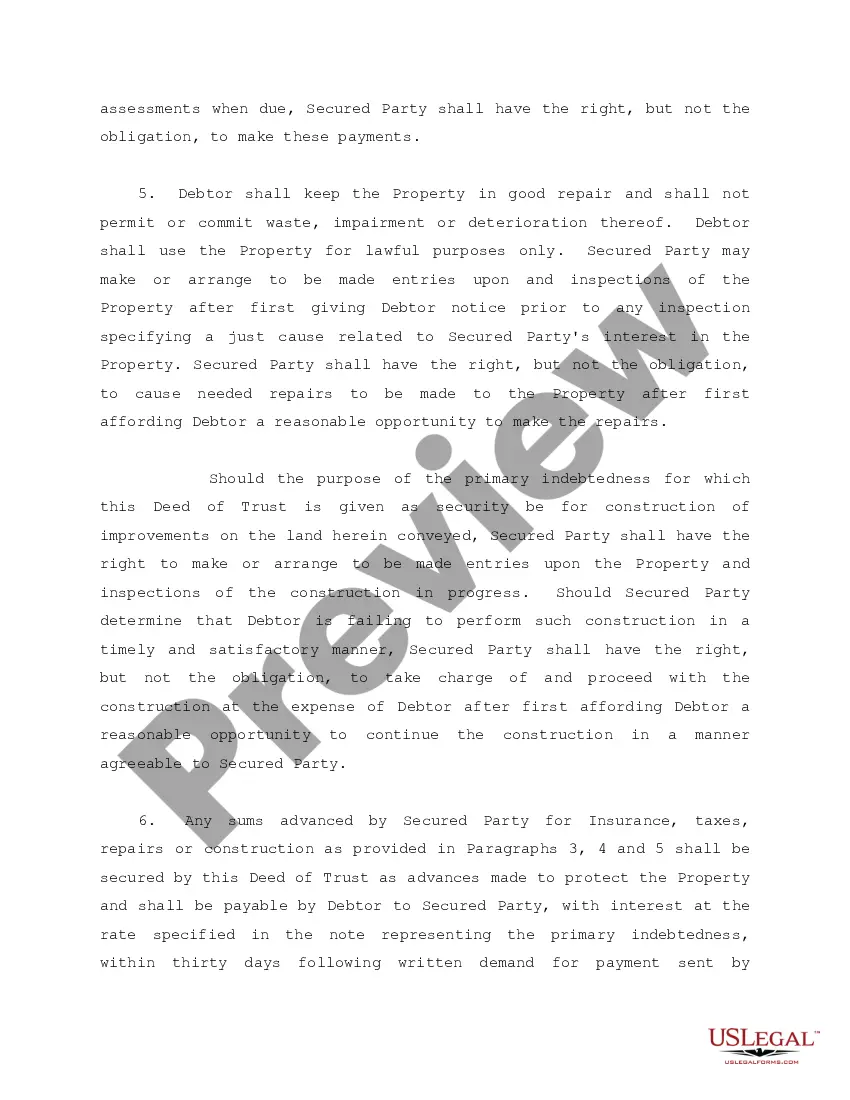
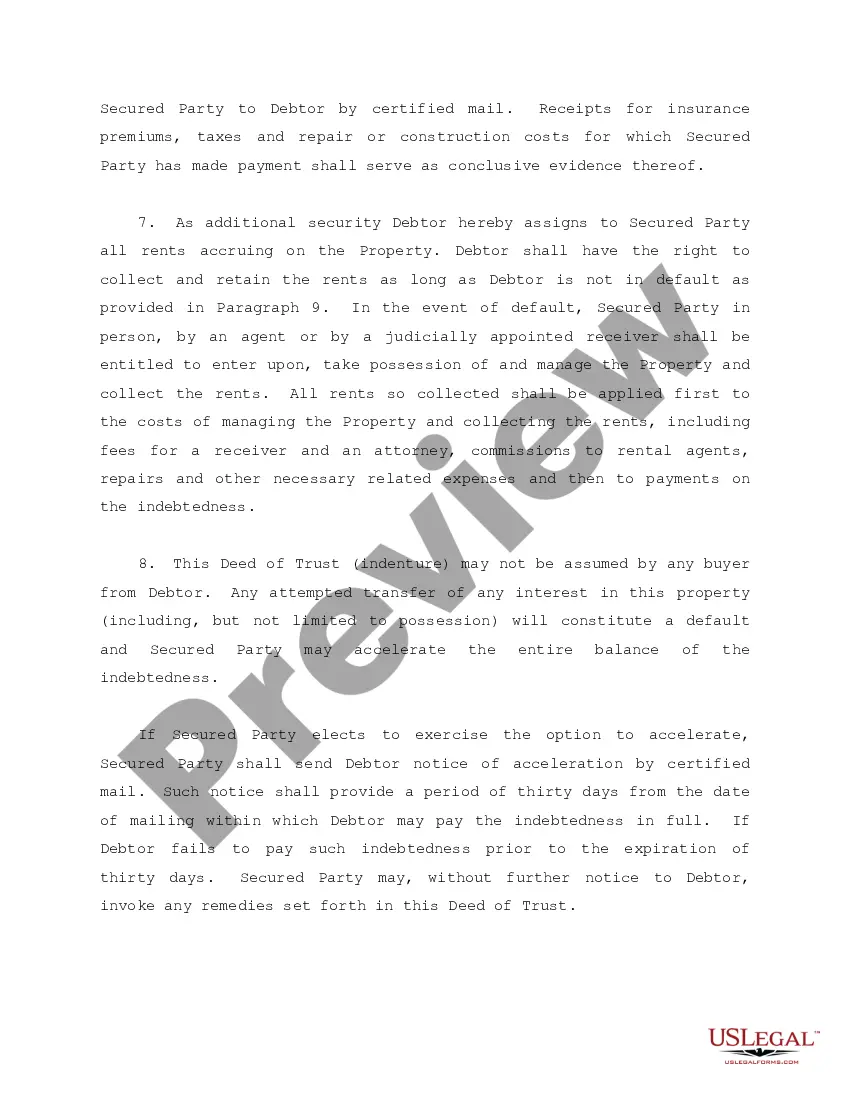
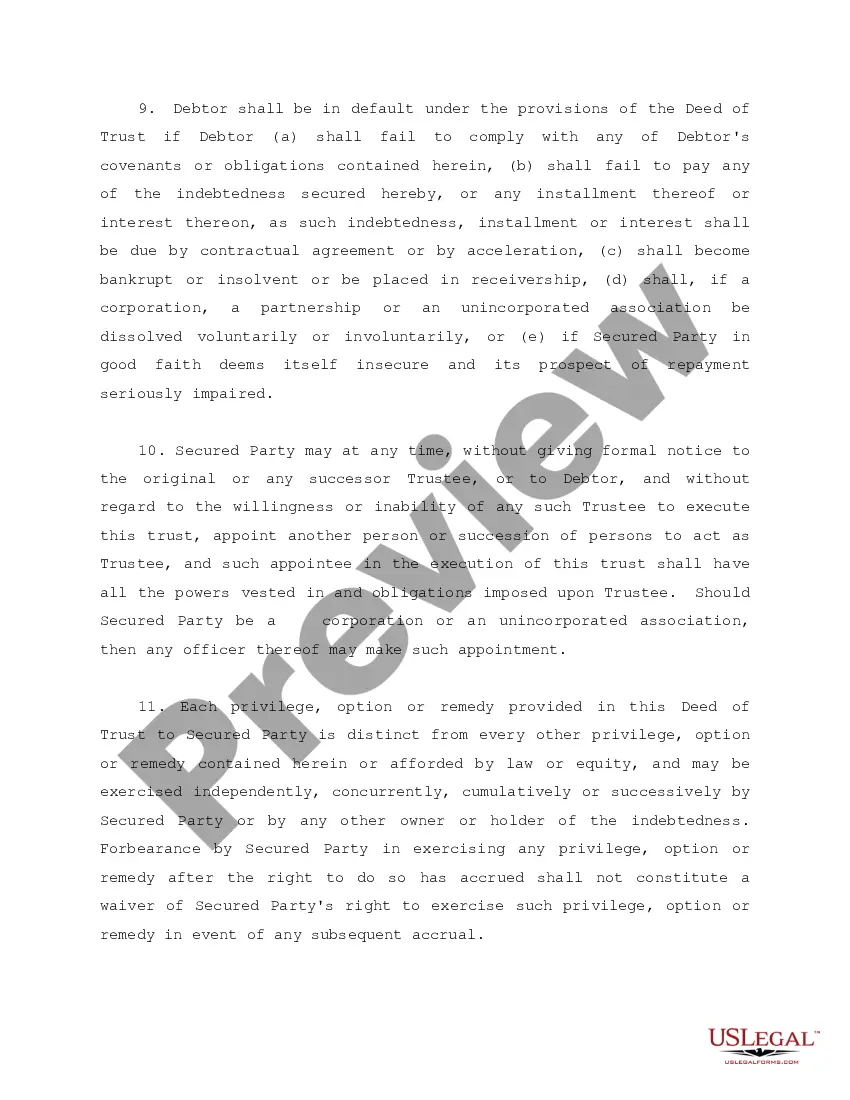
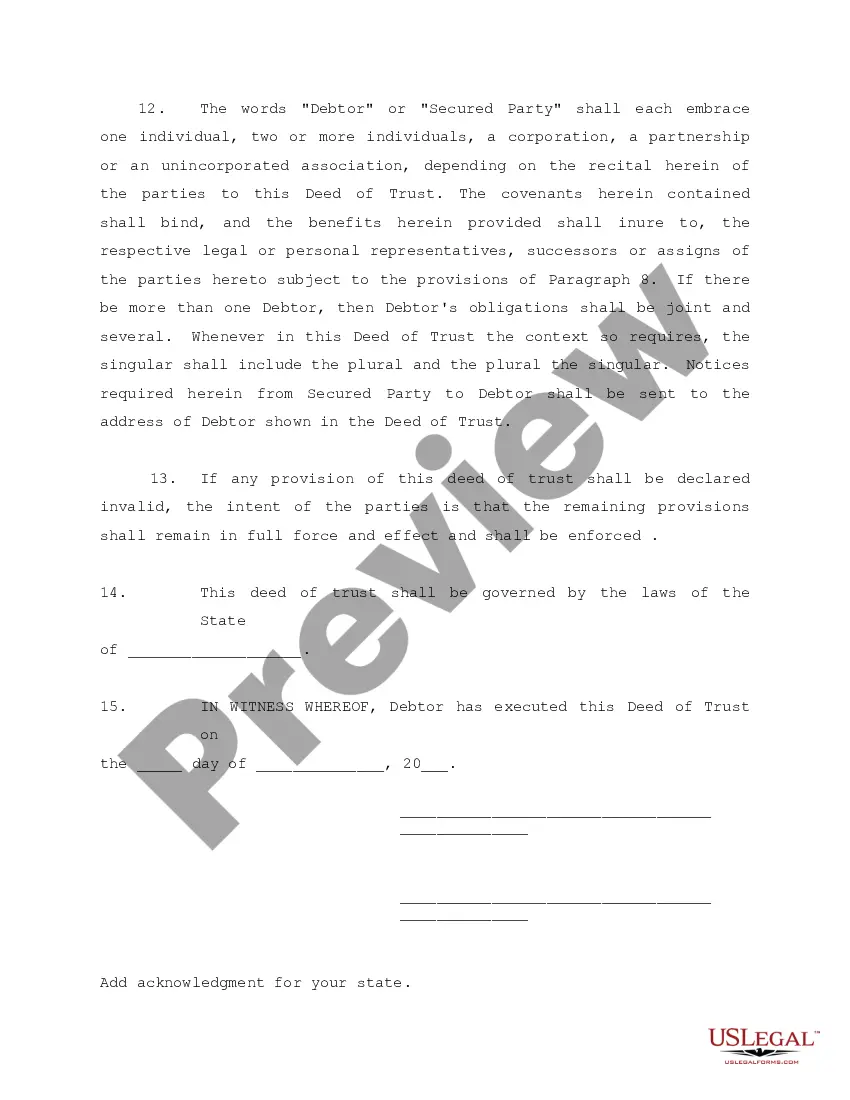


Get your form ready online
Our built-in tools help you complete, sign, share, and store your documents in one place.
Make edits, fill in missing information, and update formatting in US Legal Forms—just like you would in MS Word.
Download a copy, print it, send it by email, or mail it via USPS—whatever works best for your next step.
Sign and collect signatures with our SignNow integration. Send to multiple recipients, set reminders, and more. Go Premium to unlock E-Sign.
If this form requires notarization, complete it online through a secure video call—no need to meet a notary in person or wait for an appointment.
We protect your documents and personal data by following strict security and privacy standards.

Make edits, fill in missing information, and update formatting in US Legal Forms—just like you would in MS Word.

Download a copy, print it, send it by email, or mail it via USPS—whatever works best for your next step.

Sign and collect signatures with our SignNow integration. Send to multiple recipients, set reminders, and more. Go Premium to unlock E-Sign.

If this form requires notarization, complete it online through a secure video call—no need to meet a notary in person or wait for an appointment.

We protect your documents and personal data by following strict security and privacy standards.
Looking for another form?





Form popularity
FAQ
The Long Form, which could be 20-30 pages long, is the one used by institutional lenders.
Recording and Document Fees Document TypeFee Details Deeds of Trust and Mortgages $64 first 35 pages $4 each additional page Amendment to Deed of Trust $26 first 15 pages $4 each additional page All other Documents / Instruments / Assumed Name (DBA) $26 first 15 pages $4 each additional page3 more rows
You can seek assistance from an estate planning attorney or use online services like to guide you. After preparing the trust documents, have them executed in the presence of a notary public to render the whole trust agreement legally binding.
This Deed of Trust (the “Trust Deed”) sets out the terms and conditions upon which: Settlor Name (the “Settlor”), of Settlor Address, settles that property set out in Schedule A (the “Property”) upon Trustee Name (the “Trustee”), being a Company duly registered under the laws of state with registered number ...
This Deed of Trust (the “Trust Deed”) sets out the terms and conditions upon which: Settlor Name (the “Settlor”), of Settlor Address, settles that property set out in Schedule A (the “Property”) upon Trustee Name (the “Trustee”), being a Company duly registered under the laws of state with registered number ...
Can I prepare my own deed and have it recorded? North Carolina law allows you to prepare a Deed of Conveyance for any real property to which you have legal title. However, the conveyance of real property is a legal matter that should be given under and with the advise of legal counsel.
How To Get a Property Deed – Step by Step Step 1: Get a Deed Form. Obtain a property deed form at the recorder office of your local county, a law library, or an office supply store. Step 2: Legally Describe the Property. Step 3: Identify the Parties Involved. Step 4: Date and Signature. Step 5: File the Property Deed.
Once the deed is signed, notarized, and properly drafted, the attorney should record the deed in every registry in which the property sits. If a property is in both Johnston and Wilson Counties for example, the attorney should record two deeds.
You can find quitclaim deed forms online or at your local county recording office. With the right template, you can fill in the necessary information yourself.
There are many types of deeds, each of which grant to the Grantee (or person receiving the property) title to real property. North Carolina is a “race to record state.” This means that the first person or entity to record the deed is the true and lawful owner of the property.