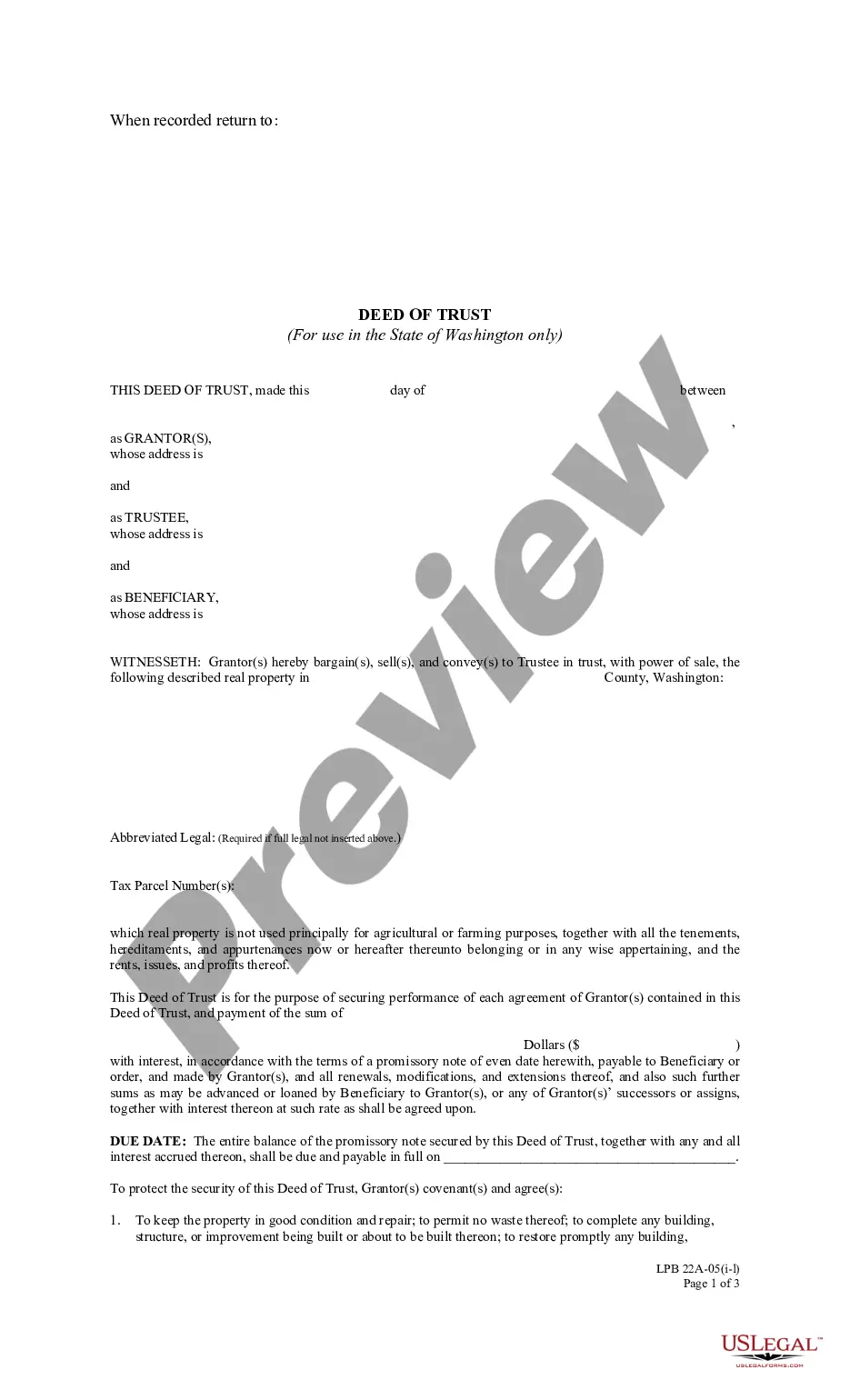
Blank Deed Of Trust Withdrawal In San Diego
Description
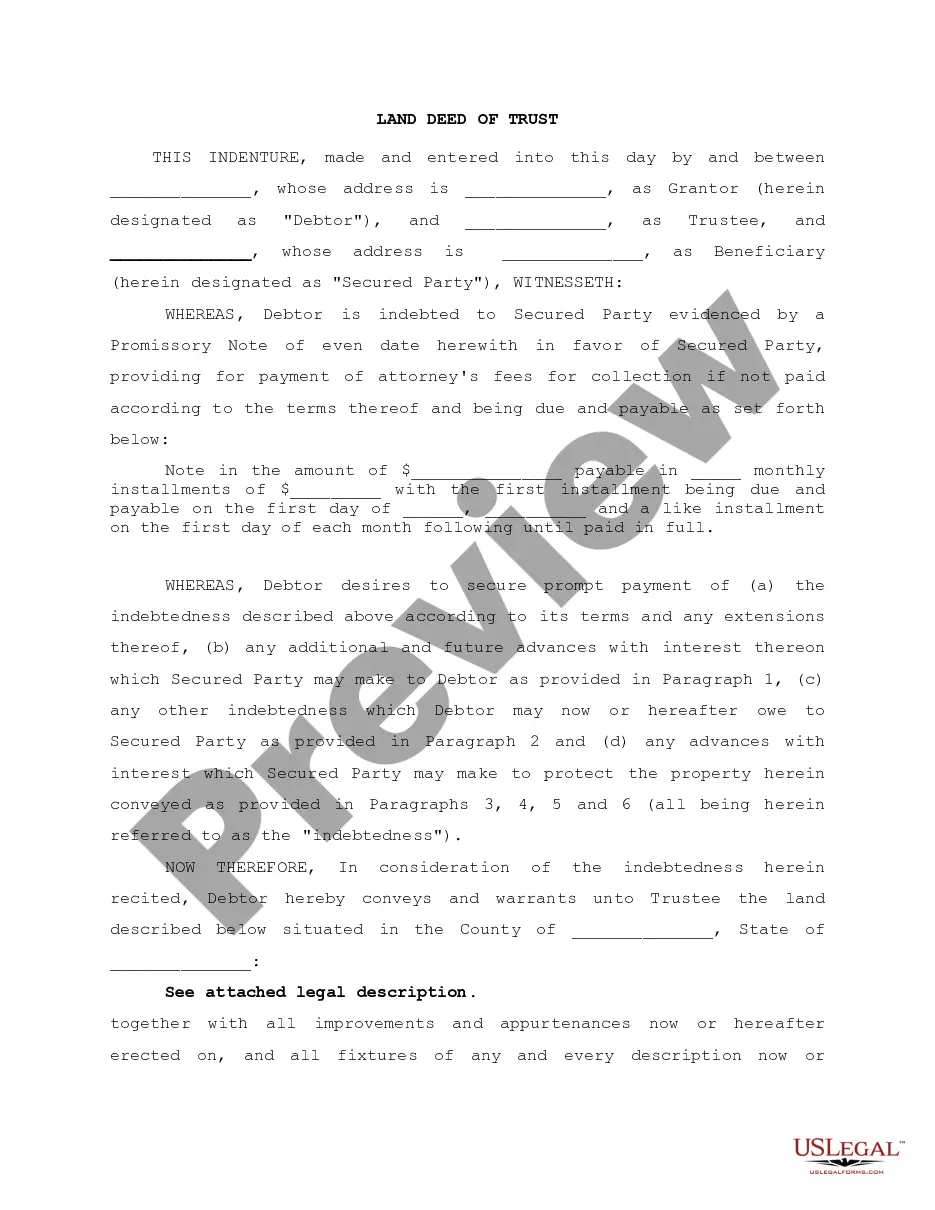
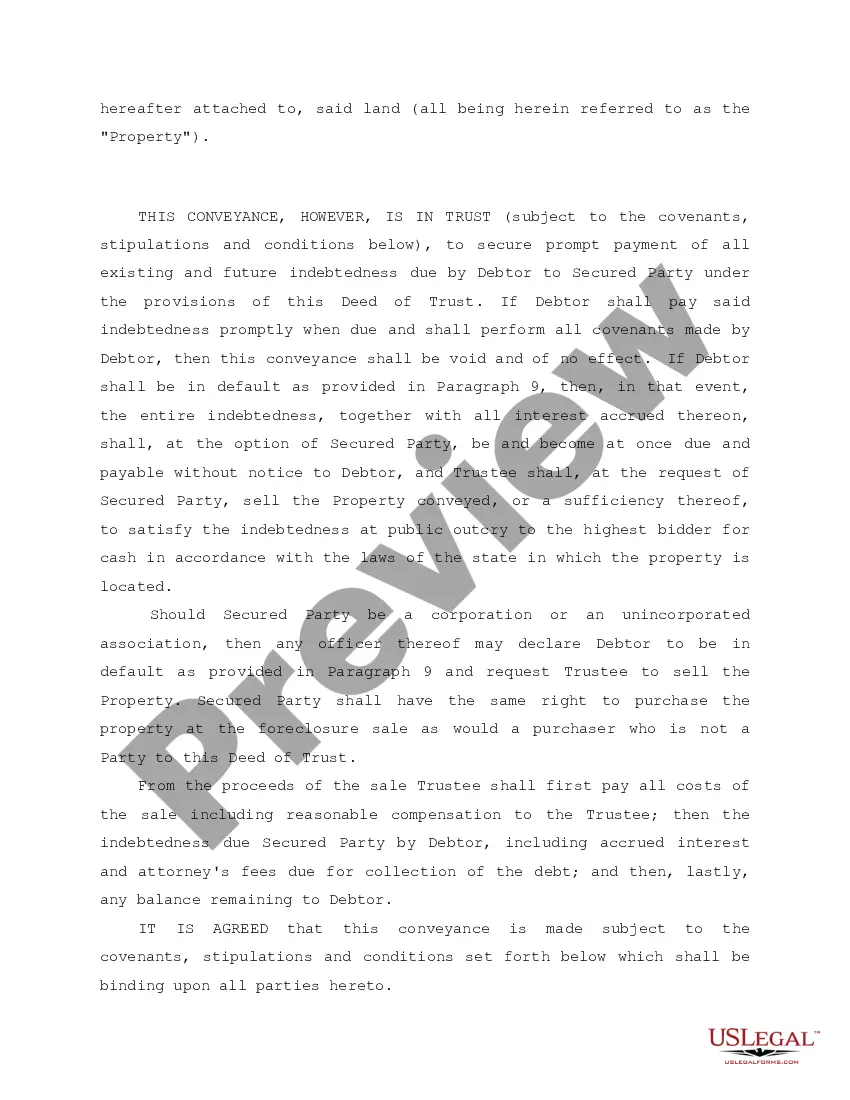
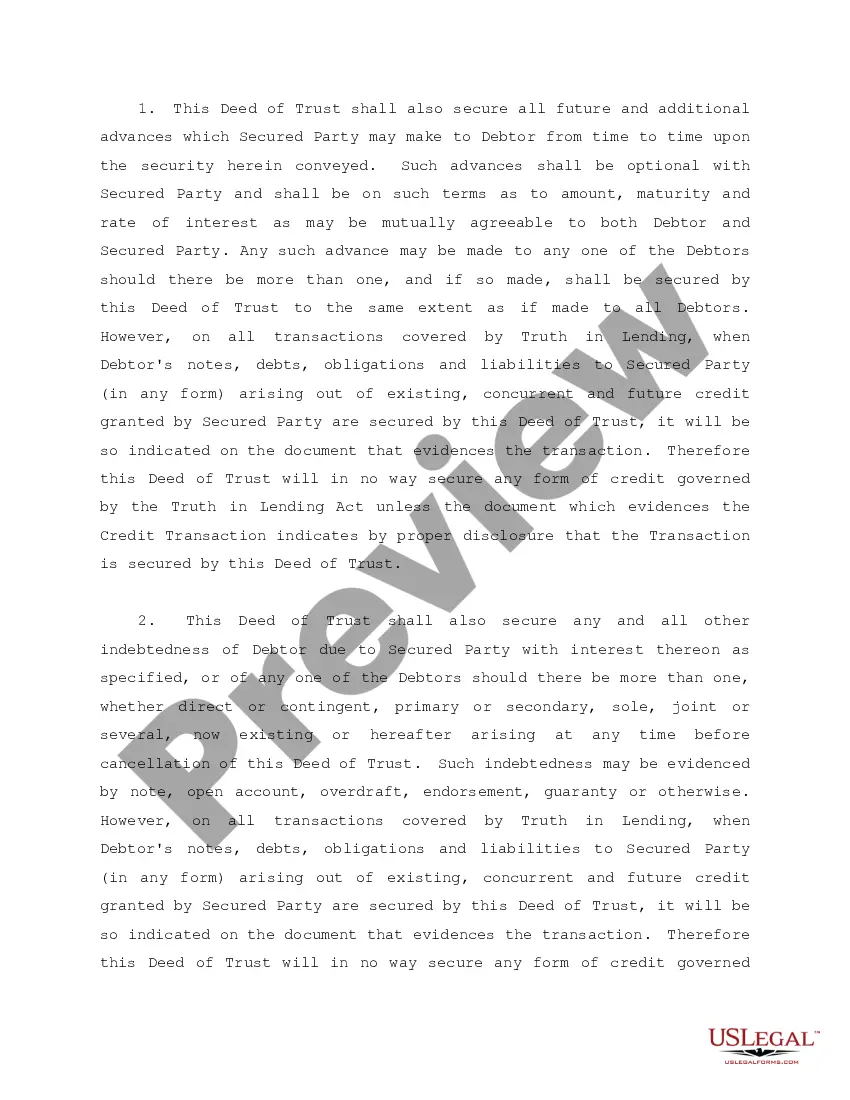
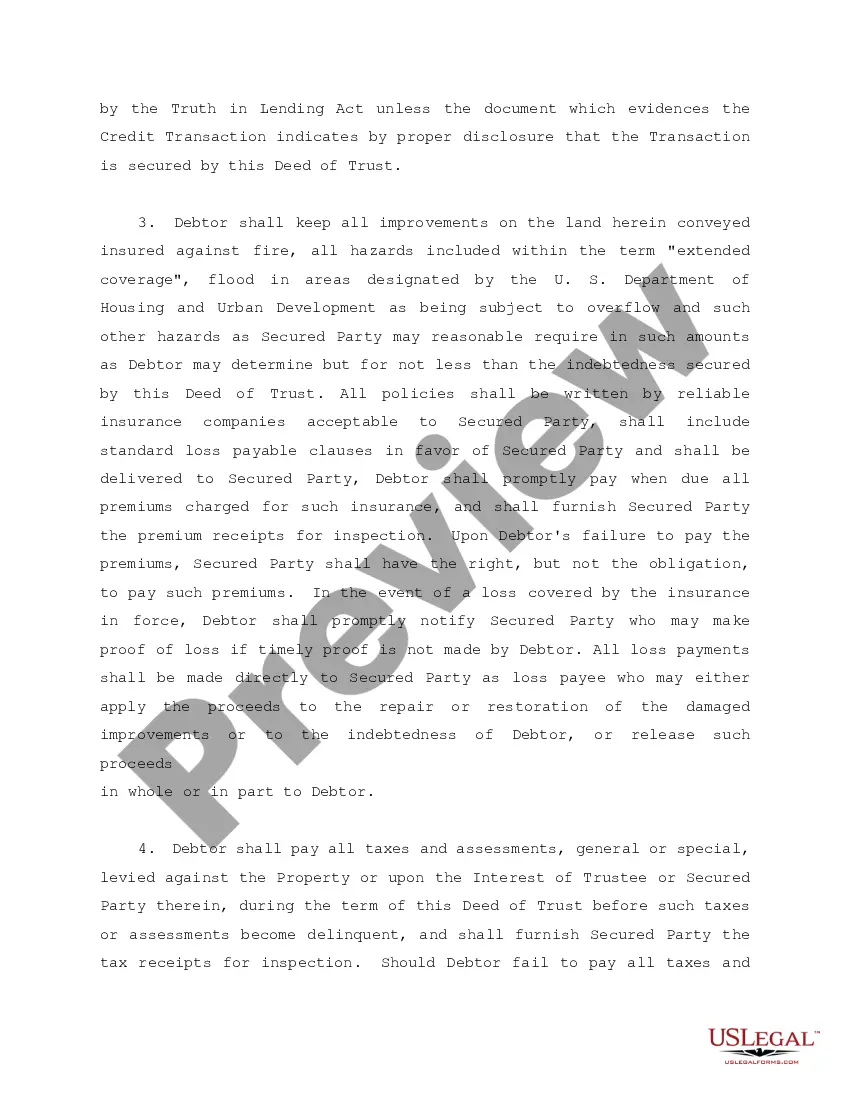
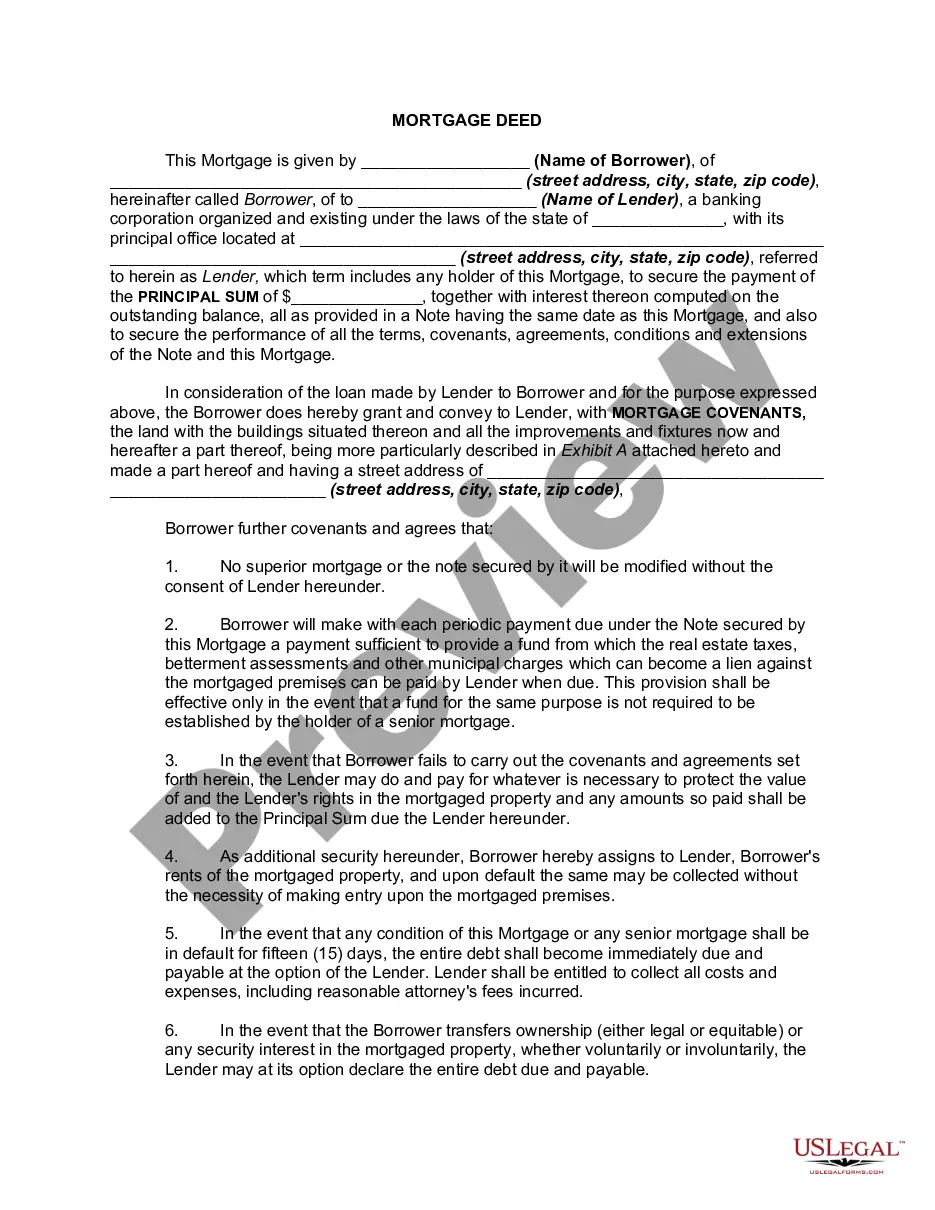
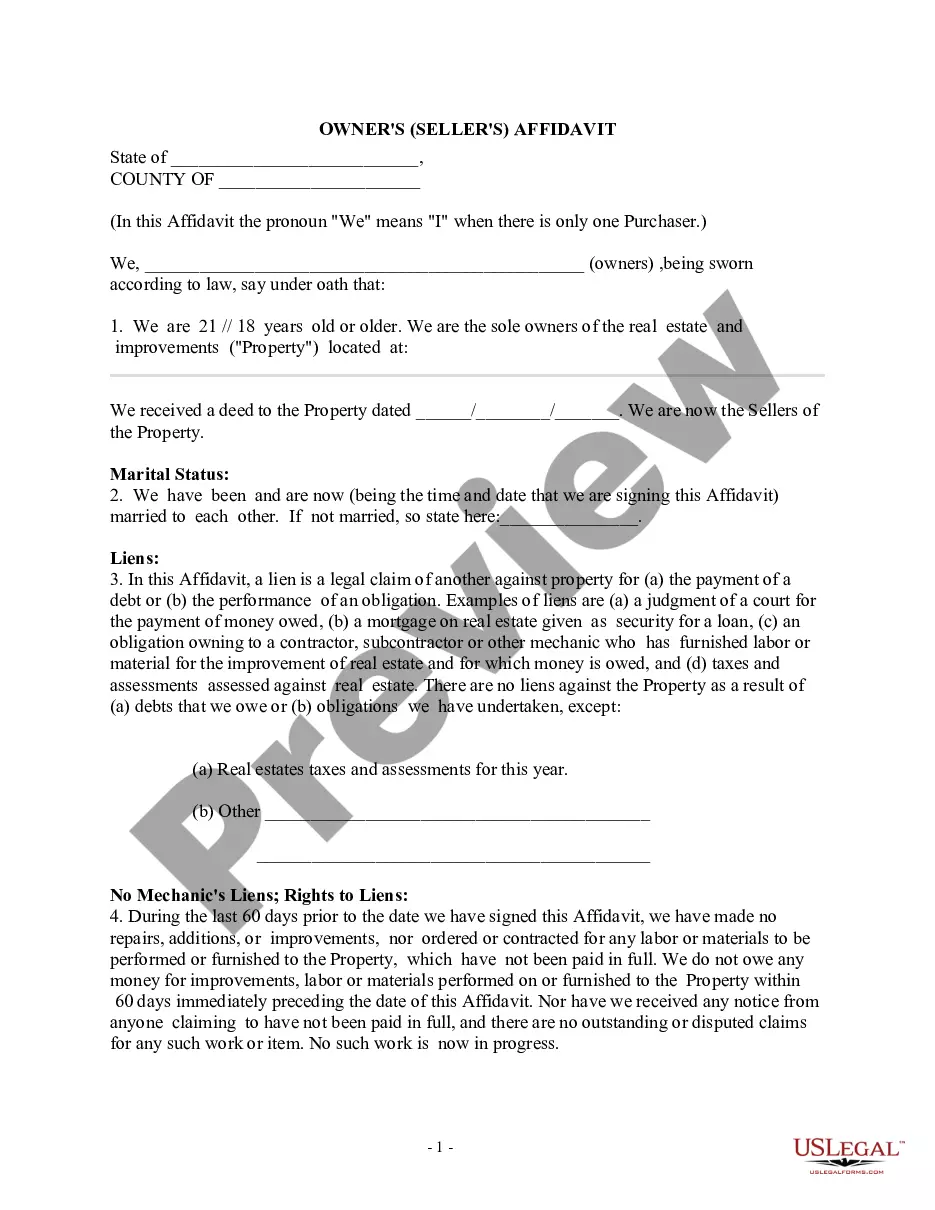
Get your form ready online
Our built-in tools help you complete, sign, share, and store your documents in one place.
Make edits, fill in missing information, and update formatting in US Legal Forms—just like you would in MS Word.
Download a copy, print it, send it by email, or mail it via USPS—whatever works best for your next step.
Sign and collect signatures with our SignNow integration. Send to multiple recipients, set reminders, and more. Go Premium to unlock E-Sign.
If this form requires notarization, complete it online through a secure video call—no need to meet a notary in person or wait for an appointment.
We protect your documents and personal data by following strict security and privacy standards.

Make edits, fill in missing information, and update formatting in US Legal Forms—just like you would in MS Word.

Download a copy, print it, send it by email, or mail it via USPS—whatever works best for your next step.

Sign and collect signatures with our SignNow integration. Send to multiple recipients, set reminders, and more. Go Premium to unlock E-Sign.

If this form requires notarization, complete it online through a secure video call—no need to meet a notary in person or wait for an appointment.

We protect your documents and personal data by following strict security and privacy standards.
Looking for another form?

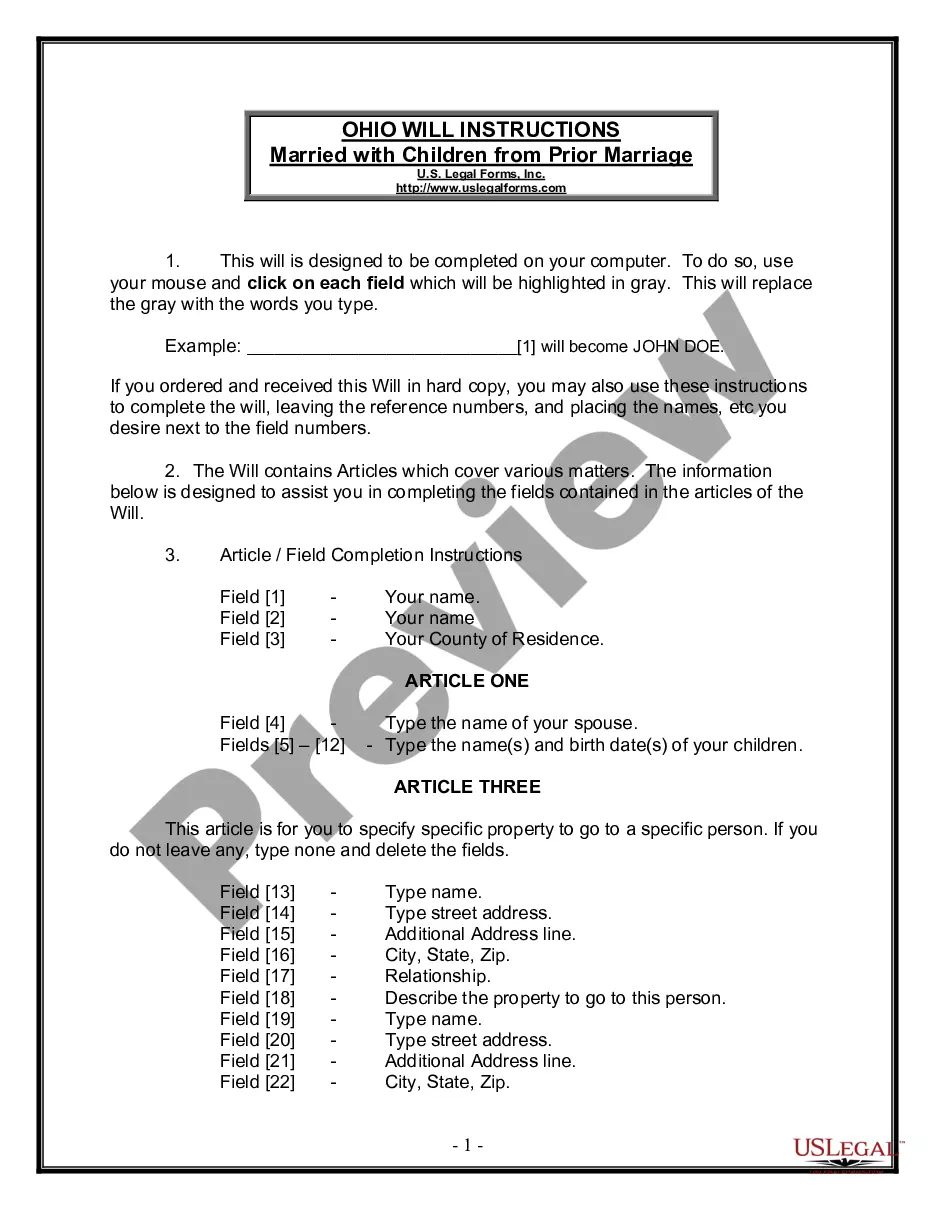
Form popularity
FAQ
In divorce cases, a quitclaim deed is typically prepared by an attorney, a title company, or a real estate professional. Although the deed itself may seem straightforward, it's crucial to have it drafted correctly to avoid potential legal complications down the line.
Step 1: Obtain the Deed. Step 2: Visit the County Recorder or Clerk. Step 3: Identify the Legal Description of the Property. Step 4: Consider Legal Assistance. Step 5: Complete the Quitclaim Form. Step 6: Sign in Front of a Notary. Step 7: File a Preliminary Change of Ownership Report (PCOR) ... Step 8: File the Forms.
If you haven't funded your real property into your Revocable Living Trust, you can do so by signing (before a notary public) a Quitclaim Deed and subsequently recording it locally with the San Diego Recorder's Office.
Here's How You Can File a San Diego Quitclaim Deed Once you have the quitclaim deed, please take it to the county recorder's office. Then, get the forms from the county where the property lies and fill out the Preliminary Change of Ownership Report, Documentary of Transfer Tax, and Notice of Exempt Transaction.
If you think a quitclaim deed may be appropriate for you, consult an estate planning attorney. They can draft a quitclaim deed for you transferring ownership of the real property from the grantor (or property owner) to the grantee (person receiving the interest). You should sign the deed in front of a notary public.
Great question! Yes, you can draft your own documents, such as a separation agreement and quit-claim deed. There is nothing that prohibits this, although it is always best to have an attorney who handles that area of law prepare it for you.
Quitclaims, waivers, or releases by employees are generally looked upon with disfavor and are commonly frowned upon by the courts, since they are usually contrary to public policy, ineffective, and are meant to bar claims to an employee's legal rights.
This document may also be known as a trust revocation declaration. The idea here is that you present a formal document that irrevocably states your wish to dissolve the trust. From there, you should have the document signed by the grantor, notarized, and potentially filed in court.
Finally the completed deed should be filed with the appropriate. Local government office such as theMoreFinally the completed deed should be filed with the appropriate. Local government office such as the county. Recorder's.
Legally binding variation for Termination fresh consideration from both parties. a deed releasing the other party from their obligations – there is no requirement for consideration in a deed. a separate agreement supported by fresh consideration, to amount to and satisfaction, or.