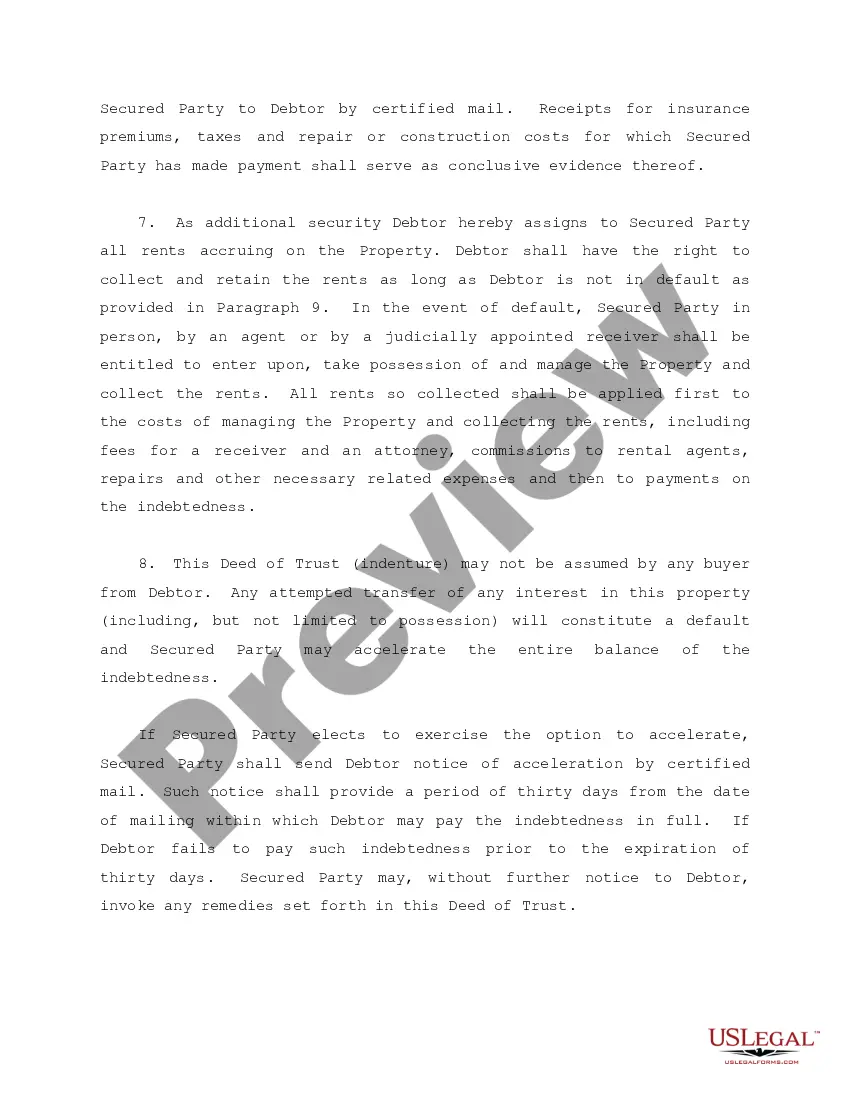
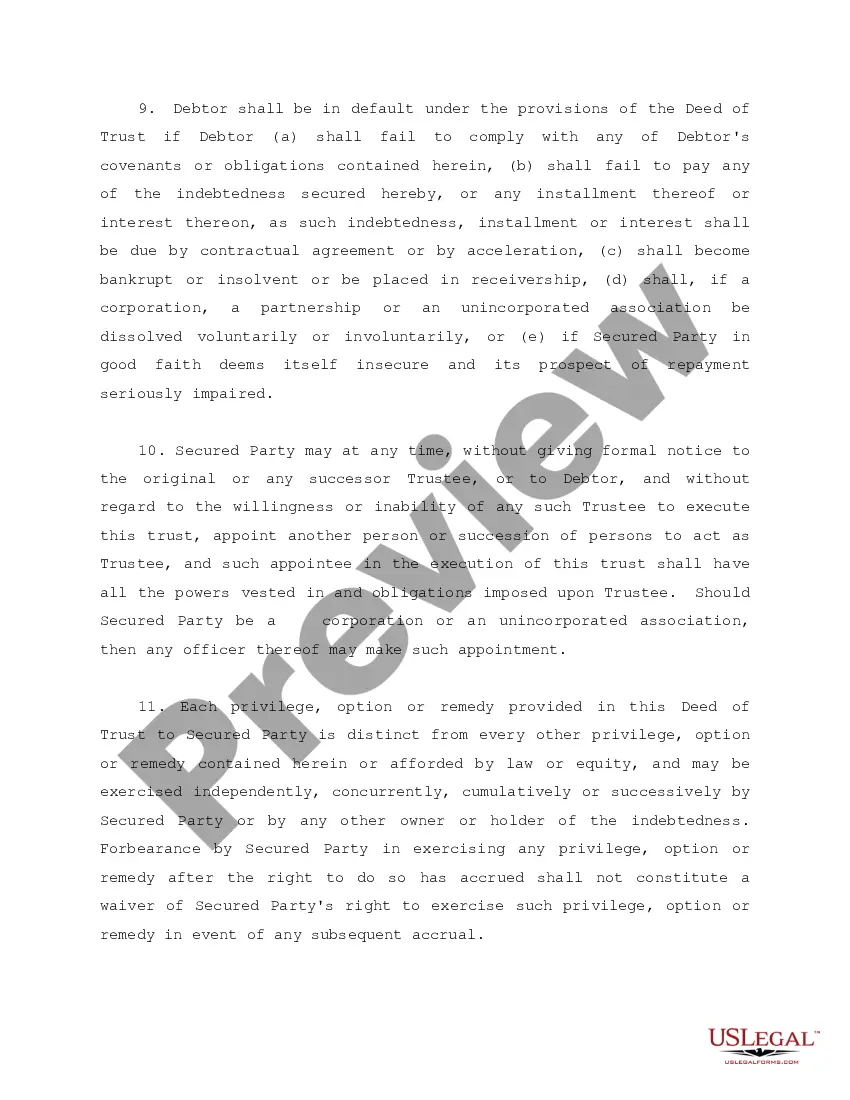
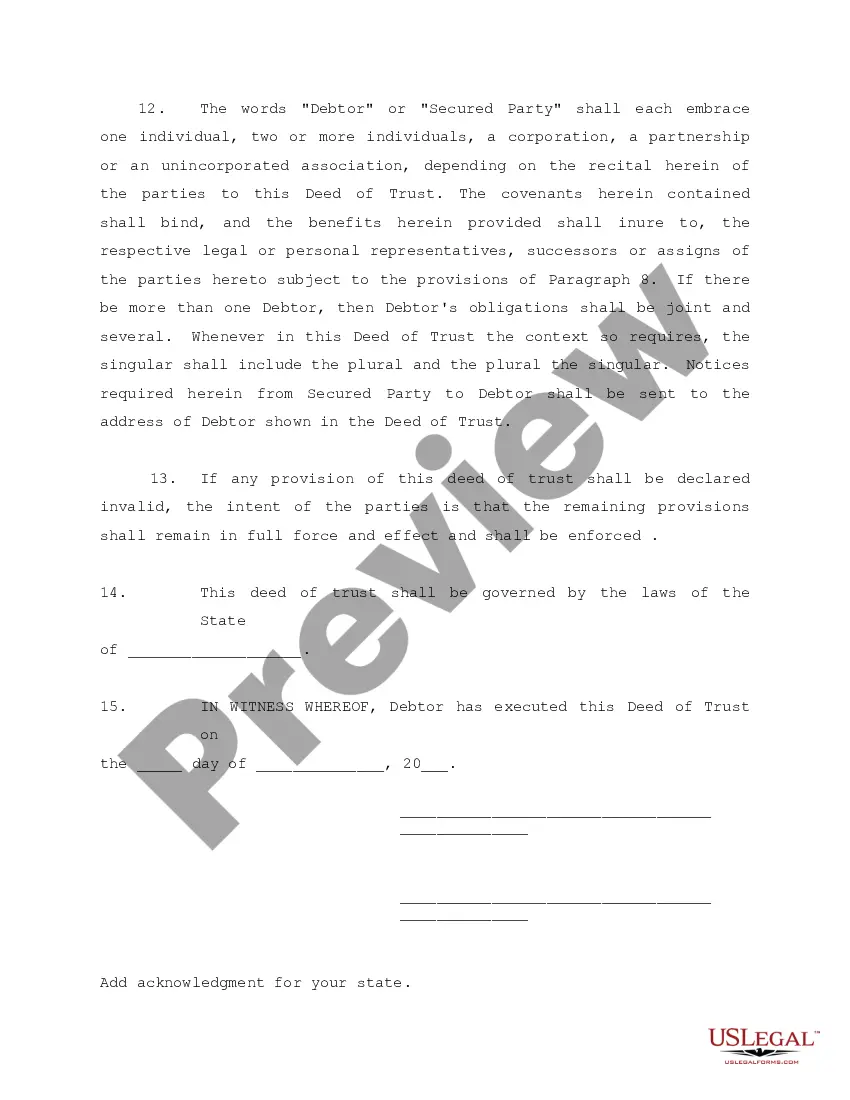
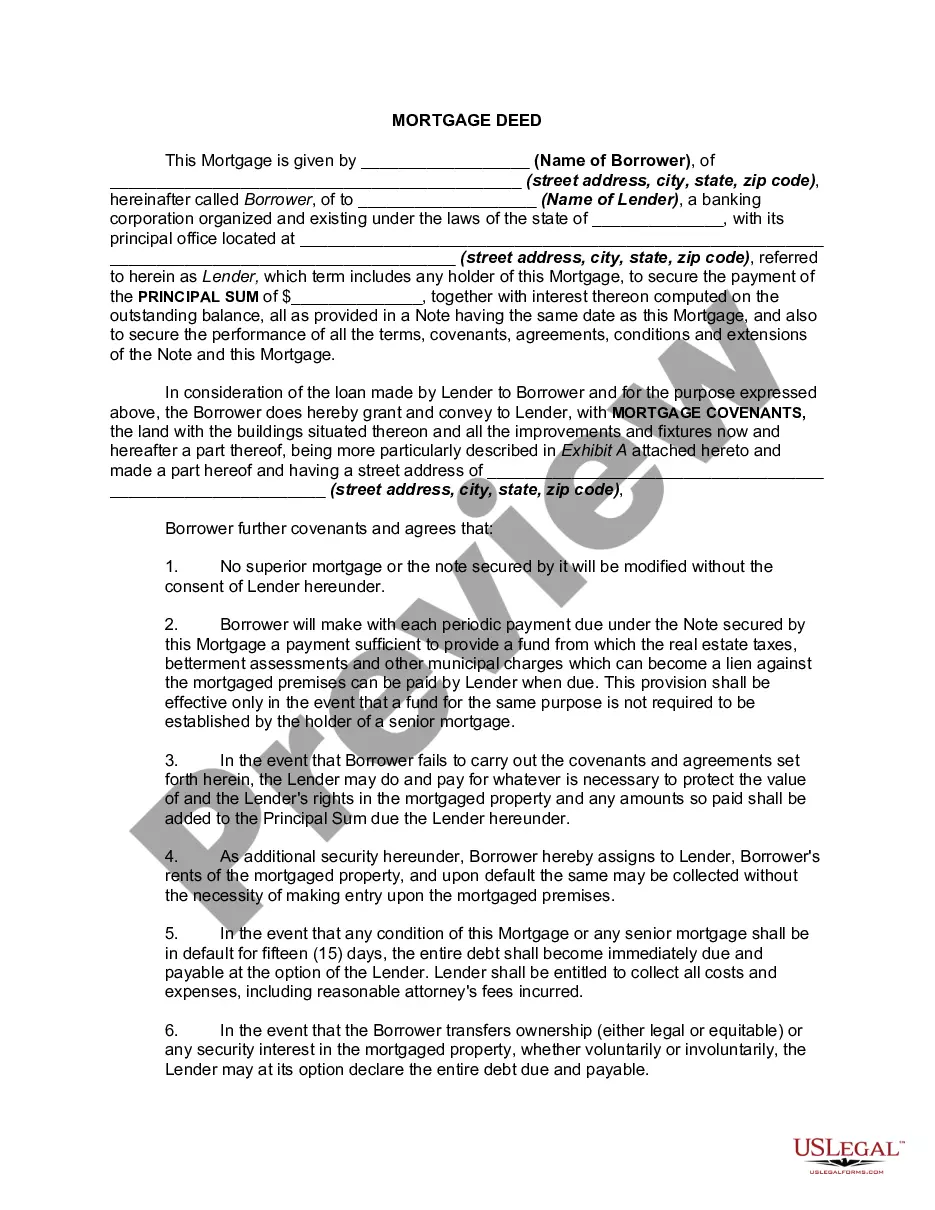
Security Debt Any With Example In Salt Lake
Description


Get your form ready online
Our built-in tools help you complete, sign, share, and store your documents in one place.
Make edits, fill in missing information, and update formatting in US Legal Forms—just like you would in MS Word.
Download a copy, print it, send it by email, or mail it via USPS—whatever works best for your next step.
Sign and collect signatures with our SignNow integration. Send to multiple recipients, set reminders, and more. Go Premium to unlock E-Sign.
If this form requires notarization, complete it online through a secure video call—no need to meet a notary in person or wait for an appointment.
We protect your documents and personal data by following strict security and privacy standards.

Make edits, fill in missing information, and update formatting in US Legal Forms—just like you would in MS Word.

Download a copy, print it, send it by email, or mail it via USPS—whatever works best for your next step.

Sign and collect signatures with our SignNow integration. Send to multiple recipients, set reminders, and more. Go Premium to unlock E-Sign.

If this form requires notarization, complete it online through a secure video call—no need to meet a notary in person or wait for an appointment.

We protect your documents and personal data by following strict security and privacy standards.
Looking for another form?








Form popularity
FAQ
In Utah, the statute of limitations for any signed written contract, obligation, or liability is six years. For unwritten (verbal) contracts, obligations, or liabilities, the statute of limitation for an unpaid debt expires after four years.
Starting a Debt Collection Case A debt collector starts a debt collection case by filing a complaint with the court. A copy of the complaint and a document called a summons must be served on the debtor by one of the methods described in Utah Rule of Civil Procedure 4.
Specifically, the rule states that a debt collector cannot: Make more than seven calls within a seven-day period to a consumer regarding a specific debt. Call a consumer within seven days after having a telephone conversation about that debt.
What information is required to be in the validation notice from a debt collector about my debt? A statement that the communication is from a debt collector. Your name and mailing information, along with the name and mailing information of the debt collector. The name of the creditor you owe the debt to.
Within five days after a debt collector first contacts you, it must send you a written notice, called a "validation notice," that tells you (1) the amount it thinks you owe, (2) the name of the creditor, and (3) how to dispute the debt in writing.
Again, most states require credit companies or the debt collector collecting on the account to attach a complete set of documents to the complaint. These documents usually consist of the original contract and any document showing that the company suing you actually owns the debt.
Starting a Debt Collection Case A debt collector starts a debt collection case by filing a complaint with the court. A copy of the complaint and a document called a summons must be served on the debtor by one of the methods described in Utah Rule of Civil Procedure 4.
A debt security is a debt instrument that can be bought or sold between two parties and has basic terms defined, such as the notional amount (the amount borrowed), interest rate, and maturity and renewal date.
In Utah, the statute of limitations for any signed written contract, obligation, or liability is six years. For unwritten (verbal) contracts, obligations, or liabilities, the statute of limitation for an unpaid debt expires after four years.
Typically, promissory notes are securities. They must be registered with the SEC, a state securities regulator, or be exempt from registration. Most legitimate promissory notes can easily be verified by checking the SEC's EDGAR database or calling your state securities regulator .
