Secured Debt Shall For Bad Credit In Sacramento
Description

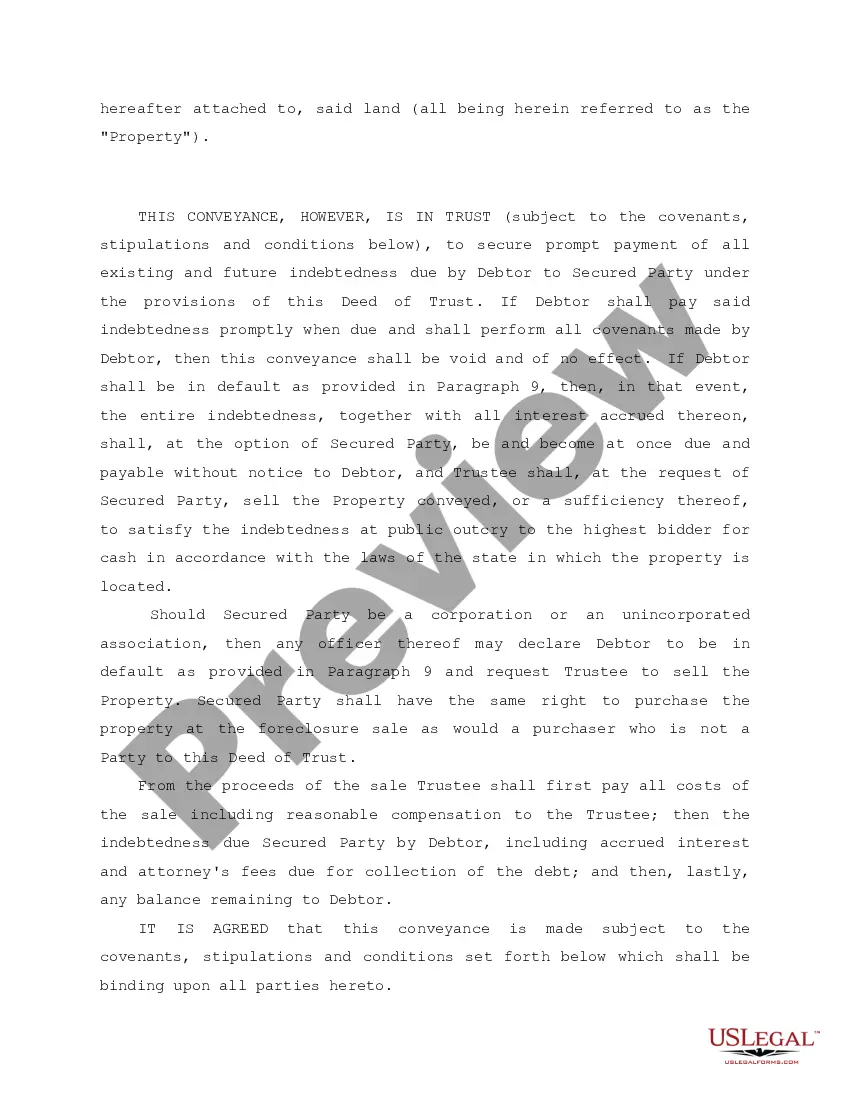
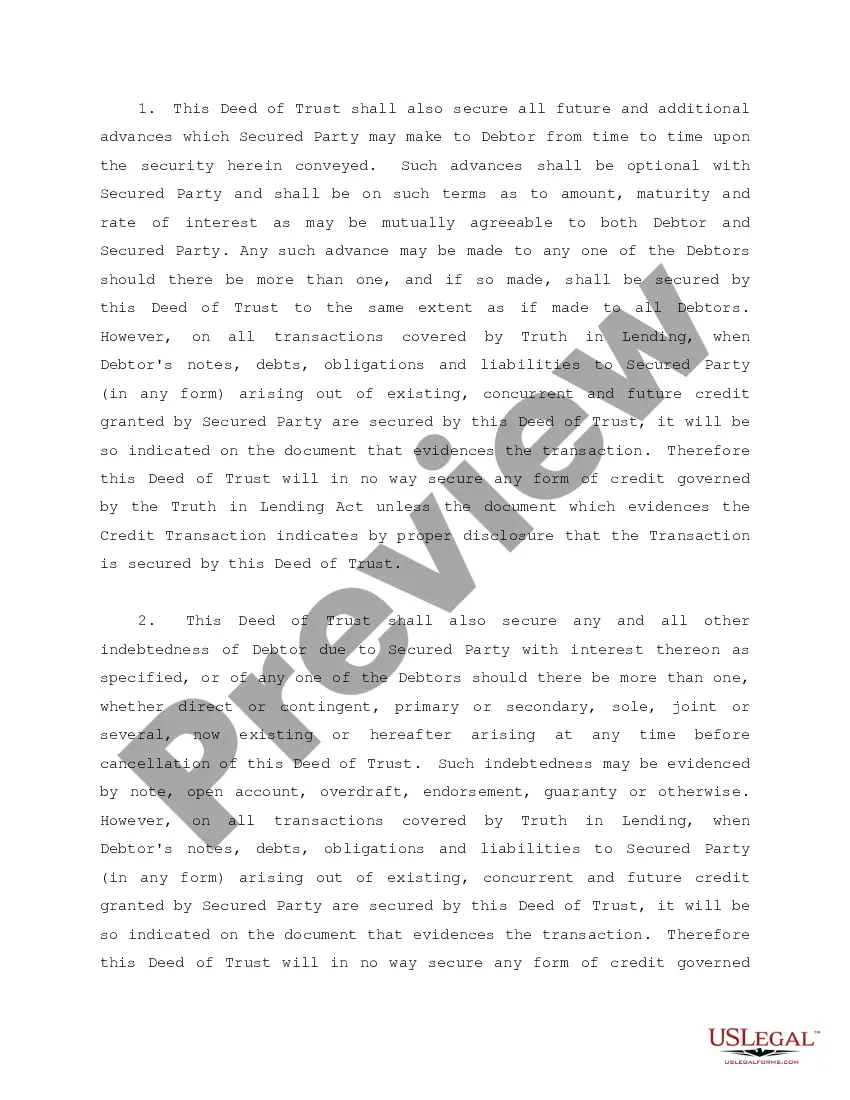
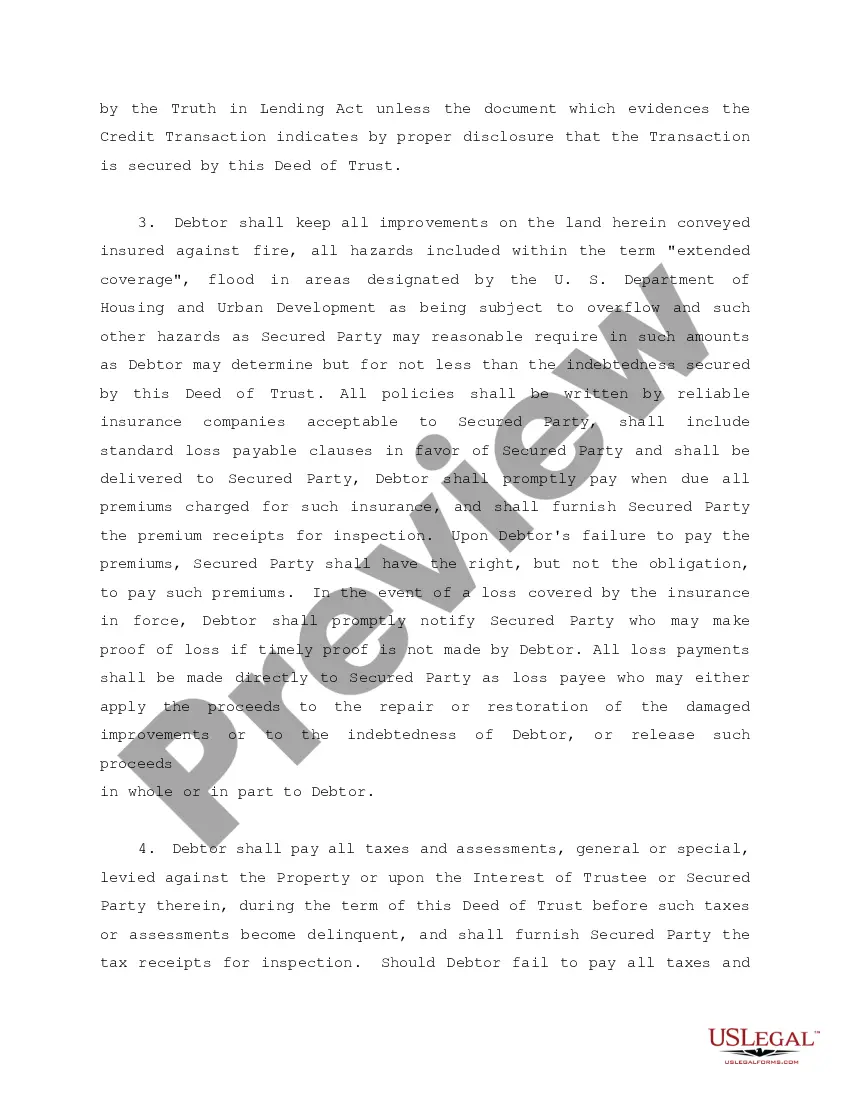
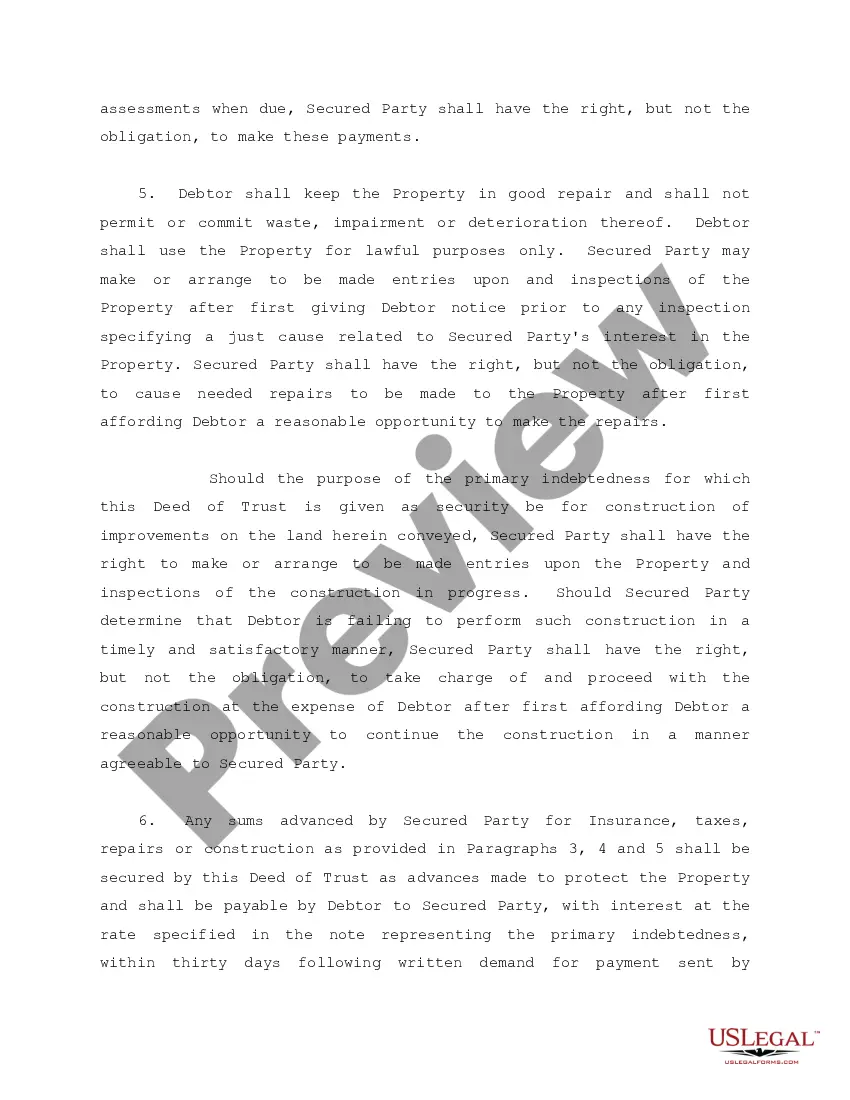
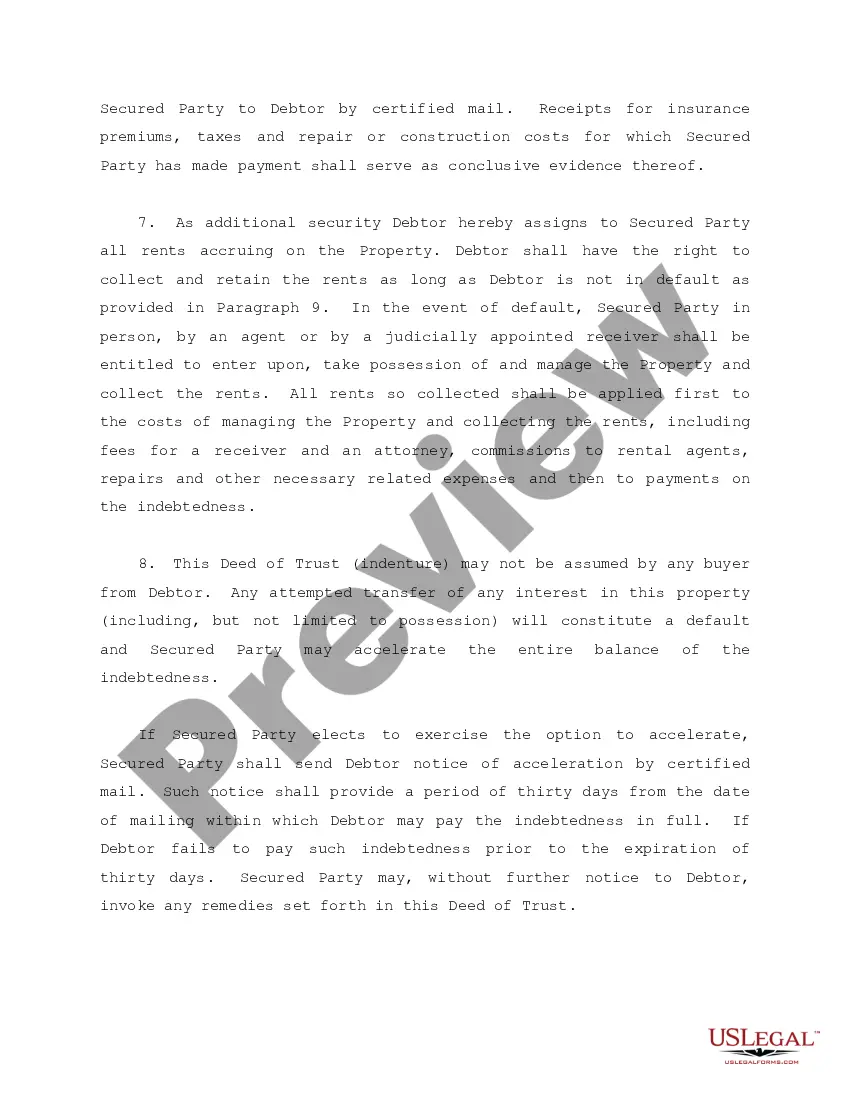
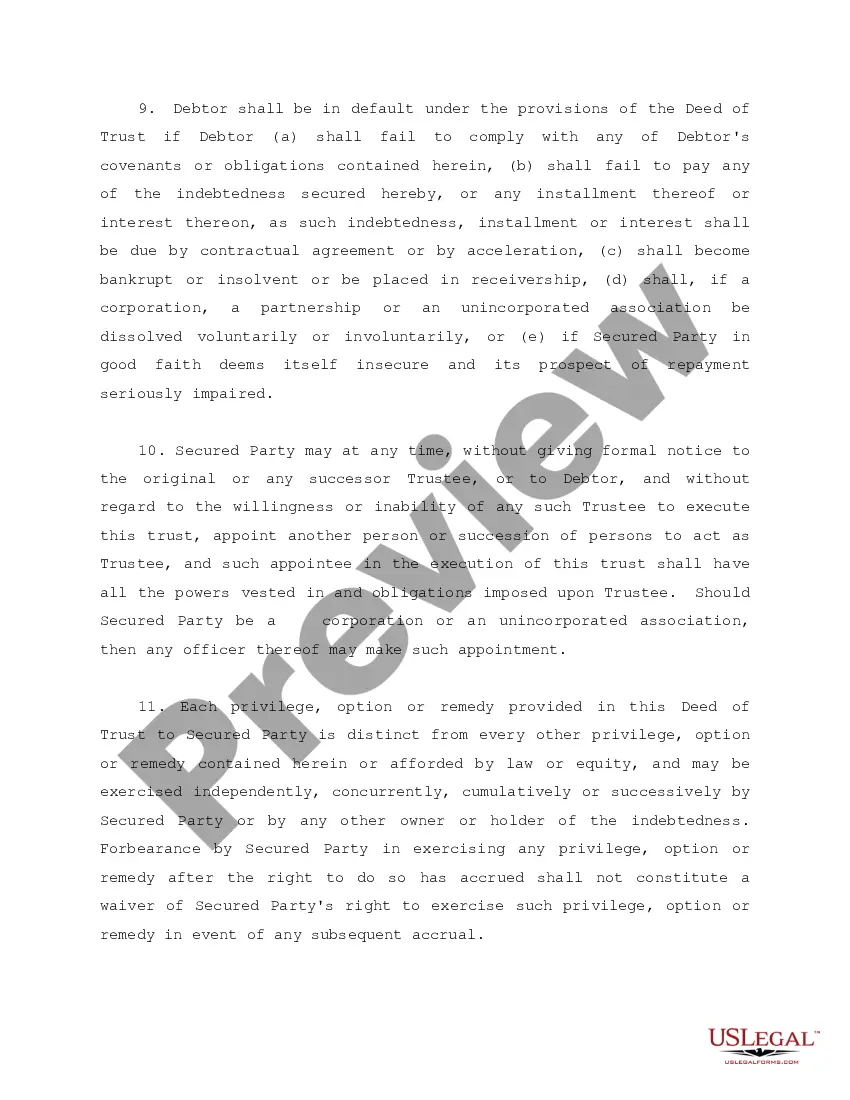
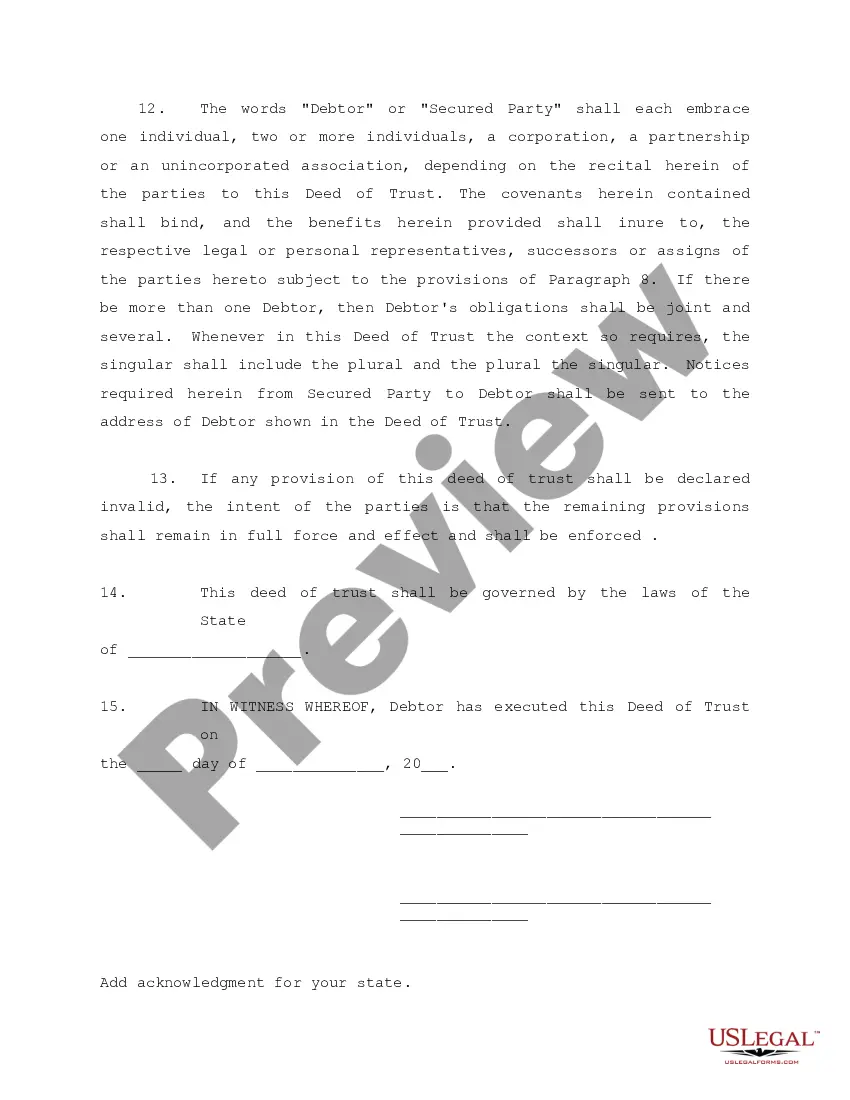
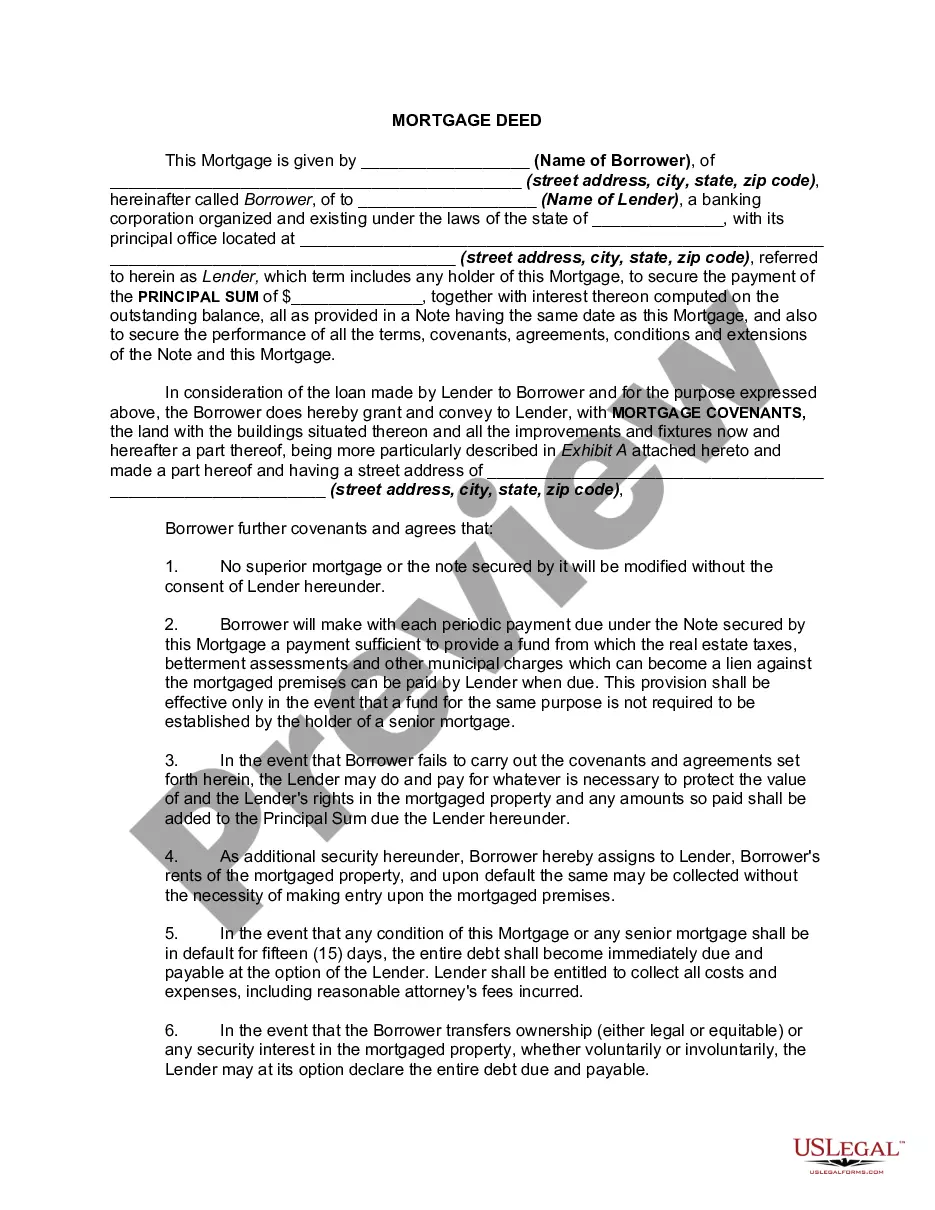

Get your form ready online
Our built-in tools help you complete, sign, share, and store your documents in one place.
Make edits, fill in missing information, and update formatting in US Legal Forms—just like you would in MS Word.
Download a copy, print it, send it by email, or mail it via USPS—whatever works best for your next step.
Sign and collect signatures with our SignNow integration. Send to multiple recipients, set reminders, and more. Go Premium to unlock E-Sign.
If this form requires notarization, complete it online through a secure video call—no need to meet a notary in person or wait for an appointment.
We protect your documents and personal data by following strict security and privacy standards.

Make edits, fill in missing information, and update formatting in US Legal Forms—just like you would in MS Word.

Download a copy, print it, send it by email, or mail it via USPS—whatever works best for your next step.

Sign and collect signatures with our SignNow integration. Send to multiple recipients, set reminders, and more. Go Premium to unlock E-Sign.

If this form requires notarization, complete it online through a secure video call—no need to meet a notary in person or wait for an appointment.

We protect your documents and personal data by following strict security and privacy standards.
Looking for another form?





Form popularity
FAQ
Highlights: Most negative information generally stays on credit reports for 7 years.
Debt collectors have up to four years to sue you for most debts in California, starting from the date of your last payment or the date the debt became due. After that, they can't legally take action in court.
Debt collectors may not be able to sue you to collect on old (time-barred) debts, but they may still try to collect on those debts. In California, there is generally a four-year limit for filing a lawsuit to collect a debt based on a written agreement.
Use this 11-word phrase to stop debt collectors: “Please cease and desist all calls and contact with me immediately.” You can use this phrase over the phone, in an email or letter, or both.
Debt collectors may not be able to sue you to collect on old (time-barred) debts, but they may still try to collect on those debts. In California, there is generally a four-year limit for filing a lawsuit to collect a debt based on a written agreement.
Legislation signed into law by California Governor Gavin Newsom on September 24, 2024 will subject commercial debt collectors to new compliance requirements starting in 2025. California Senate Bill 1286 extends the reach of the state's Rosenthal Fair Debt Collection Practices Act (the “Rosenthal Act”), California's ...
The 7-year rule means that each negative remark remains on your report for 7 years (possibly more depending on the remark). However, after that period has ended, a remark will most probably fall off of your report.
Chapter 13 Eligibility Any individual, even if self-employed or operating an unincorporated business, is eligible for chapter 13 relief as long as the individual's combined total secured and unsecured debts are less than $2,750,000 as of the date of filing for bankruptcy relief.
You could be disqualified from filing bankruptcy if: The court dismissed your bankruptcy in the past 180 days. You committed fraud. You received a bankruptcy discharge in the past.
A bad debt write-off is the process of removing an uncollectible debt from a business's accounting records. This accounting method acknowledges the loss incurred when a debtor fails to repay a debt.
