Secured Debt Any For Loan In Queens
Description

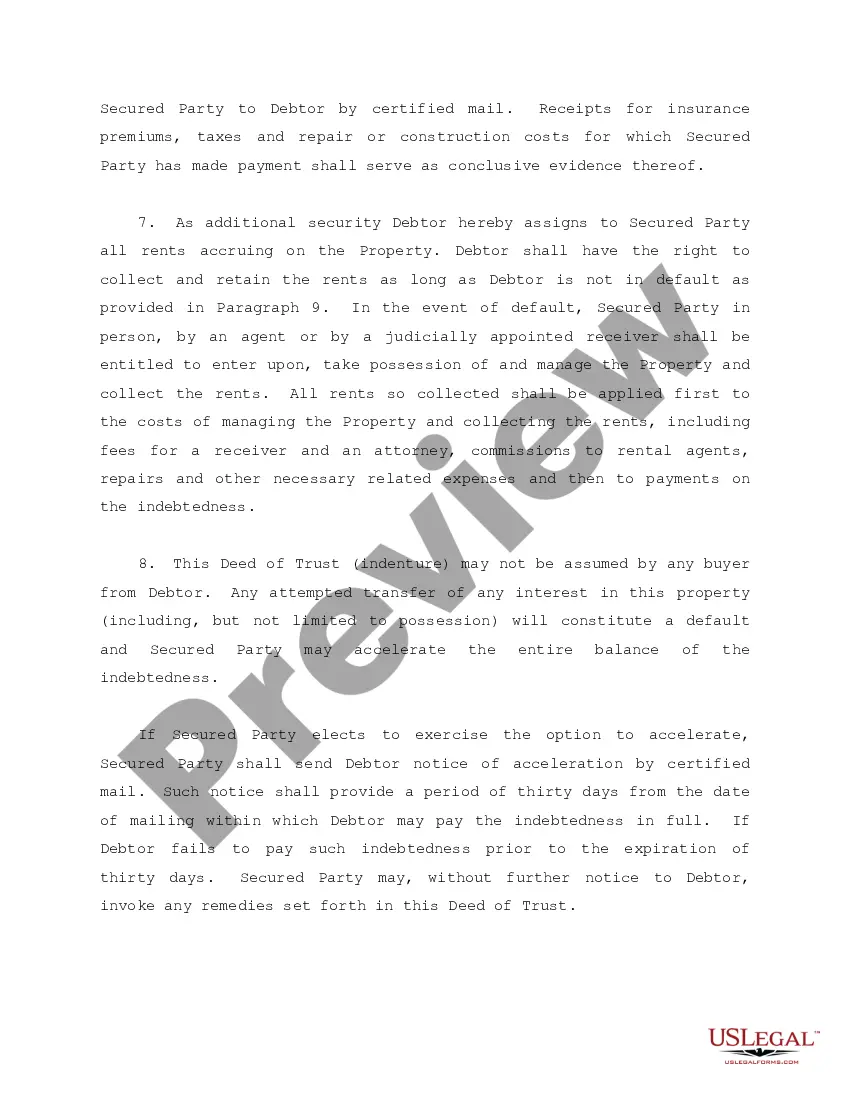
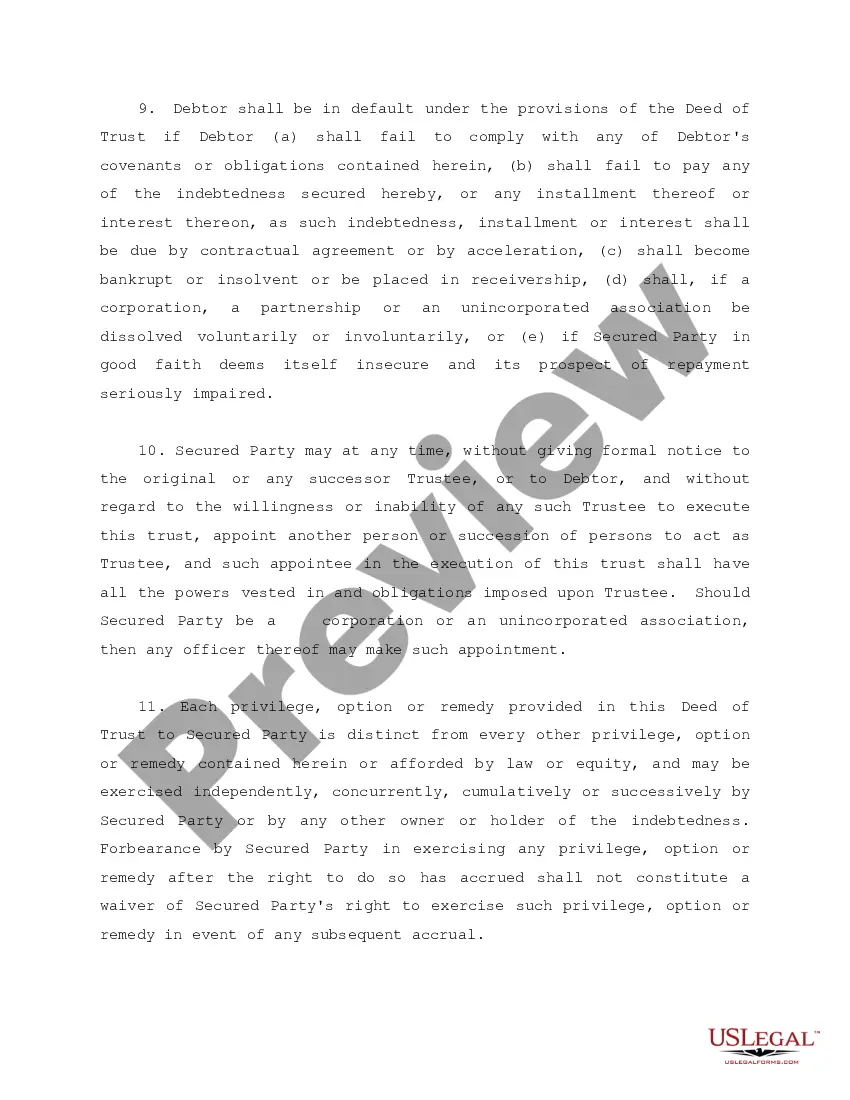
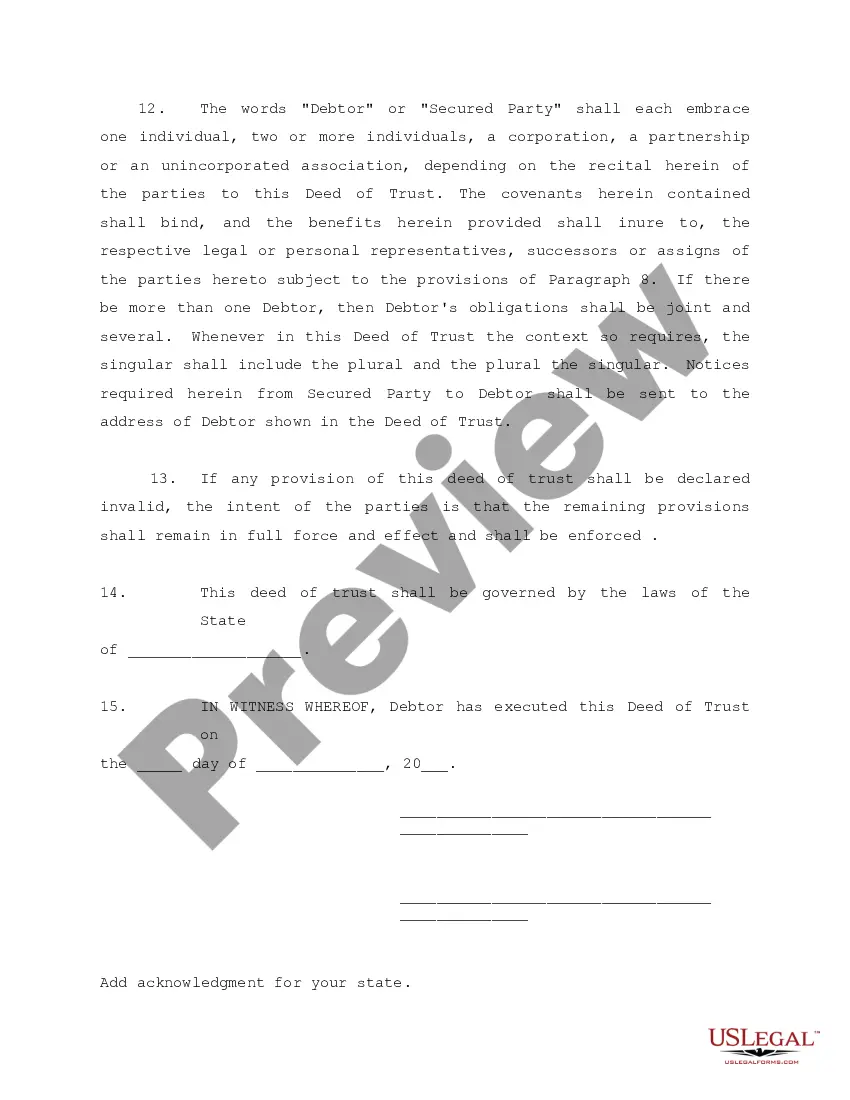


Get your form ready online
Our built-in tools help you complete, sign, share, and store your documents in one place.
Make edits, fill in missing information, and update formatting in US Legal Forms—just like you would in MS Word.
Download a copy, print it, send it by email, or mail it via USPS—whatever works best for your next step.
Sign and collect signatures with our SignNow integration. Send to multiple recipients, set reminders, and more. Go Premium to unlock E-Sign.
If this form requires notarization, complete it online through a secure video call—no need to meet a notary in person or wait for an appointment.
We protect your documents and personal data by following strict security and privacy standards.

Make edits, fill in missing information, and update formatting in US Legal Forms—just like you would in MS Word.

Download a copy, print it, send it by email, or mail it via USPS—whatever works best for your next step.

Sign and collect signatures with our SignNow integration. Send to multiple recipients, set reminders, and more. Go Premium to unlock E-Sign.

If this form requires notarization, complete it online through a secure video call—no need to meet a notary in person or wait for an appointment.

We protect your documents and personal data by following strict security and privacy standards.
Looking for another form?
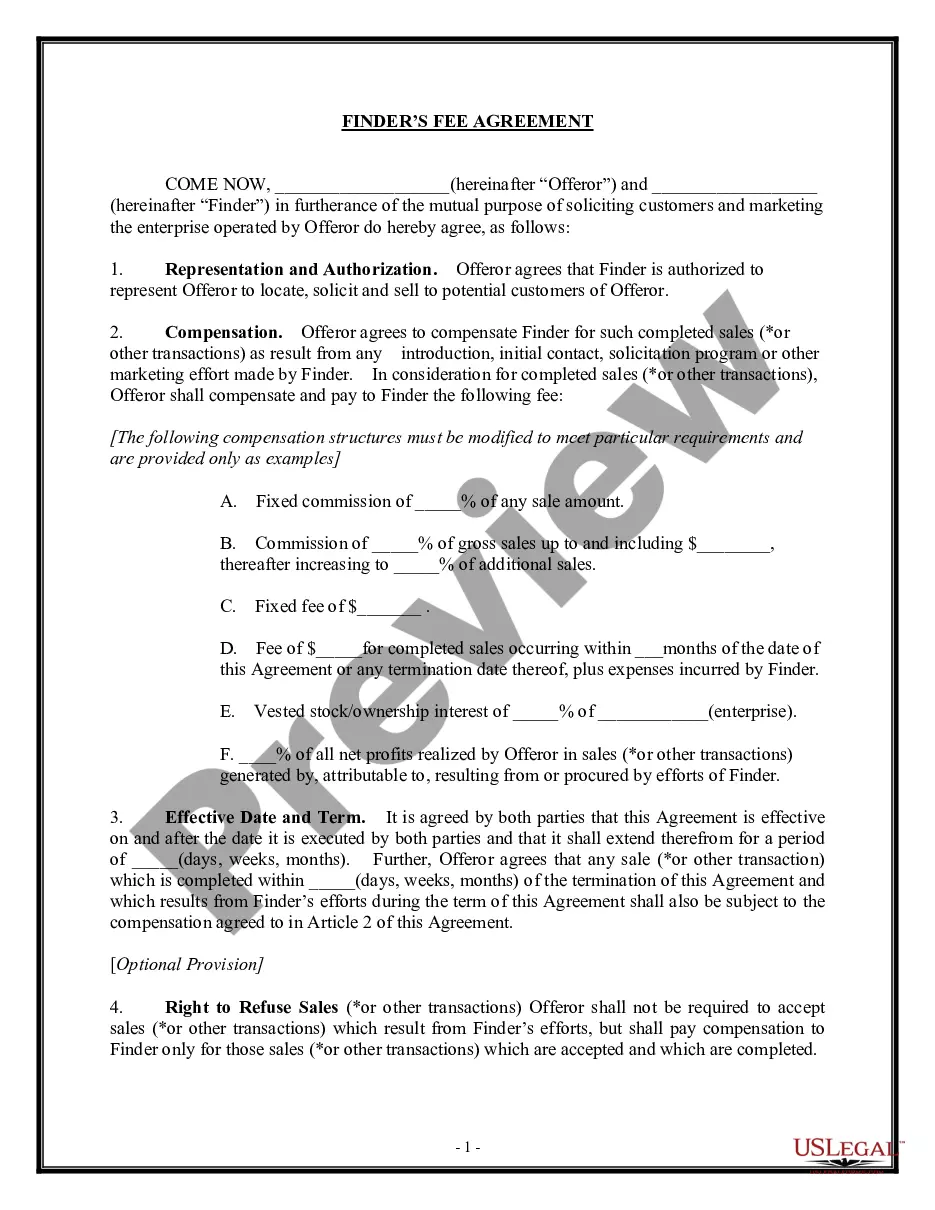


Form popularity
FAQ
UCC-3 party amendments: A UCC-3 amendment is a type of filing used to change or add critical information about the debtor or the secured party. For example, they can be used to change the name or the address.
"Amendment" means a UCC record that amends the information contained in a financing statement. Amendments include assignments, continuations and terminations. "Assignment" is an amendment that assigns all or part of a secured party's power to authorize an amendment to a financing statement.
UCC - Frequently Asked Questions - UCC-1 and UCC-3. Most filings last for five (5) years from the date of filing. Filings for a debtor that is a transmitting utility have no expiration date. Manufactured Home filings last 30 years from the date of filing – appropriate box must be marked.
The secured party has 20 days to either terminate the filing or send a termination statement to the debtor that the debtor can then file. If this does not happen within the 20-day time frame, the debtor may file a UCC-3 termination statement.
3 is used as a way to amend that original lien filing and do things like terminate the UCC, edit any of the details of the lien, or assign your interests to another secured party for the lien.
Here are strategies and tips for getting out of debt faster. Add Up All Your Debt. Adjust Your Budget. Use a Debt Repayment Strategy. Look for Additional Income. Consider Credit Counseling. Consider Consolidating Your Debt. Don't Forget About Debt in Collections. Stay Accountable.
If the debt is unsecured, the creditor can: Stop doing business with you. Report your debt to a credit reporting agency. Bring a lawsuit to collect the debt.
Chapter 7 bankruptcy provides for the discharge of most types of unsecured debt. Once unsecured debt is discharged in bankruptcy, you are no longer obligated to repay the debt. The creditor can no longer attempt to collect such debt from you.
In order to garnish, an unsecured creditor (one for which there is no collateral securing the debt, i.e. credit cards, personal loans, medical bills) must first sue the debtor. Typically this does not occur until the debt is around six months delinquent.
Steps Download the UCC-1 form. Provide direct contact information if desired. Fill in the debtor's name and mailing address. List the name and address of the secured party. Indicate the collateral covered by the financing statement. Include applicable descriptions of the transaction. Fill out an addendum if necessary.