Secure Debt Shall Forget The Day Lyrics In Phoenix
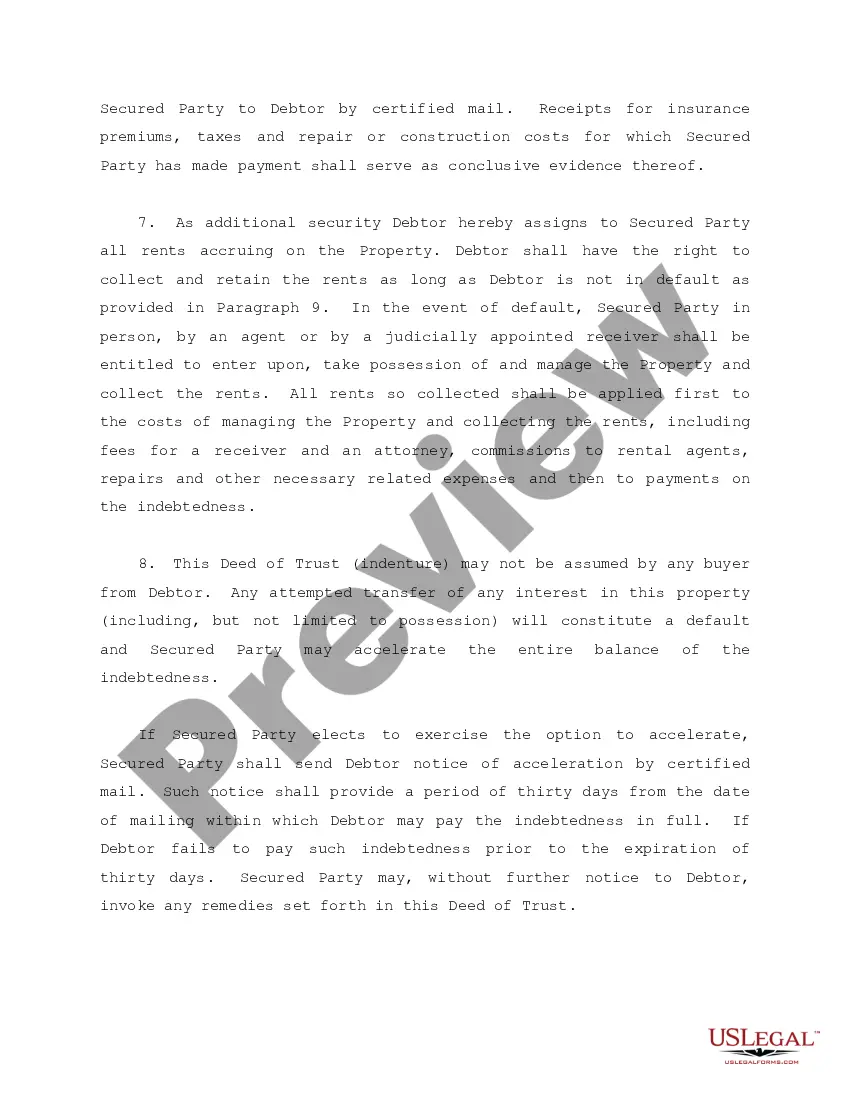
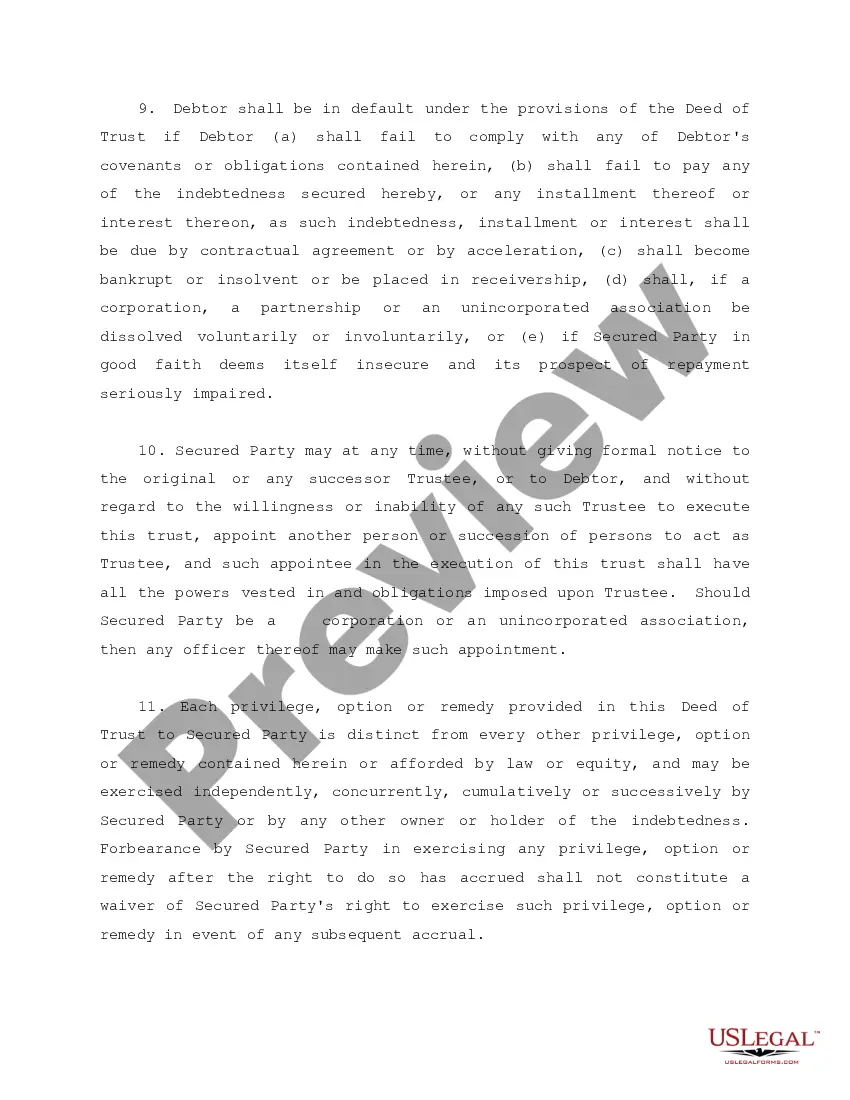
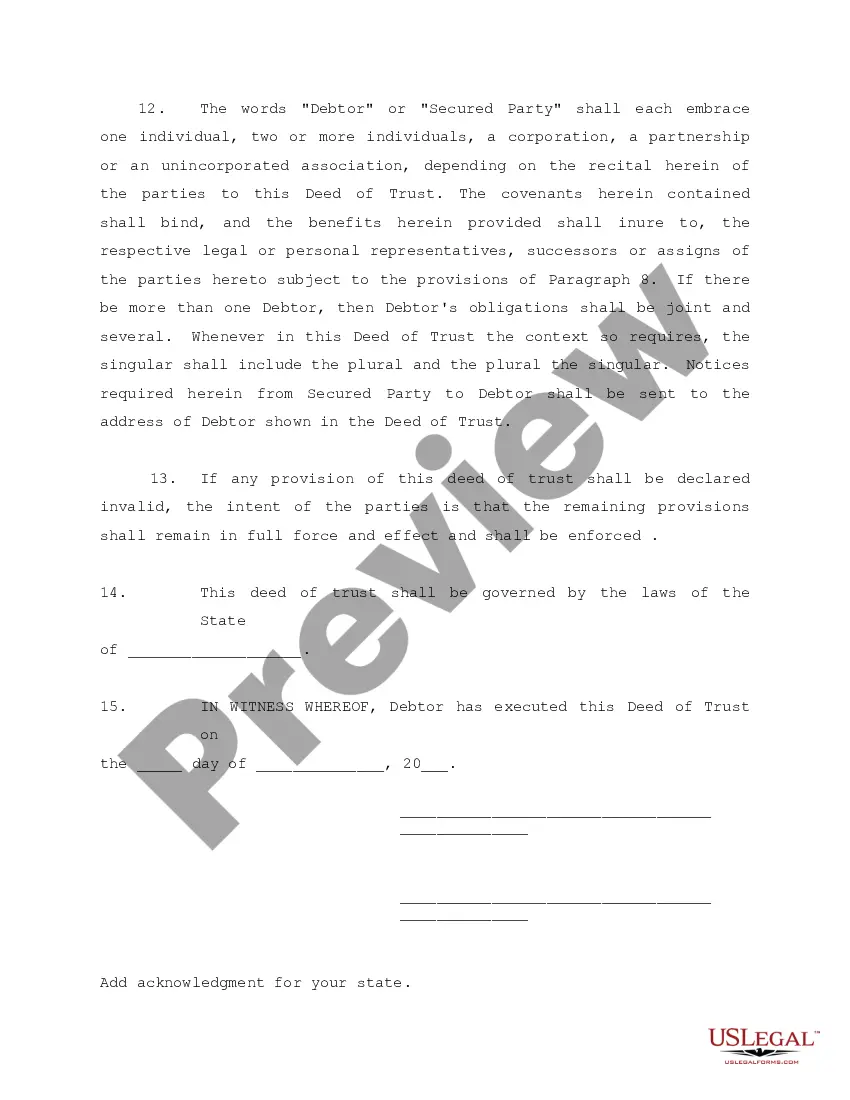
Description



Get your form ready online
Our built-in tools help you complete, sign, share, and store your documents in one place.
Make edits, fill in missing information, and update formatting in US Legal Forms—just like you would in MS Word.
Download a copy, print it, send it by email, or mail it via USPS—whatever works best for your next step.
Sign and collect signatures with our SignNow integration. Send to multiple recipients, set reminders, and more. Go Premium to unlock E-Sign.
If this form requires notarization, complete it online through a secure video call—no need to meet a notary in person or wait for an appointment.
We protect your documents and personal data by following strict security and privacy standards.

Make edits, fill in missing information, and update formatting in US Legal Forms—just like you would in MS Word.

Download a copy, print it, send it by email, or mail it via USPS—whatever works best for your next step.

Sign and collect signatures with our SignNow integration. Send to multiple recipients, set reminders, and more. Go Premium to unlock E-Sign.

If this form requires notarization, complete it online through a secure video call—no need to meet a notary in person or wait for an appointment.

We protect your documents and personal data by following strict security and privacy standards.
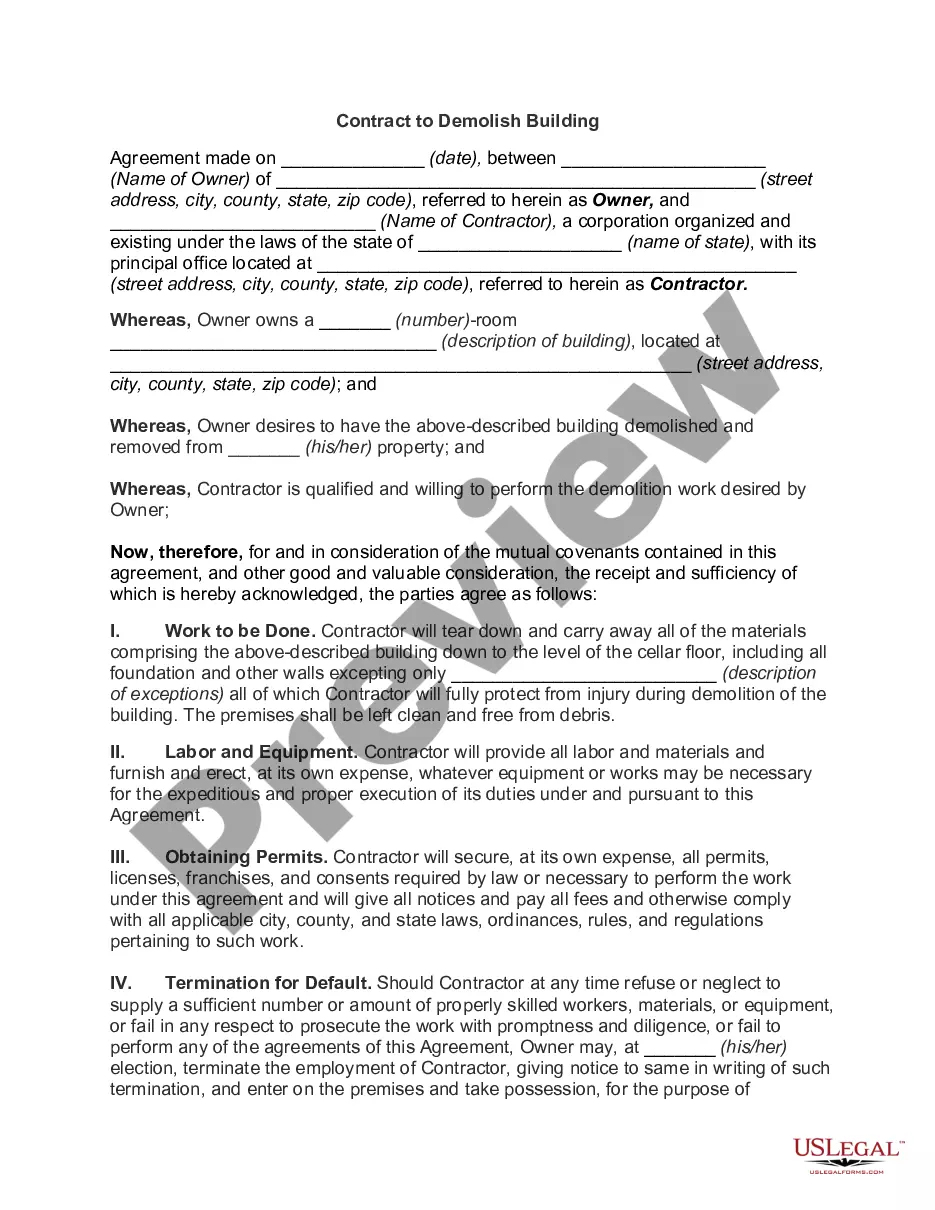
Looking for another form?


Form popularity
FAQ
Is it necessary to go to a school (college or university) to learn how to write songs? Or is there a faster, better way? Well, you'll be happy to hear that no, you don't HAVE to go to a college or university and get some sort of songwriting degree.
Hi, You do no need a degree to become a songwriter. Ypu can start but writing down feeling or experience that you would want people to know about you.
Music's Rule of Three. The idea is to have only three musical phrases playing at any one time in your song. Going beyond three or four elements at once can crowd your track, making it harder for your audience to connect and recall your composition.
Postsecondary Training There are no real requirements for entering the field of songwriting. All songwriters, however, will benefit from musical training, including musical theory and musical notation. Learning to play one or more instruments, such as the piano or guitar, will be especially helpful in writing songs.
Becoming a professional songwriter entails completing a music degree, choosing a preferred genre in which to specialise, taking an internship, creating a diverse portfolio and attending industry events before applying for relevant jobs.
Publishers can pitch songs to artists and labels, leveraging their industry contacts. Demos and Pitching: Songwriters often create demo recordings of their songs to showcase their work. They can then pitch these demos directly to artists or their management teams, often through email or networking contacts.
