Secure Debt Shall Forget The Day In Pennsylvania
Description

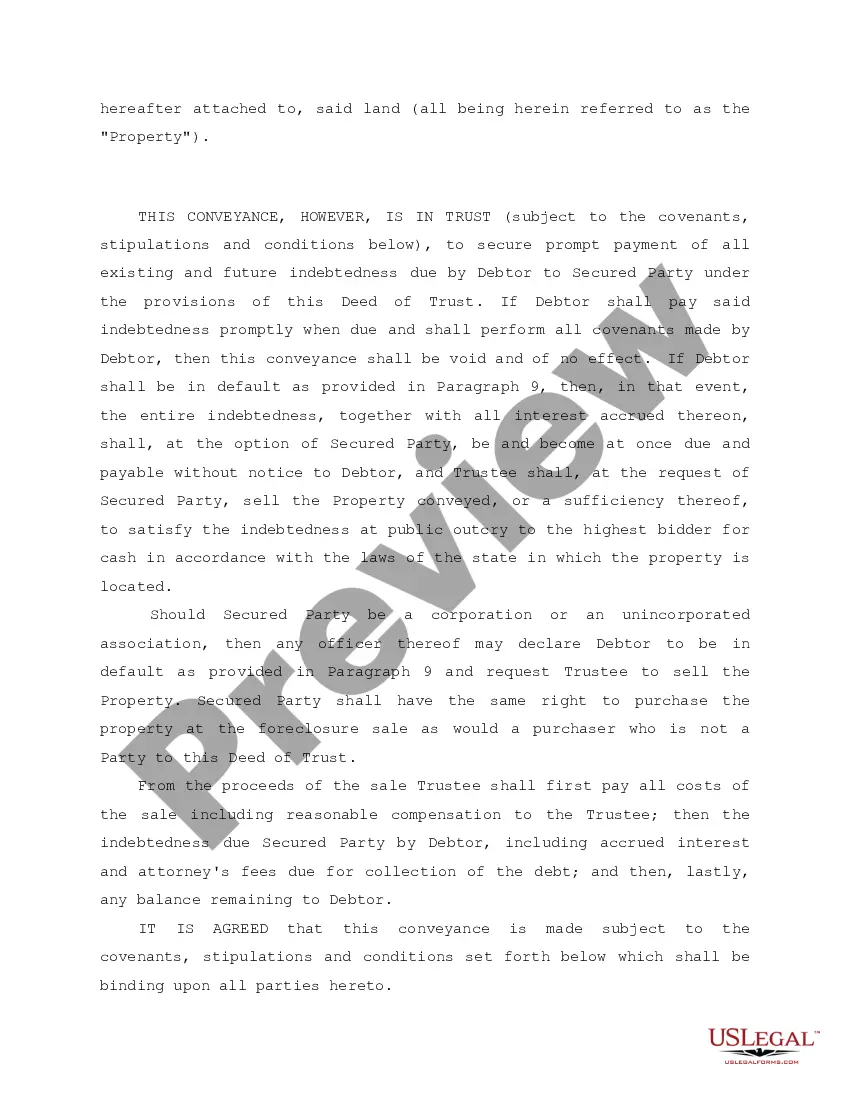
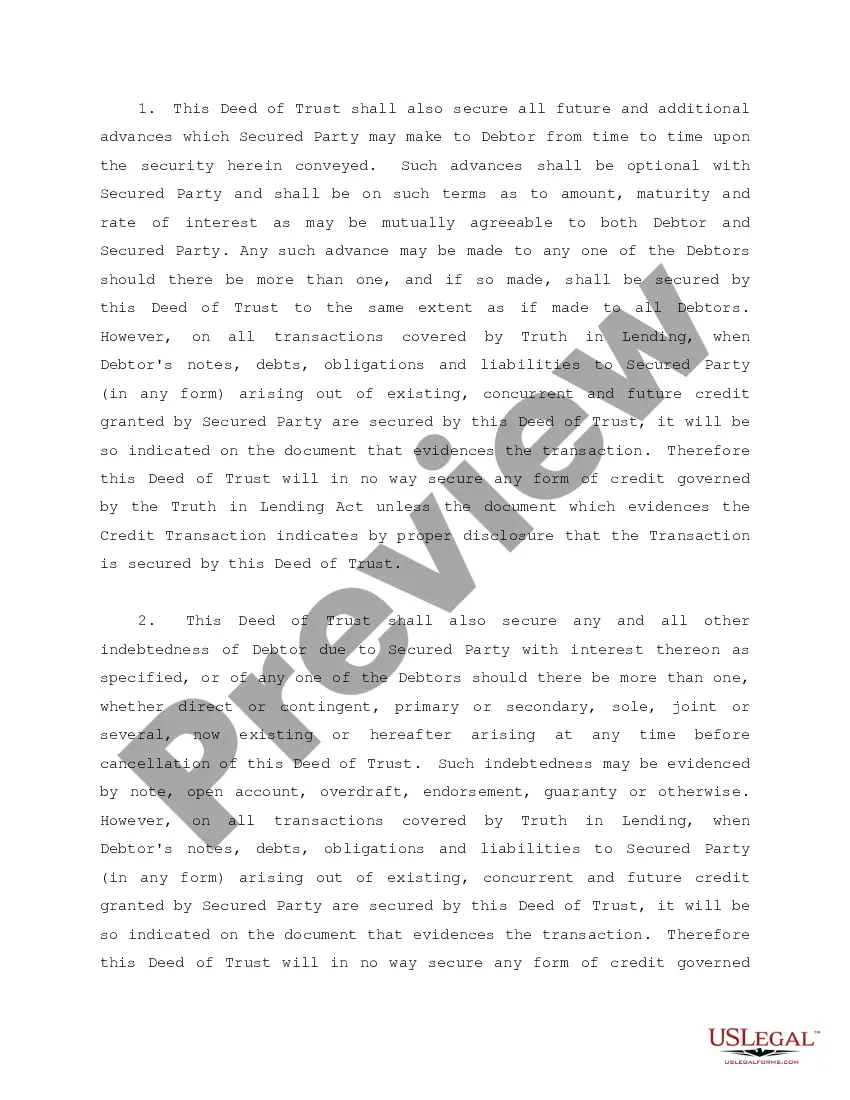
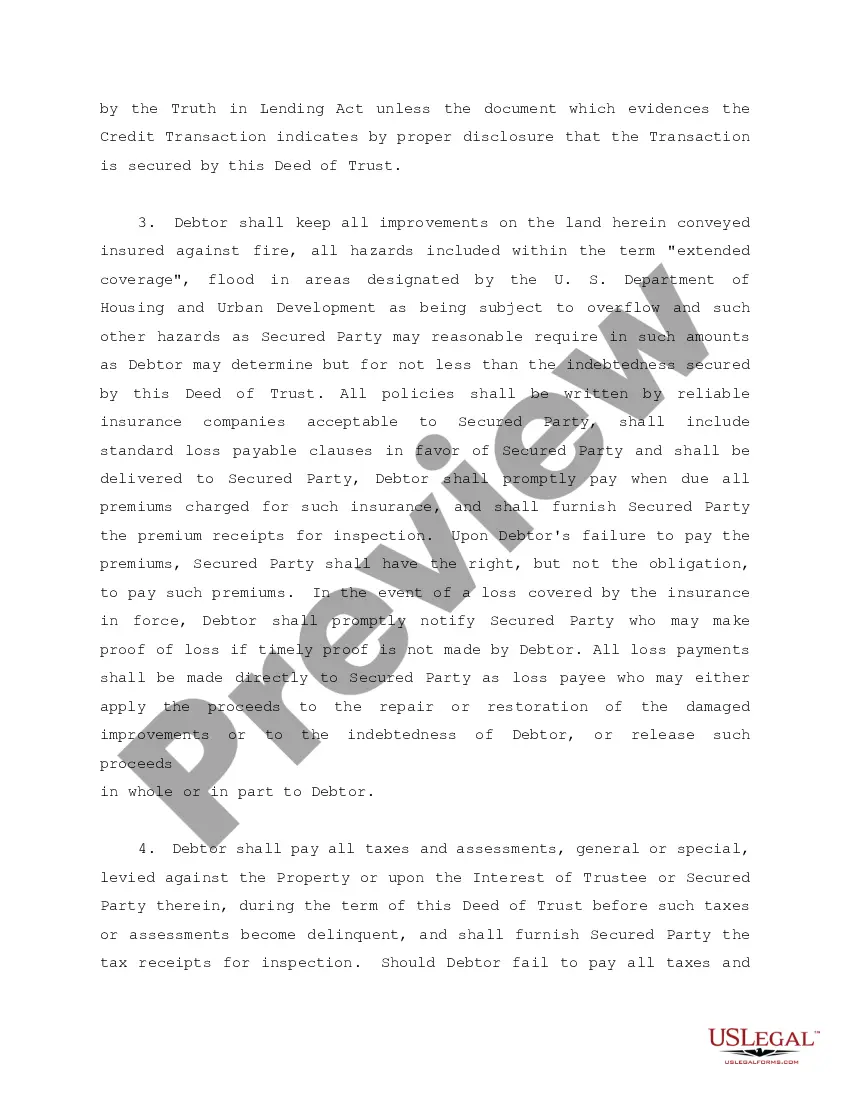
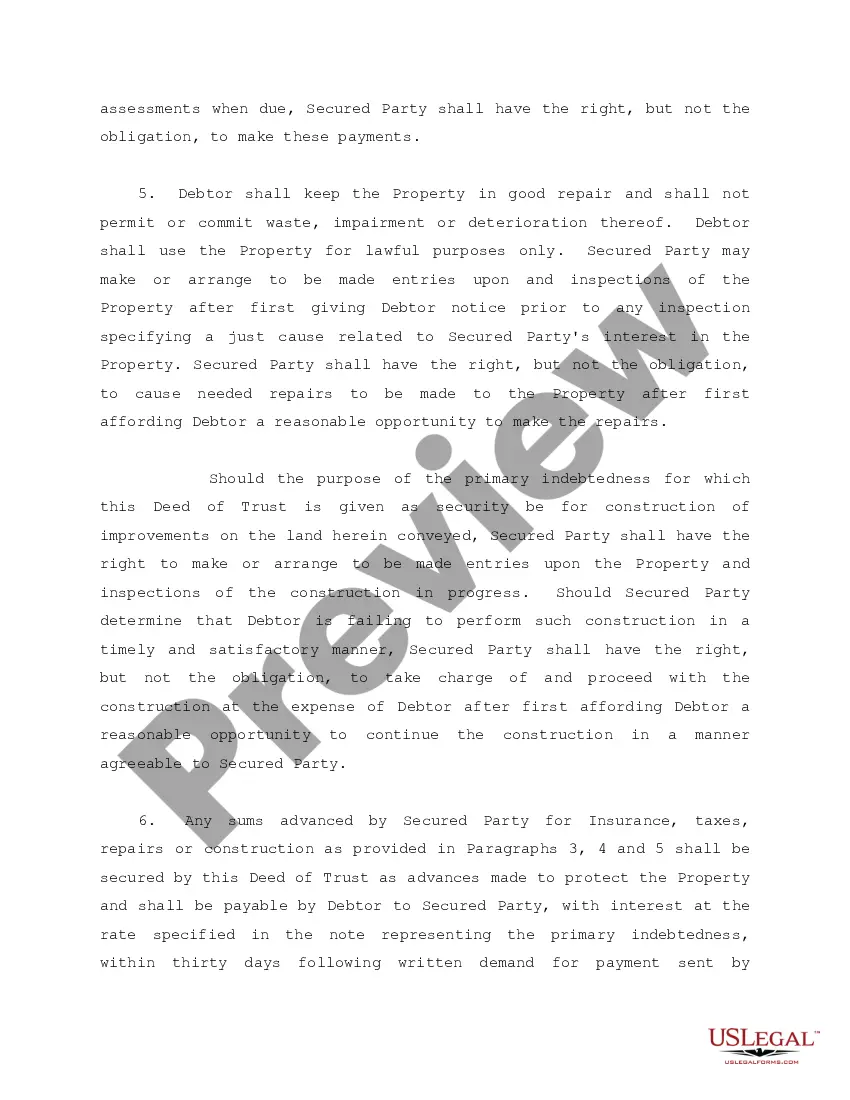
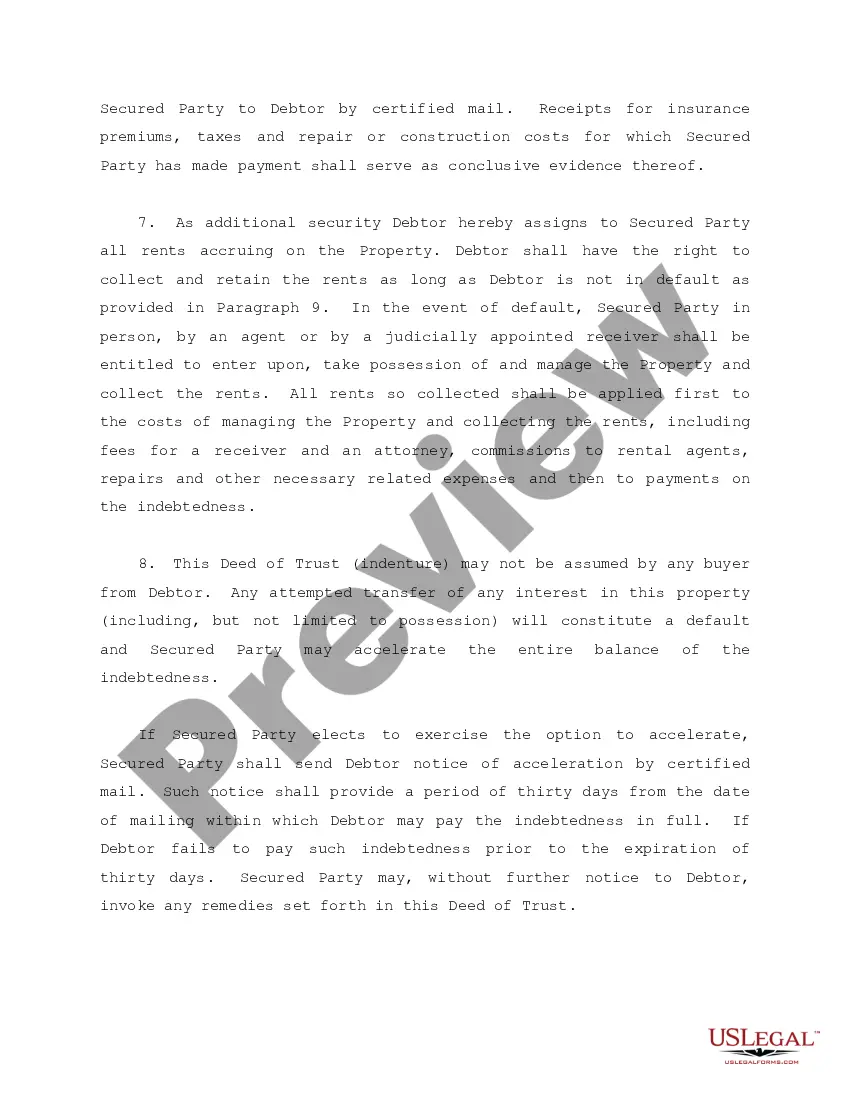
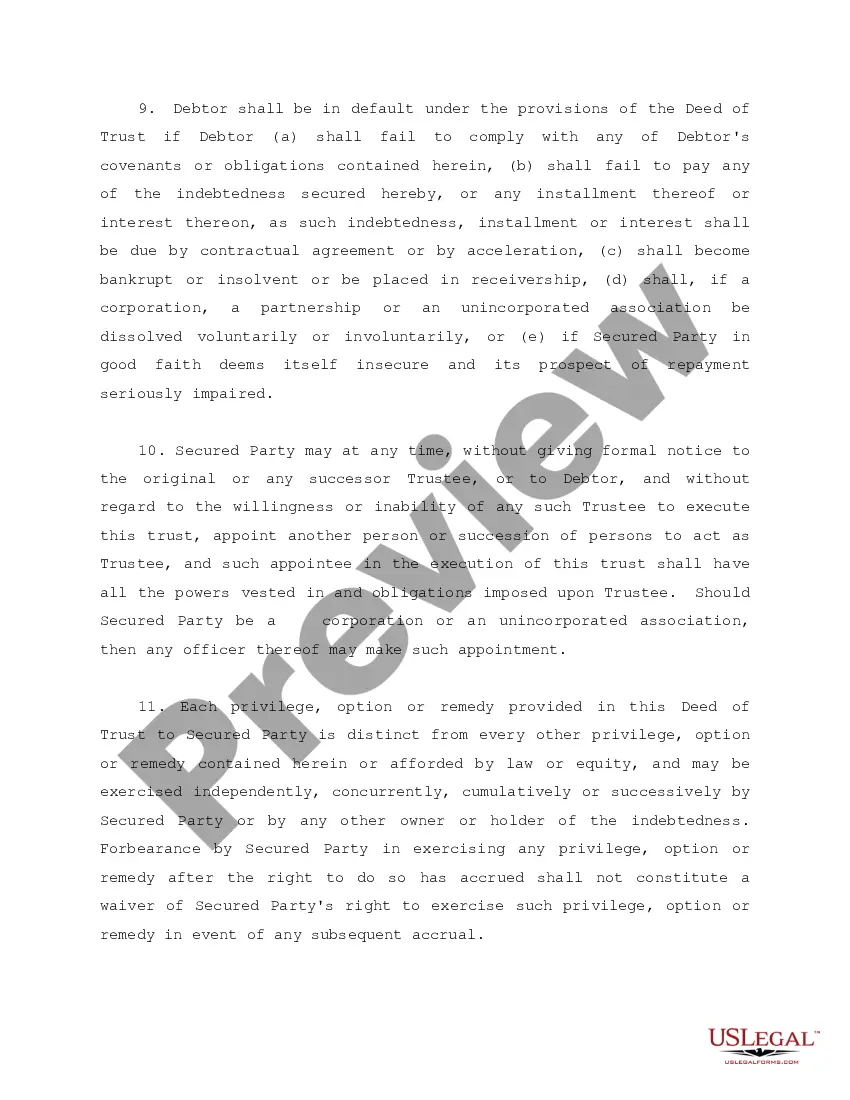
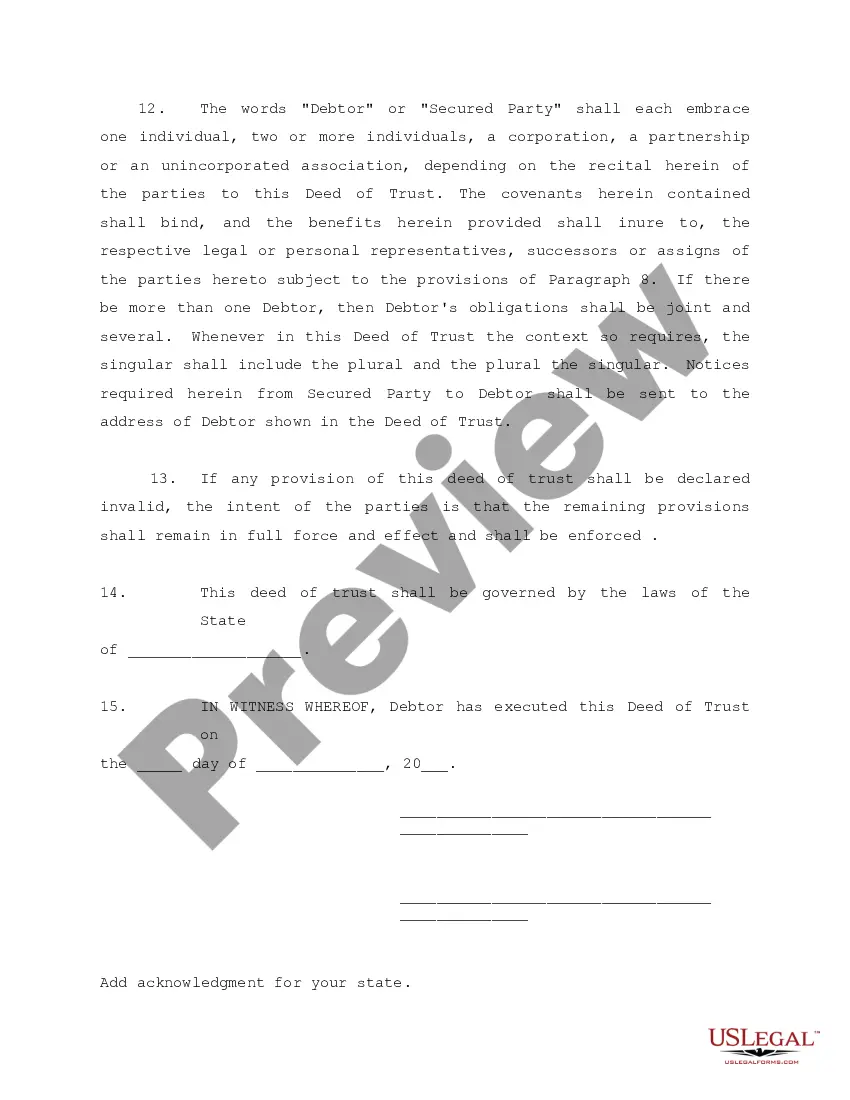
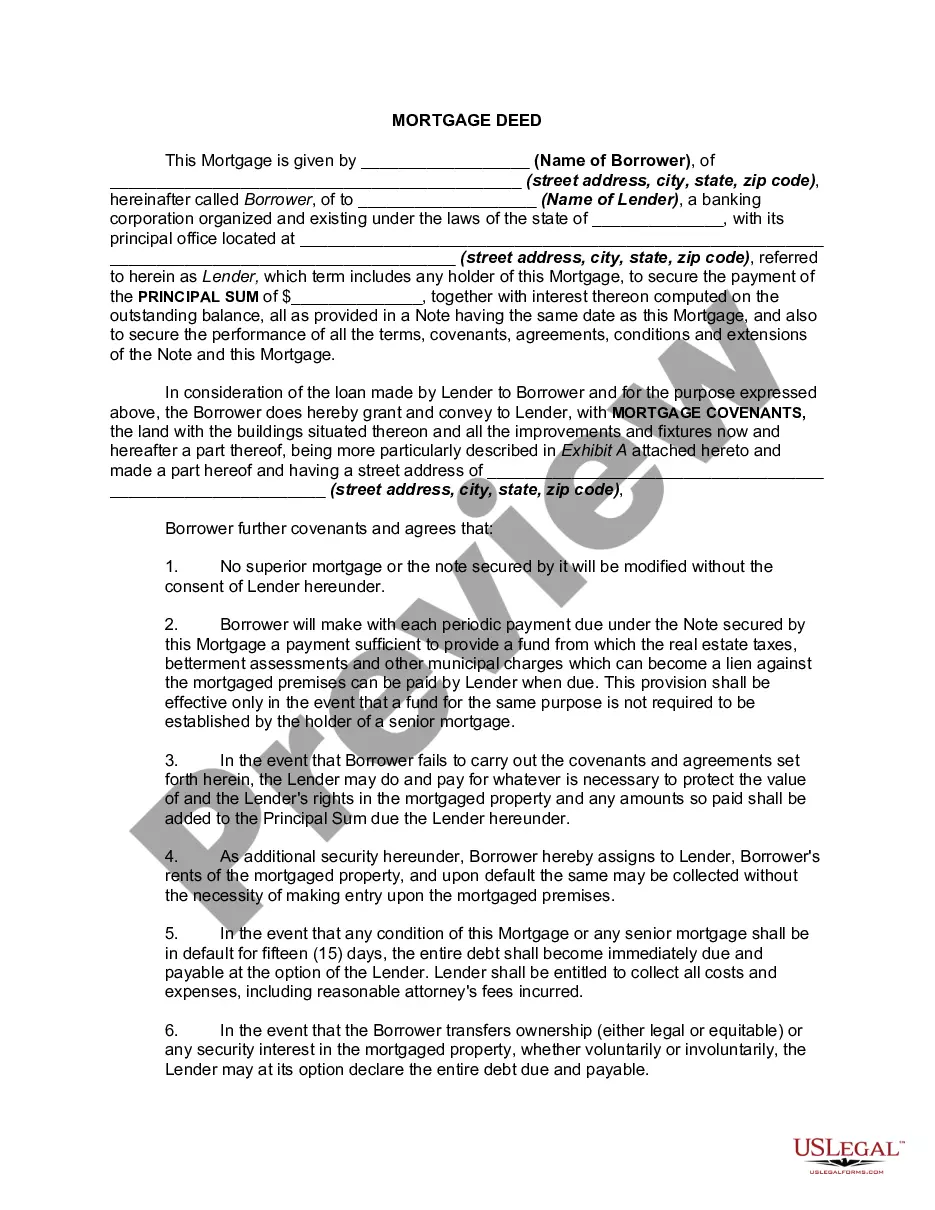

Get your form ready online
Our built-in tools help you complete, sign, share, and store your documents in one place.
Make edits, fill in missing information, and update formatting in US Legal Forms—just like you would in MS Word.
Download a copy, print it, send it by email, or mail it via USPS—whatever works best for your next step.
Sign and collect signatures with our SignNow integration. Send to multiple recipients, set reminders, and more. Go Premium to unlock E-Sign.
If this form requires notarization, complete it online through a secure video call—no need to meet a notary in person or wait for an appointment.
We protect your documents and personal data by following strict security and privacy standards.

Make edits, fill in missing information, and update formatting in US Legal Forms—just like you would in MS Word.

Download a copy, print it, send it by email, or mail it via USPS—whatever works best for your next step.

Sign and collect signatures with our SignNow integration. Send to multiple recipients, set reminders, and more. Go Premium to unlock E-Sign.

If this form requires notarization, complete it online through a secure video call—no need to meet a notary in person or wait for an appointment.

We protect your documents and personal data by following strict security and privacy standards.
Looking for another form?







Form popularity
FAQ
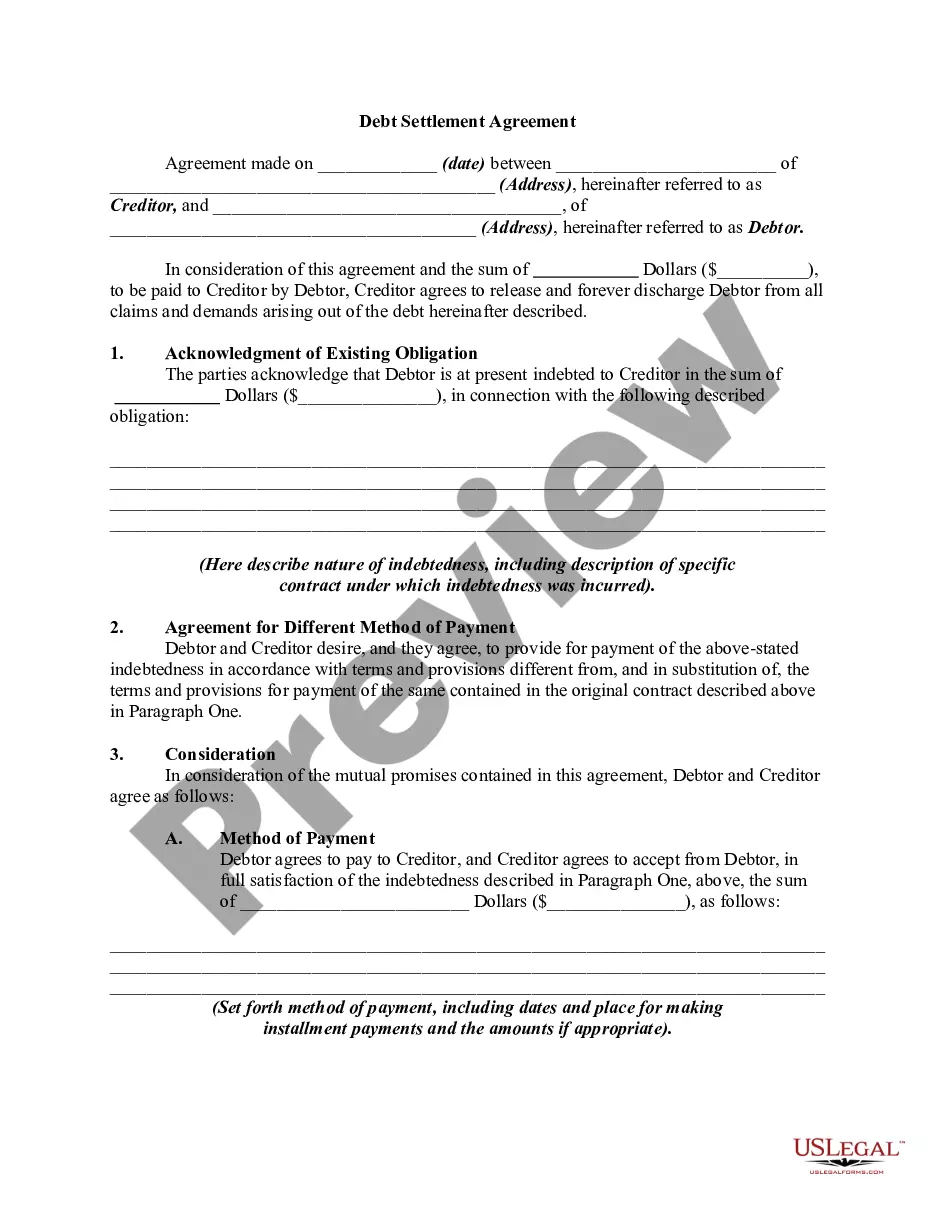
Under the Statute, the creditor has four years to file suit from the date the debtor defaulted on or breached the contract. If the creditor fails to file suit within four years, the creditor is barred from collecting the debt in court.
Most states or jurisdictions have statutes of limitations between three and six years for debts, but some may be longer. This may also vary depending, for instance, on the: Type of debt. State where you live.
What happens if a law suit is filed against you? A creditor can sue you if you get behind in your payments.
Criminal statute of limitations is capped at the age of adulthood plus 32 years, ie age 50 for most. Criminal statute of limitations for adults is capped at 12 years after the offense was committed. Civil statute of limitations for adults is capped at 2 years after the offense was committed.
The short answer is yes. If a creditor obtains a judgment against you, it can obtain a writ of execution to levy your bank account without prior notice to you.
Debt collectors cannot harass or abuse you. They cannot swear, threaten to illegally harm you or your property, threaten you with illegal actions, or falsely threaten you with actions they do not intend to take. They also cannot make repeated calls over a short period to annoy or harass you.
Specifically, the rule states that a debt collector cannot: Make more than seven calls within a seven-day period to a consumer regarding a specific debt. Call a consumer within seven days after having a telephone conversation about that debt.
In Pennsylvania, if a debt collection lawsuit has been filed against you, the first thing you need to do is file a Notice of Intention to Defend. You can do this by either calling your court or going in person. If you disagree with the claims against you, you can explain your defenses in your notice.
