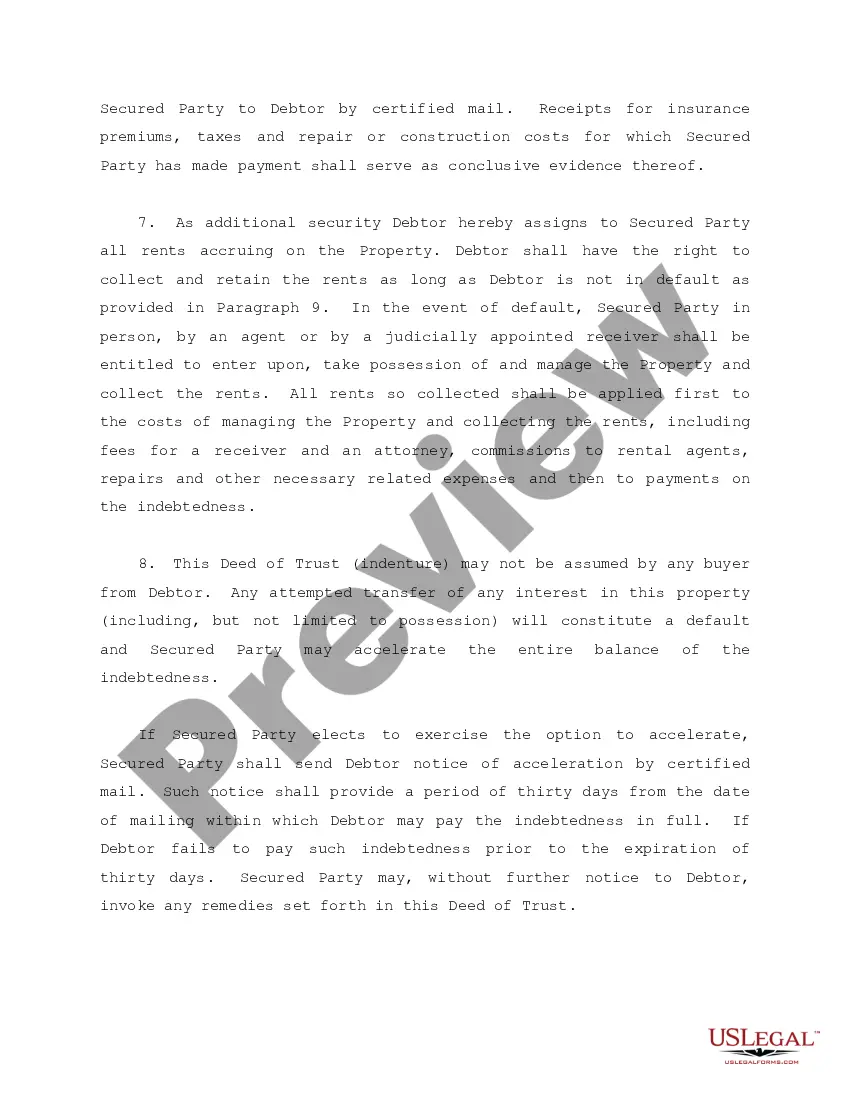
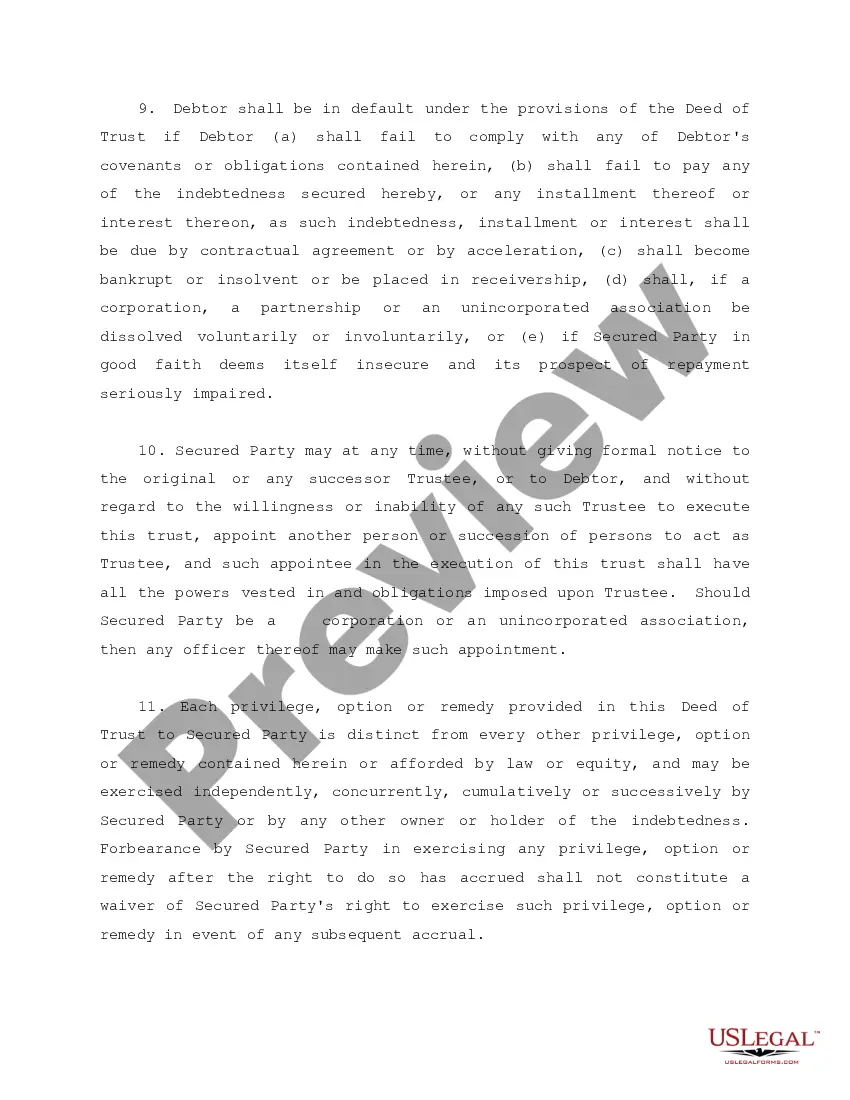
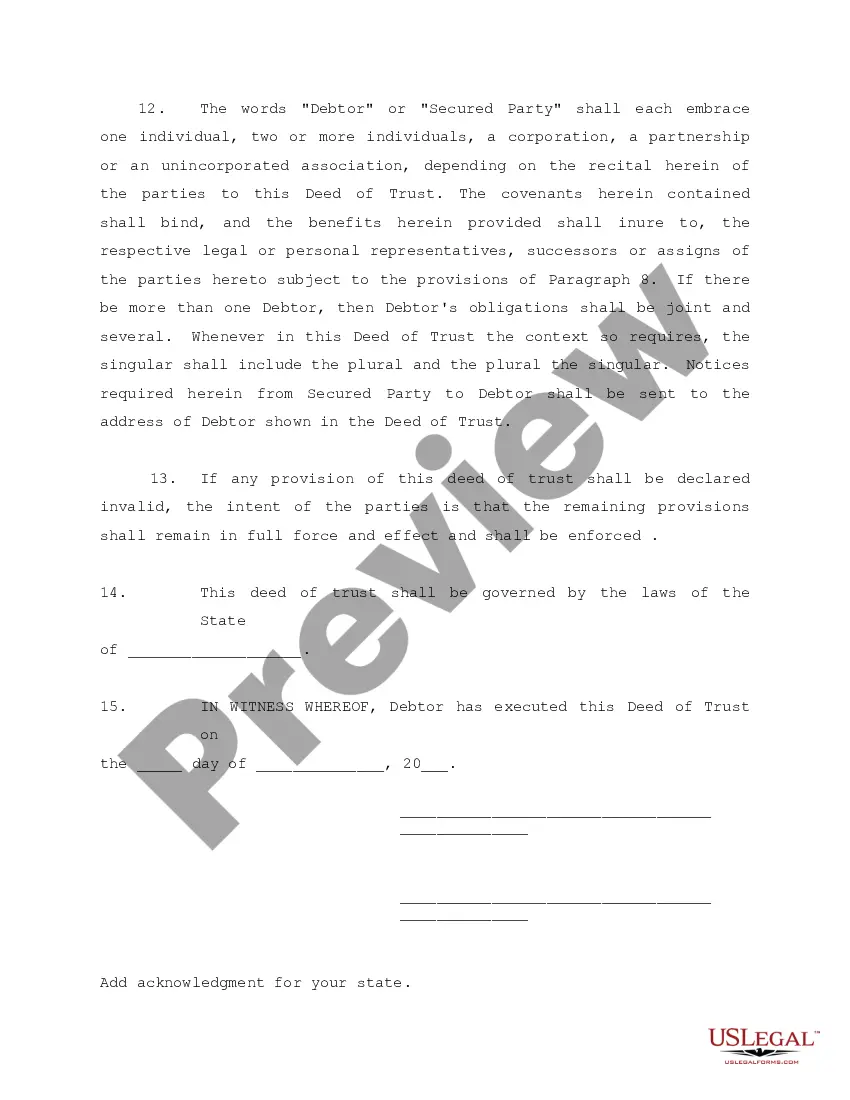
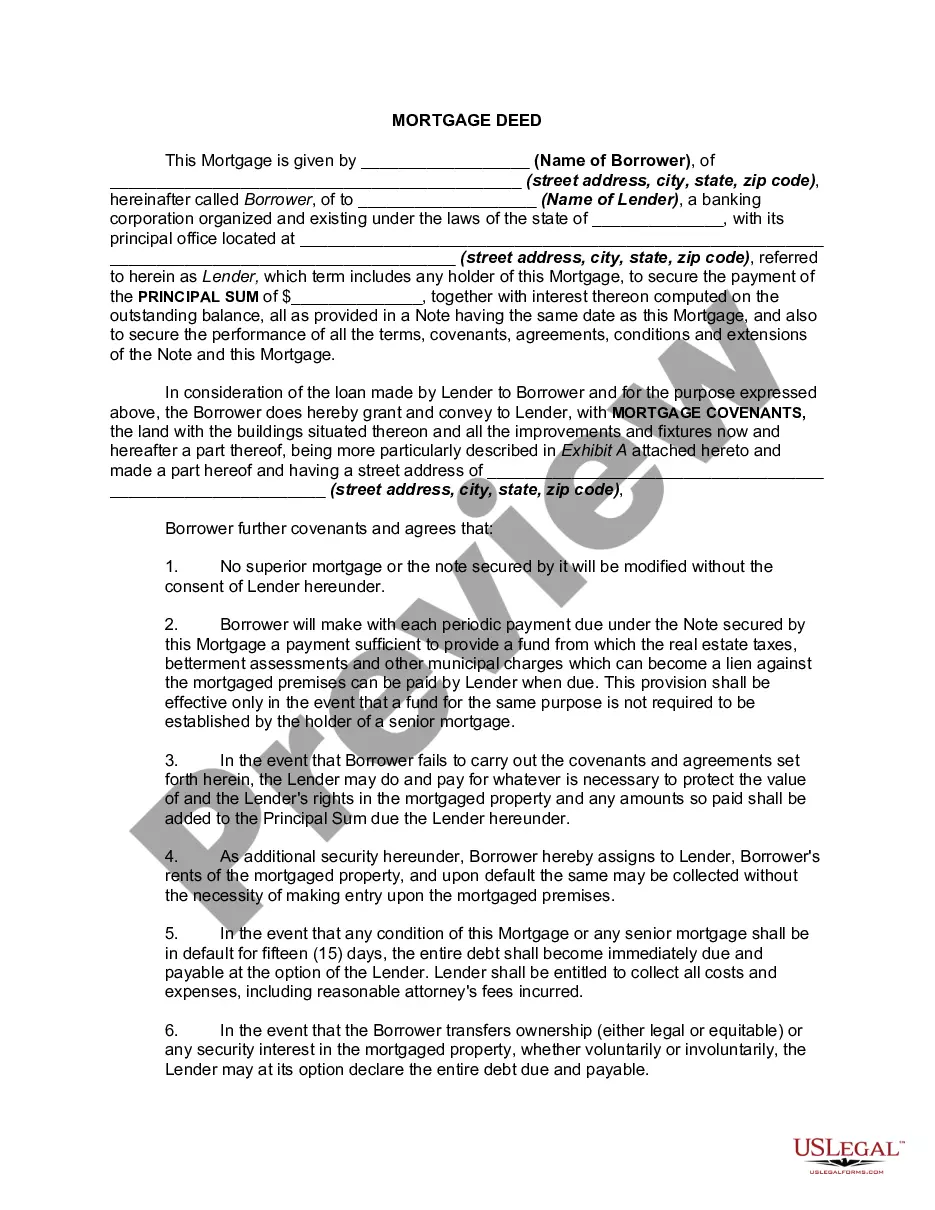
Secured Debt Any With A Sinking Fund In Ohio
Description


Get your form ready online
Our built-in tools help you complete, sign, share, and store your documents in one place.
Make edits, fill in missing information, and update formatting in US Legal Forms—just like you would in MS Word.
Download a copy, print it, send it by email, or mail it via USPS—whatever works best for your next step.
Sign and collect signatures with our SignNow integration. Send to multiple recipients, set reminders, and more. Go Premium to unlock E-Sign.
If this form requires notarization, complete it online through a secure video call—no need to meet a notary in person or wait for an appointment.
We protect your documents and personal data by following strict security and privacy standards.

Make edits, fill in missing information, and update formatting in US Legal Forms—just like you would in MS Word.

Download a copy, print it, send it by email, or mail it via USPS—whatever works best for your next step.

Sign and collect signatures with our SignNow integration. Send to multiple recipients, set reminders, and more. Go Premium to unlock E-Sign.

If this form requires notarization, complete it online through a secure video call—no need to meet a notary in person or wait for an appointment.

We protect your documents and personal data by following strict security and privacy standards.
Looking for another form?







Form popularity
FAQ
Sinking funds are in 'trust' for the scheme and should not be returned to lessees upon assignment, or at any time. Interest earned on funds should be added to the funds unless the lease states otherwise. If funds are held in 'trust' then a tax will be charged on the interest earned.
A sinking fund is typically listed as a noncurrent asset—or long-term asset—on a company's balance sheet and is often included in the listing for long-term investments or other investments.
You can use a budgeting app, like You Need a Budget (YNAB) or PocketGuard, to monitor your sinking funds. Setting up automatic monthly transfers from your main checking account to your sinking funds account can help you stay on track.
Example of Reporting a Sinking Fund on the Balance Sheet A corporation's bond sinking fund appears in the first noncurrent asset section of the corporation's balance sheet. This section is likely to have the heading Investments.
You can use a budgeting app, like You Need a Budget (YNAB) or PocketGuard, to monitor your sinking funds. Setting up automatic monthly transfers from your main checking account to your sinking funds account can help you stay on track.
Sinking funds are in 'trust' for the scheme and should not be returned to lessees upon assignment, or at any time. Interest earned on funds should be added to the funds unless the lease states otherwise. If funds are held in 'trust' then a tax will be charged on the interest earned.
Sinking funds are financial strategies that operate through regular contributions, allowing organisations to accumulate a specific amount by a predetermined date, usually for repaying debt or funding significant purchases.
Example of a Sinking Bond On the anniversary date of each bond being issued, the company withdraws $1 million from the sinking fund and calls 5% of its bonds. Because the sinking fund adds stability to the repayment process, the ratings agencies rate the bonds as AAA and reduce the interest rate from 6.3% to 6%.
Perhaps the most important powers reserved to Congress by Article I, Section 8 are those to create taxes, tariffs and other sources of funds needed to maintain the operations and programs of the federal government and to authorize the expenditure of those funds.
