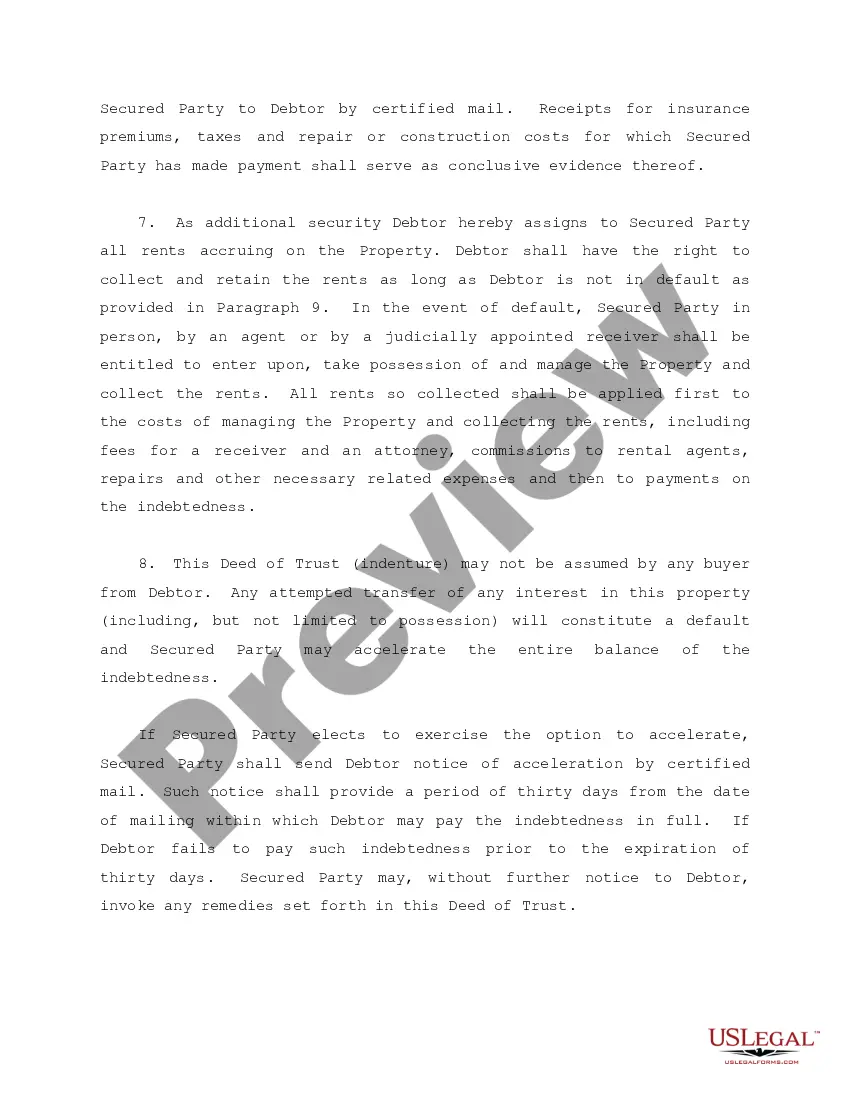
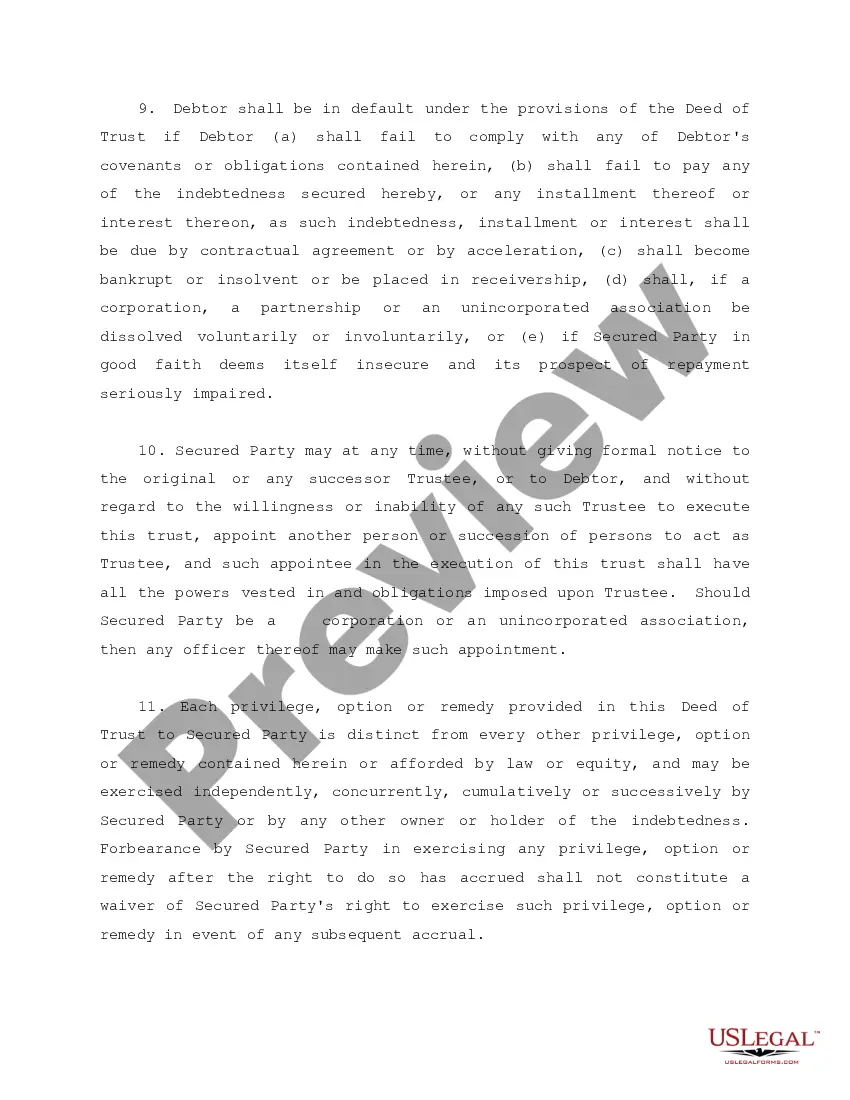
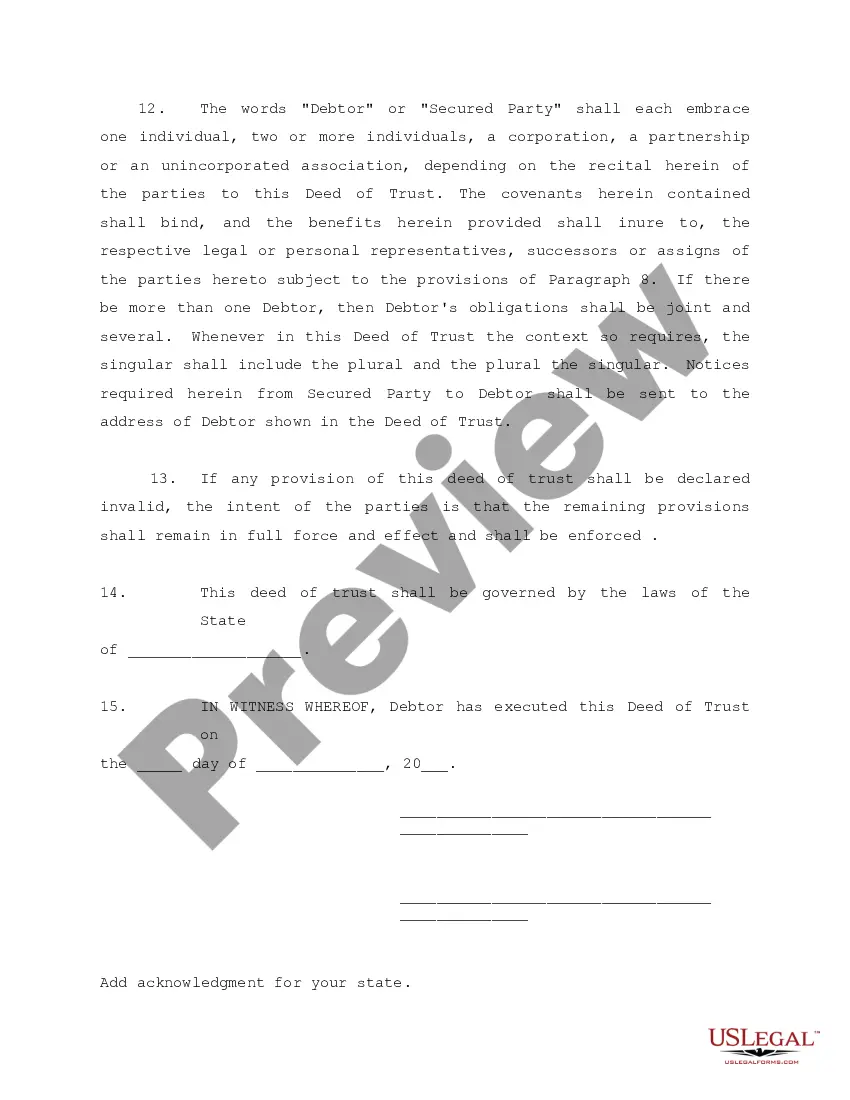
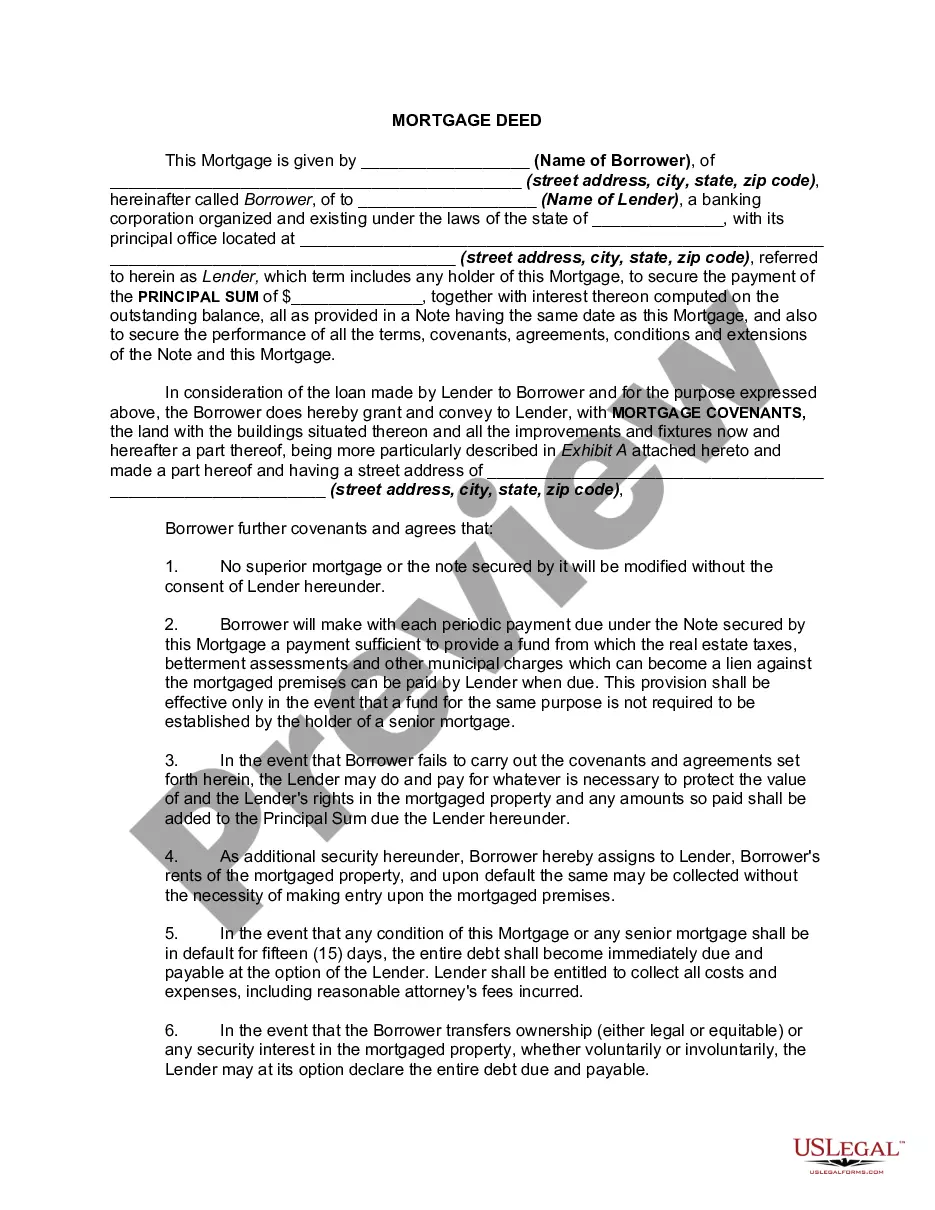
Printable Deed Of Trust Form In Ohio
Description

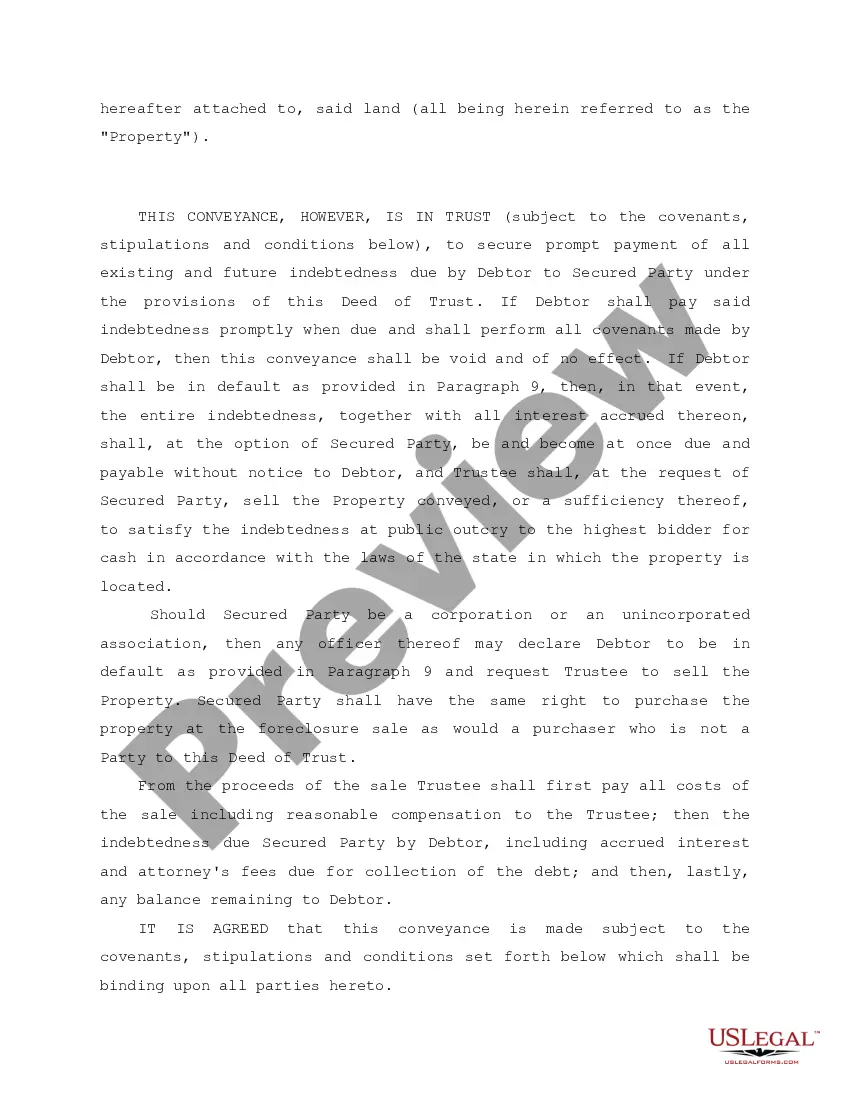
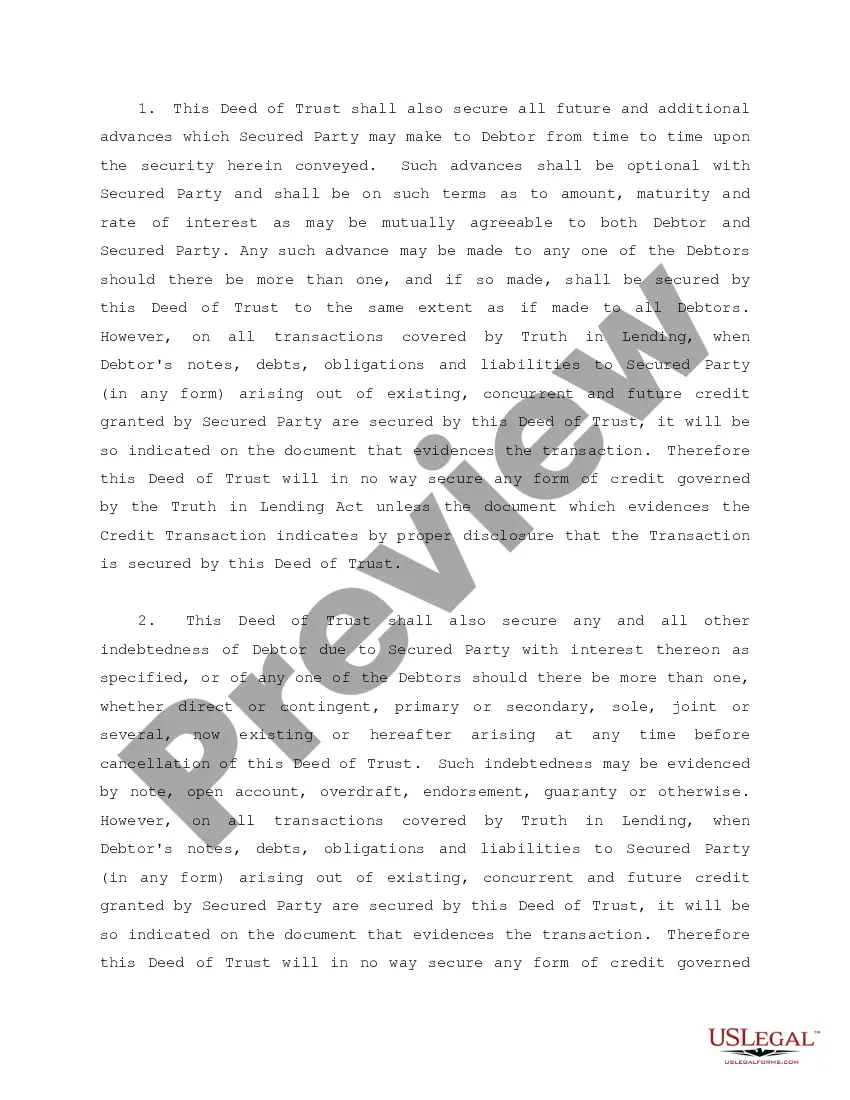
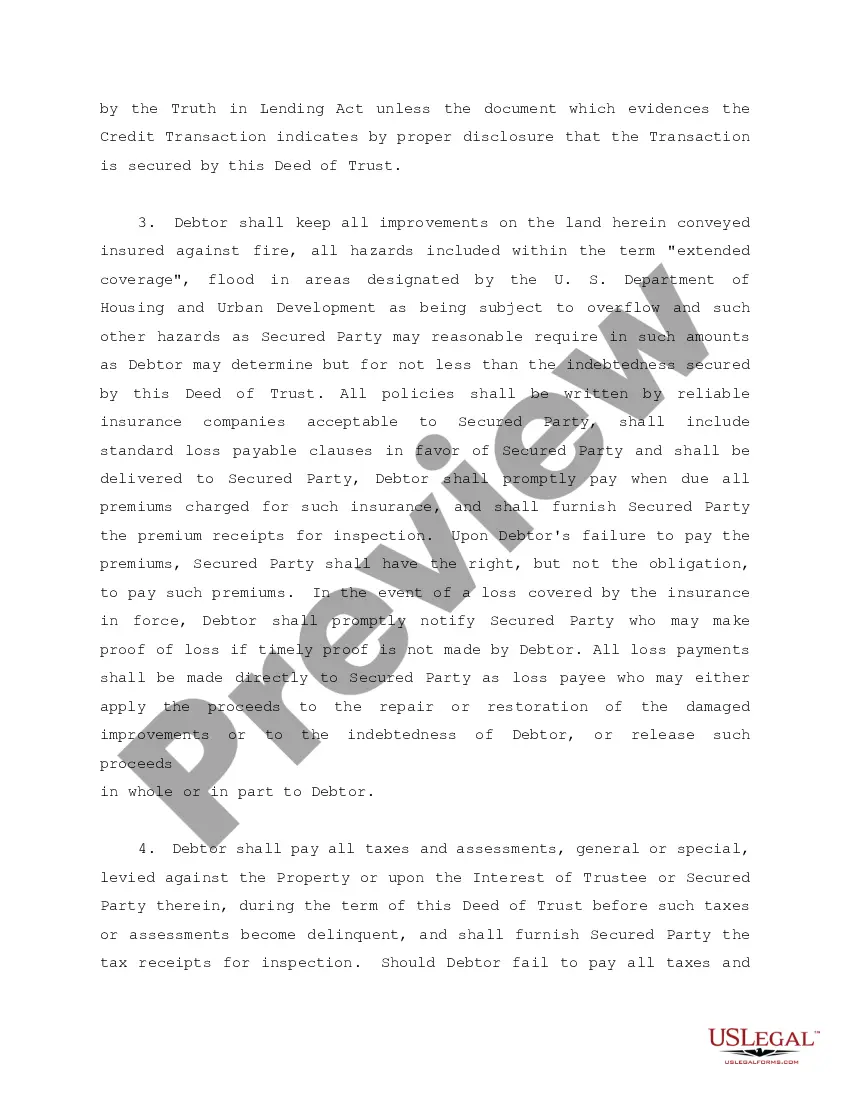
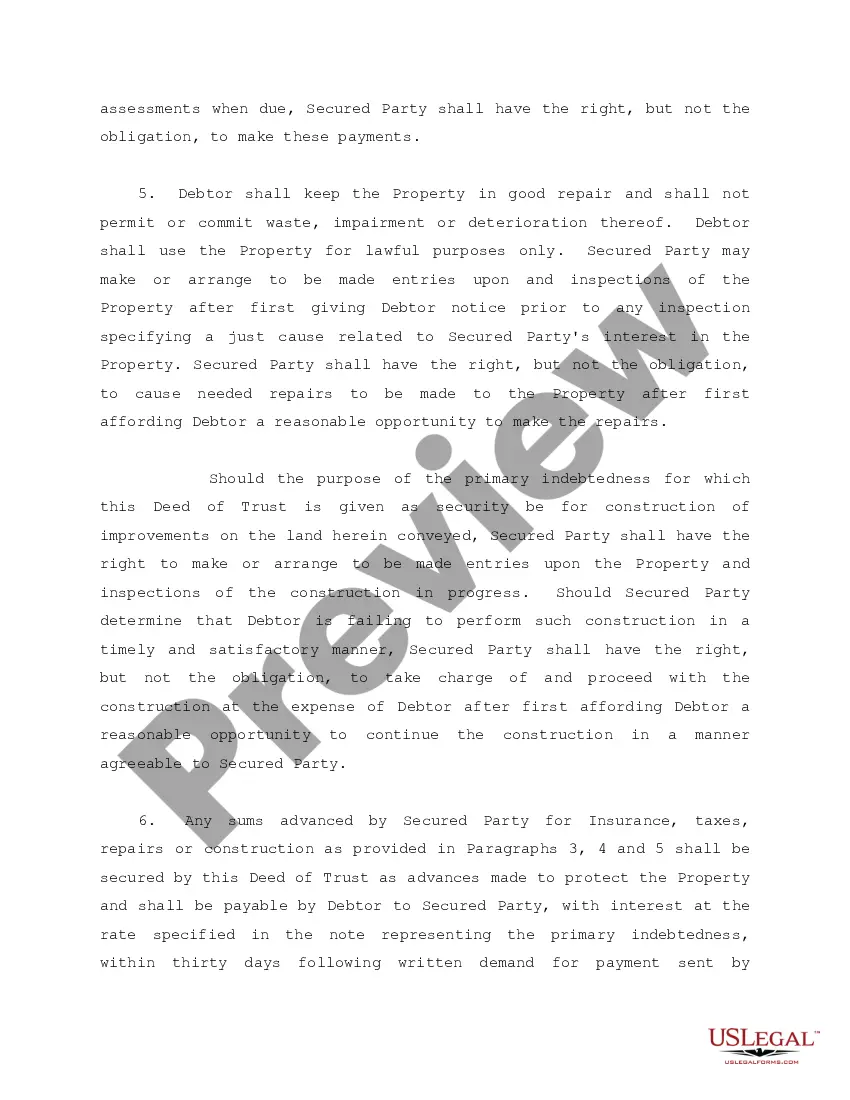

Get your form ready online
Our built-in tools help you complete, sign, share, and store your documents in one place.
Make edits, fill in missing information, and update formatting in US Legal Forms—just like you would in MS Word.
Download a copy, print it, send it by email, or mail it via USPS—whatever works best for your next step.
Sign and collect signatures with our SignNow integration. Send to multiple recipients, set reminders, and more. Go Premium to unlock E-Sign.
If this form requires notarization, complete it online through a secure video call—no need to meet a notary in person or wait for an appointment.
We protect your documents and personal data by following strict security and privacy standards.

Make edits, fill in missing information, and update formatting in US Legal Forms—just like you would in MS Word.

Download a copy, print it, send it by email, or mail it via USPS—whatever works best for your next step.

Sign and collect signatures with our SignNow integration. Send to multiple recipients, set reminders, and more. Go Premium to unlock E-Sign.

If this form requires notarization, complete it online through a secure video call—no need to meet a notary in person or wait for an appointment.

We protect your documents and personal data by following strict security and privacy standards.
Looking for another form?
Form popularity
FAQ
Trusts may be declared upon registered land, or upon any interest therein, by deed or other instrument in writing, fully and clearly defining the trusts, conditions, and limitations, and the powers and duties of the trustee and giving his name, residence, and post-office address and the name, residence, and post-office ...
In Ohio, only an attorney can draft a deed for others. All title companies must use an attorney to draft deeds.
All documents to be recorded must be prepared by an attorney other than the limited exceptions discussed above. A non-attorney may perform searches and examinations, sign documents, close transactions and disburse escrow funds. A non-attorney may not render an opinion of title.
In Ohio, only an attorney can draft a deed for others. All title companies must use an attorney to draft deeds.
A deed must be recorded in person, UNLESS the deed already reflects ALL of the necessary auditor and engineer stamps and approvals. The deed must be legibly prepared, signed, and notarized BEFORE presented for recording.
First, contact the professionals who helped create the trust. Attorneys, financial advisors, accountants, and estate planning experts often keep copies. They can help get the documents or guide the successor trustee. Professionals are crucial in making sure trust documents are found.
Create a Deed or Deed Transfer You may not need to involve an attorney to create a particular deed if you already have all the information.
Where to Get a Deed of Trust? To get a Deed of Trust, you must file the proper paperwork with the proper court as generally outlined above. These documents must be filed with the county clerk or recorder, and the lender typically sends them to the recording office after the property closing.
Property ownership information can be requested from the County Registrar-Recorder/County Clerk.